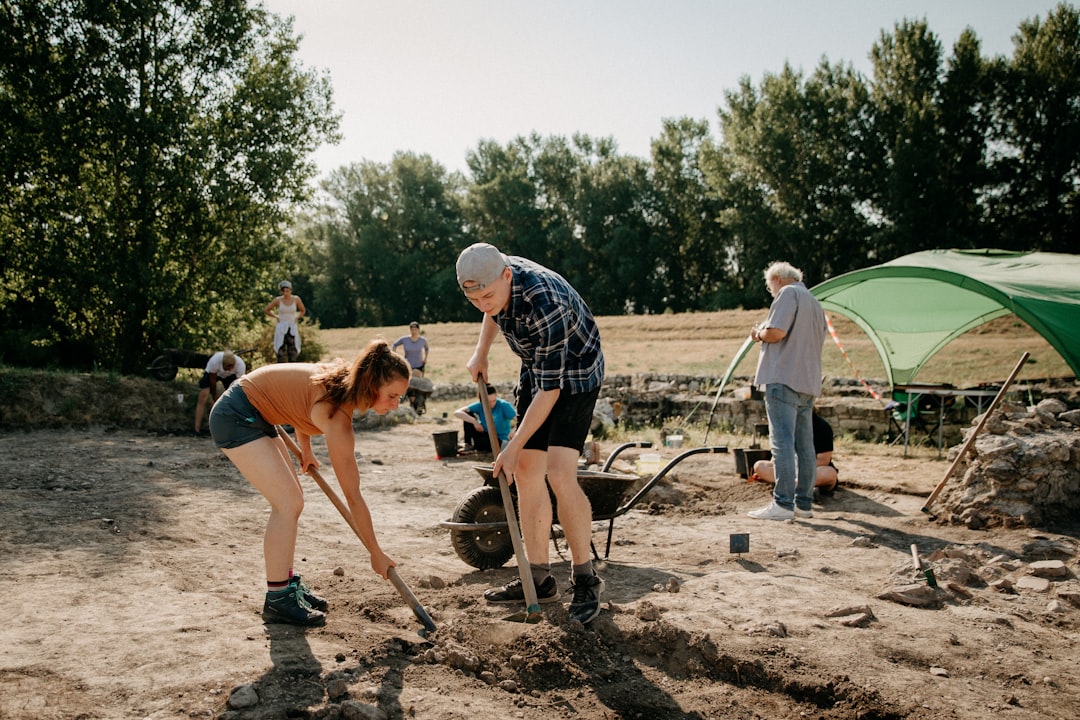
The relentless pursuit of lost civilizations is a cornerstone of archaeological endeavor, a quest that often spans decades and demands immense dedication. For years, the legend of Helike, a once-magnificent city swallowed by the earth, haunted the imaginations of scholars and treasure hunters alike. Situated on the northern coast of the Peloponnese peninsula in Greece, Helike was a prominent power in antiquity, boasting a rich history and a formidable presence. Yet, its fate remained shrouded in mystery, a victim of a catastrophic event that caused its permanent disappearance from the historical record. It was only through the persistent and painstaking work of determined archaeologists that the veil of oblivion was finally lifted, revealing the submerged secrets of this fabled city.
The story of Helike is deeply intertwined with Greek mythology and historical accounts. Ancient writers such as Pausanias and Strabo described Helike as a significant Achaean city, a member of the Mycenaean civilization, and a flourishing port. Its prosperity was attributed to its strategic location and its renowned sanctuary dedicated to the god Poseidon, the ruler of the seas and earthquakes. This connection to Poseidon is particularly poignant, as it foreshadowed the very force that would ultimately lead to the city’s demise.
The Cataclysmic End: Accounts of its Destruction
Ancient texts paint a vivid picture of Helike’s destruction. Around 373 BC, a sudden and violent earthquake struck the region, followed by a colossal tsunami. The ground beneath the city reportedly buckled and sank, drawing Helike and its surrounding lands into the embrace of the sea. Some accounts suggest that the city was not merely flooded but disappeared entirely, submerged beneath the waves, leaving no trace of its existence. This dramatic and complete annihilation contributed to its legendary status, blurring the lines between historical fact and Hellenic myth. The disappearance was so profound that for centuries, its exact location was a subject of intense debate and speculation.
The Quest for Location: Centuries of Speculation and Failed Searches
Following the catastrophic event, Helike vanished from the map. For generations, archaeologists and historians searched for its remains, but the fertile coastal plains of Achaea, sculpted by geological shifts and agricultural development over millennia, proved a formidable challenge. Numerous potential sites were proposed, but none yielded conclusive evidence. The lack of tangible proof only fueled the city’s mythical aura, making it a tantalizing enigma for those dedicated to uncovering the past. Early attempts were often hampered by limited resources, rudimentary methods, and a lack of understanding of the geological processes that likely reshaped the landscape. The sea itself, which had claimed the city, also guarded its secrets, gradually covering any potential surface remnants with silt and sediment.
The Spark of Modern Archaeology: The Vision of Dora Katsonopoulou
The modern chapter in the unearthing of Helike truly began with the vision and unwavering determination of Greek archaeologist Dora Katsonopoulou. Recognizing the potential for a significant discovery, Katsonopoulou dedicated years to studying ancient texts, geological surveys, and the local landscape. She meticulously analyzed historical accounts, paying close attention to geographical descriptions and the recurring theme of a city sinking into the earth. Her deep understanding of the region’s geomorphology and her ability to synthesize textual evidence with scientific data were instrumental in narrowing down the search area.
Early Geophysical Surveys and Initial Findings
Katsonopoulou, often working with limited funding and in collaboration with various research institutions, initiated systematic geophysical surveys in the region. These surveys, employing technologies like ground-penetrating radar and magnetometry, allowed archaeologists to probe beneath the surface without invasive excavation. The initial results were promising, revealing anomalies and structures that hinted at submerged ancient settlements. These early findings, though not immediately definitive, provided enough encouragement to warrant further investigation. The researchers identified unusual patterns in the subsurface, suggesting human-made features hidden beneath layers of sediment.
The Significance of Poseidon’s Presence: Connecting Myth and Reality
The strong association of Helike with Poseidon proved to be a crucial clue. Katsonopoulou hypothesized that the city’s main sanctuary, a central and likely monumental structure, might have survived partially or could be located in a specific area. The presence of evidence for a large, organized settlement, coupled with anomalies that suggested ancient stonework, began to solidify the belief that they were on the right track. The connection to Poseidon wasn’t just a mythological detail; it pointed towards a significant religious and civic center that would leave substantial archaeological traces.
The discovery of Helike, an ancient Greek city lost to the sea, has intrigued archaeologists and historians alike, shedding light on the region’s rich cultural heritage. For those interested in exploring the intersection of ancient civilizations and modern scientific advancements, a related article discusses NASA’s plans to control water ice on the moon, which could have implications for future exploration and habitation. You can read more about this fascinating topic in the article titled “NASA to Control Moon’s Water Ice” at this link.
The Breakthrough: Recognizing the Signs
The persistent efforts of Katsonopoulou and her team, often in collaboration with international researchers, finally led to a breakthrough. Through a combination of continued geophysical exploration, careful analysis of geological data, and strategic test excavations, distinct patterns emerged. These patterns were increasingly consistent with the findings expected from a submerged ancient city. The geological context of the area, including evidence of recent subsidence and ancient shorelines, played a vital role in their interpretative framework.
Submerged Structures Emerge: First Glimmers of Helike
The first tangible evidence of Helike began to surface in the form of submerged structures. Explorations in the Gulf of Corinth revealed ancient pottery fragments, building materials, and even sections of walls lying on the seabed or buried beneath the sediment. These finds, though scattered, were undeniably ancient and bore the hallmarks of a significant settlement. The sheer volume and consistency of these submerged artifacts gradually shifted the focus from speculation to a more grounded archaeological investigation.
The Role of Sediment and Geological Context
Understanding the geological processes that led to Helike’s submersion was paramount. The region is seismically active, and the Gulf of Corinth is characterized by significant tectonic uplift and subsidence. The archaeological team meticulously studied sediment cores and coastal geomorphology to reconstruct the ancient landscape and understand how the city might have been covered. The layers of sediment that had buried Helike acted as a protective shroud, preserving its remains from later erosion and human intervention. This geological context was as crucial as the artifacts themselves in piecing together the city’s fate.
Evidence of Continuous Occupation and Early Phases
The discoveries were not limited to the final moments of Helike’s existence. Evidence of earlier phases of occupation began to emerge, suggesting that the city had a long and complex history. The presence of distinct architectural styles and different types of pottery indicated periods of growth and development prior to the cataclysm. This added depth to the understanding of Helike as a living, evolving entity, not just a victim of a single event. The unearthed artifacts spoke of a thriving community with established trade routes and a rich cultural heritage.
Excavation and Delving Deeper: Unveiling the City Plan
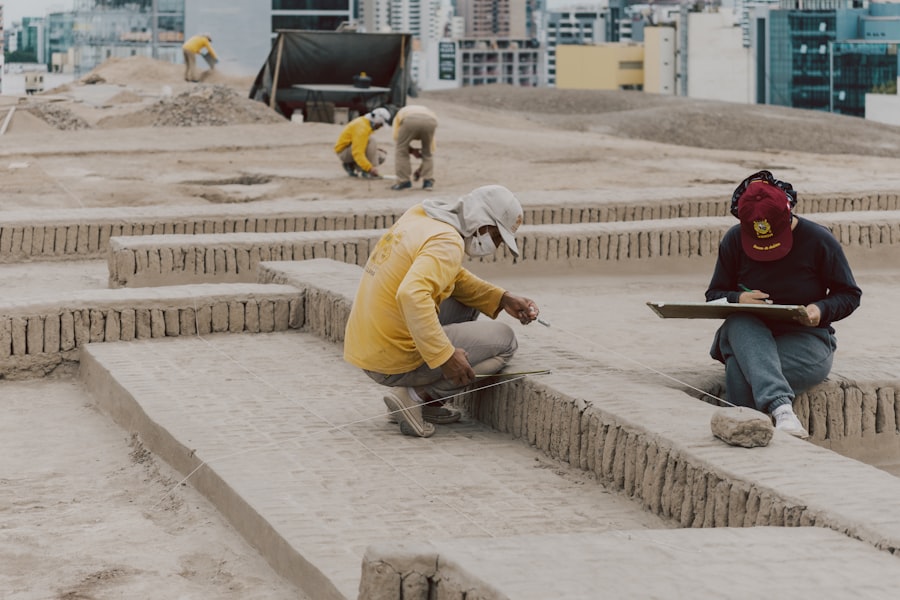
With a clearer understanding of the location and the nature of the submerged remains, the archaeologists embarked on more intensive excavation campaigns. This involved not only underwater archaeology but also land-based excavations in the vicinity, where layers of sediment might have preserved different aspects of the city. The process was meticulous and challenging, requiring specialized equipment and a deep understanding of both underwater and terrestrial excavation techniques.
Underwater Archaeology: Exploring the Submerged Ruins
The submerged portions of Helike presented unique challenges and opportunities. Divers and underwater archaeologists meticulously mapped and excavated sections of the ancient city that had been claimed by the sea. This involved careful probing, sediment removal, and the delicate recovery of artifacts from their watery resting places. The visibility in the water, the currents, and the depth all contributed to the complexity of these operations.
The City Walls and Fortifications: Evidence of a Defensible City
The discovery of substantial sections of Helike’s city walls and fortifications provided crucial insights into its military strength and urban planning. These imposing structures, though partially collapsed and encrusted with marine life, demonstrated the city’s commitment to defense. Their scale and construction techniques offered valuable information about the engineering capabilities of the period. The defensive perimeter suggested a well-organized and strategically important settlement.
The Agora and Public Spaces: Glimpses of Daily Life
Excavations of the agora, the central public space of ancient Greek cities, revealed the heart of Helike’s civic and economic life. Evidence of shops, administrative buildings, and assembly areas began to emerge, painting a picture of a bustling marketplace and a center for public discourse. The layout of these spaces provided clues about how the city’s inhabitants interacted and conducted their daily affairs.
Terrestrial Excavations: Accessing Buried Layers
Simultaneously, terrestrial excavations in areas adjacent to the submerged zones yielded significant discoveries. Here, layers of sediment, deposited by the earthquake and subsequent natural events, had preserved parts of the city that were less directly affected by the sea. These excavations offered a complementary perspective, revealing structures and artifacts that might not have survived in the marine environment.
Residential Areas and Domestic Life: Uncovering the Everyday
The discovery of residential areas provided intimate glimpses into the lives of Helike’s citizens. Excavations of houses revealed domestic artifacts, tools, and even architectural features that spoke of how people lived, worked, and slept. The arrangement of rooms and the types of objects found offered insights into family structures, social customs, and economic activities within the households.
Craftsmanship and Workshops: Tracing Economic Activities
Evidence of workshops and industrial areas indicated the specialized crafts and industries that contributed to Helike’s economy. The discovery of tools, raw materials, and unfinished products provided concrete evidence of pottery production, metalworking, and other artisanal activities that sustained the city’s prosperity. These findings helped to reconstruct the city’s economic base and its integration into wider trade networks.
Artefacts of Significance: A Window into Helike’s Past
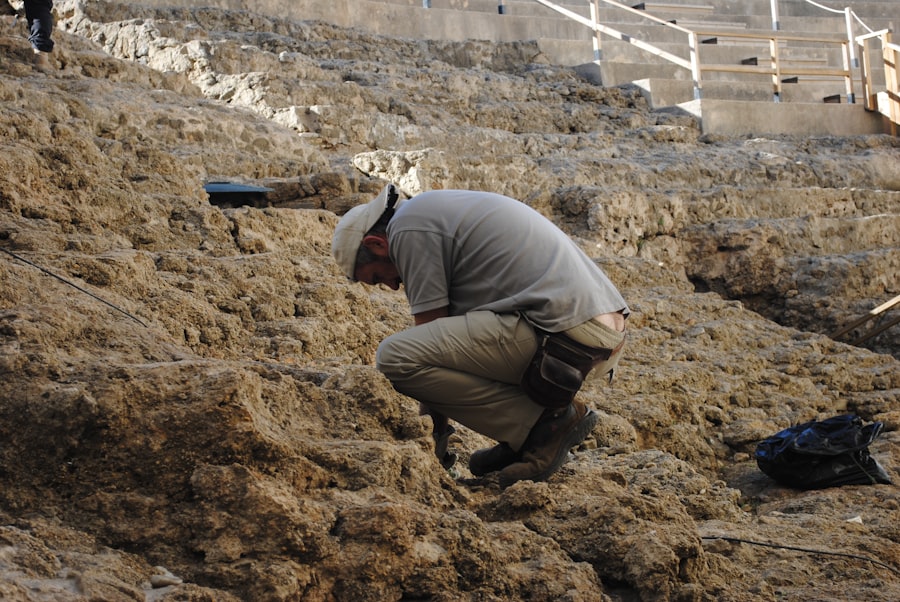
The artifacts recovered from Helike are not merely objects; they are tangible links to a lost world. Each piece, whether a fragment of pottery, a coin, or a statue, tells a story and contributes to a more complete understanding of Helike’s history, culture, and inhabitants. The meticulous documentation and analysis of these finds are crucial for reconstructing the narrative of the city.
Ceramic Evidence: Dating and Cultural Connections
The vast quantities of ceramic shards recovered from Helike have proven invaluable for dating the various layers of occupation and understanding the city’s cultural connections. The styles of pottery, their composition, and the decorative techniques employed can be compared with similar finds from other archaeological sites, helping to establish chronological frameworks and identify trade relationships with other ancient civilizations.
Distinctive Hellenistic and Archaic Pottery Styles
The presence of distinct Hellenistic and Archaic pottery styles confirmed the city’s long inhabitation and its flourishing during these significant periods of ancient Greek history. The careful analysis of these ceramic typologies allowed archaeologists to refine the timeline of Helike’s development and pinpoint the specific periods of its greatest prominence. The evolution of pottery forms also offered insights into changing artistic tastes and technological advancements.
Imported Wares: Evidence of Trade and Influence
The discovery of imported pottery from various regions, such as the Cyclades and the eastern Mediterranean, provided compelling evidence of Helike’s extensive trade networks and its exposure to external influences. These imported wares not only helped to date the sites and establish trade routes but also indicated the economic reach and cultural impact of Helike. Such findings underscore the city’s integration into the wider Hellenistic world.
Metal Objects: Technology and Daily Life
The metal objects recovered from Helike offer a remarkable insight into the technological capabilities and daily lives of its inhabitants. These include tools, weapons, jewelry, and coins, each revealing different facets of Helike’s society.
Bronze Implements and Tools: Everyday Utensils and Craftsmanship
Bronze implements, such as chisels, knives, and cooking utensils, have been unearthed, demonstrating the common tools used in everyday life and by various craftspeople. The preservation of these often delicate objects provides tangible evidence of the practical skills and the sophistication of metalworking techniques employed by the Helikans.
Gold and Silver Ornaments: Social Status and Artistic Expression
The recovery of gold and silver ornaments, including rings, bracelets, and decorative pins, offers insights into the social hierarchy and artistic sensibilities of Helike’s elite. These valuable items not only speak of wealth and status but also showcase the exquisite craftsmanship and aesthetic preferences of the period. The intricacy of the designs often reflects the high level of artistic devotion.
Sculptural Fragments: Religious Beliefs and Artistic Flourishing
Fragments of sculptures, even in their damaged state, provide invaluable information about Helike’s religious beliefs, its artistic traditions, and its interaction with broader cultural trends.
Dedications to Poseidon and Other Deities: A Pantheon Revealed
The presence of sculptural fragments identified as dedications to Poseidon, the city’s patron deity, is particularly significant. These pieces, along with others that hint at a wider pantheon of gods and goddesses, illuminate the religious practices and beliefs that formed an integral part of Helike’s identity. The sculptural styles can also be compared with contemporary artistic developments across the Greek world.
Influence of Classical and Hellenistic Art: Artistic Exchange
The style of the sculptural fragments often reflects the influence of Classical and Hellenistic artistic movements. This indicates that Helike was not an isolated cultural entity but was actively engaged in artistic exchange and innovation, absorbing and adapting artistic trends from the wider Greek world. The analysis of these influences helps to place Helike within the broader context of ancient Greek art history.
The discovery of Helike, an ancient Greek city lost to the sea, has captivated archaeologists and historians alike, shedding light on the region’s rich history. For those interested in exploring the broader implications of ancient civilizations and their connections to celestial events, a related article discusses the strategic importance of the moon in shaping cultural practices and navigation. You can read more about this fascinating topic in the article on the strategic importance of the moon. This connection highlights how ancient societies were influenced by both terrestrial and celestial factors in their development.
The Significance of Helike’s Discovery: A New Chapter in History
| Method | Details |
|---|---|
| Remote Sensing | Used ground-penetrating radar and electrical resistivity to locate the ancient city’s remains. |
| Underwater Exploration | Divers searched the seabed for any submerged structures or artifacts. |
| Geological Survey | Studied sediment layers and geological formations to pinpoint the city’s possible location. |
The unearthing of Helike is far more than just the discovery of another ancient city. It represents a monumental achievement in archaeology, offering unparalleled insights into a period of Greek history that was previously shrouded in legend and conjecture. The findings have not only confirmed the existence of this fabled city but have also enriched our understanding of its society, culture, and its ultimately tragic fate.
Reconstructing a Lost Civilization: Understanding a Prominent Achaean City
The painstaking work of archaeologists has allowed for the reconstruction of Helike as a prominent Achaean city, a vibrant center of commerce, religion, and culture. The city plan, the architectural remains, and the multitude of artifacts provide a comprehensive picture of its urban fabric, its economic activities, and the daily lives of its inhabitants. This detailed understanding allows for a more nuanced appreciation of its importance in the ancient world.
The Role of Poseidon: A Religious and Geographic Nexus
The central role of Poseidon in Helike’s identity and its ultimate destruction has been powerfully illuminated. The discovery of its sanctuary and the widespread reverence for the sea god underscore the deep connection between the city’s faith, its prosperity, and its cataclysmic end. The cult of Poseidon wasn’t just a spiritual practice; it was inextricably linked to the very geographical forces that shaped the city’s destiny.
Insights into Ancient Greek Urbanism and Society
Helike provides a unique case study for understanding ancient Greek urbanism, social structures, and economic systems. The careful analysis of its layout, its public spaces, and its domestic architecture offers invaluable data for comparative studies of other ancient Greek cities. The insights gained contribute to a broader understanding of how these societies functioned and evolved over time.
The Impact on Historical Understanding: Challenging and Refining Narratives
The discovery of Helike has had a profound impact on our understanding of ancient Greek history. It has provided concrete evidence to support and elaborate upon ancient texts that were once considered mere legends. The findings challenge previous assumptions and refine existing historical narratives, adding significant factual depth to our knowledge of this critical period.
Bridging the Gap Between Myth and History: Validation of Ancient Accounts
For centuries, Helike existed primarily in the realm of mythology. The archaeological evidence has now firmly bridged the gap between myth and history, validating the accounts of ancient writers and demonstrating their reliability. This validation encourages further exploration of other potentially mythical sites, lending credence to the idea that history and legend often have a shared origin.
Understanding Natural Disasters in Antiquity: A Case Study in Catastrophe
The story of Helike serves as a stark reminder of the destructive power of natural disasters in antiquity. The city’s submersion provides a rare and detailed case study for understanding the impact of earthquakes and tsunamis on ancient civilizations. It offers valuable lessons for geologists, seismologists, and historians alike regarding the long-term consequences of such events and the resilience of human societies.
Future Research and Preservation: Safeguarding a Priceless Heritage
The work of unearthing Helike is far from over. The vast underwater and buried sites hold many more secrets waiting to be discovered. Future research will undoubtedly delve deeper into its history, its culture, and its eventual demise. Furthermore, the preservation of this invaluable archaeological heritage is of paramount importance.
Ongoing Excavations and New Technologies: Pushing the Boundaries of Discovery
Ongoing excavations, utilizing advanced underwater robotics, remote sensing technologies, and sophisticated data analysis, are expected to uncover even more of Helike’s secrets. The development of new archaeological techniques will continue to push the boundaries of what is possible, allowing for more detailed and less invasive exploration of the submerged remains.
The Importance of Conservation and Public Engagement: Sharing Helike’s Story
The conservation of the recovered artifacts and the underwater sites is a critical undertaking to ensure their long-term survival. Furthermore, public engagement through exhibitions, educational programs, and digital platforms is essential for sharing Helike’s captivating story with the world, fostering a deeper appreciation for this remarkable lost city and the dedication of the archaeologists who brought it back to light. The unearthing of Helike stands as a testament to human curiosity, scientific endeavor, and the enduring power of the past to illuminate the present.

The Lost City That Was Never Really Lost
FAQs
What is Helike?
Helike was an ancient Greek city located in Achaea, Greece. It was an important cultural and religious center in ancient Greece.
Why is Helike significant to archaeologists?
Helike is significant to archaeologists because it was a prominent city in ancient Greece that was destroyed by a catastrophic earthquake and tsunami in 373 BC. Its discovery and excavation can provide valuable insights into ancient Greek history and culture.
How did archaeologists find Helike?
Archaeologists found Helike by using a combination of historical texts, geological surveys, and remote sensing technologies. They identified the potential location of the city and conducted excavations to uncover its remains.
What did archaeologists uncover at the site of Helike?
Archaeologists uncovered the remains of buildings, streets, and artifacts at the site of Helike. They also found evidence of the catastrophic event that destroyed the city, such as layers of sediment and evidence of flooding.
What can the discovery of Helike tell us about ancient Greece?
The discovery of Helike can provide valuable information about ancient Greek architecture, urban planning, and daily life. It can also shed light on the religious and cultural practices of the ancient Greeks, as well as the impact of natural disasters on ancient civilizations.