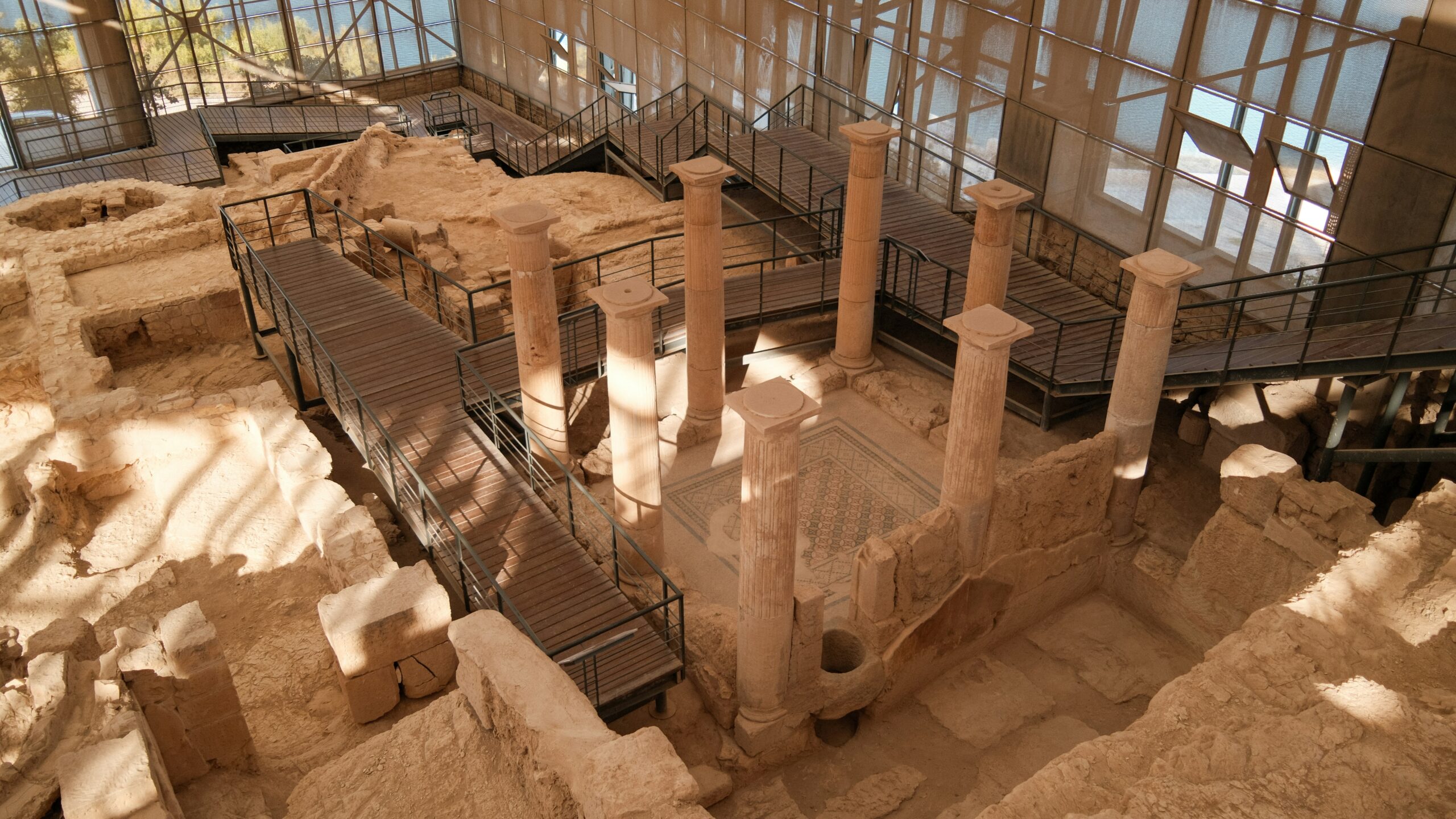
The flickering images on the screen pull the viewer into a world far removed from the present. Dust motes dance in shafts of light that pierce the darkness of a tomb, illuminating hieroglyphs that have lain undisturbed for millennia. The hushed reverence of the archaeologists, their careful movements, and the palpable sense of discovery all conspire to create an immersive experience. This is the essence of “Unearthing History: Archaeological Discoveries,” a documentary series that has captivated audiences with its compelling narratives of human past, brought to life through meticulous research and breathtaking fieldwork.
The series, a critical and commercial success, does more than simply showcase ancient artifacts; it delves into the stories they tell, weaving together the fragmented threads of forgotten civilizations. From the sun-baked plains of Egypt to the rugged landscapes of Mesoamerica, each episode embarks on a journey of exploration, revealing the ingenuity, struggles, and triumphs of those who came before. The documentary’s strength lies in its ability to translate complex archaeological methodologies into accessible and engaging viewing, making the pursuit of history a shared adventure for the audience. It’s a testament to the enduring human fascination with origins, a desire to understand where we came from and what lessons the past holds for our present and future.
The Art of Revelation: Bringing the Past to the Present
The documentary’s narrative structure is crucial to its success. It eschews dry academic discourse for compelling storytelling, framing each excavation as a mystery to be solved. The filmmakers masterfully employ a blend of stunning cinematography, expert interviews, and dramatized reconstructions to recreate the excitement of discovery. Viewers are not passive observers; they are invited to participate in the intellectual puzzle, piecing together clues alongside the archaeologists.
The Archaeologist’s Gaze: Behind the Scenes of Excavation
One of the most compelling aspects of “Unearthing History” is its unflinching look at the arduous yet rewarding process of archaeological fieldwork. The series doesn’t shy away from the mud, the sweat, and the painstaking precision required. Viewers witness the methodical removal of soil, the delicate brushing of fragile artifacts, and the constant threat of environmental factors that can compromise a site. These glimpses into the daily lives of archaeologists, their dedication, and their unwavering commitment to accuracy lend a profound sense of authenticity to the proceedings. The team’s collaborative spirit, their debates over interpretations, and their moments of shared triumph are all captured, humanizing the scientific endeavor and making it relatable. The focus is not just on the unearthed objects, but on the people who dedicate their lives to finding them, highlighting the passion and intellectual curiosity that drives them.
Visualizing the Unseen: CGI and Reconstruction
The documentary distinguishes itself through its innovative use of visual effects. Where physical remnants are scarce or destroyed by time, computer-generated imagery (CGI) steps in to reconstruct lost structures, reanimate ancient peoples, and paint a vivid picture of past life. These reconstructions are not mere flights of fancy; they are grounded in scientific evidence, meticulously researched and animated with a high degree of historical accuracy. Witnessing a bustling Roman forum, a Mayan pyramid reaching towards the sky, or a Viking longship setting sail are powerful moments that transcend static images and written descriptions, allowing the audience to truly see history in a way that was previously impossible. The careful integration of these visual elements with the real-world findings ensures that the narrative remains anchored in factual discovery, making the CGI a tool for understanding rather than mere spectacle.
In the fascinating realm of archaeological discoveries, the documentary “Uncovering Ancient Cartography: Forbidden Knowledge” delves into the intricate maps created by ancient civilizations, revealing how these early cartographers understood and represented their world. This exploration not only highlights the artistic skills of these cultures but also sheds light on their navigational techniques and societal structures. For those interested in further expanding their knowledge on this topic, you can read a related article that discusses the significance of ancient maps and their impact on modern understanding of geography by visiting this link.
Echoes of Empires: Iconic Discoveries Explored

“Unearthing History” dedicates significant screen time to some of the most significant archaeological discoveries of the modern era. These episodes are not simply historical recitations; they delve into the context of these finds, exploring their impact on our understanding of human civilization and the broader historical narratives.
The Pharaohs’ Secrets: Tutankhamun and Beyond
The discovery of Tutankhamun’s tomb remains one of archaeology’s most celebrated moments, and “Unearthing History” dedicates an entire episode to Howard Carter’s groundbreaking find. The series meticulously reconstructs the anticipation, the challenges, and the sheer wonder of unsealing a tomb that had been sealed for over 3,000 years. Beyond Tutankhamun, the documentary explores other pivotal Egyptian discoveries, such as the Rosetta Stone and the tomb paintings of the Valley of the Queens, illustrating how these finds have fundamentally reshaped our understanding of ancient Egyptian religion, social structures, and daily life. The interviews with Egyptologists, drawing on decades of research and interpretation, provide invaluable insights into the ongoing quest to decipher the secrets of this ancient civilization. The narrative emphasizes not just the treasures, but the painstaking work involved in their preservation and study.
The Americas’ Lost Worlds: Maya, Inca, and Aztec Legacies
The Americas offer a rich tapestry of lost civilizations, and “Unearthing History” skillfully navigates these complex histories. Episodes focus on the awe-inspiring ruins of Machu Picchu, the intricate hieroglyphs of the Maya, and the vast urban centers of the Aztec empire. The documentary explores the sophisticated astronomical knowledge, advanced agricultural techniques, and intricate social hierarchies that characterized these cultures. It examines the impact of European conquest and the subsequent loss of much of this knowledge, highlighting the vital role of archaeology in recovering and preserving these invaluable legacies. The series uses a combination of aerial photography, ground-level exploration, and expert analysis to convey the scale and grandeur of these ancient societies, often emphasizing the environmental factors that contributed to their rise and eventual decline.
The Cradle of Civilization: Mesopotamia’s Enduring Impact
The fertile crescent, home to some of the earliest human settlements, is another focal point of the documentary. Episodes explore the Sumerian city-states, the Babylonian Empire, and the Assyrian civilization, highlighting their contributions to writing, law, mathematics, and urban planning. The discovery of cuneiform tablets, revealing detailed accounts of trade, governance, and religious practices, is presented as a monumental achievement in deciphering the human past. The series explores the challenges of excavating in regions often fraught with political instability, underscoring the bravery and dedication of the archaeologists working in these demanding environments. The impact of these ancient Mesopotamian innovations on subsequent civilizations is thoroughly explored, demonstrating their foundational role in the development of human society.
The Science of Sleuthing: Methodologies and Technologies

“Unearthing History” excels in demystifying the scientific underpinnings of archaeology. It goes beyond simply showing what is found, explaining how it is found and how its age and origin are determined. This focus on methodology empowers the audience with a deeper appreciation for the rigor and scientific inquiry involved in the field.
Ground Penetrating Radar and LiDAR: Seeing Beneath the Surface
The documentary showcases the revolutionary impact of modern technologies on archaeological discovery. Ground Penetrating Radar (GPR) and Light Detection and Ranging (LiDAR) are presented as indispensable tools for non-invasively mapping subsurface features and revealing hidden structures obscured by dense vegetation. Viewers witness how GPR can detect buried walls, burial sites, and even ancient water channels, while LiDAR, through aerial laser scanning, can strip away forest canopies to reveal the outlines of forgotten cities and agricultural systems. These technologies are presented not as magical solutions, but as sophisticated scientific instruments that allow archaeologists to make informed decisions about where to excavate, significantly reducing guesswork and maximizing the efficiency of their efforts. The visual demonstrations of these technologies in action are particularly striking, transforming abstract concepts into tangible realities.
Radiocarbon Dating and DNA Analysis: Unlocking Chronology and Ancestry
The series meticulously explains the science behind dating ancient materials. Radiocarbon dating, a cornerstone of archaeological chronology, is illustrated through clear explanations of how it works and its limitations. The documentary also delves into the burgeoning field of ancient DNA analysis, showcasing how genetic material extracted from skeletal remains can reveal migration patterns, kinship structures, and even the health of past populations. These scientific techniques are presented as crucial puzzle pieces, allowing archaeologists to construct accurate timelines and understand the biological and social connections of ancient peoples. The implications of these analyses are often profound, challenging previous assumptions and opening up new avenues of research.
Controversies and Ethical Considerations: The Weight of the Past
No exploration of archaeology would be complete without acknowledging the ethical complexities and controversies that often surround the discipline. “Unearthing History” tackles these issues with sensitivity and intellectual honesty, fostering a more nuanced understanding of the field.
Repatriation and Cultural Heritage: Returning What Was Taken
The documentary addresses the ongoing debate surrounding the repatriation of cultural artifacts. It explores instances where artifacts have been removed from their countries of origin, often during colonial periods, and the arguments for their return to their ancestral lands. The series presents the perspectives of both museums and indigenous communities, highlighting the complexities of ownership, cultural significance, and the ethical responsibilities of those who hold these artifacts. This segment encourages viewers to consider the broader implications of historical acquisitions and the importance of respecting cultural heritage.
Looting and Preservation: The Fight Against Destruction
The ever-present threat of looting and the destruction of archaeological sites is a recurring theme. “Unearthing History” underscores the efforts of archaeologists and law enforcement agencies to combat these illegal activities. The series emphasizes the irreplaceable loss to humanity when artifacts are removed from their context or sites are damaged, rendering them unable to yield further historical information. The urgency of preservation is conveyed through vivid examples of sites under threat and the dedication of those working to protect them for future generations.
In recent years, archaeological discoveries have shed new light on ancient civilizations, revealing insights that challenge our understanding of history. A fascinating article titled Uncovering the Map That Rewrites History delves into a groundbreaking find that could change the way we perceive historical events. This documentary highlights how modern technology is being used to uncover hidden artifacts and forgotten narratives, ultimately enriching our knowledge of the past.
The Enduring Relevance: Lessons from the Dust
| Documentary Title | Year Released | Number of Discoveries Featured | Regions Covered | Average Viewer Rating (out of 10) |
|---|---|---|---|---|
| Unearthing the Past | 2018 | 12 | Middle East, Europe | 8.5 |
| Secrets of Ancient Civilizations | 2020 | 15 | South America, Africa | 9.0 |
| Lost Worlds: Archaeological Mysteries | 2019 | 10 | Asia, Europe | 8.2 |
| Digging Deeper: The Archaeology Series | 2021 | 18 | Global | 8.8 |
| Ancient Discoveries Revealed | 2017 | 9 | North Africa, Middle East | 7.9 |
Beyond the thrill of discovery and the intricacies of scientific methods, “Unearthing History” ultimately seeks to answer a fundamental question: why does archaeology matter? The documentary argues that the study of the past is not a mere academic pursuit but a vital endeavor that offers profound insights into the human condition.
Understanding Human Ingenuity and Resilience
Each unearthed artifact, each deciphered inscription, serves as a testament to the ingenuity and resilience of past societies. The documentary highlights how ancient peoples overcame environmental challenges, developed complex social systems, and created enduring works of art and architecture. By examining their successes and failures, humanity can draw valuable lessons for addressing contemporary issues, from climate change and resource management to social justice and political organization. The series implicitly suggests that the solutions to many of our modern problems might be found by understanding how our ancestors navigated similar challenges.
Forging Identity and Connection Through Time
The pursuit of our origins is an intrinsic part of the human experience. “Unearthing History” demonstrates how archaeological discoveries contribute to our collective identity, connecting us to a shared human story that spans millennia. Understanding where we came from helps us to define who we are and to appreciate the diversity of human cultures and experiences. The documentary fosters a sense of awe and wonder, reminding viewers of the vastness of human history and our place within it. It’s a powerful reminder that we are part of a continuous narrative, and our actions today will shape the history that future generations will unearth. The documentary leaves the viewer with a profound sense of connection to the past and a renewed appreciation for the ongoing journey of human understanding.
Did This Ancient Crystal Help People See?
FAQs
What is the focus of the archaeological discoveries documentary?
The documentary showcases recent archaeological findings from various parts of the world, shedding light on ancient civilizations, cultures, and historical events.
Who are the experts featured in the documentary?
The documentary features renowned archaeologists, historians, and researchers who provide insights and analysis on the significance of the discoveries.
How are the archaeological discoveries presented in the documentary?
The discoveries are presented through a combination of on-site explorations, interviews with experts, 3D reconstructions, and historical reenactments to bring the past to life.
What time periods and regions are covered in the documentary?
The documentary covers a wide range of time periods, from prehistoric times to more recent history, and explores archaeological sites from various regions around the world.
Where can viewers watch the archaeological discoveries documentary?
The documentary may be available for streaming on platforms like Netflix, Amazon Prime, or National Geographic Channel, or it may be aired on television networks specializing in history and archaeology programming.