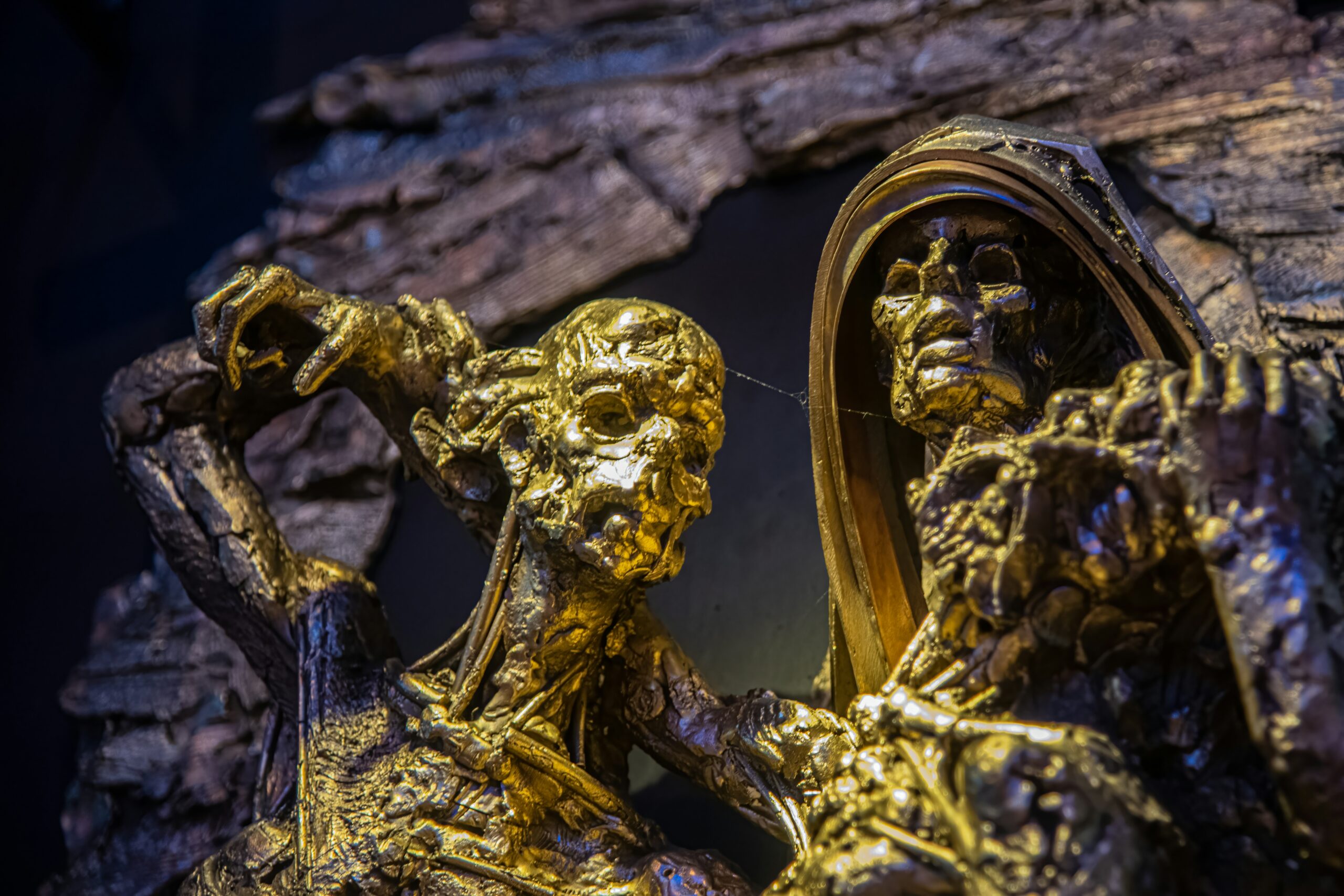
The story of Jamestown, the first permanent English settlement in North America, is often told through tales of hardship, survival, and the dawn of a new nation. Yet, beneath the layers of time and earth, the settlement continues to reveal its secrets, offering poignant glimpses into the lives and deaths of its earliest inhabitants. Among the most compelling discoveries are the remains of individuals buried within the earliest church structure, a testament to the intertwined nature of faith, community, and mortality in the fledgling colony. The unearthing of these 1608 church skeletons is not merely an archaeological event; it is a profound journey back to the very foundations of English America, a chance to connect with individuals whose lives were lived on the precipice of the unknown.
The discovery of the physical footprint of the first church at Jamestown in 2010 sent ripples of excitement through the historical and archaeological communities. This humble wooden structure, erected shortly after the colonists’ arrival in 1607, served as the spiritual heart of the nascent settlement. It was here that prayers were offered for survival, thanks were given for meager provisions, and the colonists grappled with the immense challenges of establishing a foothold in a foreign land. The church was more than just a place of worship; it was a focal point for the community, a space where shared anxieties and hopes were expressed, and where the dead were laid to rest in the hope of a heavenly repose.
The Dawn of a New Faith in a New World
The establishment of a church in Jamestown was a foundational act for the English settlers, reflecting their deeply held religious convictions and their desire to transplant English culture and societal norms to the New World. For King James I, the venture was partly a religious crusade, aimed at spreading Protestantism and counteracting the influence of Catholicism. The very act of building a church signaled an intention to stay, to create a lasting society based on English values, with religion playing a central role. The initial church was a simple, perhaps rudimentary, structure, likely built of timber and thatch, reflecting the limited resources and skilled labor available in the early years. Despite its simplicity, its presence was a powerful symbol of permanence and aspiration.
The discovery of skeletons in the church at Jamestown, dating back to 1608, has provided valuable insights into the early colonial life and the challenges faced by settlers in America. For those interested in exploring how historical events shape our understanding of modern issues, a related article discusses the militarization of the Moon’s South Pole, highlighting how past explorations influence current geopolitical strategies. You can read more about this intriguing connection in the article here: The Militarization of the Moon’s South Pole.
The Intertwined Nature of Life and Death in Early Jamestown
The early years of Jamestown were marked by extreme mortality. Disease, starvation, conflict with the Powhatan Confederacy, and harsh environmental conditions took a devastating toll. It is estimated that as many as 80% of the initial settlers perished within the first year. In such a precarious environment, death was a constant, ever-present reality. The church provided a sanctioned and communal space for dealing with this pervasive mortality. Burial within the church walls, or its immediate vicinity, was a mark of distinction and a testament to the hope for spiritual salvation. It implied a certain status within the community, whether
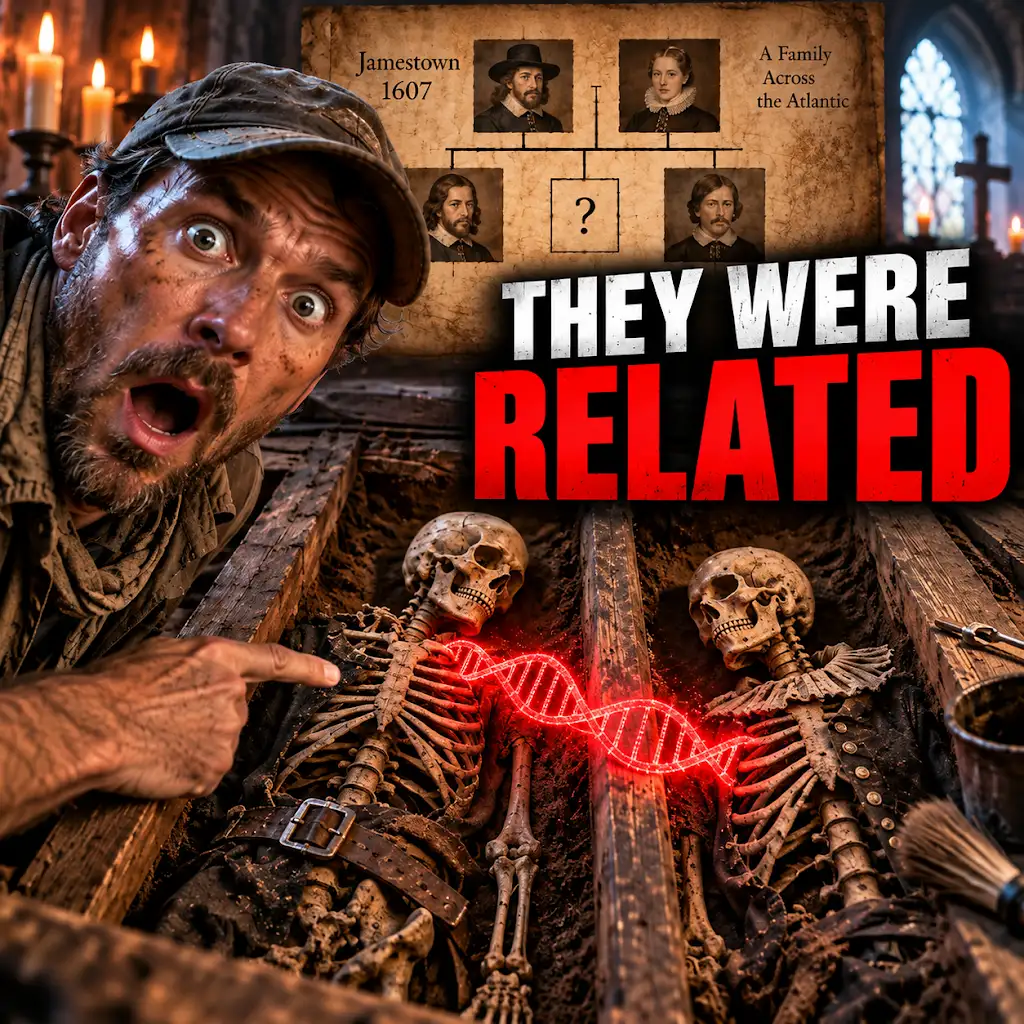
Jamestown DNA Revealed a Family Secret Hidden for 400 Years
FAQs
What is the significance of the Jamestown 1608 church skeletons?
The Jamestown 1608 church skeletons are significant because they provide valuable insights into the lives and deaths of the early settlers in Jamestown, Virginia.
How were the Jamestown 1608 church skeletons discovered?
The Jamestown 1608 church skeletons were discovered during an archaeological excavation at the site of the historic Jamestown church in Virginia.
What do the Jamestown 1608 church skeletons reveal about the early settlers?
The Jamestown 1608 church skeletons reveal information about the health, diet, and living conditions of the early settlers in Jamestown, as well as the challenges they faced.
What is the historical context of the Jamestown 1608 church skeletons?
The Jamestown 1608 church skeletons date back to the early 17th century, a time when Jamestown was the first permanent English settlement in North America.
How are the Jamestown 1608 church skeletons being studied?
The Jamestown 1608 church skeletons are being studied by archaeologists and anthropologists using various scientific techniques to learn more about the individuals buried there and the history of Jamestown.