The whispers of the past echo in the untouched corners of the Earth, remnants of civilizations that rose and fell, leaving behind a profound silence that beckons discovery. The documentary series, “Unearthing Lost Civilizations: Forgotten Civilizations,” endeavors to answer these silent calls, guiding viewers on a compelling journey through time and across continents to unearth the stories of societies that have slipped from the collective memory of humanity. Through meticulous research, cutting-edge archaeological techniques, and vivid storytelling, this remarkable series brings to light the ingenuity, struggles, and ultimate disappearance of cultures whose legacies are only now being painstakingly reconstructed from the dust of ages.
The human fascination with the unknown is a primal instinct, deeply embedded in our psyche. For many, it is the allure of mystery that draws them to the remnants of lost civilizations. These are not just historical footnotes; they represent untold stories, unanswered questions, and the tantalizing possibility of understanding different paths humanity has taken. “Unearthing Lost Civilizations” taps into this inherent curiosity, offering a window into worlds that once thrived, offering a profound perspective on our own place in the grand tapestry of human existence.
The Quest for Origins and Ancestry
At its core, the search for lost civilizations is a search for ourselves. Understanding where we came from, who our ancestors were, and the diverse trajectories of human development provides a crucial context for our present. These forgotten societies, with their unique social structures, belief systems, and technological advancements, reveal the incredible adaptability and creativity of humankind. They are testaments to the fact that our current world is not the only possible outcome of human civilization, and that many paths, now obscured, once flourished. The documentary series often begins by establishing this fundamental human drive to connect with our past, showcasing how the discovery of lost cities and artifacts can feel like uncovering fragments of our collective memory.
The Lessons from Decline and Fall
Beyond the romanticism of discovery, there is a pragmatic value in studying why civilizations collapse. The ruins of forgotten empires serve as enduring monuments to the impermanence of all human endeavors and the potential pitfalls of societal development. By examining the factors that led to the downfall of these ancient cultures, whether environmental degradation, internal conflict, or external pressures, we can glean invaluable lessons for our own time. The series frequently delves into these cautionary tales, illustrating how understanding past mistakes can inform present-day decisions and help avoid similar fates. This analytical approach to historical decline adds a layer of intellectual rigor to the documentary’s narrative, encouraging viewers to think critically about the sustainability and resilience of their own societies.
The Thrill of Empirical Discovery
For archaeologists and historians, the pursuit of lost civilizations is a scientific endeavor, driven by the thrill of empirical discovery. The painstaking process of excavation, deciphering ancient texts, and analyzing material remains is a testament to human perseverance and intellectual curiosity. “Unearthing Lost Civilizations” meticulously documents these scientific processes, making complex archaeological methods accessible and engaging for a general audience. From ground-penetrating radar to carbon dating, the series demystifies the tools and techniques used to bring the past to light, showcasing the dedication and ingenuity of the individuals involved. This presentation of the scientific method in action adds an element of suspense and intellectual satisfaction to each unearthed discovery.
In exploring the themes presented in the “Forgotten Civilizations” documentary, one can draw intriguing parallels with the article on private sector investment in building lunar infrastructure. This piece delves into how modern civilization is embarking on a new frontier, much like ancient societies that ventured into uncharted territories. The ambitious plans for lunar development echo the innovative spirit of past civilizations that sought to expand their horizons. For further insights, you can read the article here: Private Sector Investment in Building Lunar Infrastructure.
Decoding the Silence: The Art and Science of Archaeological Revelation
The process of uncovering a lost civilization is a intricate dance between meticulous fieldwork and sophisticated scientific analysis. The documentary series “Unearthing Lost Civilizations” excels at illustrating this multifaceted approach, taking viewers behind the scenes of groundbreaking archaeological expeditions. It’s a journey from the initial glimmers of a potential find to the painstaking reconstruction of a lost world.
The Footprints in the Soil: Identifying Potential Sites
The initial phase of discovering a lost civilization often involves identifying areas where evidence of past human habitation is likely to exist. This can range from anomalies detected through aerial surveys to local legends and historical accounts that hint at forgotten settlements. The documentary showcases how modern technology, such as satellite imagery and Lidar (Light Detection and Ranging), can reveal subtle topographic features hidden beneath dense vegetation or sand, indicating the presence of ancient structures.
Whispers of the Past: Oral Traditions and Written Clues
Often, the first clues to a lost civilization are not found in the ground but in the stories passed down through generations or in fragmented ancient texts. “Unearthing Lost Civilizations” highlights instances where indigenous knowledge and obscure historical documents have provided crucial starting points for archaeological investigations. These non-material sources, though sometimes dismissed, can contain invaluable insights into the location and nature of forgotten settlements. The series emphasizes the importance of collaboration between archaeologists and local communities, recognizing the deep wells of knowledge held within these groups.
The Digital Landscape: Remote Sensing and Geophysical Surveys
Modern archaeology relies heavily on remote sensing technologies. The documentary explains how techniques like Lidar can penetrate forest canopies to map ancient cities or agricultural systems. Similarly, ground-penetrating radar and magnetometry can detect buried features such as walls, pits, and roadways without disturbing the soil. This non-invasive approach allows for targeted excavations and a more efficient use of resources, minimizing damage to potentially fragile archaeological sites. The visual representations of these surveys, often transforming a seemingly unremarkable landscape into a detailed map of ancient activity, are particularly captivating.
Digging Deeper: The Excavation Process
Once a promising site is identified, the painstaking work of excavation begins. This is a highly controlled and methodical process, where layers of soil are meticulously removed to reveal the archaeological record.
Layer by Layer: Stratigraphy and Context
The documentary stresses the importance of stratigraphy, the study of layered deposits. Each layer represents a different period of time, and the objects found within them provide crucial contextual information. Archaeologists act like detectives, carefully documenting the precise location and depth of every artifact, feature, and soil change. This meticulous record-keeping is essential for interpreting the chronology and spatial relationships of the site. Without proper contextualization, artifacts are little more than interesting curiosities; with it, they become pieces of a larger historical puzzle.
Artifacts as Witnesses: Material Culture and Interpretation
The artifacts unearthed are the primary witnesses to the lives of the people who once inhabited a site. “Unearthing Lost Civilizations” showcases a diverse range of objects, from pottery shards and tools to intricate jewelry and monumental architecture. Each item, when analyzed by experts, offers insights into the daily lives, social practices, technological capabilities, and artistic expression of the civilization. The series illustrates the multidisciplinary nature of artifact analysis, involving specialists in metallurgy, ceramics, epigraphy, and more.
Beyond the Dig: Scientific Analysis and Reconstruction
The work does not end when the last artifact is lifted from the ground. The artifacts and remains are then subjected to rigorous scientific analysis to unlock their secrets.
Dating the Past: Radiocarbon and Other Chronological Methods
Determining the age of a site and its contents is crucial for understanding its place in history. The documentary explains the principles behind radiocarbon dating, a technique that measures the decay of carbon-14 isotopes in organic materials to determine their age. Other dating methods, such as dendrochronology (tree-ring dating) and thermoluminescence dating, are also discussed, showcasing the arsenal of scientific tools available to chronologically anchor these lost societies.
Deciphering the Symbols: Epigraphy and Linguistic Reconstruction
For civilizations that left behind written records, deciphering their languages is a monumental undertaking. “Unearthing Lost Civilizations” often features segments on the painstaking work of epigraphers and linguists who strive to decode ancient scripts. The discovery of a Rosetta Stone-like artifact, or the gradual decipherment of a previously unknown alphabet, is portrayed as a thrilling intellectual breakthrough, opening up vast new avenues of understanding about the civilization’s history, beliefs, and social structures.
Reconstructing Lives: Paleoanthropology and Bioarchaeology
The study of human remains provides direct insights into the lives, health, and even the diet of past populations. Paleoanthropologists and bioarchaeologists analyze skeletons to determine age, sex, disease patterns, and evidence of trauma. The documentary shows how these analyses can reveal facts about common ailments, dietary habits, and even the causes of death, painting a more intimate and human portrait of the forgotten people.
Echoes of Empire: Case Studies of Remarkable Lost Civilizations

The heart of “Unearthing Lost Civilizations: Forgotten Civilizations” lies in its in-depth exploration of specific ancient societies. Each episode typically focuses on one or more lost cultures, weaving together archaeological evidence, historical context, and compelling narratives to bring these forgotten worlds back to life.
The Sunken Cities of the Mediterranean: Atlantis and Beyond
The legend of Atlantis, a powerful island civilization that vanished beneath the waves, has captivated imaginations for centuries. While its existence remains speculative, the documentary explores the archaeological evidence and geological phenomena that might have inspired such myths. It also delves into the real-world discoveries of submerged ancient cities around the Mediterranean, revealing how rising sea levels and seismic activity have erased entire settlements from the map.
Myth or Memory? The Quest for Atlantis
The series often tackles the Atlantis legend by examining Plato’s original writings and contrasting them with scientific theories about its origins. It might explore potential sites like Santorini, where a catastrophic volcanic eruption buried the Minoan settlement of Akrotiri, or other areas potentially affected by tsunamis or geological shifts. The documentary aims to discern what elements of the legend might be rooted in historical events or natural disasters, separating myth from potential fact.
Submerged Legacies: The Underwater Archaeology of the Mediterranean
Beyond Atlantis, the documentary showcases the vibrant underwater archaeology scene in the Mediterranean. It features discoveries of ancient harbors, shipwrecks laden with treasures, and even entire city districts that have been claimed by the sea. These submerged sites offer unique preservation conditions, allowing for remarkably intact glimpses into maritime trade, naval warfare, and the daily lives of coastal communities. The challenges and triumphs of underwater excavation are vividly portrayed, highlighting the bravery and technical skill of marine archaeologists.
The Jungle Kingdoms: Empires of the Americas
The dense rainforests of Central and South America have long concealed the magnificent cities and intricate societies of civilizations like the Maya, Aztec, and Inca, and less widely known cultures. “Unearthing Lost Civilizations” frequently travels to these regions, employing advanced aerial mapping techniques to reveal sprawling urban complexes and sophisticated agricultural systems hidden beneath the thick canopy.
The Enigmatic Maya: Cities in the Jungle
The Maya civilization, known for its advanced writing system, complex calendar, and monumental architecture, is a recurring subject. The documentary explores the rise and fall of its city-states, the mysteries surrounding its eventual decline, and ongoing archaeological work that continues to uncover new insights into Maya society, religion, and scientific achievements. The intricate carvings and hieroglyphs are often featured, as experts attempt to unravel their meanings and the stories they tell.
The Legacy of the Inca: Andean Masters of Engineering
The Inca Empire, renowned for its vast road network, sophisticated terracing, and impressive stone masonry, is another focal point. The series ventures into the Andes Mountains to explore breathtaking sites like Machu Picchu, detailing the ingenuity of Inca engineering and their mastery of their challenging environment. It also examines the social and political structures that allowed for the creation of such a vast and organized empire.
Unveiling Lesser-Known American Civilizations
Beyond the most famous empires, the documentary also shines a light on lesser-known but equally fascinating civilizations of the Americas. This could include the Nazca people of Peru, famous for their enigmatic geoglyphs, or the Mississippian culture of North America, known for its impressive mound complexes. By showcasing these diverse societies, the series broadens our understanding of the rich tapestry of human civilization in the Americas.
Nomadic Empires and Desert Cities: The Peoples of the Middle East and Central Asia
The arid landscapes of the Middle East and Central Asia have been cradles of civilization for millennia, home to powerful empires and bustling trade routes that have long since faded from common knowledge. “Unearthing Lost Civilizations” ventures into these regions, revealing the remnants of ancient cities, the secrets of nomadic cultures, and the impact of trade and conflict on the rise and fall of these societies.
The Sands of Time: Lost Cities of the Arabian Peninsula
The Arabian Peninsula, often perceived as a pristine desert, was once home to thriving civilizations supported by sophisticated irrigation systems and lucrative trade networks. The documentary may explore sites like the ancient city of Petra, carved into sandstone cliffs, or delve into the history of kingdoms that controlled the incense trade routes, whose wealth and influence have largely been forgotten.
The Silk Road’s Shadows: Empires of Central Asia
Central Asia, the crossroads of ancient trade and cultural exchange, is another fertile ground for exploration. The series might uncover the remnants of Sogdian city-states that thrived along the Silk Road, revealing their artistic achievements, religious diversity, and the impact of empires like the Timurids. The vastness and harshness of the landscape often play a significant role in the narrative, highlighting the resilience of the peoples who inhabited these regions.
The Dawn of Agriculture: Mesopotamia and its Successors
The documentary may also revisit the foundational civilizations of Mesopotamia, the “cradle of civilization.” By examining the ruins of Sumerian cities, Babylonian ziggurats, and Assyrian palaces, it illustrates the development of writing, law, and early urbanism, and explores how these ancient innovations laid the groundwork for subsequent empires and societal structures across the region.
The Enduring Mysteries: Unanswered Questions and Future Discoveries
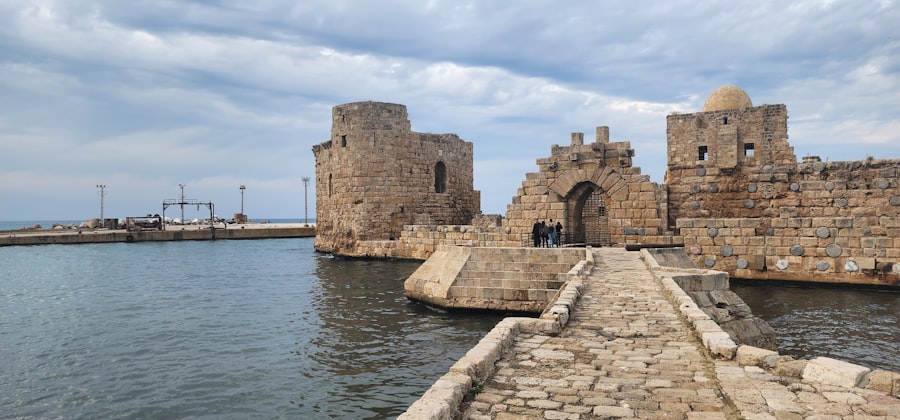
Despite the incredible advancements in archaeology and the compelling discoveries made throughout “Unearthing Lost Civilizations,” the series wisely acknowledges that many questions remain unanswered. The true beauty of archaeology lies in its perpetual unfolding, where each answered question often gives rise to several new ones.
The Great Vanishing: Why Did They Disappear?
One of the most enduring mysteries surrounding lost civilizations is the reason for their demise. While some collapses can be attributed to clear factors like invasion, natural disaster, or disease, many remain enigmatic. The documentary often leaves viewers pondering the complex interplay of environmental, social, economic, and political factors that could have led to the abandonment of once-thriving cities.
Environmental Catastrophe: Climate Change and Resource Depletion
The series frequently explores how environmental shifts, such as prolonged droughts, floods, or changes in temperature, might have played a role in the decline of civilizations. It also examines evidence of over-exploitation of natural resources, such as deforestation or soil degradation, and how these practices could have rendered entire regions unsustainable for habitation. The parallels drawn to modern environmental challenges can be particularly striking.
Societal Collapse: Internal Strife and Political Instability
Internal factors, such as social unrest, class conflict, political corruption, or civil war, are also presented as potential catalysts for collapse. The documentary might showcase evidence of fortifications, mass graves, or radical shifts in social hierarchy as indicators of internal decay. The fragility of even seemingly stable societies is a recurring theme.
The Unseen Enemy: Disease and Epidemics
The impact of disease, particularly in densely populated urban centers, is another area of exploration. While ancient medical records are scarce, analysis of human remains can reveal patterns of illness and potential epidemics that might have significantly weakened or decimated populations, leading to abandonment.
The Unwritten Chapters: Lost Knowledge and Untranslated Texts
Even with extensive discoveries, vast swathes of knowledge from lost civilizations remain inaccessible, locked away in untranslated texts or lost entirely. The documentary highlights the ongoing efforts to decipher ancient languages and the potential for future discoveries to unlock new understandings of their philosophies, sciences, and histories.
The Challenge of Decipherment: Unlocking Ancient Languages
The series often features segments on languages that are only partially understood or remain entirely undeciphered. The potential for a breakthrough in decipherment is portrayed with palpable excitement, as it could revolutionize our understanding of a culture. The tools and methodologies employed by linguists in this challenging endeavor are explained in detail.
The Hypothetical Future: What Else Lies Hidden?
The documentary concludes by emphasizing that the Earth still holds countless secrets. New technologies and ongoing archaeological exploration promise to unearth many more lost civilizations in the future. It inspires a sense of wonder and anticipation for what further revelations await, reminding viewers that the story of human history is far from complete.
The documentary on Forgotten Civilizations offers a fascinating glimpse into the lives and achievements of ancient societies that have long been overshadowed by history. For those interested in exploring this theme further, a related article titled “Uncovering Lost Ancient Technology” delves into the remarkable innovations of these civilizations and how they have influenced modern advancements. You can read more about it in this insightful piece here. This connection between past and present highlights the enduring legacy of human ingenuity.
The Enduring Legacy: Why These Stories Matter Today
| Civilization | Location | Time Period | Discoveries |
|---|---|---|---|
| Egyptian | Egypt | 3100 BC – 332 BC | Pyramids, Hieroglyphics |
| Mesopotamian | Iraq, Iran, Syria, Turkey | 3500 BC – 500 BC | Cuneiform writing, Ziggurats |
| Indus Valley | Pakistan, India | 3300 BC – 1300 BC | Urban planning, Sewer systems |
| Mayan | Mexico, Guatemala, Belize | 2000 BC – 1697 AD | Pyramids, Calendar system |
“Unearthing Lost Civilizations: Forgotten Civilizations” is more than just a historical exploration; it is a vital reminder of our shared human heritage and the profound interconnectedness of past, present, and future. The stories of these forgotten societies offer not only lessons from the past but also inspiration and a deeper understanding of the human condition.
Understanding the Human Tapestry: Diversity and Commonality
By showcasing the vast diversity of human societies that have existed throughout history, the documentary underscores the incredible adaptability and creativity of humankind. At the same time, it highlights common threads that bind us together – the universal need for community, belief, and meaning. These forgotten civilizations reveal that despite cultural differences, fundamental human experiences have remained remarkably consistent.
Preserving Our Heritage: The Responsibility to Learn and Protect
The series implicitly argues for the importance of archaeological preservation. The destruction of ancient sites, whether through neglect, development, or conflict, represents an irreversible loss of invaluable historical and cultural knowledge. “Unearthing Lost Civilizations” serves as a powerful advocate for the protection of these fragile remnants of our past.
Inspiring Future Generations: The Call to Exploration and Discovery
Ultimately, “Unearthing Lost Civilizations” ignites a spark of curiosity and a passion for discovery. It showcases the transformative power of archaeology and historical research, inspiring viewers to engage with the past, ask critical questions, and perhaps even contribute to the ongoing quest to understand our shared human story. The documentary leaves a powerful impression: that the past is not dead, but a living, breathing source of knowledge and wonder, waiting to be uneartherd.

The Forgotten World Beneath the North Sea
FAQs
What is the Forgotten Civilizations documentary about?
The Forgotten Civilizations documentary explores ancient civilizations that have been largely overlooked or forgotten in mainstream historical narratives. It delves into the history, culture, and achievements of these civilizations, shedding light on their significance and impact on the world.
Which civilizations are featured in the documentary?
The documentary features a diverse range of civilizations from different parts of the world, including but not limited to the Indus Valley Civilization, the Mesoamerican civilizations, the ancient African civilizations, and the civilizations of Southeast Asia.
What makes these civilizations “forgotten”?
These civilizations are considered “forgotten” because they are often overshadowed by more well-known ancient civilizations such as the Egyptians, Greeks, and Romans. Their contributions to human history and development have been overlooked or downplayed in traditional historical narratives.
What can viewers expect to learn from the documentary?
Viewers can expect to gain a deeper understanding of the rich and diverse tapestry of human history, as well as an appreciation for the often overlooked contributions of these forgotten civilizations to art, architecture, science, and culture.
Where can the Forgotten Civilizations documentary be viewed?
The documentary may be available for viewing on various streaming platforms, as well as through educational institutions, museums, and cultural organizations. Viewers can check with their local libraries or online streaming services for availability.