
The flickering candlelight illuminated the dust motes dancing in the air, a tangible representation of time and forgotten eras. The documentary, “Unearthing Lost History: Archaeology’s Enduring Quest,” was not merely a collection of facts and figures; it was an immersive journey into the very fabric of human existence, a testament to the relentless human drive to understand our origins and the stories etched into the earth. Through breathtaking cinematography and the passionate narration of seasoned archaeologists, viewers were transported across continents and millennia, witnessing the meticulous excavation of sites that had lain dormant for centuries, their secrets patiently awaiting discovery.
Archaeology, at its core, is the study of the human past through material remains. It is the tangible link to our ancestors, providing a window into their lives, their beliefs, their triumphs, and their failures. In a world increasingly defined by the ephemeral nature of digital information, the physical artifacts unearthed by archaeologists offer a grounded, enduring connection to our collective memory. The documentary deftly illustrated this fundamental importance, moving beyond the sensationalism of treasure hunting to emphasize the profound scholarly and cultural significance of archaeological research.
Bridging the Chasm of Time
The human experience, though vastly different across time and culture, shares fundamental threads. Archaeology allows us to trace these threads, to see how early humans adapted to their environments, how societies formed and evolved, and how the seeds of our present-day world were sown. The documentary showcased how understanding ancient agricultural practices informs modern sustainability efforts, or how deciphering ancient trade routes sheds light on contemporary global interconnectedness. It is a constant dialogue between the past and the present, enriching our understanding of both.
The Silent Witnesses: Artifacts as Storytellers
Each shard of pottery, each chipped flint tool, each crumbling edifice, is a silent witness to a bygone era. Archaeologists are trained to listen to these silent stories, to interpret the nuances of their construction, their material composition, and their spatial context. The documentary highlighted the painstaking process of artifact analysis, from microscopic examination of wear patterns on a stone axe to the complex chemical analysis of ancient pigments. These objects, seemingly insignificant to the untrained eye, become powerful narrative devices in the hands of an archaeologist, revealing the daily lives, artistic expressions, and technological capabilities of ancient peoples.
Preserving Our Collective Heritage
Beyond academic pursuit, archaeology plays a crucial role in preserving our shared human heritage. Many of the sites and artifacts featured in the documentary are vulnerable to the ravages of time, natural disasters, and human intervention. Archaeological fieldwork not only unearths these treasures but also initiates their conservation, ensuring that future generations can continue to learn from them. The film underscored the ethical responsibilities inherent in archaeology, the delicate balance between excavation and preservation, and the importance of respecting the cultural integrity of discovered sites.
In the fascinating realm of lost history and archaeology, the documentary “Lost Civilizations: Unearthing the Past” delves into the mysteries of ancient societies and their remarkable achievements. For those interested in understanding how ancient cultures adapted to their environments, a related article titled “Mastering Ancient Climate Control: Sophisticated Techniques for Environmental Regulation” provides insightful perspectives on the advanced methods used by civilizations to manage their surroundings. You can explore this intriguing topic further by visiting the article here: Mastering Ancient Climate Control.
Whispers from the Earth: The Process of Discovery
The documentary offered a captivating glimpse into the rigorous and often arduous process of archaeological fieldwork. It dispelled romanticized notions of effortless digging, instead revealing a methodical, scientific endeavor that demands patience, precision, and a profound understanding of geological and historical contexts. The camera followed teams on remote dig sites, their faces etched with concentration and the sun, meticulously brushing away layers of earth that had accumulated over centuries.
The Art and Science of Excavation
Excavation is not simply about digging; it is a controlled dismantling of the past. Archaeologists employ a variety of techniques, from broad area excavations to more targeted trenching, depending on the nature of the site and the research questions being asked. The documentary emphasized the importance of meticulous documentation – every artifact found, every soil layer identified, every structural feature recorded – is crucial for reconstructing the site’s history. The use of advanced technologies, such as ground-penetrating radar and drone imagery, was also showcased, demonstrating how modern science enhances traditional archaeological methods.
Stratigraphy: Reading the Layers of Time
One of the fundamental principles of archaeology is stratigraphy, the study of the superimposed layers of soil and debris. Each layer represents a distinct period of deposition, with the oldest layers at the bottom and the youngest at the top. The documentary provided clear explanations and visual aids to illustrate this concept, showing how archaeologists meticulously record the sequence of these layers. This understanding of stratigraphy is essential for establishing the chronological order of events and understanding the development of a site over time.
Context is King: The Significance of Location
The documentary repeatedly stressed the axiom “context is king” in archaeology. An artifact’s significance is not solely determined by its intrinsic value but by its association with other artifacts, features, and its precise location within the excavation. A pottery shard found in association with tools of a particular period, for example, helps to date both the shard and the tools. The film illustrated this through compelling examples, showing how the careful mapping and recording of every find allows for the reconstruction of activities and relationships within an ancient settlement.
The Analytical Labyrinth: From Field to Lab
Once artifacts are carefully excavated and documented, the work continues in the laboratory. This is where the real detective work begins, transforming raw finds into meaningful data. The documentary followed archaeologists and specialists as they meticulously cleaned, cataloged, and analyzed their discoveries, revealing the intricate scientific processes involved.
Dating the Past: Radiocarbon and Beyond
Accurate dating is paramount in archaeology, and the documentary explored various scientific methods employed. Radiocarbon dating, a cornerstone technique for organic materials, was explained in detail, along with its limitations. Other methods, such as dendrochronology (tree-ring dating) and thermoluminescence dating (for pottery and burnt flint), were also presented, showcasing the diverse toolkit available to archaeologists to establish timelines.
Material Culture: Decoding Daily Life
The analysis of material culture – the objects created and used by humans – provides invaluable insights into the lives of past populations. The documentary showcased experts examining stone tools for evidence of manufacturing techniques and use wear, analyzing pottery for its composition and decorative styles to understand trade networks and cultural affiliations, and even studying ancient textiles for clues about clothing and weaving practices.
Bioarchaeology: The Human Element
A significant portion of the documentary was dedicated to bioarchaeology, the study of human remains and their associated environmental context. This included the examination of skeletal remains for evidence of diet, disease, trauma, and migration patterns. The documentary also featured paleobotanists and zooarchaeologists, who analyze ancient plant and animal remains to reconstruct past environments, agricultural practices, and the human diet.
Echoes of Empires: Unveiling Monumental Discoveries
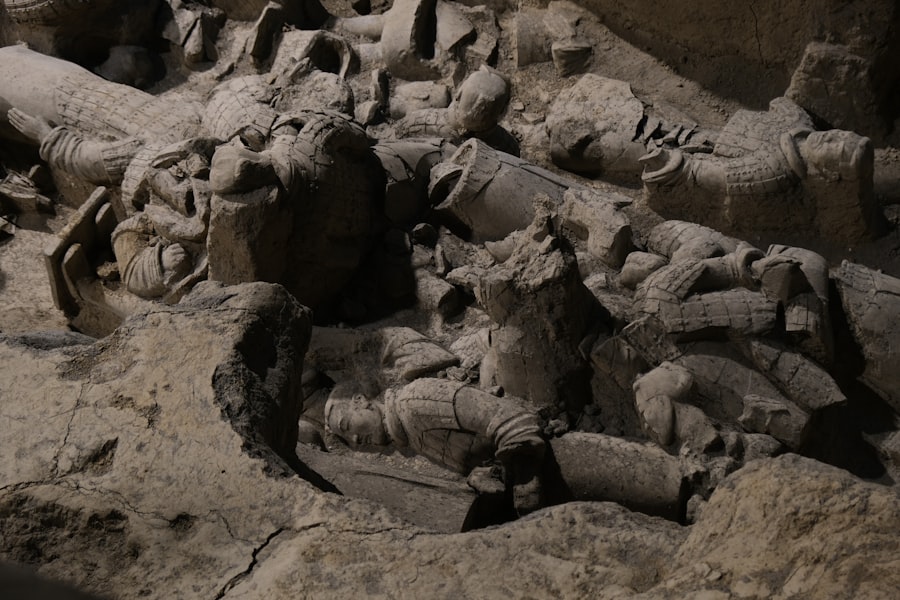
The documentary’s most visually striking sequences focused on the excavation of grand, awe-inspiring sites that once held immense power and cultural significance. These were not mere settlements; they were the testaments to human ambition, ingenuity, and the rise and fall of civilizations. The scale of these projects, and the sheer dedication required to unearth them, left viewers humbled.
The Pyramids of Egypt: Enduring Mysteries
The program dedicated considerable time to the ongoing archaeological work at the pyramids of Egypt. It went beyond the familiar tourist imagery, delving into the meticulous surveying and excavation around these colossal structures. The documentary explored theories about their construction, the lives of the laborers, and the sophisticated understanding of astronomy and engineering possessed by the ancient Egyptians.
The Pharaohs’ Final Resting Places
The excavation of royal tombs, filled with sarcophagi, intricate hieroglyphs, and precious grave goods, offered a profound connection to the rulers of ancient Egypt. The documentary highlighted how these discoveries continue to rewrite our understanding of dynastic succession, religious beliefs, and the political landscape of the time. The careful cataloging and preservation of these artifacts are crucial for safeguarding this unparalleled legacy.
Beyond the Pyramids: Unearthing Daily Life
While the pyramids are iconic, the documentary also emphasized the importance of unearthing the settlements and workplaces of the ancient Egyptians. Excavations of workers’ villages and industrial areas provided a more nuanced picture of daily life, revealing the complex social structures and economic systems that supported the monumental construction projects.
The Lost Cities of Mesoamerica: Civilizations in the Jungle
The exploration of lost cities in Mesoamerica, such as those of the Maya and Aztec civilizations, provided a stark contrast to the arid landscapes of Egypt. The documentary showcased the challenges of excavating in dense jungle environments, where nature has reclaimed much of what was once a thriving urban landscape.
The Power of the Maya: Astronomy, Art, and Writing
The Maya civilization, with its sophisticated calendar system, intricate hieroglyphic writing, and monumental architecture, was a particular focus. The documentary highlighted recent breakthroughs in deciphering Maya glyphs, which have unlocked vast amounts of information about their history, their rulers, and their complex cosmological beliefs. The exploration of newly discovered Maya cities provided further evidence of their advanced civilization.
The Aztec Empire: Temples, Markets, and Sacrifice
The Aztec capital of Tenochtitlan, now beneath the bustling streets of Mexico City, was brought to life through archaeological findings. The documentary showcased the ongoing excavations of the Templo Mayor, revealing the layers of ritual and sacrifice that characterized Aztec religious practice. The analysis of artifacts from their extensive markets provided insights into their vast trade networks and economic prowess.
Roman Legacies: Paving the Roads of Civilization
The enduring influence of the Roman Empire was evident in numerous archaeological sites featured. From the well-preserved ruins of Pompeii and Herculaneum to the remnants of Roman infrastructure across Europe and North Africa, the documentary underscored their lasting impact on law, language, engineering, and urban planning.
Daily Life in Roman Cities: A Glimpse into the Past
The excavation of Roman cities provided an unparalleled opportunity to glimpse into the daily lives of ordinary citizens. The documentary showcased the remains of homes, shops, public baths, and theaters, offering a tangible understanding of Roman society, their leisure activities, and their economic structures. The preservation of frescoes and mosaics provided vibrant insights into their artistic sensibilities.
The Extent of an Empire: Roads, Forts, and Ports
The documentary also explored the archaeological evidence of Rome’s vast territorial expansion. The remains of Roman roads, fortifications, and ports across the empire demonstrated their logistical capabilities and their strategic control of trade routes and military frontiers. These discoveries shed light on the challenges of maintaining such a vast dominion.
The Human Story: Archaeology and Our Ancestors
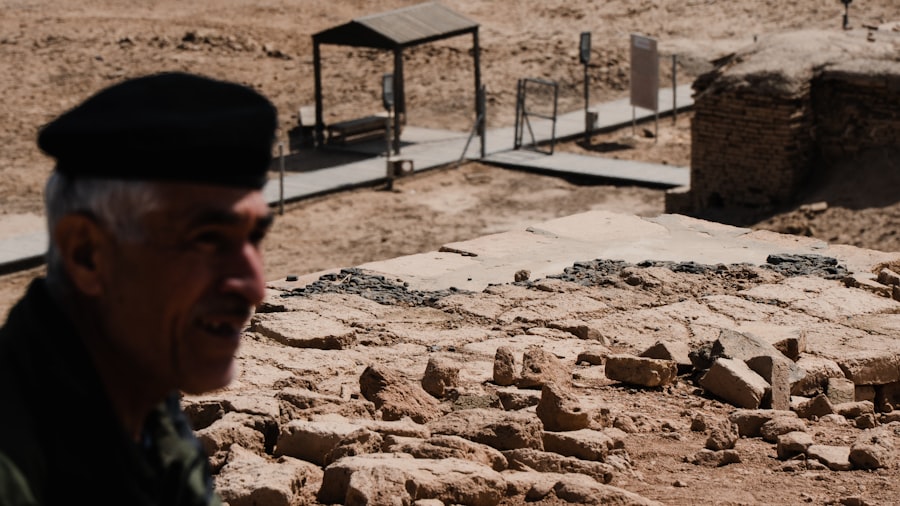
Beyond the grand empires and monumental structures, “Unearthing Lost History” also delved into the more intimate aspects of the human story. It explored the lives of our earliest ancestors, tracing the evolution of our species and the development of the fundamental behaviors that define us as humans.
The Dawn of Humanity: Early Hominin Sites
The documentary ventured to Africa, the cradle of humankind, to explore sites that have yielded crucial evidence of early hominin evolution. The meticulous excavation of fossil beds and the discovery of early stone tools provided a tangible connection to our ancient ancestors, Homo habilis and Homo erectus.
Fossil Footprints: Tracing Our Evolutionary Path
The discovery of fossilized remains, such as Lucy, an Australopithecus afarensis, provided crucial evidence for the evolutionary journey of bipedalism. The documentary explained how these discoveries, meticulously studied by paleoanthropologists, have transformed our understanding of human origins and our place in the tree of life.
The First Tools: Innovation and Adaptation
The earliest stone tools, found at sites dating back millions of years, represent a pivotal moment in human evolution. The documentary showcased the analysis of these tools, revealing the ingenuity and adaptive capabilities of our early ancestors. These simple implements were the foundation of technological development.
The Neolithic Revolution: Agriculture and the Rise of Settlements
The transition from nomadic hunter-gatherer lifestyles to settled agricultural communities, known as the Neolithic Revolution, was a fundamental turning point in human history. The documentary explored early agricultural sites, revealing the domestication of plants and animals and the development of permanent settlements.
The Birth of Farming: Cultivating the Land
Archaeological evidence from sites like Çatalhöyük in Turkey provided a fascinating glimpse into the early days of agriculture. The documentary showcased the analysis of ancient seeds and pollen, revealing the cultivation of crops like wheat and barley, and the profound impact this had on human society.
The Emergence of Villages: Social Structures and Early Art
The development of permanent settlements led to the formation of villages and the emergence of more complex social structures. The documentary explored the remains of early dwellings, communal spaces, and the earliest forms of art, such as pottery decoration and cave paintings, which offer insights into their beliefs and social organization.
The Bronze and Iron Ages: Metallurgy and Societal Transformation
The advent of metallurgy, particularly the mastery of bronze and later iron, had a transformative impact on human societies. The documentary explored archaeological sites that revealed the development of smelting techniques and the creation of sophisticated metal tools and weapons.
The Rise of Metalworkers: Craftsmanship and Trade
The discovery of ancient foundries and workshops provided evidence of the skilled metalworkers who shaped these new materials. The documentary highlighted how the control and distribution of metals, particularly bronze, fueled trade networks and contributed to the rise of complex societies and early states.
Warfare and Innovation: The Impact of Iron
The introduction of iron, a more accessible and durable metal than bronze, further revolutionized human technology and warfare. The documentary showcased how the widespread adoption of iron tools and weapons led to significant societal changes, including increased agricultural productivity and the development of more effective military strategies.
In the fascinating realm of lost history, archaeology documentaries often uncover remarkable insights into our past, revealing stories that have long been buried. A compelling article that complements this theme discusses the intriguing question of whether the moon could be considered a sovereign territory. This exploration not only delves into the legal implications of space exploration but also touches on humanity’s quest to understand our place in the universe. For more on this thought-provoking topic, you can read the article here: is the moon a sovereign territory.
The Future of the Past: Technology and Ethics in Archaeology
| Documentary Title | Release Year | Duration | Archaeological Sites Explored |
|---|---|---|---|
| Lost History: The Secrets of Archaeology | 2019 | 60 minutes | Pyramids of Egypt, Machu Picchu, Pompeii |
| Unearthing Ancient Mysteries | 2020 | 45 minutes | Tomb of King Tut, Stonehenge, Petra |
| Lost Worlds: The Story of Archaeology | 2018 | 90 minutes | Gobekli Tepe, Angkor Wat, Chichen Itza |
The documentary concluded by looking towards the future of archaeology, highlighting the exciting advancements in technology that are revolutionizing the field and the ongoing ethical considerations that guide its practice. The interplay of innovation and responsibility was presented as the key to unlocking further historical understanding.
Digital Archaeology: Revolutionizing Discovery and Preservation
The increasing integration of digital technologies in archaeology was a central theme. The documentary showcased the use of 3D scanning and photogrammetry to create incredibly detailed digital models of sites and artifacts, allowing for virtual exploration and preservation. Geographic Information Systems (GIS) were also highlighted as essential tools for analyzing spatial data and understanding the landscape context of ancient settlements.
Virtual Excavations: Exploring the Past Digitally
The ability to create virtual reconstructions of ancient sites offers a powerful new way to engage with history. The documentary demonstrated how these digital models can be used for research, education, and public outreach, allowing people from around the world to experience historical sites that might otherwise be inaccessible.
Data Management and Accessibility: A Global Archive
The vast amounts of data generated by archaeological projects are now being managed and shared through digital databases and open-access platforms. This facilitates collaboration among researchers globally and ensures that this valuable information remains accessible for future generations, fostering a more inclusive and collaborative approach to historical research.
Ethical Considerations: Respect, Repatriation, and Responsibility
The documentary did not shy away from the complex ethical challenges that archaeologists face. The importance of respecting the cultural heritage of indigenous communities and the ongoing debates surrounding the repatriation of artifacts were discussed with sensitivity and nuance.
Collaborative Archaeology: Working with Descendant Communities
Modern archaeology increasingly emphasizes collaboration with descendant communities. The documentary showcased projects where archaeologists work closely with local populations, respecting their traditions and incorporating their knowledge into the research process. This ensures that the past is interpreted in a way that is meaningful and beneficial to all stakeholders.
The Question of Ownership: Repatriation and Cultural Rights
The controversial issue of artifact ownership and repatriation was explored through real-world examples. The documentary highlighted the arguments for returning cultural artifacts to their countries or communities of origin, recognizing the profound cultural and spiritual significance they hold, and the ongoing efforts to resolve these complex historical injustices.
Looking Ahead: New Frontiers and Unanswered Questions
As the documentary drew to a close, it left the viewer with a sense of awe at the vastness of what has been discovered and an even greater anticipation for what is yet to be unearthed. The ongoing exploration of underwater archaeology, the study of micro-archaeology, and the application of advanced forensic techniques to ancient remains all point to a future filled with exciting possibilities. The quest to understand our past is an endless endeavor, a testament to the enduring curiosity and intellectual spirit of humanity, a story etched not only in stone and bone but also in the very fabric of our collective consciousness. The echoes of lost history, once silenced by time, are now being heard again, thanks to the tireless dedication of those who unearth them.
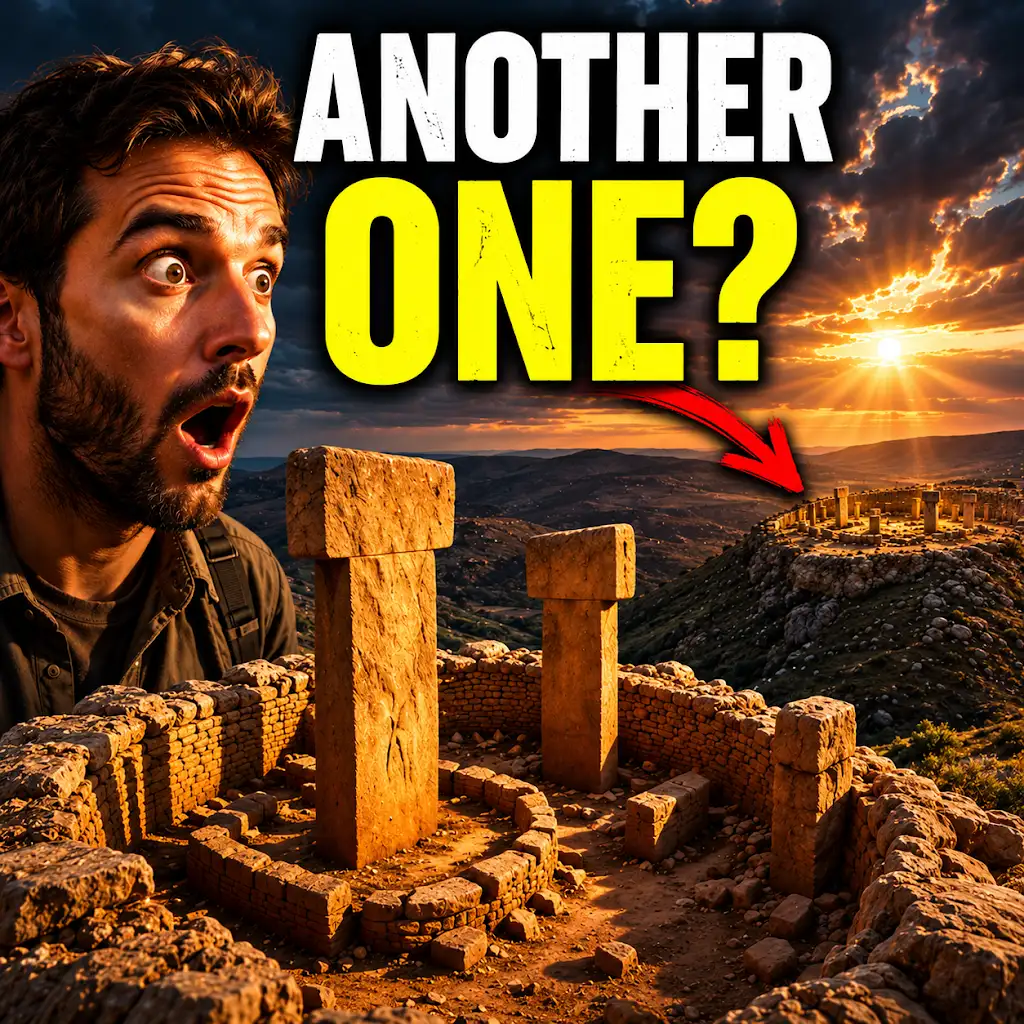
The World Beyond Göbekli Tepe Is Far Bigger Than We Thought
FAQs
What is the Lost History Archaeology Documentary about?
The Lost History Archaeology Documentary is a film that explores the uncovering of ancient civilizations, artifacts, and historical sites through archaeological research and excavation.
Who is the target audience for the Lost History Archaeology Documentary?
The target audience for the Lost History Archaeology Documentary includes history enthusiasts, archaeology buffs, students, and anyone interested in learning about ancient civilizations and the methods used to uncover their history.
What are some of the key discoveries featured in the Lost History Archaeology Documentary?
The documentary showcases key discoveries such as ancient cities, temples, artifacts, and cultural practices that provide insights into the lives of past civilizations. These discoveries often shed light on previously unknown aspects of history.
How does the Lost History Archaeology Documentary contribute to our understanding of the past?
The documentary contributes to our understanding of the past by presenting the latest archaeological findings and interpretations, which help to piece together the puzzle of ancient civilizations and their contributions to human history.
Where can one watch the Lost History Archaeology Documentary?
The Lost History Archaeology Documentary may be available for streaming on various platforms, such as online video services, educational websites, and through DVD or Blu-ray purchases. Viewers can check with their local libraries, educational institutions, or online retailers for availability.