Unearthing Prehistoric History: A Fascinating Documentary
The allure of the ancient past, the whispers of creatures that roamed the Earth millions of years before humanity’s dawn, has always captivated the human imagination. From the awe-inspiring scale of dinosaurs to the subtle adaptations of early mammals, the story of prehistoric life is a grand tapestry woven with threads of evolution, survival, and extinction. A recent documentary, “Unearthing Prehistoric History,” dives headfirst into this captivating realm, offering viewers an unprecedented journey through the epochs that shaped our planet. This ambitious production eschews sensationalism for scientific rigor, blending cutting-edge CGI with the insights of leading paleontologists and geologists to paint a vivid and compelling picture of life’s distant past.
The documentary’s strength lies in its comprehensive approach, moving chronologically through major periods of Earth’s history. It doesn’t just present impressive fossils; it contextualizes them within their environments, explaining the geological forces that created the landscapes and the ecological pressures that drove evolutionary innovation. The narrative is not just about what lived but how and why they lived, offering a profound understanding of the interconnectedness of life and the planet.
This article will delve into the key themes and segments of “Unearthing Prehistoric History,” exploring its meticulous research, innovative visual storytelling, and the crucial scientific contributions it highlights. The documentary serves as both an educational tool and a profound reminder of the deep time that underpins our existence, a journey that is as enlightening as it is humbling.
“Unearthing Prehistoric History” begins its epic narrative at the very genesis of our planet, tackling the often-overlooked, yet foundational, Hadean and Archean eons. These periods, stretching back over four billion years, are a testament to Earth’s fiery birth and the slow, persistent emergence of the very foundations of life.
A Molten Cradle: The Hadean Eon
The documentary opens with a stark, yet beautiful, depiction of the Hadean Earth. It’s a world of intense volcanic activity, asteroid bombardment, and a suffocating atmosphere. The visual effects are breathtaking, showcasing the violent ballet of molten rock and the constant barrage from space that characterized this initial phase. Scientists featured in the film explain that this was not a barren void, but a crucible where the essential ingredients for life were being forged.
The Violent Birth of the Planet
The Hadean eon is often referred to as Earth’s “hellish” period, and the documentary doesn’t shy away from this dramatic nomenclature. It illustrates the cataclysmic events that shaped the planet’s surface, including the giant impact hypothesis, which posits that a Mars-sized protoplanet, known as Theia, collided with early Earth, forming the Moon. The filmmakers use sophisticated simulations to bring these monumental impacts to life, emphasizing the sheer scale of energy involved and the profound consequences for planetary formation. This raw, untamed world, while seemingly inimical to life as we know it, was paradoxically crucial for setting the stage for its eventual emergence.
The Genesis of Oceans and Atmosphere
Despite the turmoil, the Hadean eon also witnessed the formation of Earth’s early oceans and atmosphere. The documentary explores how water, likely delivered by comets and asteroids, began to accumulate on the cooling surface. The early atmosphere, however, was vastly different from today’s, dominated by gases like carbon dioxide and methane, and lacking free oxygen. The scientists in the film discuss the chemical processes that were occurring, hinting at the complex prebiotic chemistry that was slowly at work, laying the groundwork for the first simple organic molecules. They explain that understanding this period is crucial for comprehending not just Earth’s history, but also the potential for life on other planets.
The Emergence of the First Cells: The Archean Eon
Moving into the Archean eon, approximately 4 to 2.5 billion years ago, the documentary shifts its focus to the truly groundbreaking event: the appearance of life. The visuals transition from raging infernos to the primordial soup of shallow seas and hydrothermal vents, where the first microscopic organisms took hold.
The Stromatolites: Ancient Testimony to Life
A significant portion of this segment is dedicated to stromatolites, layered sedimentary rocks formed by the growth of cyanobacteria. The filmmakers journey to ancient stromatolite formations, showing viewers these living fossils and explaining their profound significance. These structures, some of the oldest evidence of life on Earth, serve as tangible proof that even in the most challenging environments, life found a way. The documentary highlights the cooperative efforts of geologists and biologists in studying these formations, unraveling the metabolic processes of these ancient microbes and their role in shaping Earth’s early chemistry.
Oxygen: A Revolutionary Byproduct
Perhaps the most revolutionary development of the Archean eon, and a central theme of this part of the documentary, is the rise of oxygenic photosynthesis. The film vividly illustrates how cyanobacteria, through this remarkable process, began to convert sunlight and carbon dioxide into energy, releasing oxygen as a waste product. This led to the gradual accumulation of oxygen in the atmosphere, a profound environmental shift that would ultimately pave the way for more complex life forms. The documentary doesn’t just present this as a scientific fact; it uses engaging animations to show the ecological impact of this oxygen revolution, underscoring its role as a turning point in Earth’s history.
In exploring the complexities of prehistoric history, one can gain further insights by examining the article “Power and Knowledge: How Ancient Elites Controlled Information” found at this link. This article delves into the ways in which early societies structured power dynamics and managed knowledge, shedding light on the role of elites in shaping historical narratives. Such themes are crucial for understanding the development of social hierarchies and the dissemination of information in prehistoric cultures, making it a valuable companion to any documentary focused on this fascinating era.
The Age of Giant Life: The Paleozoic Era
From the microscopic to the monumental, “Unearthing Prehistoric History” then plunges into the Paleozoic Era, a vast stretch of geological time, roughly 541 to 252 million years ago, characterized by the explosion of biodiversity and the rise of macroscopic life forms.
The Cambrian Explosion: A Biodiversity Boom
The Cambrian period, the initial chapter of the Paleozoic, is famously known for the “Cambrian Explosion,” a period of remarkably rapid diversification of animal life. The documentary brings this event to life with stunning CGI, showcasing the bizarre and wonderful creatures that dominated the shallow seas.
The Burgess Shale and Beyond
The film highlights the importance of fossil sites like the Burgess Shale in Canada, which preserve an extraordinary snapshot of Cambrian life. Viewers are treated to reconstructions of enigmatic creatures like Anomalocaris, a fearsome apex predator, and Hallucigenia, a creature with a name as peculiar as its appearance. The scientists explain the evolutionary arms race that likely spurred this rapid diversification, with new predators driving the evolution of new defenses and vice versa. The documentary emphasizes how these fossils, once puzzling, are now being understood through advanced imaging techniques and comparative anatomy, offering insights into the fundamental body plans that would characterize the animal kingdom for eons to come.
The Colonization of Land
The Paleozoic wasn’t just about the oceans; it was also about the monumental conquest of land. The documentary meticulously details the evolutionary journey of plants and animals from water to terrestrial environments.
The First Steps onto Dry Land
The filmmakers show the challenges faced by early amphibians and arthropods as they ventured onto dry land. They explain the physiological adaptations required, such as the development of lungs, limbs, and methods to prevent desiccation. The visuals depict ancient forests teeming with giant insects and the earliest tetrapods exploring marshy landscapes. This transition was not a single event but a series of incremental adaptations over millions of years, driven by the need for new resources and the avoidance of aquatic predators.
The Rise of Vast Forests
The Silurian and Devonian periods saw the emergence of vast forests. The documentary uses impressive visualizations to depict the alien landscapes, with towering fern-like plants, horsetails, and early trees dominating the terrain. The scientists discuss the impact of these early plant communities on the global climate and atmosphere, noting their role in further oxygenating the air and drawing down carbon dioxide. The scale of these ancient forests, and the sheer biomass they represented, is a testament to the power of terrestrial colonization.
The Age of Sharks and Amphibians: The Carboniferous and Permian
The latter half of the Paleozoic, particularly the Carboniferous and Permian periods, is a focus of intense scientific fascination, due to its unique ecological conditions and the profound evolutionary shifts it witnessed.
The Carboniferous Rainforest Collapse
The Carboniferous period is famous for its extensive coal swamps, which formed the vast coal deposits we rely on today. The documentary depicts these lush, humid environments, teeming with giant dragonflies and early amphibians. However, it also addresses the dramatic “Carboniferous Rainforest Collapse,” a period of aridification that led to a significant shift in plant life and animal communities. The filmmakers use geological evidence and climate modeling to explain the complex interplay of factors that contributed to this collapse, including changes in continental configuration and sea level.
The Permian Extinction: The Great Dying
The Paleozoic ends with the most devastating extinction event in Earth’s history: the Permian-Triassic extinction, often dubbed “The Great Dying.” The documentary dedicates a significant segment to this cataclysmic event, exploring its potential causes and its profound impact on life.
Siberian Traps and Volcanic Fury
A leading hypothesis for the Permian extinction is massive volcanism in the Siberian Traps. The film uses powerful imagery to depict the sheer scale of these volcanic eruptions, which spewed colossal amounts of greenhouse gases and other toxic substances into the atmosphere. The scientists explain how this led to rapid global warming, ocean acidification, and widespread anoxia, creating an environment where most life could not survive. The documentary underscores the fragility of ecosystems and the devastating consequences of unchecked geological forces.
The Long Road to Recovery
The aftermath of the Permian extinction is presented as a stark reminder of the slow and arduous process of recovery. The documentary shows a dramatically depopulated planet, with only a fraction of species surviving. The scientists explain the long evolutionary bottleneck that followed, emphasizing that it took millions of years for life to regain the complexity and diversity it had before the extinction. This segment serves as a sobering lesson on the resilience of life, but also its vulnerability.
Eras of Giants and Evolution: The Mesozoic Era
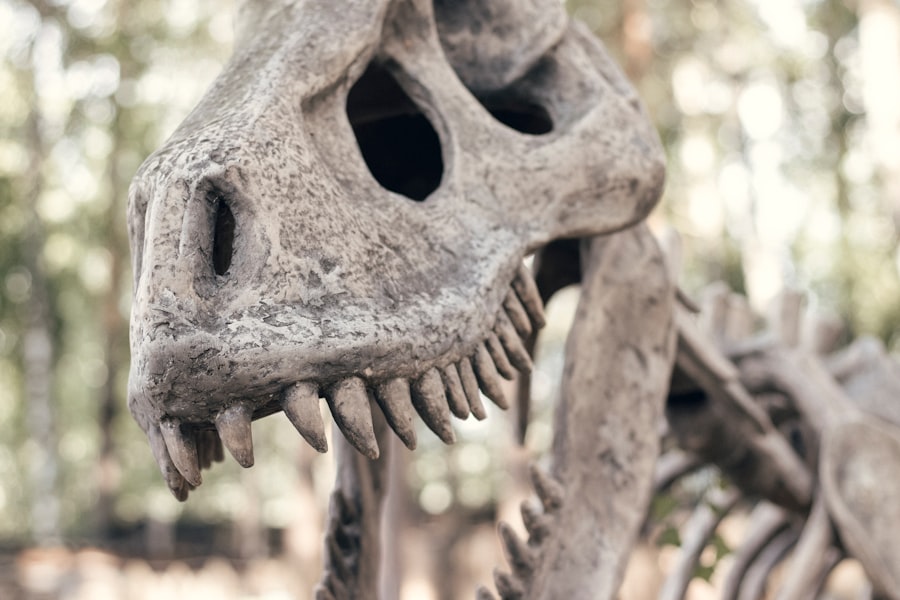
Following the immense reset of the Permian extinction, the Mesozoic Era, often called the “Age of Reptiles,” arrived, and “Unearthing Prehistoric History” embarks on a spectacular journey through the reign of dinosaurs. This era, spanning from approximately 252 to 66 million years ago, witnessed the evolution of an astonishing array of terrestrial and marine reptiles, alongside the emergence of early mammals and birds.
In exploring the fascinating world of prehistoric history, one might find it intriguing to delve into the connections between ancient civilizations and their environments. A related article that sheds light on such themes is available at City of Secrets: The Unsinkable City, which discusses how early societies adapted to their surroundings and the secrets they left behind. This documentary not only highlights the resilience of these cultures but also offers insights into the archaeological discoveries that continue to shape our understanding of human history.
The Age of Dinosaurs: A Reign of Titans
The documentary dedicates a substantial portion to the Mesozoic, showcasing the incredible diversity of dinosaurs that roamed the Earth for over 160 million years. The CGI used is state-of-the-art, bringing these ancient giants to life with unparalleled realism.
Jurrasic Giants and Their Lifestyles
The Jurassic period, from 201 to 145 million years ago, is portrayed as a golden age for sauropods. The filmmakers take viewers to vast, lush landscapes populated by colossal herbivores like Brachiosaurus and Diplodocus, emphasizing their immense size and the challenges of their survival. The documentary delves into the scientific debates surrounding their locomotion, feeding habits, and social behaviors, using evidence from fossilized trackways and bone structures to reconstruct their lives. The sheer scale of these creatures is awe-inspiring, a testament to the evolutionary potential of life in this era.
Cretaceous Predators and Prey Dynamics
The Cretaceous period, from 145 to 66 million years ago, is characterized by the continued dominance of dinosaurs, but also by new evolutionary innovations. The documentary features iconic predators such as Tyrannosaurus rex and Velociraptor, analyzing their weaponry, hunting strategies, and the ecological pressures that shaped them. The filmmakers also spotlight the evolutionary arms race between predators and prey, showcasing the formidable defenses of armored dinosaurs like Triceratops and the incredible speed and agility of ornithopods. The dynamic interactions between these creatures are rendered in breathtaking detail, offering a glimpse into the ancient food webs.
The Dawn of Mammals and Birds
While often overshadowed by the dinosaurs, the Mesozoic was also a crucial period for the evolution of mammals and birds, groups that would eventually inherit the Earth.
The Humble Beginnings of Mammals
The documentary dedicates a segment to the early mammals, often depicted as small, nocturnal creatures living in the shadows of their reptilian overlords. Scientists explain that these early mammals possessed key traits, such as warm-bloodedness, live birth, and the nurturing of their young with milk, which would prove vital for their later success. The film uses reconstructions and fossil evidence to illustrate the diversity of these early mammals, ranging from shrew-like insectivores to burrowing forms, highlighting their adaptive radiation within the Mesozoic ecosystems.
The Avian Revolution: Birds Take Flight
The Mesozoic witnessed the rise of birds, descendants of feathered theropod dinosaurs. The documentary explores the fascinating evolutionary transition from feathered dinosaurs to true birds, highlighting key fossil discoveries like Archaeopteryx. The filmmakers explain the various theories regarding the evolution of flight, from arboreal gliding to terrestrial pursuits, and showcase the diversity of early avian forms. The ability for flight provided a significant ecological advantage, allowing these creatures to escape terrestrial predators and exploit new food sources.
The Chicxulub Impact: The End of an Era
The documentary culminates its Mesozoic narrative with the dramatic and catastrophic event that brought the reign of non-avian dinosaurs to an abrupt end: the impact of the Chicxulub asteroid.
A Planet in Peril
The filmmakers utilize sophisticated simulations to depict the unimaginable scale of the asteroid impact. They show the immediate devastation, including colossal shockwaves, wildfires, and tsunamis, followed by the long-term consequences such as a global “impact winter” caused by dust and debris blocking out the sun. The scientific explanations are clear and concise, detailing the geological evidence for the impact, including the iridium layer found worldwide.
The Domino Effect of Extinction
The documentary emphasizes that the asteroid impact was not just a single event but a cascade of environmental disasters that led to the extinction of over 75% of species on Earth. The loss of the dinosaurs, particularly the large terrestrial herbivores and carnivores, created ecological vacuums that would be filled by the surviving groups, most notably mammals and birds. This segment serves as a powerful reminder of the planet’s vulnerability to cosmic events and the cyclical nature of extinction and renewal.
The Rise of Mammals and the Modern World: The Cenozoic Era

Emerging from the ashes of the Cretaceous-Paleogene extinction event, the Cenozoic Era, spanning the last 66 million years, witnessed the remarkable diversification of mammals and the eventual emergence of humans. “Unearthing Prehistoric History” skillfully navigates this complex period, showcasing the evolution of familiar fauna and the dramatic geological and climatic shifts that shaped our modern world.
The Mammalian Takeover: Adapting and Diversifying
With the dominant reptilian groups largely annihilated, the Cenozoic provided an unparalleled opportunity for mammals to thrive and diversify. The documentary illustrates this “mammalian takeover” with vivid CGI and scientific explanation.
From Small Rodents to Mighty Megafauna
The filmmakers chart the evolutionary journey of mammals from their humble, often nocturnal, origins to the colossal megafauna that characterized much of the Cenozoic. They introduce viewers to iconic ancient mammals such as the saber-toothed cat (Smilodon), the woolly mammoth (Mammuthus), and the giant ground sloth (Megatherium). The documentary delves into the adaptations that allowed these animals to flourish in various environments, from the grasslands to the polar regions, highlighting their unique anatomical features and ecological roles. Understanding these extinct giants provides a fascinating comparative context for the animals we know today.
The Evolution of Primates and the Path to Humanity
A significant portion of the Cenozoic segment focuses on the evolution of primates and, ultimately, the emergence of Homo sapiens. The documentary traces the lineage from early tree-dwelling primates to the gradual development of bipedalism, larger brain sizes, and tool use. Scientists featured in the film discuss the fossil evidence, the genetic clues, and the environmental pressures that likely drove this remarkable evolutionary trajectory. The filmmakers employ compelling animations to visualize the behavioral and anatomical changes that characterized hominin evolution, bringing to life the distant ancestors of our own species.
Shifting Continents and Climates: The Dynamic Earth
The Cenozoic was not just an era of biological change; it was also a period of profound geological and climatic upheaval, which significantly influenced the course of evolution.
The Drifting Continents and Their Impact
The documentary illustrates the ongoing movement of Earth’s continents throughout the Cenozoic. It explains how the breakup of Pangaea continued, leading to the formation of the Atlantic Ocean and the shaping of present-day landmasses. The scientists discuss how continental drift influenced climate patterns, ocean currents, and the isolation and diversification of species on different landmasses, creating unique evolutionary pathways. The visualizations of continental movement are both informative and visually stunning.
The Cycles of Ice Ages and Warm Spells
The Cenozoic is perhaps most famously characterized by its recurring ice ages and warmer interglacial periods. The documentary explains the complex interplay of factors that drive these climatic fluctuations, including variations in Earth’s orbit, solar activity, and atmospheric greenhouse gas concentrations. The filmmakers use geological data, such as ice cores and sediment layers, to reconstruct past climates and depict the dramatic advance and retreat of glaciers. The impact of these climate shifts on flora and fauna is explored, showing how animals adapted to survive the harsh conditions of glacial periods and how new species emerged during warmer intervals.
The Holocene and the Anthropocene: The Human Epoch
The final segment of “Unearthing Prehistoric History” brings the narrative to the Holocene epoch, the last 11,700 years, and touches upon the burgeoning concept of the Anthropocene, the proposed geological epoch characterized by significant human impact on Earth’s geology and ecosystems.
The Dawn of Civilization and Its Footprint
The documentary briefly explores the development of human civilization, agriculture, and the rise of early societies. It acknowledges the increasing impact of humans on the environment, from deforestation and land use changes to the early stages of pollution. The filmmakers use historical and archaeological evidence to illustrate how human activities began to leave a distinct mark on the planet.
The Legacy of Extinction and Conservation
The film concludes with a poignant reflection on the ongoing extinction crisis, a phenomenon driven largely by human activities. Scientists discuss the critical need for conservation efforts and the potential for learning from Earth’s prehistoric past to safeguard the future of biodiversity. The documentary ends with a call to action, urging viewers to understand their place in the long continuum of life and to act as stewards of the planet. The message is clear: the story of prehistoric history is not just about what came before, but about the choices we make today.
In conclusion, “Unearthing Prehistoric History” is a triumph of documentary filmmaking, a visually stunning and scientifically rigorous exploration of our planet’s deep past. It successfully navigates billions of years of evolution, from the earliest single-celled organisms to the rise of humanity, offering viewers a profound appreciation for the intricate tapestry of life and the dynamic forces that have shaped our world. The film’s meticulous research, its commitment to scientific accuracy, and its innovative storytelling make it an indispensable watch for anyone seeking to understand where we came from and our place in the grand, ongoing story of Earth.

Could Humanity Remember a World That No Longer Exists?
FAQs
What is a prehistoric history documentary?
A prehistoric history documentary is a film or television program that explores and presents information about the time period before written history, typically focusing on the lives and cultures of early humans and ancient civilizations.
What topics are typically covered in a prehistoric history documentary?
Prehistoric history documentaries often cover topics such as early human evolution, the development of tools and technology, the rise of ancient civilizations, and the daily lives of prehistoric peoples. They may also explore topics such as cave art, ancient rituals, and the impact of climate change on early human societies.
How are prehistoric history documentaries researched and produced?
Prehistoric history documentaries are typically researched and produced by teams of historians, archaeologists, anthropologists, and filmmakers. These experts work together to gather and analyze archaeological evidence, historical records, and scientific research in order to create an accurate and engaging portrayal of prehistoric times.
What are the benefits of watching prehistoric history documentaries?
Watching prehistoric history documentaries can provide viewers with a deeper understanding of human history and the development of early civilizations. They can also offer insights into the challenges and triumphs of our ancient ancestors, as well as the ways in which their experiences continue to shape our world today.
Where can I find prehistoric history documentaries to watch?
Prehistoric history documentaries can be found on streaming platforms, such as Netflix, Amazon Prime, and Hulu, as well as on television channels dedicated to history and educational programming. They may also be available for purchase or rental on DVD or Blu-ray.