Ice, Time, and the Whispers of the Past
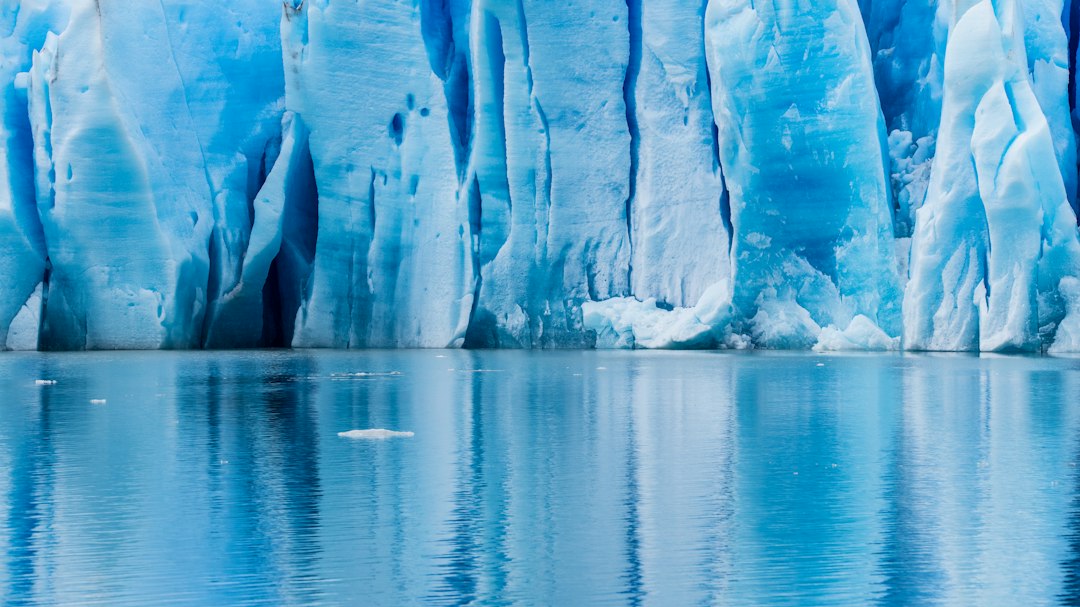
Ancient glaciers, those colossal rivers of ice that sculpted Earth’s landscapes over millennia, are far more than mere geological formations. They are time capsules, vast repositories of frozen history, holding within their depths secrets that predate human civilization. As these icy giants slowly melt under the warming planet, they begin to yield their hidden treasures, offering an unprecedented glimpse into prehistoric life, ancient climates, and the very evolution of our world. The process of unearthing these secrets is a delicate dance between the forces of nature and the persistent curiosity of science, a quest to decipher the frozen narratives etched into ice millions of years old.
Recent studies have revealed fascinating clues to prehistoric life preserved within glaciers, shedding light on ancient ecosystems and climate conditions. For those interested in understanding how our perceptions of the world have evolved over time, a related article discusses the reasons behind the changing nature of world maps. This exploration of cartography can provide context for the shifting landscapes that glaciers have witnessed throughout history. To read more about this topic, you can visit the article here: Why World Maps Change: Common Reasons.
The Frozen Archives of Earth

The immense pressure and extreme cold within glaciers create an environment of exceptional preservation. Unlike terrestrial burial sites, which are subject to decomposition and the disturbance of soil and fauna, ice offers a nearly sterile and inert medium. Organic materials, when trapped within its frigid embrace, are shielded from the ravages of time, bacteria, and oxidation. This remarkable state of stasis allows for the preservation of delicate structures, biological molecules, and even microscopic life forms that would otherwise have long since vanished. The study of these frozen archives, often referred to as paleoclimatology and paleoecology, has revolutionized our understanding of Earth’s past, providing direct evidence of climatic shifts, ecological changes, and the evolutionary pathways of life.
Microbes and the Deep Freeze
Perhaps the most astonishing discoveries within ancient ice are viable microorganisms. Bacteria, archaea, and even simple eukaryotes, dormant for tens of thousands, even millions, of years, have been revived from glacial ice. These “extremophiles” represent a potential goldmine for understanding the limits of life and its resilience in harsh environments. Studying their metabolic pathways, genetic makeup, and adaptations can shed light on early life forms on Earth and even inform the search for extraterrestrial life on icy worlds like Mars or the moons of Jupiter and Saturn. The implications for astrobiology are profound, suggesting that life, in its most fundamental forms, might be more widespread in the universe than previously imagined. These ancient microbes, awakening from their long slumber, offer living links to the deep past.
Plant and Animal Remnants
Beyond microscopic life, glaciers preserve macroscopic evidence of past ecosystems. Plant fragments, pollen grains, seeds, and even intact insects and small mammals have been recovered. These finds paint vivid pictures of the flora and fauna that inhabited regions now buried under ice, or that roamed across landscapes long before glaciers formed. For instance, the discovery of woolly mammoth remains, perfectly preserved by glacial ice, has provided invaluable insights into their anatomy, diet, and social structures. Similarly, ancient plant remains allow scientists to reconstruct past vegetation types and understand how plant communities responded to climate change in eras preceding significant human impact. These tangible pieces of prehistoric life are not mere fossils; they are direct evidence of the vibrant tapestry of life that once existed.
Methodologies for Ice Extraction and Analysis
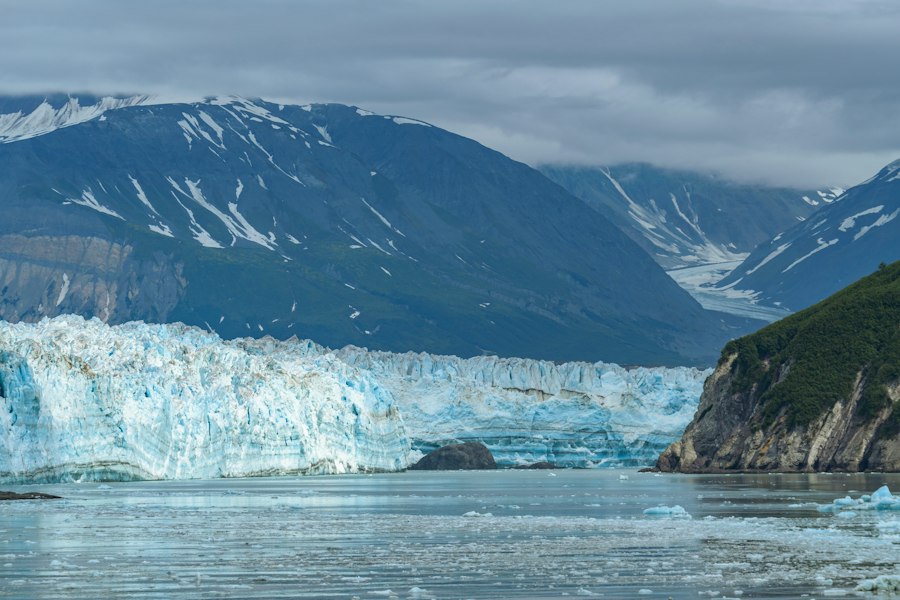
Extracting and analyzing the secrets locked within glaciers requires specialized techniques and a rigorous scientific approach. The pristine nature of glacial ice means that contamination is a constant concern, necessitating meticulous collection and handling protocols. The process begins with identifying suitable ice bodies, often deep ice cores drilled from the centers of ice sheets or glaciers where sedimentation is minimal and accumulation rates are consistent. These cores, often kilometers long, are then brought to laboratories for detailed examination. The subsequent analyses are multifaceted, employing a range of scientific disciplines to unlock the information held within.
Drilling for Time: The Art of Ice Coring
Ice coring is a sophisticated engineering feat. Specialized drills, often employing thermal or mechanical methods, are used to penetrate the ice. As the drill descends, it extracts long, cylindrical sections of ice, known as cores. These cores are carefully sectioned, logged, and stored in sub-zero conditions to prevent any degradation or contamination. The depth of the core directly correlates with the age of the ice; the deeper the core, the older the ice and the further back in time the scientist can peer. Each layer within the ice core represents a year, or even a season, of snowfall, preserving atmospheric conditions, dust particles, and trapped gases from that specific period. The precision of ice coring is paramount, as even minor disruptions can compromise the integrity of the ancient record.
Decoding the Bubbles: Trapped Gases and Atmospheric History
One of the most significant insights gleaned from glacial ice comes from the tiny air bubbles trapped within. As snow accumulates and compacts into ice, pockets of air become sealed. These bubbles are miniature samples of the ancient atmosphere. Scientists can extract and analyze the composition of these gases, including carbon dioxide, methane, and nitrous oxide, providing a direct record of past atmospheric concentrations. This data is crucial for understanding long-term climate trends, the natural carbon cycle, and the human impact on greenhouse gas levels. By comparing past atmospheric compositions with current data, researchers can gain a deeper understanding of climate change and its drivers.
Isotopic Signatures: Temperature and Precipitation Proxies
The isotopic composition of the water molecules within the ice also carries valuable climatic information. The ratio of different isotopes of oxygen and hydrogen varies depending on the temperature at which the snow originally formed. By analyzing these isotopic signatures, scientists can reconstruct past temperatures with remarkable accuracy. Furthermore, the presence of dust particles, volcanic ash, and other aerosols within the ice layers provides clues about past environmental conditions, volcanic activity, and even long-range atmospheric transport. These “proxies” allow researchers to build a detailed timeline of Earth’s climatic history, extending back hundreds of thousands, and in some cases, millions, of years.
Prehistoric Climates Unveiled
The most compelling revelations from ancient glaciers concern the Earth’s past climates. The ice cores offer an unparalleled, continuous record of temperature, atmospheric composition, and precipitation patterns, allowing scientists to reconstruct the cycles of ice ages and interglacial periods with astonishing detail. This data is invaluable for understanding the natural variability of Earth’s climate system and for predicting future climate scenarios. The patterns of warming and cooling revealed in the ice are not random but exhibit distinct, recurring cycles, driven by factors such as variations in Earth’s orbit, solar activity, and atmospheric composition.
The Dance of Ice Ages and Warm Interglacials
Glacial ice cores have provided definitive evidence for the cyclical nature of Earth’s climate, documenting numerous ice ages and warmer interglacial periods over the past million years. These cycles, known as Milankovitch cycles, are influenced by long-term variations in Earth’s orbital parameters. The ice record shows that during ice ages, global temperatures dropped significantly, leading to the expansion of ice sheets, while interglacial periods were characterized by warmer temperatures and sea levels much higher than today. Understanding the mechanisms and timing of these past climate shifts is critical for comprehending the sensitivity of the Earth’s climate system to various forcings. The intricate details of these shifts are preserved, layer by painstaking layer.
Evidence of Rapid Climate Change Events
While the dominant narrative from glacial ice is one of gradual climatic shifts, it also preserves evidence of abrupt and dramatic climate change events. For instance, layers of volcanic ash from massive eruptions can be precisely dated, allowing scientists to correlate these events with sudden shifts in temperature and atmospheric composition recorded in the ice. Furthermore, the discovery of “melt layers” and changes in ice crystal structure can indicate periods of rapid melting and warming. These findings highlight the potential for non-linear responses within the climate system, a crucial consideration when assessing the risks of future climate change. The past, as revealed by the ice, demonstrates that change can be swift and transformative.
Recent studies have revealed fascinating clues to prehistoric life hidden within glaciers, shedding light on how ancient ecosystems responded to climate changes. These findings are crucial for understanding the broader implications of environmental shifts on civilization. For a deeper exploration of how environmental degradation has historically influenced societal structures, you can read more in this insightful article on the topic. The connection between past and present challenges is evident, as highlighted in this article.
Ancient Ecosystems and Lost Worlds
| Clue Type | Description | Example | Significance |
|---|---|---|---|
| Microfossils | Microscopic remains of ancient organisms trapped in ice | Algae and bacteria preserved in ice cores | Provide evidence of past microbial life and environmental conditions |
| Ancient DNA | Genetic material extracted from organisms preserved in glacier ice | DNA from extinct plants and animals found in ice samples | Helps reconstruct past ecosystems and evolutionary history |
| Ice Core Layers | Stratified layers of ice containing trapped air bubbles and particles | Annual layers showing pollen and dust deposits | Reveal climate changes and biological activity over millennia |
| Organic Molecules | Preserved biochemical compounds from prehistoric organisms | Lipids and proteins detected in glacier ice | Indicate presence and types of ancient life forms |
| Entrapped Microbes | Living or dormant microorganisms isolated from glacier ice | Viable bacteria and archaea recovered from deep ice | Show survival strategies and adaptation to extreme conditions |
The organic remains found within glaciers offer a direct window into the ecosystems of the past, revealing the flora and fauna that once thrived in environments now covered by ice. This knowledge is vital for understanding evolutionary processes, the resilience of life, and the impact of past climate shifts on biodiversity. These discoveries are not just about ancient life forms; they are about understanding the interconnectedness of life and its environment across vast timescales.
Flora and Fauna Frozen in Time
As mentioned, the preservation of plant and animal remains is a hallmark of glacial discoveries. From microscopic pollen grains to intact carcasses of large mammals, these finds provide an invaluable dataset for paleoecologists. By analyzing the types of plants present, scientists can reconstruct past vegetation, infer soil conditions, and understand the food sources available to ancient animals. The discovery of seeds and fruits can indicate the presence of specific plant species and their distribution. For fauna, the skeletal remains offer insights into morphology, diet, and behavior, while exceptionally preserved specimens, like Ötzi the Iceman, provide unparalleled details about human life in prehistoric times. Each fragment is a piece of a larger, forgotten puzzle.
Insights into Human Migration and Adaptation
In regions where human populations once existed in close proximity to glaciers, ice can preserve artifacts and even human remains that offer direct evidence of their lives. Ötzi the Iceman, discovered in the Italian Alps, is a prime example. His remarkably preserved body, along with his clothing, tools, and possessions, has provided an unprecedented amount of information about Copper Age European life, including his diet, health, genetic makeup, and the technology of his time. Such finds allow us to trace human migration patterns, understand how ancient peoples adapted to challenging environments, and learn about their social structures and cultural practices. These individuals, once lost to time, now speak to us through the ice.
Recent studies have revealed fascinating clues to prehistoric life preserved within glaciers, shedding light on ancient ecosystems and climate conditions. For those interested in the broader implications of how such discoveries can influence our understanding of Earth’s history, an insightful article discusses the shifting dynamics of space geopolitics and its potential impact on scientific exploration. You can read more about this intriguing intersection of science and global affairs in the article found here.
The Future of Glacial Discoveries: Challenges and Opportunities
As global warming accelerates, ancient glaciers are melting at an unprecedented rate. This presents both a profound challenge and a unique opportunity for scientific discovery. While the loss of glaciers means the eventual disappearance of these invaluable archives, it also makes accessible previously inaccessible sites and materials. The race is on to document and recover as much information as possible before it is lost forever to meltwater. The future of glacial discoveries hinges on our ability to act quickly, sustainably, and collaboratively.
The Urgency of the Melting Archives
The rapid melting of glaciers worldwide is a double-edged sword for researchers. On one hand, it provides access to newly exposed landscapes and potential discoveries. On the other, it means the permanent loss of irreplaceable data. Ice cores that took decades to collect can vanish in a matter of years. Organisms and artifacts entombed for millennia are being released into environments where they will rapidly decompose. This necessitates a global effort to prioritize research, secure funding, and develop rapid response strategies for documenting and preserving discoveries. The window of opportunity is closing, and the scientific community must work with urgency.
Technological Advancements and Interdisciplinary Collaboration
The study of ancient glaciers is increasingly reliant on interdisciplinary collaboration and the application of cutting-edge technologies. Advances in remote sensing, such as satellite imagery and ground-penetrating radar, help identify promising areas for exploration and monitor glacial changes. DNA sequencing technologies are revolutionizing the study of ancient microorganisms and organic remains, revealing genetic diversity and evolutionary histories. Furthermore, the integration of data from ice cores with other paleoenvironmental records, such as lake sediments and marine cores, provides a more holistic understanding of past Earth systems. This collaborative, technology-driven approach is crucial for maximizing the scientific return from these fleeting archives. The secrets of the ice are complex, requiring a diverse set of tools and perspectives to unravel.

Beneath the Ice: Surviving the Ice Age 20,000 Years Ago
FAQs
What are some clues to prehistoric life that can be found inside glaciers?
Some clues to prehistoric life that can be found inside glaciers include ancient pollen, plant material, and even the remains of animals like mammoths and other Ice Age creatures.
How do glaciers preserve prehistoric life?
Glaciers preserve prehistoric life by acting as a natural freezer, keeping organic material frozen and protected from decomposition for thousands of years.
What scientific techniques are used to study prehistoric life inside glaciers?
Scientists use techniques like radiocarbon dating, DNA analysis, and studying isotopes to learn more about prehistoric life found inside glaciers.
Why is studying prehistoric life inside glaciers important?
Studying prehistoric life inside glaciers can provide valuable insights into past ecosystems, climate change, and the evolution of species over time.
What are some challenges researchers face when studying prehistoric life inside glaciers?
Some challenges researchers face when studying prehistoric life inside glaciers include accessing remote glacier locations, dealing with harsh weather conditions, and preserving delicate organic materials during extraction and analysis.