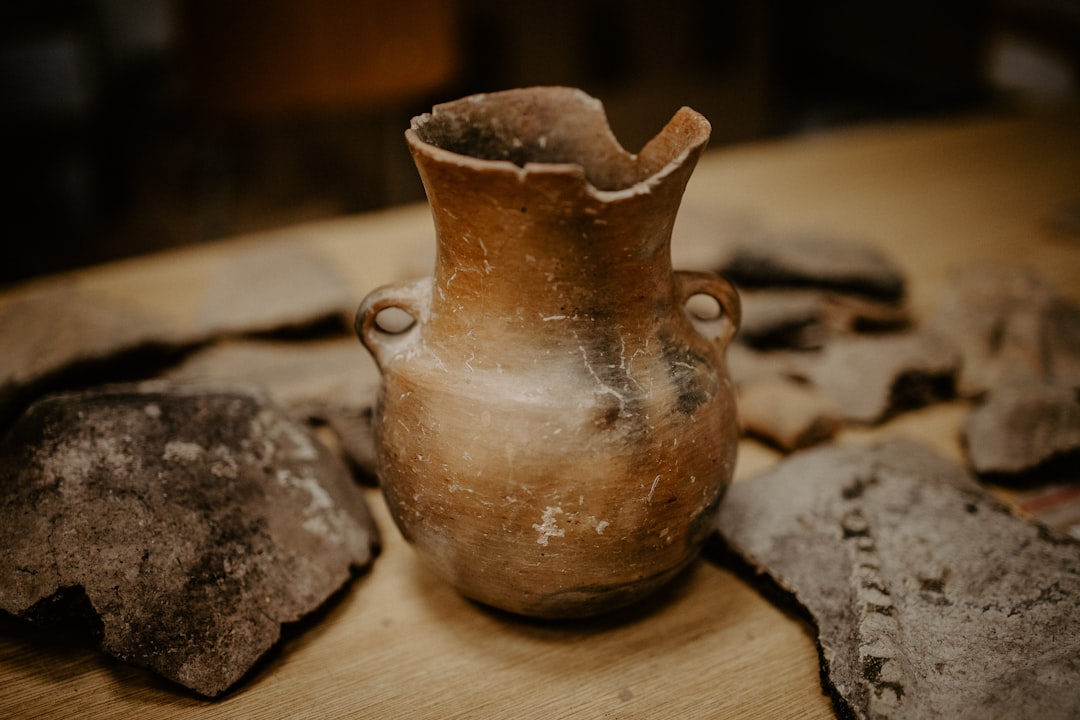
The whispers of history, often buried beneath centuries of soil and neglect, are beginning to sing again thanks to the relentless efforts of archaeologists at Sefertepe. This ancient Thracian necropolis, nestled in the rolling hills of northeastern Bulgaria, is fast becoming a cornerstone in our understanding of a civilization whose legacy has long been shrouded in mystery. The sheer scale and richness of the discoveries made here are not merely adding chapters to existing historical narratives; they are fundamentally reshaping them, offering an unprecedented glimpse into the lives, beliefs, and artistic achievements of the Thracians.
The Dawn of Discovery: Initial Excavations and Promising Signs
The initial stirrings of archaeological interest in Sefertepe were not born from grand pronouncements, but from the quiet persistence of local lore and the serendipitous findings of farmers. For generations, tales of buried treasures and ancient burial sites circulated, often dismissed as folklore. However, these persistent narratives eventually captured the attention of professional archaeologists, who recognized the potential for a significant discovery. Early surveys, conducted with a combination of ground-penetrating radar and systematic field walking, began to reveal anomalies in the landscape that hinted at buried structures and artifacts.
The Lure of the Unknown: Early Surface Finds
Even before formal excavations commenced, surface finds provided tantalizing clues. Fragments of pottery, often bearing intricate geometric patterns, were found scattered across the hillsides. These early discoveries, though seemingly minor individually, collectively painted a picture of a settlement or a significant activity site in the area. The style of the pottery suggested a connection to known Thracian cultural periods, fueling anticipation for what lay beneath the surface.
The Promise of Geophysical Surveys: Mapping the Subterranean Secrets
The advent of modern geophysical survey techniques proved instrumental in guiding the excavation efforts. Ground-penetrating radar (GPR) allowed archaeologists to peer beneath the earth’s surface without disturbing it, identifying areas of unusual density and potential structural anomalies. Magnetometry, another vital tool, helped detect variations in the earth’s magnetic field, often indicating the presence of burnt materials, ancient hearths, or buried iron objects. These non-invasive methods were crucial in pinpointing the most promising areas for excavation, saving time, resources, and minimizing the risk of damaging delicate archaeological features. The initial results of these surveys were remarkably encouraging, revealing the outlines of what appeared to be large, man-made structures, including mounds and potential building foundations, suggesting the presence of a significant ancient settlement or complex.
The recent archaeological discoveries in Sefertepe have shed light on the advanced technologies and cultural practices of ancient civilizations. These findings are reminiscent of the insights discussed in a related article that explores the lost secrets of ancient civilizations and their remarkable technological advancements. For a deeper understanding of how these discoveries connect to broader historical narratives, you can read more in the article found here: Lost Secrets of Ancient Civilizations: Advanced Technology.
The Royal Tombs: Unveiling the Heart of Sefertepe
The true revelation at Sefertepe arrived with the unearthing of its monumental burial mounds, or tumuli. These colossal structures, some reaching impressive heights, are not merely piles of earth; they are meticulously constructed tombs, designed to house the remains of the Thracian elite, likely kings, chieftains, and their consorts. The sheer effort involved in their construction speaks volumes about the social hierarchy and the profound reverence accorded to the deceased within Thracian society.
The Majestic Tumuli: Monuments to Power and Belief
The tumuli at Sefertepe stand as silent sentinels of a bygone era. Their size and construction varied, reflecting different periods of use and the status of the individuals interred within. Some were simple earthen mounds, while others were elaborate creations featuring stone foundations, internal chambers, and even monumental entrances. The careful placement and alignment of these mounds suggest a deep understanding of astronomy and a sophisticated worldview that intertwined the earthly realm with the celestial. The process of excavating these tumuli is a painstaking one, requiring immense care to preserve the integrity of the ancient structures and the artifacts within.
The Chambered Tombs: Architectural Marvels of the Ancient World
Beneath the earthen exteriors of the tumuli lie the true architectural marvels: the chambered tombs. These subterranean structures, often carved directly into the bedrock or constructed with precisely cut stone blocks, are testaments to the advanced engineering and craftsmanship of the Thracians. They typically consist of a dromos (an entrance corridor), an antechamber, and a main burial chamber. The walls of these chambers are often adorned with intricate frescoes and reliefs, offering invaluable insights into Thracian mythology, rituals, and daily life. The construction of these chambers, particularly their vaulted ceilings and precise stonework, showcases a level of sophistication that rivals that of contemporary civilizations in the Mediterranean.
Treasures of the Elite: Artifacts of Remarkable Craftsmanship
The contents of the royal tombs at Sefertepe have proven to be nothing short of extraordinary. The Thracians were renowned for their metalworking skills, and the artifacts recovered from these burials provide ample evidence of their mastery. Gold, silver, bronze, and iron objects, often inlaid with precious stones, have been brought to light, each piece a testament to the wealth and artistic prowess of the Thracian elite.
The Golden Hoard: Symbols of Royalty and Prestige
The discovery of gold artifacts has been a recurring highlight of the Sefertepe excavations. Elaborate headdresses, ornate necklaces, bracelets, rings, and ceremonial vessels have been unearthed, often bearing exquisite craftsmanship and symbolic motifs. These golden treasures were not merely decorative; they served as powerful symbols of authority, wealth, and religious devotion. The intricate detailing and the use of techniques such as granulation and filigree demonstrate a level of artistry that continues to astound modern observers. The sheer quantity of gold found suggests a highly developed economy and extensive trade networks.
Silver and Bronze: Utensils, Weapons, and Artistry
Beyond gold, silver and bronze artifacts have also been recovered in significant numbers. These include finely crafted vessels, intricate jewelry, and a variety of weaponry, such as swords, spearheads, and helmets. The bronze items, in particular, often display a remarkable state of preservation, allowing for detailed study of their construction and decoration. The artistic styles evident in these pieces, from the depiction of animals in dynamic poses to the geometric patterns, offer a rich tapestry of Thracian aesthetic sensibilities. The presence of both utilitarian and ceremonial items suggests a complex social structure where everyday objects were imbued with artistic merit.
The Depiction of Life: Frescoes and Reliefs as Historical Records
Perhaps the most profoundly illuminating discoveries at Sefertepe are the painted frescoes and carved reliefs that adorn the interior walls of the tombs. These vibrant images are not mere decorations; they are invaluable historical documents, offering a visual narrative of Thracian life, beliefs, and mythology. They provide a window into a world that would otherwise remain largely silent.
Mythological Narratives: Gods, Heroes, and the Afterlife
The frescoes often depict scenes from Thracian mythology, featuring their pantheon of gods and legendary heroes. These narratives offer crucial insights into their religious beliefs, their understanding of the cosmos, and their hopes and fears concerning the afterlife. Figures of deities, mythical creatures, and scenes of heroic deeds are rendered with a remarkable degree of detail and dynamism, bringing to life a rich tapestry of their spiritual world. The interpretation of these scenes is an ongoing process, but they undoubtedly shed light on the complex religious landscape of ancient Thrace.
Scenes of Daily Life: Rituals, Warfare, and Feasting
Beyond the mythological, many of the images capture glimpses of everyday Thracian life. Scenes of feasting, hunting, and even warfare are depicted, providing invaluable information about their social customs, their martial prowess, and their agricultural practices. The details of their clothing, their weaponry, and their domestic activities are rendered with a surprising realism. These scenes offer a tangible connection to the people who once inhabited this land, allowing us to imagine their celebrations, their struggles, and their vibrant community life. The meticulous detail in these depictions allows for a nuanced understanding of their social strata and their daily routines.
The recent archaeological discoveries in Sefertepe have shed light on ancient practices that were previously unknown, particularly in relation to wind harvesting techniques. These findings not only enhance our understanding of the technological advancements of the time but also connect to broader themes in ancient engineering. For those interested in exploring similar topics, an insightful article can be found at Uncovering Ancient Secrets of Wind Harvesting, which delves into how ancient civilizations harnessed natural resources for their benefit.
The Significance of Sefertepe: A Paradigm Shift in Thracian Studies
The discoveries at Sefertepe are more than just a collection of ancient artifacts; they represent a paradigm shift in our understanding of Thracian civilization. For too long, the Thracians were viewed as a somewhat peripheral and enigmatic group, their culture often overshadowed by their more prominent neighbors like the Greeks and Romans. Sefertepe is unequivocally changing that perception.
Challenging Existing Narratives: The Sophistication of Thracian Culture
The sheer scale and sophistication of the architecture, the artistry of the metalwork, and the richness of the iconographic programs found at Sefertepe are challenging long-held assumptions about the Thracians. They were not merely a collection of disparate tribes, but a complex and highly developed civilization with a rich cultural and spiritual life. The advanced engineering of their tombs, the intricate beauty of their jewelry, and the profound narratives depicted in their art all point to a society that was far more advanced and influential than previously imagined.
A Bridge Between Worlds: Thracian Connections and Influences
The discoveries also highlight the interconnectedness of the ancient world. While Sefertepe is undeniably Thracian, the influences of other cultures, particularly Greek art and iconography, are also evident in some of the artifacts. This suggests a dynamic exchange of ideas, trade, and cultural influences between the Thracians and their neighbors. Sefertepe is proving to be a crucial nexus for understanding these complex relationships, offering evidence of both independent Thracian innovation and their engagement with the wider ancient Mediterranean world. The ongoing analysis of these cultural exchanges promises to illuminate the intricate web of connections that defined the ancient landscape.
The Future of Sefertepe: Ongoing Research and Preservation
The excavation and research at Sefertepe are far from over. New discoveries are continually being made, and the meticulous process of cataloging, preserving, and interpreting the findings will continue for years to come. The site itself is now recognized as a national treasure, and significant efforts are being made to ensure its long-term preservation and to make its wonders accessible to a wider audience, both through on-site interpretive centers and through global exhibitions. The continued work at Sefertepe promises to unlock even more secrets, further solidifying its place as one of the most important archaeological sites in Europe. The commitment to ongoing research and preservation ensures that the legacy of Sefertepe will continue to inspire and educate for generations to come.
The World Beyond Göbekli Tepe Is Far Bigger Than We Thought
FAQs
What is the significance of the Sefertepe archaeological discoveries?
The Sefertepe archaeological discoveries are significant because they provide valuable insights into the ancient history and culture of the region. The artifacts and structures unearthed at the site shed light on the daily lives, religious practices, and technological advancements of the people who lived there.
What kind of artifacts have been found at the Sefertepe archaeological site?
Artifacts found at the Sefertepe archaeological site include pottery, tools, jewelry, and religious objects. These items offer a glimpse into the material culture of the ancient inhabitants and provide clues about their social and economic activities.
What time period do the Sefertepe archaeological discoveries date back to?
The Sefertepe archaeological discoveries date back to the Bronze Age, specifically to the Hittite period. This places the site within a specific historical context and allows researchers to better understand the cultural and political dynamics of the time.
What do the Sefertepe archaeological discoveries reveal about ancient religious practices?
The Sefertepe archaeological discoveries reveal that the ancient inhabitants engaged in religious practices, as evidenced by the presence of religious objects and structures at the site. This provides valuable information about the spiritual beliefs and rituals of the people who lived there.
How do the Sefertepe archaeological discoveries contribute to our understanding of ancient civilizations?
The Sefertepe archaeological discoveries contribute to our understanding of ancient civilizations by providing concrete evidence of their material culture, social organization, and technological achievements. This information helps to fill in gaps in our knowledge of the past and enriches our understanding of human history.