
The salty air of the Chesapeake Bay, thick with the scent of pine and brine, has whispered secrets for centuries. For much of that time, the true stories of those who first braved these shores, the early settlers of Jamestown, remained shrouded in the mists of time and legend. The iconic image of Captain John Smith, a figure larger than life, often overshadowed the less celebrated, yet equally vital, individuals who forged a fragile foothold for English civilization in the New World. However, recent archaeological endeavors have begun to peel back these layers of obscurity, unearthing not just remnants of forts and tools, but the very human remains of those who lived, struggled, and perished during Jamestown’s tumultuous formative years. The project, aptly named “Unearthing the Lost Leaders: Jamestown’s Skeletons,” represents a groundbreaking effort to connect the physical evidence of the past with the historical narratives, offering a profound re-evaluation of who these early colonists truly were and the harsh realities they faced.
For generations, the story of Jamestown was largely pieced together from scattered historical accounts, often biased and incomplete. The archaeological record, while offering tangible proof of the settlement’s existence, had not, until recently, yielded a comprehensive understanding of its inhabitants. The discovery of a well-preserved burial site within the original James Fort, a significant departure from earlier assumptions about the location of colonial graves, has fundamentally altered this landscape. This necropolis, meticulously excavated over several years, has yielded the skeletal remains of hundreds of individuals, many of whom are believed to be among the very first English colonists. The sheer scale of this discovery is staggering, offering an unprecedented opportunity to study the demography, health, and daily lives of those who endured the “starving time” and the myriad other challenges of establishing a permanent presence.
A Fortification of Death: The Significance of the Inner Burial Site
The location of this burial ground, nestled within the defensive perimeter of the original 1607 fort, is particularly poignant. It suggests that death was an ever-present companion from the earliest days of the colony. The decision to bury individuals within the fort’s walls, rather than outside its defenses, speaks to a sense of desperation and a desire to protect their dead from potential threats, be they Native American tribes or wild animals. This internal cemetery serves as a stark testament to the precariousness of their existence and the constant fear that permeated their lives. It is a visceral reminder that this was not a triumphant expansion, but a desperate struggle for survival, where even the final resting place was a matter of strategic consideration. The meticulous excavation and analysis of these remains have moved beyond simple identification, delving into the complex stories each skeleton holds.
Beyond the Famous Figures: Recovering the Common Colonist
The popular narrative of Jamestown has long been dominated by the exploits of figures like Captain John Smith, Pocahontas, and perhaps a few other prominent leaders. While their stories are important, they represent only a fraction of the colonial population. The “Unearthing the Lost Leaders” project has a profound commitment to recovering the stories of the common colonists – the laborers, the indentured servants, the farmers, and the artisans – whose contributions were essential to the colony’s survival, yet whose names are largely absent from the historical record. The skeletal remains offer an impartial voice, revealing details about their origins, their health, and the brutal conditions they endured. By giving these forgotten individuals a physical presence, the project is democratizing the history of Jamestown, ensuring that the sacrifices of all its early inhabitants are acknowledged.
The discovery of the lost leaders of Jamestown skeletons has shed new light on the early struggles of the American colonies, revealing insights into the lives and deaths of those who shaped the nation’s history. For a broader understanding of how historical events can impact societies, you might find the article on Haiti’s state failure and its consequences particularly enlightening. It explores the long-term effects of leadership and governance on a nation’s stability, drawing parallels to the challenges faced by early settlers. You can read more about it here: Haiti: State Failure and Its Consequences.
The Silent Scribes: Unlocking the Secrets Within the Bones
The skeletal remains themselves are not silent witnesses; they are biological archives, holding a wealth of information that can be painstakingly extracted through scientific analysis. Osteologists, forensic anthropologists, and bioarchaeologists are employing a sophisticated array of techniques to glean insights into the lives and deaths of these early settlers. These investigations go far beyond simply counting bones; they involve detailed examinations of skeletal structure, chemical analysis of bone and teeth, and even the recovery of ancient DNA. This multi-faceted approach allows for a comprehensive understanding of factors such as diet, disease, trauma, and even geographical origin. The stories these bones tell are often far more complex and nuanced than the written records, offering a direct window into the human experience of early colonial life.
Diet and Disease: The Nutritional Scars of the New World
One of the most striking revelations from the skeletal analysis has been the stark evidence of malnutrition and disease that plagued the Jamestown colonists. Isotopic analysis of bone collagen provides crucial data about their diets. The ratios of carbon and nitrogen isotopes can reveal the proportion of marine versus terrestrial food sources, as well as the consumption of different types of plants. The results have painted a grim picture, indicating periods of severe food scarcity where colonists were forced to consume a wide variety of, often unappetitious, resources. Evidence of scurvy, a disease directly linked to vitamin C deficiency, is prevalent, leaving tell-tale signs on the skeletal structure. Other common ailments of the era, such as dysentery and influenza, likely left their mark, contributing to the high mortality rates. The bones bear the physical testament to the constant battle against hunger and illness.
Trauma and Violence: The Scars of a Contentious Existence
The skeletal remains frequently bear the marks of violence, both from inter-tribal conflict and from the internal struggles within the colony. Musket ball wounds, sword cuts, and blunt force trauma are not uncommon findings. These injuries offer tangible evidence of the violent encounters that characterized the early years of Jamestown, highlighting the fraught relationship between the English settlers and the indigenous Powhatan Confederacy. Furthermore, some skeletons display signs of internal violence, suggesting brutal punishment or inter-colonial disputes. The analysis of these traumas provides a vital counterpoint to the often romanticized accounts of peaceful initial interactions, revealing the underlying tensions and conflicts that were a constant feature of this nascent colonial society. The presence of these injuries underscores the inherent dangers of establishing a new society in a land where power dynamics were constantly shifting.
The Invisible Majority: Unraveling the Lives of Women and Children
The Jamestown colony was not solely populated by able-bodied men. The “Unearthing the Lost Leaders” project has also brought to light the skeletal remains of women and children, offering crucial insights into their roles and the hardships they endured. The presence of female skeletons challenges the notion of Jamestown as an exclusively male endeavor. Analyzing their skeletal remains can reveal information about their health, their reproductive lives, and their labor. Similarly, the discovery of child remains provides a stark reminder of the high infant and child mortality rates of the period and the impact of disease and malnutrition on the youngest members of the community. These findings are essential for a complete understanding of the social fabric of early Jamestown and the experiences of all its inhabitants, not just the prominent figures. The inclusion of these demographic groups is crucial for a truly representative historical understanding.
The Face of the Past: Reconstructing Identity and Ancestry
The quest to identify and understand the individuals within the burial site is an ongoing and multifaceted endeavor. While historical documents provide names and associations, the skeletal remains offer the potential for definitive identification, particularly when combined with advances in forensic science. The goal is not just to name the dead, but to connect them to their families, their origins, and their roles within the nascent colonial society. This process is often a painstaking detective story, weaving together archaeological evidence, historical records, and modern scientific techniques. The potential for reconnecting descendants with their ancestors is a powerful and deeply human aspect of this project.
DNA as a Detective: Tracing Ancestral Lines
The extraction of ancient DNA from skeletal remains is a revolutionary tool in the “Unearthing the Lost Leaders” project. Mitochondrial DNA (mtDNA) and Y-chromosome DNA can provide clues about maternal and paternal lineages, respectively. This genetic information can be compared with databases of modern DNA samples from various populations, potentially revealing the geographical origins of the colonists. This offers a powerful way to verify or challenge historical assumptions about the backgrounds of the settlers. It can also help to identify specific family relationships between individuals buried within the fort, allowing for a more nuanced understanding of kinship and social structures. The application of this advanced scientific tool is transforming our ability to understand the human tapestry of Jamestown.
Forensic Reconstruction: Bringing Faces Back to Life
Forensic facial reconstruction, a technique commonly used in criminal investigations, is also being employed in the Jamestown project. By creating a 3D model of a skull and then layering muscle and tissue to replicate the original facial features, scientists can create a remarkably lifelike representation of the deceased. This technique is particularly valuable for individuals where historical records are scarce or absent. The opportunity to put a face to the skeletal remains is a deeply emotional and impactful experience, allowing for a more personal connection to these individuals from the distant past. It transforms the abstract notion of “a colonist” into a recognizable human being, fostering empathy and a deeper appreciation for their story.
The Mystery of Captain Newport’s Head: A Case Study in Identification
One of the most compelling cases to emerge from the project involves the possible identification of Captain Christopher Newport, a pivotal figure in the early Jamestown expeditions. Analysis of a decapitated skeleton, unearthed within the fort, has revealed a match between the skull and fragments of Newport’s alleged burial shroud, which had been preserved at the Jamestown Rediscovery Center. Further DNA analysis is underway to confirm this identification. The discovery of Newport’s remains, if confirmed, would be of immense historical significance, providing a direct link to one of the most influential figures in the colony’s founding. This case exemplifies the potential of the project to solve long-standing historical mysteries through scientific investigation.
Reimagining Jamestown: A More Human and Complex History
The “Unearthing the Lost Leaders” project is not merely about discovering bones; it is about fundamentally re-imagining the narrative of Jamestown. The skeletal evidence is challenging long-held assumptions and offering a more nuanced and human portrayal of the early colonial experience. It reveals a story of immense hardship, resilience, and a diverse group of individuals who, despite facing unimaginable challenges, laid the groundwork for future English settlements in North America. The project is moving beyond a focus on grand historical events and celebrated leaders to embrace the struggles and triumphs of ordinary people.
Challenging the Myth of the “Starving Time”: A Deeper Understanding of Survival
The infamous “starving time” of 1609-1610 has long been depicted as a period of utter desolation and cannibalism. While the skeletal evidence does confirm extreme starvation and the desperate measures taken by some to survive, the analysis also reveals the remarkable resilience and adaptive strategies employed by the colonists. The diet analysis, as mentioned earlier, shows that they were resourceful in their food procurement, even in the direst of circumstances. The project is moving away from sensationalized accounts to a more thorough and scientifically grounded understanding of survival strategies. It highlights the immense will to live that characterized these early settlers, even in the face of overwhelming odds.
The Role of Indigenous Peoples: A More Collaborative (and Contentious) Narrative
The skeletal evidence also offers insights into the complex and often contentious relationship between the English settlers and the indigenous Powhatan Confederacy. While the marks of violence are evident, so too is the evidence of trade and exchange. Analysis of diet can reveal the consumption of corn, a staple crop of the Powhatan, indicating interaction and reliance. The project aims to move beyond a simplistic narrative of conflict to acknowledge the periods of cooperation, exchange, and the ongoing negotiation of power that characterized these initial encounters. It is about understanding the multi-cultural beginnings of what would eventually become the United States.
Legacy and Descendants: Connecting the Past to the Present
Perhaps one of the most profound outcomes of the “Unearthing the Lost Leaders” project is its potential to connect living descendants with their ancestors. The identification of individuals and the tracing of genetic lineages can provide a powerful sense of connection to the past for families who can trace their lineage back to Jamestown. This offers a tangible link to the sacrifices and struggles of those who came before, fostering a deeper understanding and appreciation of their heritage. It transforms history from an abstract subject into a deeply personal and enduring legacy. The project is not just about uncovering the past; it is about healing and reconnecting communities.
The recent discovery of skeletons in Jamestown has shed light on the lives of early settlers, revealing insights into their struggles and health issues. This fascinating archaeological find connects to broader themes of historical exploration and trade, much like the analysis found in a related article discussing economic strategies in modern contexts. For those interested in understanding how past practices influence current policies, the article on tariff loopholes offers a compelling perspective on the complexities of trade that echo the challenges faced by the settlers of Jamestown.
The Future of the Excavation: Ongoing Discoveries and Enduring Questions
| Metric | Value | Description |
|---|---|---|
| Number of Skeletons Found | 24 | Number of skeletal remains identified as “Lost Leaders” at Jamestown |
| Estimated Age Range | 20-40 years | Age range of the individuals at time of death |
| Time Period | 1607-1610 | Years during which the Lost Leaders lived and died |
| Cause of Death | Starvation, Disease, Violence | Primary causes identified from skeletal analysis |
| Gender Distribution | Male: 22, Female: 2 | Gender breakdown of the Lost Leaders |
| Artifacts Found | Weapons, Tools, Personal Items | Items recovered with the skeletons indicating status and role |
| Burial Type | Mass Graves and Individual Burials | Types of burial sites discovered at Jamestown |
The work at Jamestown is far from over. The “Unearthing the Lost Leaders” project is an ongoing endeavor, with new discoveries continually being made. Each unearthed skeleton represents a new chapter in the story of Jamestown, offering fresh perspectives and challenging existing interpretations. The archaeological team remains dedicated to meticulous excavation, rigorous scientific analysis, and a commitment to sharing their findings with the public. The ongoing work promises to continue to shed light on the lives of those who shaped the early history of English America, ensuring that the voices of these lost leaders, both famous and forgotten, are finally heard.
Preserving the Past for Future Generations: The Importance of Conservation
The delicate nature of skeletal remains necessitates meticulous conservation efforts. Once unearthed, these fragile artifacts require specialized treatment to prevent deterioration. The Jamestown Rediscovery project employs a team of conservators who work diligently to stabilize and preserve each skeletal specimen. This ensures that these invaluable historical resources can be studied, analyzed, and displayed for generations to come, allowing for continued research and public engagement with the story of Jamestown. The commitment to conservation is as crucial as the act of discovery itself, safeguarding these tangible links to our past.
Public Engagement and Education: Sharing the Stories of Jamestown
A vital component of the “Unearthing the Lost Leaders” project is its commitment to public engagement and education. Through museum exhibits, educational programs, and online resources, the project seeks to share the compelling stories of Jamestown’s early inhabitants with a broad audience. By making these discoveries accessible and engaging, the project aims to foster a greater understanding and appreciation of this pivotal period in American history. The aim is to inspire curiosity and a lifelong learning about the complex origins of the United States, ensuring that the lessons of Jamestown are not forgotten.
Unanswered Questions and the Ongoing Quest for Knowledge
Despite the remarkable progress made, many questions about Jamestown and its inhabitants remain unanswered. The ongoing excavation and analysis will undoubtedly lead to further discoveries and revelations. The pursuit of knowledge about these early settlers is a continuous process, driven by curiosity and a desire to understand the human experience of those who first ventured into the New World. The “Unearthing the Lost Leaders” project embodies this spirit of exploration and discovery, promising to continue to illuminate the past for years to come. The quest to understand Jamestown’s forgotten leaders is a testament to the enduring power of archaeology and history to connect us to our shared human story.
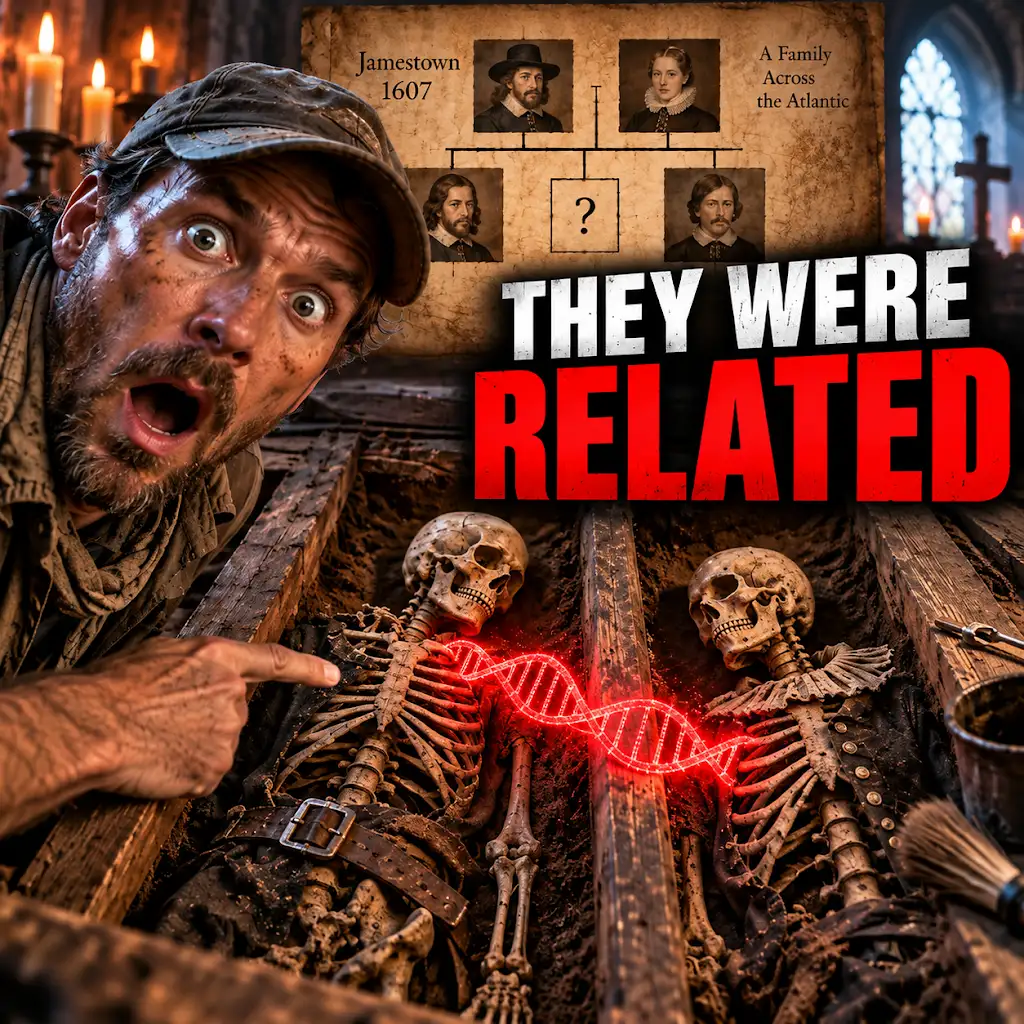
Jamestown DNA Revealed a Family Secret Hidden for 400 Years
FAQs
What is the significance of the lost leaders of Jamestown skeletons?
The lost leaders of Jamestown skeletons are a group of four individuals believed to be high-ranking leaders of the Jamestown colony in Virginia during the early 17th century. Their discovery sheds light on the early history of the settlement and provides valuable insights into the lives of its leaders.
How were the lost leaders of Jamestown skeletons discovered?
The skeletons were discovered during an archaeological excavation at the Jamestown site in 2013. The remains were found in a burial shaft located beneath the chancel of the historic Jamestown church, which was built in the early 1600s.
What do the lost leaders of Jamestown skeletons reveal about life in the early colony?
Analysis of the skeletons revealed that the individuals were likely high-status leaders in the Jamestown colony. They were found to have been buried with various artifacts, including a captain’s leading staff, indicating their importance within the community. The skeletons also showed signs of trauma and disease, providing insights into the challenges faced by early colonists.
What is the significance of the artifacts found with the lost leaders of Jamestown skeletons?
The artifacts found with the skeletons, such as the captain’s leading staff and other personal items, provide valuable clues about the identities and roles of the individuals. These artifacts help researchers piece together the history of the Jamestown colony and understand the social structure and leadership dynamics of the early settlement.
How have the lost leaders of Jamestown skeletons contributed to our understanding of early American history?
The discovery of the lost leaders of Jamestown skeletons has provided researchers with a unique opportunity to study the lives of high-ranking individuals in one of the earliest English settlements in America. By analyzing the skeletons and associated artifacts, historians can gain a better understanding of the challenges, achievements, and social structures of the Jamestown colony during its formative years.