The screen flickered to life, revealing a dust-choked landscape under an unforgiving sun. This was the setting for “Unearthing the Past: Archaeological Science,” a documentary that promised to peel back the layers of human history, not through dramatic reenactments or sensationalized myths, but through the meticulous, often unsung, work of archaeological science. The film eschewed the romanticized notion of the lone adventurer stumbling upon lost cities, instead presenting a compelling narrative built on the rigorous application of scientific methodology, cutting-edge technology, and interdisciplinary collaboration.
“Unearthing the Past” immediately establishes the critical role of scientific inquiry in understanding our collective heritage. The documentary’s opening minutes firmly reject the notion that archaeology is merely about digging for treasure. Instead, it highlights how archaeological science provides a vital lens through which to interpret the material remains of past societies. This isn’t just about finding artifacts; it’s about understanding how they were made, why they were used, and what they reveal about the people who created them thousands, even millions, of years ago.
Beyond the Shovel: The Evolution of Archaeological Methods
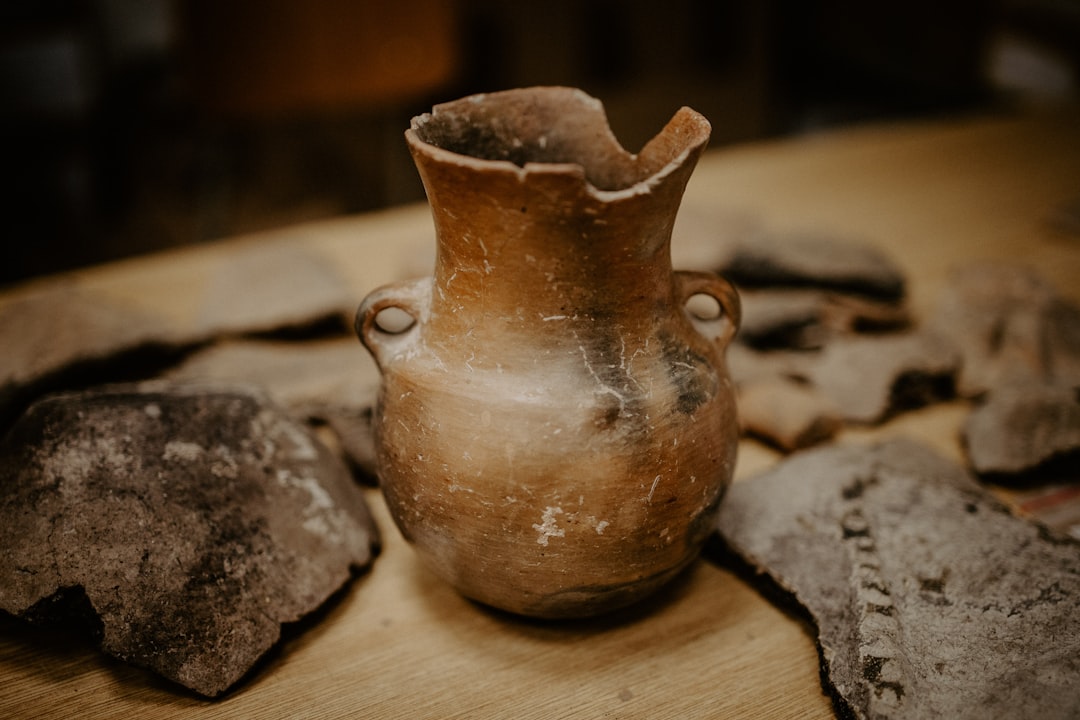
The documentary skillfully illustrates the profound transformation archaeology has undergone. No longer confined to the pickaxe and trowel, the field has embraced a sophisticated array of scientific techniques. This section of the film delves into the historical progression, showcasing early, less precise methods and contrasting them with the highly targeted and analytical approaches employed today. The narrative emphasizes that even seemingly straightforward excavations are now informed by a deep understanding of stratigraphy, soil mechanics, and the potential for contamination. The importance of context is repeatedly stressed, demonstrating how even a simple pottery shard, when analyzed correctly, can tell a rich story. The very act of excavation, the film argues, is now a controlled scientific experiment, designed to preserve as much information as possible for future analysis.
The Art of Stratigraphy: Reading the Earth’s Layers
“Unearthing the Past” dedicates significant screen time to the fundamental principle of stratigraphy. Viewers witness archaeologists meticulously documenting soil layers, each representing a distinct period of deposition and activity. This visual explanation, often aided by clear animations, demystifies how archaeologists can establish chronological sequences and understand the relationships between different events or structures. The film highlights the painstaking process of recording every detail, from soil color and texture to the presence of charcoal or ancient seeds, all of which contribute to building a precise timeline. The audience learns that “reading” the soil is akin to reading a historical document, with each layer offering clues to past landscapes, human behaviours, and environmental changes.
Understanding Context: The Significance of Association
A crucial theme throughout this segment is the concept of archaeological context. The documentary demonstrates how an artifact’s true meaning is unlocked not in isolation, but through its association with other objects, features, and soil layers. Viewers see examples of how the discovery of tools near grinding stones or burial sites with specific grave goods can illuminate dietary practices, social hierarchies, or ritualistic beliefs. The film stresses that careless excavation, which disrupts these associations, can irrevocably destroy valuable information. It’s a stark reminder that the dig itself is a delicate dance with time, requiring immense precision and respect for the unearthed environment.
The Role of Interdisciplinary Collaboration
A recurring and powerful message in “Unearthing the Past” is the indispensable nature of interdisciplinary collaboration. The film champions the idea that archaeological science is not a solitary pursuit but a collective endeavor, bringing together experts from diverse fields. This collaboration expands the scope of what can be learned from archaeological sites, transforming raw data into comprehensive narratives about past life. The documentary actively showcases these partnerships, illustrating how different scientific disciplines contribute their unique expertise to solve complex historical puzzles.
Geoarchaeology: Reconstructing Ancient Landscapes
The film vividly portrays the work of geoarchaeologists, who analyze the geological and environmental context of archaeological sites. Through sediment analysis, soil geochemistry, and the study of landforms, these scientists can reconstruct ancient landscapes, revealing information about climate, vegetation, water sources, and even natural disasters that may have impacted past human settlements. Viewers witness how geoarchaeological data can explain why certain sites were chosen for habitation, how agricultural practices evolved, or why a civilization might have collapsed due to environmental shifts. The connection between human activity and the Earth they inhabited is made palpable.
Paleoanthropology: Tracing Our Ancestors
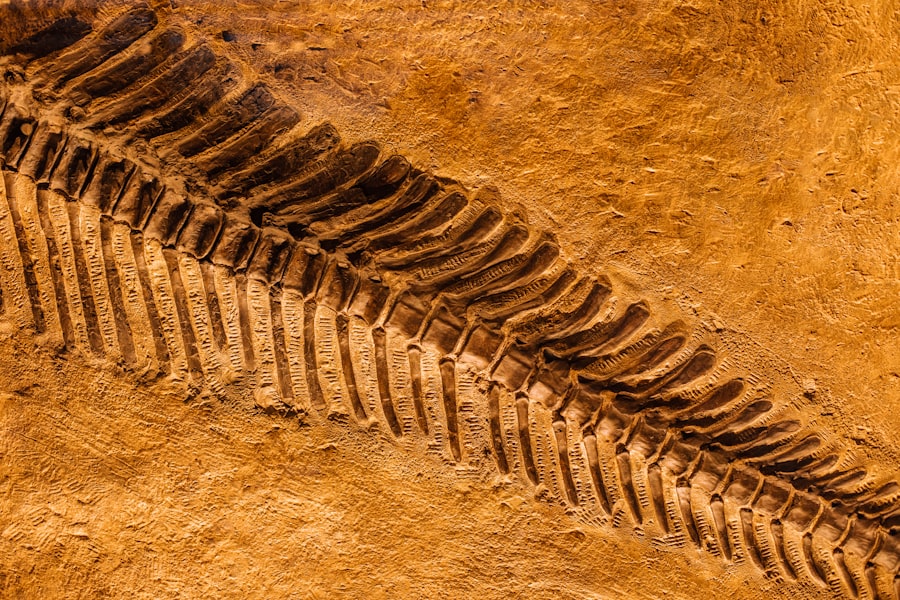
“Unearthing the Past” explores the crucial contributions of paleoanthropologists, who study fossilized human remains and their associated artifacts. This segment allows viewers to witness the analysis of ancient hominin bones, revealing insights into our evolutionary lineage, diet, locomotion, and even the development of early tool use. The documentary emphasizes the meticulous techniques used to date these fossils and the sophisticated technologies employed to analyze their microscopic structures and chemical composition. The profound questions about human origins are addressed with scientific rigor, moving beyond speculation to evidence-based understanding.
In the realm of archaeological science, the exploration of ancient civilizations often reveals insights into their economic systems and societal structures. A fascinating documentary that delves into these themes is “The Secrets of the Ancients,” which examines how early societies managed resources and trade. For those interested in understanding the complexities of modern financial systems, a related article can be found at Understanding Bank Bail-Ins and Dodd-Frank, which discusses contemporary economic frameworks and their implications.
Cutting-Edge Technologies: Seeing the Invisible
As the documentary progresses, the emphasis shifts to the transformative impact of advanced technologies on archaeological discovery. “Unearthing the Past” presents a compelling case for how modern scientific instruments are not just aids but essential tools that allow archaeologists to “see” the invisible, to extract information that was previously inaccessible, and to conduct non-intrusive investigations that preserve fragile sites. The film moves beyond the traditional image of the field, showcasing a high-tech frontier of scientific exploration.
Remote Sensing: Peering Beneath the Surface
This section is a visual feast, showcasing a range of remote sensing techniques that are revolutionizing archaeological exploration. The documentary illustrates how aerial photography, satellite imagery, and LiDAR (Light Detection and Ranging) can identify subtle anomalies in the landscape that might indicate the presence of buried archaeological features. Viewers see how LiDAR, in particular, can penetrate dense vegetation to reveal hidden structures, creating incredibly detailed topographical maps of ancient sites. The film highlights how these technologies allow for targeted investigations, minimizing the need for broad, disruptive excavations.
Ground-Penetrating Radar (GPR): Mapping Subterranean Secrets
The power of Ground-Penetrating Radar (GPR) is vividly demonstrated. The documentary shows GPR units being deployed across various landscapes, with the resulting data displayed as cross-sections that reveal subsurface anomalies. Viewers understand how variations in soil density or the presence of man-made structures create distinct reflections in the radar waves. This non-destructive technique enables archaeologists to map out the extent and depth of buried features, such as walls, foundations, or even ancient burial chambers, before any physical excavation begins. It’s portrayed as a vital tool for site planning and for minimizing damage to sensitive archaeological deposits.
Magnetometry and Resistivity: Detecting Buried Metal and Stone
“Unearthing the Past” also illuminates the principles behind magnetometry and electrical resistivity surveys. The documentary explains how magnetometry detects subtle variations in the Earth’s magnetic field caused by buried ferrous objects or fired materials like hearths and kilns. Similarly, resistivity surveys measure variations in electrical conductivity within the soil, which can indicate the presence of stone walls, compacted floors, or ditches. These techniques, when combined, provide a comprehensive picture of subsurface archaeological features, guiding excavation efforts with remarkable precision.
Laboratory Analysis: Unlocking the Secrets of Artifacts
The film transitions seamlessly from the field to the laboratory, where the real unraveling of artifacts begins. This segment underscores that the scientific journey doesn’t end with the recovery of an object; in many ways, it’s just beginning. The analysis of materials, their composition, and their original context provides a wealth of information that would otherwise remain hidden. The documentary emphasizes that these laboratory techniques are not merely descriptive but are designed to answer specific scientific questions about past human behavior and technology.
Radiocarbon Dating: Establishing Chronological Frameworks
A cornerstone of archaeological dating, radiocarbon dating, is explained with clarity. “Unearthing the Past” shows the process of extracting organic material from artifacts and samples, and the subsequent analysis to determine the decay of carbon-14. The documentary emphasizes the importance of accurate calibration curves and the limitations of the technique, while celebrating its profound ability to place archaeological discoveries within a chronological framework, allowing for the comparison of events across different sites and regions. This technique is presented as fundamental to building a coherent timeline of human history.
Material Science: Deciphering Ancient Craftsmanship
The documentary delves into the fascinating world of material science and its application to archaeology. Viewers witness archaeologists using techniques like X-ray fluorescence (XRF) to determine the elemental composition of metals, ceramics, and stone tools. This reveals information about the origin of raw materials, the sophistication of ancient metallurgy, and the trade networks that existed. The analysis of pottery temper, residue analysis on tools, and the study of ancient pigments all contribute to understanding the technical skills and cultural practices of past societies.
DNA Analysis: Tracing Lineages and Migrations
In a testament to the ever-expanding reach of archaeological science, the documentary explores the groundbreaking use of ancient DNA (aDNA) analysis. The film shows how DNA extracted from human and animal remains can reveal familial relationships, population movements, and even dietary habits. This powerful technology allows researchers to trace migration patterns, understand the domestication of plants and animals, and gain unprecedented insights into the genetic history of humanity. The ethical considerations and challenges of working with ancient DNA are also touched upon, demonstrating a responsible approach to this powerful scientific tool.
Case Studies in Discovery: Stories from the Field
“Unearthing the Past” effectively grounds its scientific principles in captivating case studies. These real-world examples demonstrate how the application of archaeological science has led to significant breakthroughs in our understanding of human history. The documentary uses these narratives to illustrate the power of scientific inquiry to illuminate the lives of people from vastly different eras and cultures.
In the fascinating realm of archaeological science, documentaries often unveil the intricate stories behind ancient civilizations, shedding light on their cultures and technologies. A recent article explores the impact of economic changes on historical artifacts and their preservation, highlighting how modern financial trends can influence archaeological research. For more insights on this topic, you can read the article here: economic changes and their surprising connections to our understanding of the past.
The Secrets of the Moche: Unraveling a Pre-Columbian Civilization
One compelling case study focuses on the Moche civilization of ancient Peru. The documentary showcases how archaeological science has moved beyond the interpretation of iconic pottery and elaborate burials. Through advanced imaging techniques, researchers have identified the layout of vast agricultural systems, revealing the complexity of their water management and agricultural practices. The analysis of skeletal remains, using isotopic studies, has shed light on their diet, health, and even their participation in elaborate ritual sacrifices. The film highlights how scientific analysis has allowed for a more nuanced understanding of their social structure, political organization, and eventual decline.
Isotopic Analysis: Diet, Health, and Social Status
The documentary explains how isotopic analysis of bones and teeth can reveal an individual’s diet and geographic origin. By examining the ratios of different isotopes of elements like carbon, nitrogen, and strontium, scientists can reconstruct what people ate and where they lived during their lives. This has been crucial in understanding the dietary staples of ancient populations, the impact of agriculture, and the extent of mobility and trade networks. For the Moche, this revealed patterns of social stratification, with elites consuming different foods and potentially traveling further than commoners.
Residue Analysis: Clues to Food and Drink
This segment showcases the detection of microscopic residues left on ancient pottery and tools. The film demonstrates how techniques like gas chromatography-mass spectrometry (GC-MS) can identify organic compounds from food and drink, revealing meticulously preserved traces of beverages, cooked foods, and even medicinal substances. For the Moche, residue analysis has confirmed the consumption of maize, peanuts, and chili peppers, and has also provided evidence of sophisticated brewing techniques for fermented beverages, offering a tangible connection to their daily lives and cultural practices.
The Rise and Fall of Pompeii: A Frozen Moment in Time
The documentary’s exploration of Pompeii offers another powerful illustration of archaeological science in action. While the city’s dramatic preservation through volcanic ash is itself a remarkable archaeological phenomenon, the film emphasizes how scientific techniques have deepened our understanding of life before the eruption. Viewers see how the analysis of preserved organic materials, the study of the city’s infrastructure, and the meticulous documentation of the eruption’s impact have provided an unparalleled snapshot of Roman urban life.
Digital Reconstruction: Bringing the Past to Life
“Unearthing the Past” highlights the incredible work of digital reconstruction. Using data gathered from excavations and scientific analysis, archaeologists and digital artists are creating immersive virtual environments of ancient Pompeii. The documentary showcases these digital reconstructions, allowing viewers to virtually walk through the streets, enter houses, and witness the daily activities of its inhabitants. This technology not only makes the past more accessible but also helps archaeologists test hypotheses about the city’s layout and functionality.
Analyzing Volcanic Ash: Understanding the Eruption’s Dynamics
The film delves into the scientific analysis of the volcanic ash that entombed Pompeii. Geologists and volcanologists are meticulously studying the composition and stratigraphy of the ashfall to understand the precise sequence and intensity of the eruption. This research provides crucial insights into the nature of volcanic hazards and helps inform disaster preparedness for modern communities living near active volcanoes. The documentary emphasizes that even in catastrophic events, science can provide invaluable lessons for the future.
Ethical Considerations and the Future of Archaeological Science
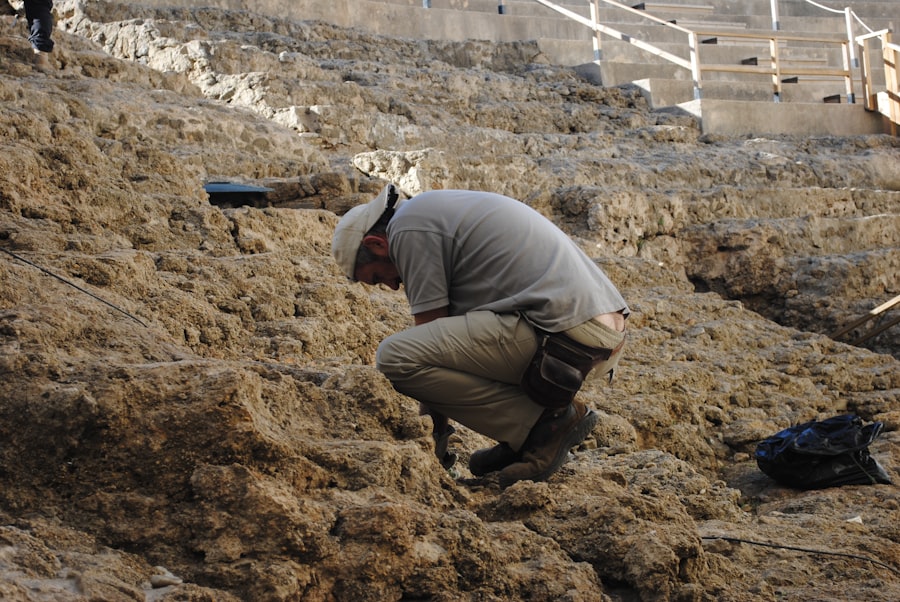
“Unearthing the Past” concludes by addressing the critical ethical considerations and the exciting future trajectory of archaeological science. The documentary acknowledges that the pursuit of knowledge must be balanced with respect for heritage, cultural sensitivities, and the responsible stewardship of archaeological resources. It also paints an optimistic picture of future innovations and challenges.
The Importance of Repatriation and Indigenous Collaboration
A significant portion of the concluding segment is dedicated to the ethical imperative of repatriation and collaboration with indigenous communities. The documentary features discussions with indigenous elders and archaeologists who emphasize the importance of respecting cultural heritage and involving descendant communities in the interpretation and management of their ancestral lands and artifacts. The film advocates for a shift towards more collaborative and respectful practices, where local knowledge and perspectives are integrated with scientific findings.
Respecting Cultural Heritage: Beyond Excavation
The documentary stresses that the responsible practice of archaeology extends beyond the initial excavation. It highlights the importance of long-term site preservation, the ethical curation of artifacts, and the dissemination of knowledge in a way that is accessible and respectful to all communities. The film argues for a holistic approach that considers the cultural significance of archaeological discoveries and their impact on present-day societies.
Building Bridges: Indigenous Knowledge and Scientific Methods
“Unearthing the Past” champions the idea of building bridges between indigenous knowledge systems and scientific methodologies. The film showcases examples of how traditional ecological knowledge, passed down through generations, can complement and inform scientific investigations. By fostering mutual respect and understanding, this collaborative approach leads to richer, more complete interpretations of the past and ensures that archaeological research benefits the communities most connected to the heritage being studied.
Emerging Technologies and Future Frontiers
The documentary offers an exciting glimpse into the future of archaeological science. It highlights how emerging technologies, such as artificial intelligence, advanced robotics, and molecular imaging, are poised to further revolutionize the field. The film suggests that these innovations will enable even more precise and non-intrusive investigations, expand our ability to analyze microscopic evidence, and unlock new avenues of inquiry into the human past.
AI and Big Data: Processing and Interpreting Information
The potential of Artificial Intelligence (AI) and the analysis of “big data” in archaeology is explored. The documentary suggests that AI can be used to automate the identification of features in remote sensing data, analyze vast archives of field notes and images, and even identify patterns in complex datasets that might evade human observation. This promises to accelerate the pace of discovery and unlock new insights from existing research.
Robotics and Drones: Exploring Inaccessible Sites
The use of robotics and drones in archaeology is presented as a key area of future development. The film illustrates how drones equipped with various sensors can efficiently survey large areas, providing high-resolution imagery and data for site mapping and monitoring. The potential of underwater robotics for exploring submerged sites and the use of robotic excavation systems for safer and more precise digging in fragile environments are also discussed.
In conclusion, “Unearthing the Past: Archaeological Science” is more than just a documentary; it is a testament to the power of human curiosity, scientific innovation, and the enduring quest to understand our place in the grand tapestry of time. It eloquently argues that by embracing the rigorous methodologies and cutting-edge technologies of archaeological science, we are not just unearthing the past, but also illuminating our present and forging a more informed future. The film leaves the viewer with a profound appreciation for the intricate work involved in reconstructing our shared human story, one meticulously analyzed artifact and one scientifically validated insight at a time.

How Volcanic Glass Solved a 10,000-Year-Old Mystery
FAQs
What is archaeological science?
Archaeological science is the application of scientific techniques and methods to the study of archaeological materials in order to understand past human behavior and societies.
What does an archaeological science documentary entail?
An archaeological science documentary typically involves the exploration of archaeological sites, the analysis of artifacts and materials, and the use of scientific methods such as carbon dating, DNA analysis, and remote sensing to uncover new insights about ancient civilizations.
What are the benefits of watching an archaeological science documentary?
Watching an archaeological science documentary can provide viewers with a deeper understanding of human history, the development of civilizations, and the scientific methods used to uncover and interpret archaeological evidence.
Where can one watch archaeological science documentaries?
Archaeological science documentaries can be found on streaming platforms, such as Netflix, Amazon Prime, and National Geographic, as well as on educational channels and websites dedicated to archaeology and history.
What are some popular archaeological science documentaries?
Some popular archaeological science documentaries include “The Lost City of Machu Picchu,” “Secrets of the Dead,” “Nova: The Bible’s Buried Secrets,” and “Time Scanners.” These documentaries explore various archaeological sites and use scientific methods to uncover new discoveries about ancient civilizations.