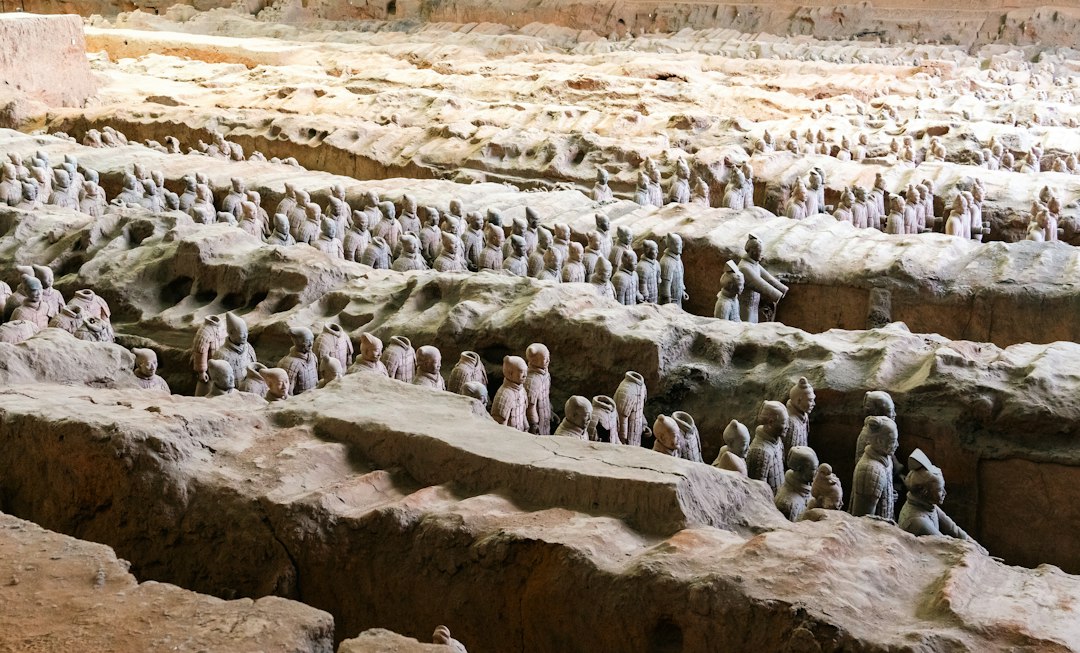
The dust motes danced in the sunbeams piercing the ancient tomb, a silent testament to millennia of existence. This was not merely a collection of relics; it was a narrative waiting to be read, a story whispered by the earth itself. The documentary “Unearthing the Past: Archaeology and the Climate Crisis” takes viewers on a journey, not just through the tangible remnants of bygone civilizations, but through the invisible currents of climate that shaped their rise and fall, and perhaps, portend our own future. The film masterfully weaves together archaeological discoveries with cutting-edge climate science, demonstrating how the environment has always been an active protagonist in human history, dictating survival, migration, and innovation.
This exploration is not a dry academic lecture. Instead, it employs vivid storytelling, breathtaking cinematography of remote excavation sites, and insightful interviews with leading archaeologists, paleoclimatologists, and environmental historians. The documentary’s central thesis is compelling: understanding how past societies responded to climate change offers invaluable lessons for navigating our present and future environmental challenges. It posits that the echoes of ancient droughts, floods, and temperature shifts are not confined to textbooks but resonate with an urgent relevance in the 21st century.
Echoes of Ancient Climate Shifts
The documentary opens with a stark reminder of the deep time scales involved in Earth’s climatic history. It immediately challenges the perception of a static past, showcasing how even seemingly stable periods were punctuated by significant environmental fluctuations. The visual journey begins in the arid landscapes of the Fertile Crescent, where the cradle of civilization once flourished. Here, archaeologists have unearthed evidence of sophisticated irrigation systems and agricultural practices that enabled large populations to thrive. However, the film meticulously details the evidence of past droughts, periods of intense aridity that forced migrations and fundamentally altered the course of human development.
The Long Memory of Drought
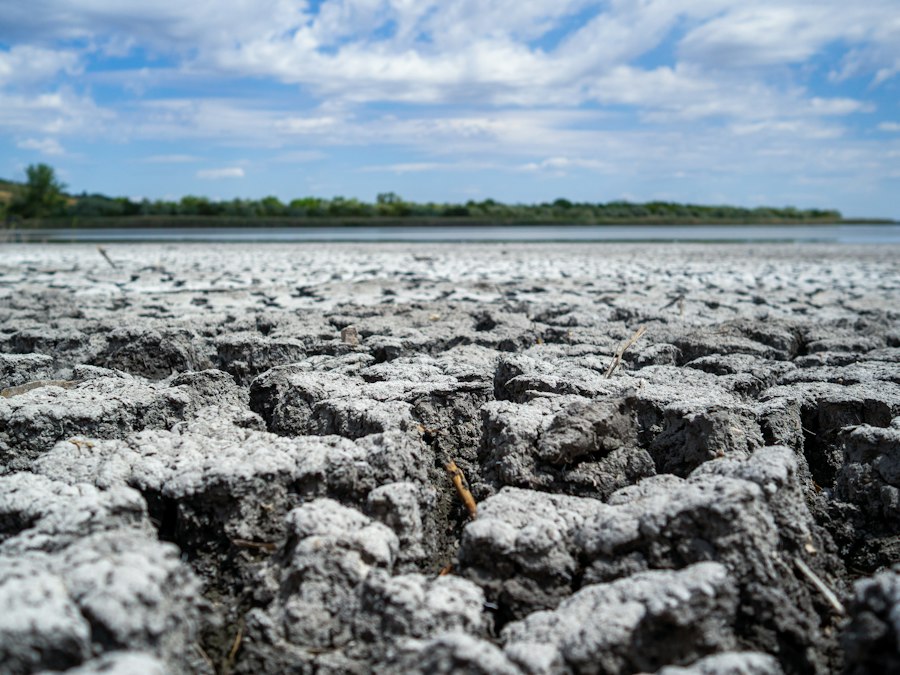
One of the most compelling narratives within this section focuses on the collapse of the Akkadian Empire, a Bronze Age superpower that dominated Mesopotamia around 4,300 years ago. Researchers, using paleoenvironmental proxies such as lake sediment cores and ice cores, have pieced together a picture of a devastating, multi-century drought that gripped the region. The documentary visually represents this by showing the dried-up riverbeds and the barren landscapes that replaced once-fertile plains. Archaeological findings, including abandoned settlements and evidence of rapid depopulation, corroborate the climate data. The film’s narration emphasizes how this environmental stress likely weakened the empire, making it vulnerable to internal strife and external invasions, leading to its eventual demise. This serves as an early, powerful illustration of how environmental pressures can destabilize even the most powerful human constructs.
Water: The Double-Edged Sword of Civilization
The documentary then shifts to examine the impact of excessive water, highlighting societies that were undone by floods and rising sea levels. The inhabitants of coastal regions in various parts of the world, from ancient coastal communities to early island civilizations, faced a constant battle with the sea. The film presents archaeological evidence of submerged settlements, suggesting that gradual sea-level rise, or even sudden inundation events, could render established habitations uninhabitable. In contrast, regions prone to extreme flooding, such as those with monsoon climates, also faced unique challenges. The documentary showcases how communities developed adaptive strategies, building raised structures, developing flood control mechanisms, and understanding seasonal water cycles. However, it also presents instances where exceptionally severe flood events overwhelmed these defenses, leading to displacement and societal disruption. The narrative underscores the precarious balance humans have always struck with water, a resource essential for life but equally capable of destruction.
In recent years, the intersection of archaeology and climate change has garnered significant attention, particularly in how rising sea levels and changing weather patterns threaten ancient sites. A compelling exploration of this topic can be found in the article titled “The River: Engine Powering the Two Crowns,” which delves into the impact of environmental shifts on historical landscapes and archaeological findings. To read more about this fascinating subject, visit the article here: The River: Engine Powering the Two Crowns.
Adapting to a Changing World: Human Ingenuity and Resilience
A significant portion of “Unearthing the Past” is dedicated to exploring the remarkable adaptability of past human societies in the face of environmental challenges. Far from being passive victims, these communities developed ingenious solutions to survive and thrive in fluctuating climates. The documentary presents a series of case studies that illustrate human resilience and innovation, showcasing a spectrum of strategies that ranged from technological advancements to social and economic restructuring. These examples offer a hopeful, albeit cautionary, perspective on humanity’s capacity to respond to adversity.
Masters of Water Management
The film delves deeply into the engineering prowess of ancient peoples in managing water resources. The intricate canal systems of the Maya civilization, for instance, are highlighted as a testament to their understanding of hydrology and their ability to sustain large urban populations in a tropical environment prone to distinct wet and dry seasons. Archaeologists have uncovered evidence of sophisticated reservoirs, aqueducts, and even wastewater management systems, demonstrating a profound connection to and control over their water resources. Similarly, the documentary explores the extensive irrigation networks developed by the Nabataeans in the Negev Desert, allowing them to transform an arid landscape into a productive agricultural region and establish thriving trade centers like Petra. These examples are presented not just as historical curiosities but as blueprints for sustainable water management, offering lessons that remain relevant in today’s water-scarce world. The film suggests that the success of these ancient societies was intrinsically linked to their ability to harness and conserve water, a skill that modern societies often struggle to replicate.
Nomadic Strategies and Flexible Lifestyles
The documentary also examines the adaptive strategies of nomadic and semi-nomadic peoples, who by their very nature, possess a high degree of mobility and flexibility. The herders of the Eurasian Steppe, for example, are depicted as having developed a deep understanding of pasture availability and seasonal changes, allowing them to move their herds to optimal grazing lands. Their entire social and economic structure was built around responding to environmental cues. The film uses archaeological evidence, such as burial sites containing evidence of long-distance trade and the remains of domesticated animals, to illustrate the complex networks and sophisticated knowledge systems that underpinned these mobile lifestyles. Their ability to adapt and move, rather than being tied to a single location, offered a distinct advantage in environments where resources could be unpredictable. This contrasts with settled agricultural societies, which, while capable of impressive feats of engineering, were often more vulnerable to localized environmental disasters.
In recent years, the intersection of archaeology and climate change has become a focal point for researchers aiming to understand how ancient civilizations adapted to their environments. A fascinating article that delves into this topic is available at Unearthing Ancient Secrets, which explores how shifting climates influenced the development and decline of various cultures throughout history. This documentary sheds light on the hidden histories that emerge when we consider the impact of environmental changes on human societies.
Societal Restructuring in Response to Scarcity
Beyond technological and lifestyle adaptations, the documentary also explores how entire societies restructured themselves in response to climate-induced scarcity. The decline of certain Mesopotamian cities during periods of prolonged drought is examined, not just as a consequence of environmental stress, but as a catalyst for societal reorganization. Archaeological findings suggest that in some cases, larger political entities dissolved, leading to the formation of smaller, more resilient communities that could better manage localized resources. Conversely, periods of relative environmental stability sometimes led to population booms and the development of more complex social hierarchies and specialized labor. The film argues that understanding these shifts in social organization, driven by environmental pressures, can offer insights into how human societies can proactively adapt to current and future environmental changes, potentially avoiding catastrophic collapse.
The Anthropocene’s Archaeological Record
The documentary boldly bridges the gap between ancient climate impacts and the current era of human-driven climate change, often referred to as the Anthropocene. It argues that the archaeological record provides a unique perspective on the consequences of humanity’s interaction with the environment, and that the patterns observed in the past are a stark warning for the present. The film’s exploration of this theme is both sobering and urgent, highlighting the unprecedented scale and speed of current climatic shifts.
Tracing Human Footprints in Earth’s Layers
The documentary presents compelling archaeological evidence that demonstrates how human activities, even in pre-industrial times, have left tangible marks on the environment. It showcases examples of deforestation driven by agricultural expansion, soil erosion caused by unsustainable farming practices, and the alteration of landscapes through mining and construction. These are presented not as isolated incidents but as recurring themes in human history, illustrating the long-standing capacity for humans to impact their surroundings. However, the film emphasizes that the scale and speed of these impacts in the Anthropocene are vastly different. The archaeological perspective allows us to see that the environmental consequences of human actions are not new, but their current magnitude is unprecedented.
Lessons from Past Environmental Catastrophes
The documentary draws parallels between past environmental collapses and the potential consequences of unchecked climate change today. It examines instances where civilizations succumbed to a combination of environmental pressures and societal weaknesses. For example, the decline of the Western Roman Empire is explored, with a focus on how climate fluctuations, such as changes in rainfall patterns affecting agricultural yields, may have exacerbated existing social and economic vulnerabilities, contributing to its eventual fragmentation. The film uses archaeological evidence of agricultural decline, shifts in trade routes, and evidence of societal unrest to support these arguments. The message is clear: environmental stress, when combined with other societal factors, can be a potent recipe for collapse.
The Unprecedented Nature of Modern Climate Change
Crucially, “Unearthing the Past” acknowledges the unique nature of the current climate crisis. While past societies faced climate shifts, the current rate of warming and the concentration of greenhouse gases in the atmosphere are unparalleled in recent geological history. The film uses paleoclimate data to illustrate this point, showing graphs of past temperature fluctuations that appear minuscule compared to the steep upward trajectory of the present. Archaeologists and climate scientists interviewed in the documentary express concern that the speed of current change may outpace humanity’s adaptive capacity, leaving us with fewer historical precedents to draw upon for effective solutions. The archaeological record serves as a stark reminder of the consequences of ignoring environmental signals.
The Future of Archaeology in a Warming World
The documentary concludes by looking forward, exploring the evolving role of archaeology in an era of profound environmental change. It argues that archaeologists are not just excavators of the past but crucial observers and interpreters of the present, uniquely positioned to document the impact of climate change on human heritage and to inform future adaptation strategies. The film emphasizes the growing importance of interdisciplinary collaboration and the development of new methodologies to address the challenges of a warming world.
Documenting Climate Impacts on Cultural Heritage
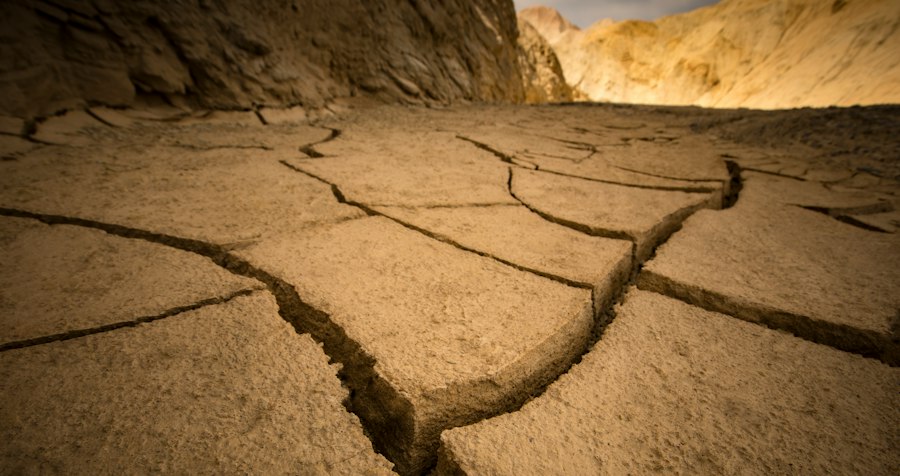
A significant aspect of this forward-looking discussion involves the urgent need to document and preserve cultural heritage sites that are increasingly threatened by climate change. The documentary showcases examples of coastal archaeological sites being eroded by rising sea levels, ancient ruins being damaged by extreme weather events, and historical landscapes being altered by desertification and flooding. Archaeologists are now working against the clock to record these sites, using advanced technologies such as 3D scanning and remote sensing, to create digital archives before they are lost forever. The film highlights the ethical imperative of this work, recognizing that the loss of these sites represents the erosion of collective human memory and identity.
Informing Modern Adaptation and Mitigation Efforts
The documentary strongly advocates for the integration of archaeological knowledge into contemporary climate policy and adaptation strategies. It suggests that by understanding how past societies responded to environmental challenges, we can gain valuable insights into effective and sustainable solutions for the future. For instance, studying ancient water management systems can inform modern water conservation efforts, while examining the reasons for past societal collapses can help us avoid similar pitfalls today. The film argues that archaeologists can provide a unique long-term perspective, helping policymakers to consider the enduring impacts of their decisions on both human societies and the environment. This interdisciplinary approach, where archaeological data informs climate modeling and adaptation planning, is presented as essential for navigating the complex challenges of the Anthropocene.
The Ethical Imperative of Preservation
Ultimately, “Unearthing the Past” leaves viewers with a profound sense of responsibility. It underscores the ethical imperative to not only understand the past but to actively work towards preserving our planet and its rich cultural heritage for future generations. The documentary suggests that the lessons learned from the earth’s deep history, revealed through the patient work of archaeologists, are not mere academic curiosities but vital guides for ensuring a sustainable and equitable future. The final scenes, juxtaposing ancient ruins with modern, climate-challenged landscapes, serve as a powerful call to action, urging viewers to connect with the past to better safeguard the future.
Your 401(k) Withdrawal Can Make More of Your Social Security Taxable
FAQs
What is the significance of archaeology documentaries in understanding climate change?
Archaeology documentaries provide valuable insights into how past civilizations adapted to and were impacted by climate change, helping us better understand the long-term effects of environmental shifts.
How do archaeologists use artifacts to study past climate conditions?
Archaeologists analyze artifacts such as tools, pottery, and plant remains to reconstruct past climate conditions, including temperature fluctuations, precipitation patterns, and natural disasters.
What role do ancient structures play in studying the impact of climate on civilizations?
Ancient structures like temples, dwellings, and irrigation systems offer clues about how past societies coped with changing climate conditions, revealing their resilience and innovative solutions.
Can archaeology documentaries help raise awareness about current climate change issues?
By showcasing how past civilizations thrived or collapsed in response to climate change, archaeology documentaries can raise awareness about the urgent need to address current environmental challenges and adopt sustainable practices.
How do archaeologists collaborate with climate scientists to study the impact of climate change on archaeological sites?
Archaeologists collaborate with climate scientists to combine historical data with modern climate models, enabling them to assess the vulnerability of archaeological sites to climate change and develop strategies for their preservation.