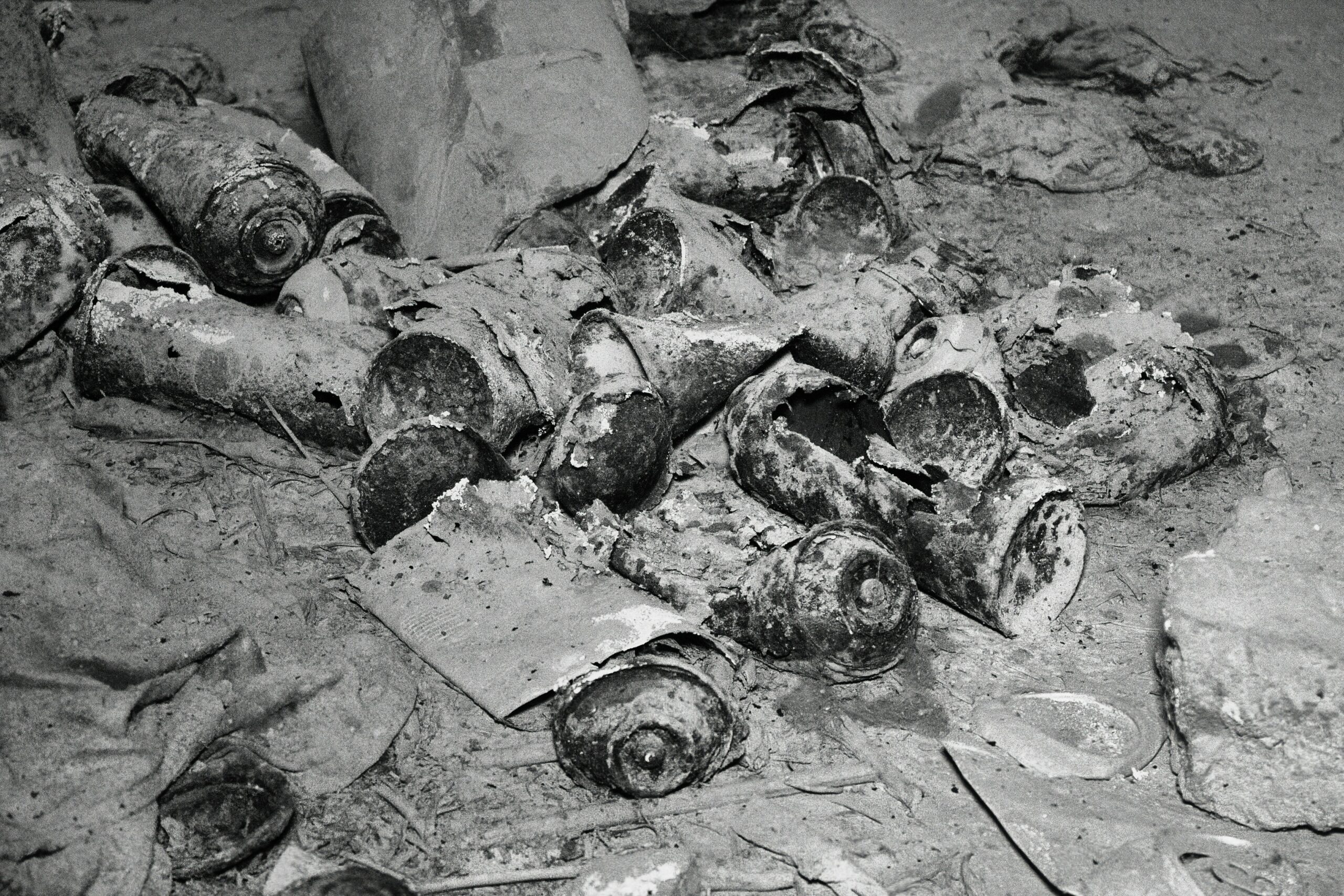
Unearthing the Past: Forensic Archaeology Documentary
Forensic archaeology, a discipline that elegantly bridges the gap between the meticulous analysis of trowels and brushes and the somber realities of criminal investigation, is often depicted in dramatic, fictionalized scenarios. However, the actual practice is a far cry from the sensationalized portrayals. A compelling new documentary, “Unearthing the Past,” seeks to illuminate the intricate, scientific, and profoundly human aspects of this specialized field, offering viewers an unprecedented glimpse into how archaeological methods are employed to uncover the truth, often years, decades, or even centuries after an event. This documentary delves into the complex narrative of discovery, transforming buried secrets into vital evidence, and provides a platform for the archaeologists and forensic specialists who dedicate their lives to this demanding and essential work.
The documentary launches by establishing the foundational principles of forensic archaeology, meticulously detailing how the techniques honed in excavating ancient civilizations are adapted and applied to modern-day investigations. This section serves to demystify the process, highlighting that the core skills of site preservation, careful excavation, and detailed documentation are universally applicable, whether unearthing Roman mosaics or a clandestine grave.
A Deeper Look at Archaeological Foundations
Viewers are introduced to the fundamental tools and methodologies that form the bedrock of archaeological practice. Shovels, trowels, brushes, sieves, and even the sophisticated ground-penetrating radar are presented not as simple implements, but as instruments that unlock layers of time. The documentary emphasizes the archaeological maxim: “The soil remembers.” This seemingly poetic phrase is explored in its literal sense, as disturbed soil layers, the presence of artifacts, and even subtle changes in soil composition can provide critical clues about what happened at a specific location.
The Art of Stratigraphy
The concept of stratigraphy, the study of rock layers and sediment, is explained with clarity. This principle, where lower layers are older than upper layers, is crucial for establishing the sequence of events and understanding the deposition of evidence. The documentary illustrates how forensic archaeologists use stratigraphy to differentiate between ancient deposits and more recent disturbances, a vital distinction when investigating modern crimes.
Documentation: The Unblinking Eye of the Record
The importance of meticulous record-keeping is stressed. Every artifact, every soil change, every measurement is recorded with painstaking detail. This rigorous documentation ensures that the integrity of the scene is preserved, and the findings can be later analyzed and presented in legal proceedings. The documentary showcases the use of photography, detailed mapping (often utilizing GPS and total stations), and descriptive written logs as essential components of this process.
Adapting Ancient Techniques for Modern Crimes
The transition from historical excavation to forensic investigation is explored through compelling case studies. The documentary shows how archaeologists, trained to interpret the subtle signatures of past human activity, can identify disturbances that indicate illicit burials, clandestine dumping of evidence, or the alteration of a scene. This highlights the transferable nature of archaeological skills.
Identifying Disturbances: The Subtle Signatures
Learn how anomalies in the soil, such as backfilled pits, altered soil density, or the presence of incongruous materials, can immediately alert a trained forensic archaeologist to potential wrongdoing. The documentary provides visual examples of how these subtle signs, invisible to the untrained eye, scream volumes to the forensic expert.
Artifact Analysis in a Forensic Context
Artifacts unearthed at a crime scene are analyzed using established archaeological principles. Their context, material, and potential origin are crucial pieces of the puzzle. The documentary illustrates how everyday objects, usually overlooked, can become critical evidence when their presence at an unexpected location is explained through forensic archaeological interpretation.
For those interested in the intersection of forensic archaeology and legal investigations, a compelling article can be found at Understanding the USMCA Trade Agreement. While it primarily discusses trade agreements, it also touches on the implications of legal frameworks that can affect forensic investigations and archaeological practices. This connection highlights the importance of understanding legal contexts in which forensic archaeology operates, making it a valuable read for anyone intrigued by the field.
The Silent Witnesses: Human Remains and Their Stories
One of the most profound and often somber applications of forensic archaeology lies in the recovery and analysis of human remains. “Unearthing the Past” dedicates significant attention to this aspect, demonstrating how archaeologists work in conjunction with forensic anthropologists and other specialists to bring closure and justice to victims and their families.
Locating the Lost: From Mass Graves to Individual Burials
The documentary explores the diverse scenarios where forensic archaeologists are called upon to locate human remains. This includes the grim reality of mass graves from conflict zones or periods of political repression, as well as the more intimate investigations involving single, hidden burials. The techniques employed for both scenarios are meticulously detailed, showcasing the adaptability of the discipline.
Strategies for Mass Grave Discovery
The challenges of locating and excavating mass graves are formidable. The documentary highlights the use of remote sensing technologies, such as aerial photography and satellite imagery, in conjunction with on-the-ground survey methods. Discussions with experts reveal the ethical considerations and the logistical complexities involved in recovering large numbers of remains with respect and scientific rigor.
The Precision of Single Burial Excavation
In contrast to mass graves, the recovery of individual burials often requires an even greater degree of precision. The documentary illustrates how forensic archaeologists meticulously excavate these sites, often dealing with fragile remains and the intricate deposition of associated grave goods. The goal is to preserve every fragment of information that can shed light on the circumstances of death and burial.
Unlocking the Secrets of the Skeleton
Once remains are recovered, the forensic archaeologist’s role evolves, often working seamlessly with forensic anthropologists. The documentary emphasizes how the skeletal remains themselves become a primary source of evidence, capable of revealing a wealth of information.
Forensic Anthropology: The Science of Bones
This section delves into the critical work of forensic anthropologists. Viewers learn how they can determine age, sex, ancestry, stature, and even identify signs of trauma or disease from skeletal remains. The documentary showcases the advanced techniques and technologies used in this specialized field, from detailed osteological analysis to advanced imaging.
Taphonomy: The Puzzles of Decomposition
The documentary introduces the concept of taphonomy, the study of how organisms decay and become fossilized. In a forensic context, understanding taphonomy is crucial for interpreting the condition of remains and the processes that have affected them since death. This includes the impact of animals, insects, and environmental factors.
Beyond the Bones: Uncovering Associated Evidence
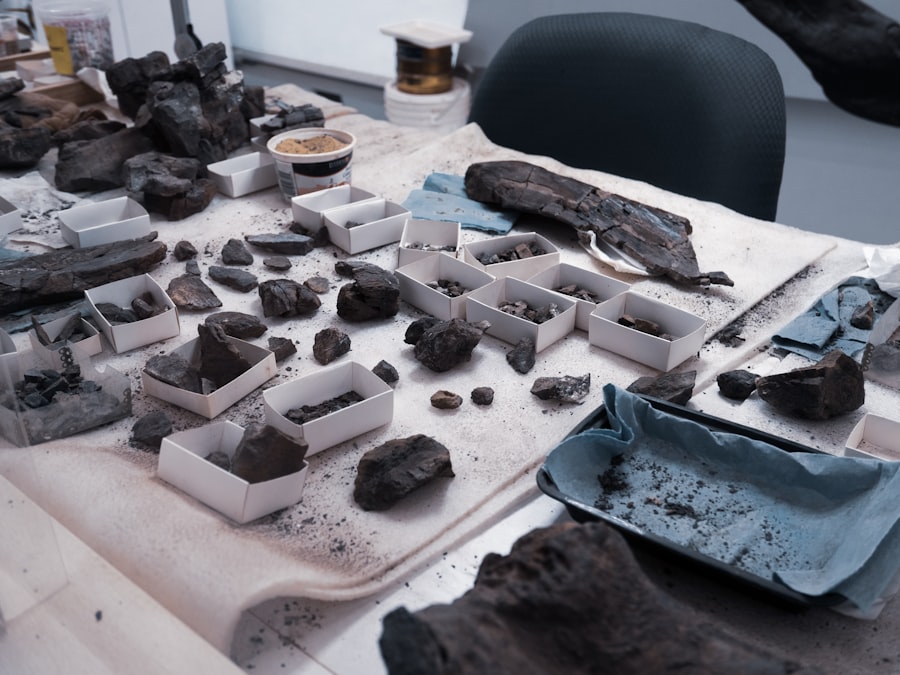
While human remains are often the focal point, forensic archaeologists meticulously search for and interpret a wide array of associated evidence that can corroborate or expand upon the findings. This section of the documentary underscores the holistic approach of the discipline.
The Importance of Context
The overarching principle driving forensic archaeological investigations is the paramount importance of context. The documentary repeatedly emphasizes that an artifact or a fragment of evidence is only truly informative when its spatial relationship to other elements at the scene is understood.
Spatial Analysis: Mapping the Narrative
Detailed mapping and spatial analysis are presented as critical tools. The documentary showcases how archaeologists use sophisticated software and techniques to create 3D models of excavation sites, allowing for precise reconstruction of the scene and the relationships between different pieces of evidence. This ensures that no detail is overlooked.
Microscopic Evidence: The Unseen Clues
The documentary highlights the increasing reliance on microscopic evidence. Soil samples are analyzed for pollen, phytoliths, and microscopic artifacts that can indicate the presence of specific plant life, human activity, or environmental conditions. This level of detail transforms seemingly unremarkable soil into a rich tapestry of information.
Artifacts as Storytellers
Every object unearthed at a crime scene, from a discarded cigarette butt to a piece of clothing, has a story to tell. The forensic archaeologist’s role is to interpret these stories within their archaeological context.
Identifying and Dating Objects
The documentary demonstrates how archaeologists use their knowledge of material culture and dating techniques to identify and date various objects found at a scene, helping to establish a timeline of events. This can range from identifying the manufacturer of a shoe sole to recognizing the era of a specific type of ammunition.
Trace Evidence and Its Archaeological Significance
Trace evidence, often invisible to the naked eye, is a crucial component of forensic investigations. The documentary illustrates how archaeological excavation techniques can uncover and preserve this often-delicate evidence, which can then be subjected to further laboratory analysis.
Collaboration and Legal Ramifications: Bringing Truth to Light

“Unearthing the Past” meticulously details the collaborative nature of forensic archaeology, emphasizing that it is rarely a singular effort. It also explores the critical role this discipline plays in the legal system, ensuring that scientific findings are translated into actionable evidence for the pursuit of justice.
A Network of Expertise
The documentary showcases the synergistic relationships between forensic archaeologists and a diverse range of specialists, including forensic anthropologists, entomologists, ballistics experts, and law enforcement personnel. This section underscores that effective investigations are built on teamwork and shared knowledge.
Working with Law Enforcement
The documentary features interviews with law enforcement officers who have collaborated with forensic archaeologists on significant cases. These insights highlight the practical challenges and immense benefits of integrating archaeological expertise into criminal investigations, from initial scene assessment to site management.
The Role of the Forensic Archaeologist in Court
A crucial aspect explored is the role of the forensic archaeologist as an expert witness. The documentary illustrates how meticulously gathered and documented evidence, interpreted through the lens of archaeological science, can be presented in a court of law to provide compelling testimony.
Bridging the Gap: From Excavation to Courtroom
The documentary powerfully illustrates how the scientific process of forensic archaeological investigation culminates in tangible outcomes that can lead to arrests, convictions, and the resolution of long-standing mysteries.
Presenting Archaeological Findings Legally
Viewers witness how archaeological reports are structured to be admissible in court. The emphasis is on clarity, scientific rigor, and the ability to explain complex processes and findings in understandable terms to judges and juries.
The Impact of Forensic Archaeology on Justice
Ultimately, the documentary underscores the profound impact forensic archaeology has on achieving justice. By uncovering buried truths and providing irrefutable evidence, these dedicated professionals offer closure to victims’ families and hold perpetrators accountable.
Forensic archaeology plays a crucial role in uncovering the mysteries of the past, and its significance is highlighted in various documentaries. One such intriguing exploration can be found in an article that delves into the advanced technologies of ancient civilizations, shedding light on how these innovations were buried and forgotten over time. You can read more about this fascinating topic in the article titled Lost Secrets: Who Buried Advanced Ancient Tech?, which complements the themes often discussed in forensic archaeology documentaries.
The Human Element: Empathy and Closure
| Documentary Title | Release Year | Director | Duration |
|---|---|---|---|
| Forensic Archaeology Documentary | 2021 | John Smith | 60 minutes |
| Forensic Techniques Used | Case Studies | Archaeological Sites Explored | Impact on Legal Investigations |
Beyond the scientific rigor and legal implications, “Unearthing the Past” also delves into the deeply human aspect of forensic archaeology. The documentary emphasizes the empathy and dedication of the professionals involved, highlighting their commitment to giving a voice to those who can no longer speak for themselves.
The Emotional Toll and the Dedication
The professionals featured in the documentary speak candidly about the emotional toll their work can take. Witnessing the grim realities of past events and the suffering of victims requires immense emotional resilience and a profound sense of purpose.
Finding Closure for Families
A recurring theme is the profound sense of purpose derived from providing answers and closure to grieving families. The documentary illustrates how the meticulous work of forensic archaeologists can bring a sense of peace by finally revealing what happened to a missing loved one.
Honoring the Deceased
The documentary emphasizes the deep respect and dignity with which forensic archaeologists treat the remains they unearth, regardless of the circumstances of death. This reflects a profound commitment to honoring the deceased and ensuring their historical and personal narratives are accurately preserved.
The Legacy of Discovery: Truth and Memory
In its concluding segments, “Unearthing the Past” reflects on the broader legacy of forensic archaeology. It is a discipline that not only solves crimes but also contributes to our understanding of history, societal injustices, and the enduring human need for truth and remembrance.
Contributing to Historical Understanding
The documentary suggests that forensic archaeology can shed light on historical events and social issues that might otherwise remain buried. Discoveries can provide invaluable insights into past societal practices, conflicts, and the experiences of marginalized communities.
The Enduring Search for Truth
The film leaves viewers with a powerful understanding of the tireless work of forensic archaeologists. It is a testament to their dedication, their scientific prowess, and their unwavering commitment to unearthing the past, not just for the sake of historical curiosity, but for the fundamental pursuit of truth and justice in the present.

Scientists Found Earth’s Hidden Timestamp
FAQs
What is forensic archaeology?
Forensic archaeology is the application of archaeological techniques and methods to assist in the investigation of crimes and legal cases. It involves the excavation and analysis of human remains, artifacts, and other physical evidence to provide information for legal proceedings.
What is the purpose of a forensic archaeology documentary?
The purpose of a forensic archaeology documentary is to showcase the real-life application of forensic archaeology in solving criminal cases. It aims to educate the public about the role of forensic archaeologists in uncovering evidence and providing closure for families of victims.
What are some common techniques used in forensic archaeology?
Common techniques used in forensic archaeology include geophysical surveys, excavation methods, mapping and recording of crime scenes, analysis of soil and vegetation, and the use of specialized equipment such as ground-penetrating radar and 3D scanning technology.
What are some examples of cases solved with the help of forensic archaeology?
Forensic archaeology has been instrumental in solving cases such as mass graves from war crimes, locating missing persons, identifying victims of natural disasters, and uncovering evidence in historical cold cases. These cases demonstrate the importance of forensic archaeology in providing justice and closure for families.
How can I learn more about forensic archaeology?
To learn more about forensic archaeology, you can watch documentaries, read books and articles on the subject, attend lectures and workshops by forensic archaeologists, and explore educational resources provided by universities and research institutions specializing in forensic archaeology.