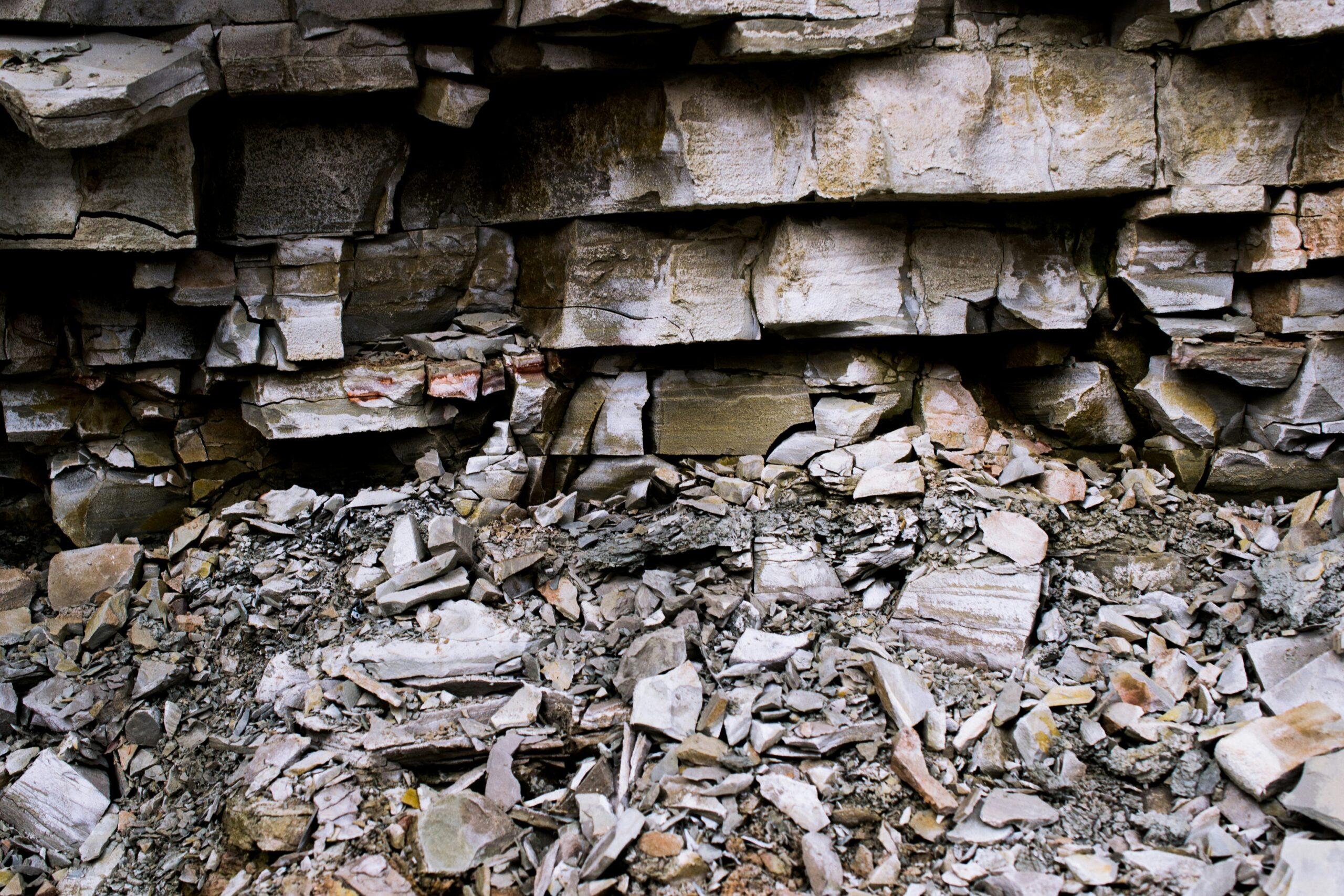
For millennia, civilizations have grappled with the destructive power of earthquakes. Yet, scattered across the globe, ancient structures stand testament to an incredible resilience, defying the very forces that have reduced so much else to rubble. The secrets embedded within their stones, the meticulous craftsmanship and ingenious design, offer a profound lesson in engineering and a fascinating glimpse into the minds of our ancestors. This article delves into the world of earthquake-resistant ancient stonework, unearthing the principles and techniques that allowed these structures to endure.
The story of earthquake-resistant architecture is not a modern one. Long before the advent of seismic sensors and complex computational modeling, ancient builders recognized the inherent instability of the earth and developed sophisticated methods to counteract it. From the towering temples of the Incas to the intricate city walls of the Mediterranean, these structures have weathered countless tremors, some of which would have leveled modern buildings if not for their specifically engineered foundations and construction. The longevity of these marvels of engineering speaks volumes about the deep understanding of natural forces possessed by these ancient cultures. They didn’t just build; they built with an implicit understanding of the ground beneath them and the potential for disruption.
Defining “Earthquake-Resistant” in an Ancient Context
It is crucial to understand that “earthquake-resistant” in an ancient context does not necessarily imply the complete immunity to damage that modern seismic design strives for. Instead, these structures were designed to withstand the forces, dissipate their energy, and minimize catastrophic collapse. The goal was often survival – to remain standing, even if damaged, allowing for repair and continued use. This pragmatic approach, honed through generations of observation and adaptation, contrasts with a modern emphasis on absolute structural integrity and rapid return to full functionality. The builders of antiquity were often faced with limited resources and technological capabilities, making their achievements even more remarkable. Their definition of success was survival and continuity, not necessarily pristine preservation.
A Global Tapestry of Resilience
The phenomenon of earthquake-resistant ancient stonework is not confined to a single region or civilization. Evidence of similar principles can be found across diverse cultures and geographical locations.
The Andean Marvels: Inca Engineering and Seismic Adaptation
The Inca Empire, nestled in the seismically active Andes Mountains, provides perhaps the most compelling examples of ancient earthquake resistance. Their stonework, characterized by precisely cut and fitted blocks, has withstood centuries of seismic activity and remains remarkably intact.
The Art of the Perfect Fit: Achira Masonry
One of the most striking features of Inca architecture is the astonishing precision with which their stones are cut and fitted. This technique, often referred to as “achira” or ashlar masonry, involves shaping granite and other hard stones into irregular polygons that interlock with unparalleled accuracy.
Interlocking Polygonal Blocks: A Natural Dampener
The polygonal shapes are not merely aesthetic; they are fundamentally functional. Each block is meticulously carved to fit snugly against its neighbors, creating a coherent and unified wall. The irregular nature of the joins, rather than being a weakness, allows for a degree of flexibility. When seismic waves pass through the ground, these tightly fitted blocks can shift and jostle against each other without dislodging. This intricate interlocking acts as a natural dampening system, absorbing and dissipating the seismic energy. Unlike mortar which can crack and crumble under stress, the mechanical interlock of the stone itself provides a far more resilient connection. The pressure exerted by the Earth’s movement is distributed across multiple contact points, preventing concentrated stress that would lead to failure. Imagine a jigsaw puzzle with pieces that can flex slightly at the edges; this is a simplified analogy for the genius of Inca masonry.
The Absence of Mortar: A Key to Flexibility
A remarkable aspect of Inca stonework is the significant absence of mortar in many of their most robust structures. While some mortar was used, particularly in less seismically active areas or for non-load-bearing elements, the most famous and resilient walls are constructed purely through dry-stone techniques.
####### Friction and Cohesion: The Strength of Dry-Stone
The tremendous weight of the massive stone blocks, combined with their precisely shaped surfaces, creates immense friction. This friction, coupled with the sheer interlocking geometry, provides a powerful cohesive force within the wall. The absence of mortar, which can become brittle and fracture during an earthquake, allows for a certain amount of movement and deformation. The stones can “dance” slightly with the seismic waves, returning to their original positions once the shaking subsides. This inherent flexibility is a stark contrast to the rigid nature of mortared walls, which are more prone to catastrophic cracking and collapse. The energy of the earthquake is not transmitted directly through a brittle medium; instead, it is absorbed through the subtle movements and frictional resistance between the precisely fitted stones.
Foundation Principles: Anchoring Against the Tremors
Beyond the walls themselves, the Inca paid immense attention to their foundations. Understanding that a stable base is paramount, they employed several ingenious strategies to prepare the ground and secure their structures.
Deep and Wide Foundations: Distributing the Load
Inca buildings often sat on deep and wide foundations that extended far beyond the footprint of the visible structure. This strategy served to distribute the immense weight of the stone buildings over a larger area of soil, reducing the pressure on any single point.
####### Tamping and Compaction: Creating a Solid Base
The soil beneath these foundations was meticulously excavated, filled with layers of gravel and smaller stones, and then rigorously tamped and compacted. This process created a dense, stable, and well-drained base, less susceptible to liquefaction – a phenomenon where saturated soil loses its strength and behaves like a liquid during an earthquake, leading to structural failure. The careful preparation of the ground itself was a crucial step in their seismic resilience strategy. It was not just about the building materials, but also about the very earth it rested upon. They understood that a weak foundation would render even the strongest walls useless.
####### Drainage Systems: Preventing Saturation and Liquefaction
Intricate drainage systems were often incorporated into the foundations and surrounding areas of Inca structures. These channels prevented the buildup of water, which is a major contributor to soil liquefaction during seismic events.
Sacred Valley to Machu Picchu: Enduring Testaments
The archaeological sites across the Sacred Valley, including Ollantaytambo and Sacsayhuamán, and the iconic citadel of Machu Picchu, showcase these principles in action. These locations have endured numerous earthquakes over centuries, a testament to the foresight and mastery of Inca builders.
Mediterranean Masterpieces: Greek and Roman Innovations
The ancient Greeks and Romans, while perhaps not facing the same extreme seismic activity as the Andes, were also keenly aware of earthquake risks. Their construction techniques demonstrate a sophisticated understanding of load-bearing, flexibility, and material choice.
The Power of Order: Greek Architectural Principles
Greek architecture, renowned for its harmonious proportions and monumental scale, also incorporated features that contributed to seismic stability.
Columnar Construction: Flexibility in Rigidity
The iconic Greek architectural element, the column, played a vital role in their load-bearing systems. While seemingly rigid, the arrangement of multiple columns and their connection to the entablature provided a degree of flexibility.
Interlocking Drums: A Foundation for Stability
Greek temples were typically constructed using drums – circular segments of stone that were stacked to form the columns. These drums were often carved with pegs and sockets that interlocked, preventing them from shifting independently during an earthquake.
Mortar as a Binder, Not a Rigid Glue
While mortar was used in Greek construction, it often served more as a binder to hold the drums and other elements in place rather than a rigidly solidifying agent. This allowed for some slight movement and shock absorption, mitigating the transmission of seismic forces. The Greeks understood that a perfectly rigid structure could be its own undoing in the face of violent shaking.
Foundations and Plinths: Spreading the Load
Similar to the Inca, the Greeks paid attention to their foundations. Buildings were often erected on substantial plinths or platforms, which helped to distribute the weight of the superstructures and provide a stable base.
Roman Ingenuity: Concrete and Arches
The Romans, known for their engineering prowess and the widespread use of concrete, developed distinct approaches to earthquake-resistant construction.
The Versatility of Roman Concrete: A Foundation for Resilience
Roman concrete, a revolutionary material for its time, offered unique advantages in seismic resilience. Its composition, often incorporating volcanic ash (pozzolana), gave it remarkable durability and a degree of flexibility.
Flexible Bonds: The Strength of Aggregate
The aggregate within Roman concrete could absorb and dissipate seismic energy more effectively than brittle stone alone. The irregular shapes of the aggregate particles created a complex network that resisted the propagation of cracks.
Pozzolana’s Contribution to Durability and Flexibility
The presence of pozzolana, a natural volcanic ash, was key to the longevity and resilience of Roman concrete. It reacted with lime to form cementitious compounds, creating a stronger and more durable material than simple lime mortars. Importantly, this reaction also resulted in a material that could undergo some deformation without fracturing, a critical attribute for earthquake resistance.
The Arch and Vault: Distributing Forces
The Roman mastery of the arch and vault was instrumental in their ability to construct large, stable structures. These forms are inherently strong and efficient at distributing loads.
Load Transfer and Stress Distribution
Arches, by their very nature, direct forces downwards and outwards to supporting abutments. This efficient transfer of stress means that loads are not concentrated at single points, making them less vulnerable to seismic vibrations. The continuous nature of a well-constructed arch or vault also contributes to the overall stability of the structure, preventing localized failures.
The Pantheon’s Dome: A Masterpiece of Acumen
The Pantheon in Rome, with its massive unreinforced concrete dome, stands as a testament to Roman engineering. While not explicitly designed for modern seismic codes, its construction, including the gradual thinning of the dome towards the oculus and the concrete’s inherent properties, has allowed it to survive millennia of seismic activity. The ingenious design and material science of the Romans created a structure that could, to a degree, flex and absorb the ground’s violent movements.
In exploring the resilience of ancient stonework against seismic activity, one can draw parallels to modern emergency preparedness strategies. A related article discusses the implications of the US National Emergency Powers Act and how it aims to protect assets during crises, including natural disasters like earthquakes. For more insights on safeguarding critical resources, you can read the article here: US National Emergency Powers Act: Protecting Assets.
Beyond the Obvious: Subtle Genius in Ancient Design
While the large-scale techniques are evident, the secrets of earthquake-resistant ancient stonework are also found in subtler, often overlooked, design principles that contributed to their resilience.
Recent studies have shed light on the remarkable techniques used in ancient stonework that have allowed structures to withstand seismic activity over centuries. For those interested in the intersection of ancient engineering and modern technology, an intriguing article discusses how ancient civilizations harnessed solar energy for construction purposes. You can read more about this fascinating topic in the article on harnessing ancient solar furnace technology, which highlights the innovative methods that may have contributed to the durability of these historic edifices.
The Importance of Shape and Form
The shape and form of ancient structures were not solely dictated by aesthetics or functionality; they often played a critical role in their seismic performance.
Round and Octagonal Structures: Dispersing Vibrations
Structures with rounded or octagonal footprints, such as some temples and watchtowers, were often more resistant to earthquakes. Their curved walls could better disperse seismic vibrations, preventing the buildup of stress at sharp corners. This principle is recognized in modern seismic engineering, where many contemporary earthquake-resistant buildings incorporate rounded elements.
The Balancing Act: Weight Distribution and Stability
Ancient builders intuitively understood the importance of balancing weight and ensuring stability.
Low Centers of Gravity: Anchoring Against Overturning
Many ancient structures, particularly those built in earthquake-prone regions, were characterized by a low center of gravity. Massive stone bases and thick walls contributed to this stability, making them less susceptible to overturning during seismic events. The goal was to keep the majority of the building’s mass as close to the ground as possible, increasing its resistance to lateral forces.
Terracing and Stepped Foundations: Gradual Load Transfer
The use of terracing and stepped foundations, common in hillside constructions, also played a role. These features allowed for a gradual transfer of weight and forces from the building to the earth, effectively breaking down the impact of seismic waves.
Modern Lessons from Ancient Wisdom

The study of earthquake-resistant ancient stonework is not merely an academic pursuit; it offers invaluable insights for contemporary architectural and engineering practices.
A Reconsideration of Traditional Materials and Techniques
In an era often dominated by steel and concrete, the resilience of ancient stone structures compels a re-evaluation of traditional materials and techniques.
The Return to “Soft” Material Behavior
Modern seismic design often focuses on a structure’s ability to withstand forces elastically. However, the success of ancient structures suggests that understanding and incorporating “soft” material behavior – the ability to absorb and dissipate energy through controlled deformation – is equally crucial.
Embracing Flexibility Over Rigidity
The Inca’s achira masonry and the Romans’ use of flexible concrete highlight the benefits of incorporating flexibility into structural design. Modern engineers are increasingly exploring materials and construction methods that allow for a degree of controlled movement, rather than aiming for absolute rigidity.
Designing for Longevity and Sustainability
The enduring nature of these ancient structures speaks to a form of sustainability that transcends modern concerns.
Building with the Earth, Not Against It
Ancient builders often worked in harmony with the natural landscape and its geological properties. Their resilience stemmed from a deep understanding of the earth and a desire to build with it, rather than against it. This philosophy offers a powerful lesson in creating structures that are not only safe but also inherently durable and environmentally considerate.
The Enduring Dialogue Between Past and Present
The secrets unearthed from ancient stonework are not buried relics; they are living lessons. By studying these enduring marvels, we gain not only an appreciation for the ingenuity of our ancestors but also a clearer path towards building a more resilient future, one stone at a time. The dialogue between past and present continues, reminding us that sometimes, the oldest solutions hold the keys to our most pressing challenges. The wisdom embedded in these ancient stones continues to resonate, guiding us towards a safer and more enduring built environment.

The Greatest Technology Humanity Ever Lost

FAQs
What is earthquake proof ancient stonework?
Earthquake proof ancient stonework refers to the construction techniques used by ancient civilizations to build structures that could withstand the impact of earthquakes. These techniques were developed to ensure the stability and durability of buildings in regions prone to seismic activity.
What are some examples of earthquake proof ancient stonework?
Examples of earthquake proof ancient stonework can be found in structures such as the Inca walls in Peru, the ancient city of Machu Picchu, and the Roman Colosseum. These structures were built using techniques such as interlocking stones, flexible joints, and strategic placement of stones to absorb and dissipate seismic energy.
How did ancient civilizations achieve earthquake proof stonework?
Ancient civilizations achieved earthquake proof stonework through careful planning and engineering. They used techniques such as interlocking stones, creating flexible joints, and incorporating strategic placement of stones to absorb and dissipate seismic energy. Additionally, they often used materials such as lime mortar, which allowed for some flexibility in the structure.
Why is earthquake proof ancient stonework important?
Earthquake proof ancient stonework is important because it demonstrates the ingenuity and advanced engineering skills of ancient civilizations. It also provides valuable insights into how these civilizations adapted to and mitigated the risks of living in earthquake-prone regions. Studying these techniques can also inform modern construction practices in seismic areas.
What can we learn from earthquake proof ancient stonework?
Studying earthquake proof ancient stonework can provide valuable lessons for modern construction practices. By understanding the techniques and materials used by ancient civilizations, we can improve the resilience of modern buildings in earthquake-prone regions. Additionally, it offers a deeper appreciation for the architectural and engineering achievements of ancient cultures.