
Unearthing the Truth: Evidence-Based Archaeology
Archaeology, at its core, is the scientific study of humanity’s past through the excavation and analysis of material remains. It is a discipline built upon the bedrock of tangible evidence, a meticulous process of piecing together fragments of forgotten lives to construct coherent narratives about our ancestors. Unlike fictional tales of treasure hunting or romanticized expeditions, evidence-based archaeology is a rigorous and systematic endeavor. It relies on scientific methodologies, meticulous documentation, and critical interpretation to transform unearthed artifacts into windows into the past. This approach ensures that the stories archaeologists tell are not mere speculation, but are firmly grounded in demonstrable facts recovered from the earth.
At the heart of evidence-based archaeology lies its unwavering commitment to scientific principles. This commitment permeates every stage of the research process, from the initial site survey to the final publication of findings. The goal is not simply to find interesting objects, but to understand their context – where they were found, how they relate to other objects, and what environmental and societal factors might have influenced their presence. This meticulous attention to context is what distinguishes archaeology as a science, allowing for the reconstruction of past human behavior and environments with a high degree of confidence.
Stratigraphy: Reading the Layers of Time
One of the most fundamental principles employed in archaeological excavation is stratigraphy. This geological concept, adapted for archaeological use, posits that in an undisturbed sequence of sedimentary layers, the oldest layers are at the bottom and the most recent layers are at the top. Archaeologists meticulously record the different soil layers, or strata, encountered during excavation. Each stratum represents a distinct period of deposition, and the artifacts found within it are understood to belong to that particular time frame.
The Law of Superposition: A Temporal Roadmap
The Law of Superposition is the guiding principle of stratigraphy. It dictates that in any vertical sequence of rock or soil, the oldest deposits are at the bottom and the youngest deposits are at the top. By carefully excavating each layer and documenting its contents, archaeologists can establish a chronological sequence of events at a site. This allows them to date the artifacts and features within each layer relative to each other, creating a timeline for the human activity that occurred there.
Cultural versus Natural Stratigraphy: Distinguishing Human Impact
While natural stratigraphy refers to layers formed by natural geological processes, cultural stratigraphy is shaped by human activity. This includes the accumulation of debris, the construction and demolition of structures, and the disturbance of soil through activities like digging pits or burials. Archaeologists must be adept at differentiating between these two types of stratigraphy. Recognizing cultural intrusions into natural layers, or vice versa, is crucial for accurately interpreting the sequence of events and the associated human behavior.
Context: The Unspoken Language of Artifacts
The true power of archaeological evidence lies not solely in the artifacts themselves, but in their context. Context refers to the spatial and temporal relationships between an artifact, its surrounding matrix, and any other archaeological remains. An artifact found in isolation may be interesting, but an artifact found within a hearth, alongside other tools, or within a burial offers a wealth of information about its function, the activities it was used for, and the beliefs of the people who created and used it.
Association: What Lies Beside What
The principle of association is vital in understanding context. If two or more artifacts are found in direct contact or in close proximity within the same stratigraphic layer, they are considered to be associated. This association can reveal how objects were used together, what materials were available to a particular group, or what kinds of activities were taking place. For example, finding a projectile point next to animal bones strongly suggests its use in hunting.
Provenience: Pinpointing the Exact Location
Provenience refers to the precise three-dimensional location of an artifact within the archaeological site. This includes its north-south position, east-west position, and its depth below a designated datum point. Accurate recording of provenience is paramount. It allows archaeologists to reconstruct the spatial organization of a site, understand how different features and artifacts relate to each other in space, and ultimately infer patterns of human settlement and activity.
Evidence-based archaeology plays a crucial role in understanding the technological advancements of ancient civilizations. For instance, the article “Uncovering Ancient Engineering Marvels” delves into the innovative construction techniques employed by ancient societies, highlighting how archaeological findings can provide insights into their engineering prowess. This exploration not only emphasizes the importance of empirical evidence in archaeological research but also showcases the remarkable achievements of our ancestors. To learn more about these fascinating discoveries, you can read the full article here.
Beyond the Shovel: Advanced Techniques for Data Recovery
While the humble shovel and trowel remain indispensable tools, modern evidence-based archaeology employs a sophisticated array of advanced techniques to enhance data recovery and analysis. These techniques allow for non-destructive investigation, the identification of subtle clues invisible to the naked eye, and the precise mapping of sites and features. The integration of these methods maximizes the information that can be gleaned from a site, ensuring that as much evidence as possible is preserved and documented.
Geophysical Survey: Peering Beneath the Surface
Geophysical survey involves using various instruments to detect subsurface anomalies without physically disturbing the ground. These methods can identify buried structures, features, and even variations in soil composition that might indicate past human activity. By providing a detailed map of what lies beneath, geophysical surveys help archaeologists to plan their excavations more effectively, focusing on areas with the highest potential for significant discoveries.
Ground-Penetrating Radar (GPR): Imaging Buried Features
Ground-Penetrating Radar (GPR) uses radio waves to create images of subsurface structures. The waves are transmitted into the ground, and when they encounter changes in the subsurface composition, they reflect back to the surface. By analyzing these reflections, GPR can detect buried walls, foundations, burials, hearths, and even changes in soil moisture, offering a non-invasive glimpse into what lies hidden.
Magnetometry: Detecting Burnt Material and Magnetic Anomalies
Magnetometry measures variations in the Earth’s magnetic field. Features like hearths, kilns, and burnt structures alter the local magnetic field due to the heating of materials. Even buried ditches or pits can cause subtle magnetic anomalies. Magnetometers can quickly survey large areas, highlighting potential areas of human occupation and activity for further investigation.
Remote Sensing: Aerial and Satellite Perspectives
Remote sensing technologies, utilizing aircraft and satellites, provide broad-scale perspectives of archaeological landscapes. These technologies can identify subtle features that might be difficult to discern from ground level, such as ancient field systems, road networks, or the outlines of buried structures visible as crop marks or soil marks.
Aerial Photography: Uncovering Hidden Patterns
Aerial photography, especially when taken at specific times of day or under particular lighting conditions, can reveal subtle variations in the soil or vegetation that indicate underlying archaeological features. These “crop marks” or “soil marks” are often the first clues to the existence of buried walls, ditches, or other structural remains, especially after rainfall when moisture differences become pronounced.
LiDAR (Light Detection and Ranging): Creating Topographic Maps
LiDAR technology uses laser pulses to create highly detailed, three-dimensional topographic maps of the terrain. By stripping away vegetation digitally, LiDAR can reveal subtle landforms, such as mounds, terraces, and ancient earthworks, that might otherwise be obscured by dense forest cover. This technology has revolutionized the study of landscapes and the identification of previously unknown archaeological sites.
The Art of Interpretation: Reconstructing Past Lives from Evidence
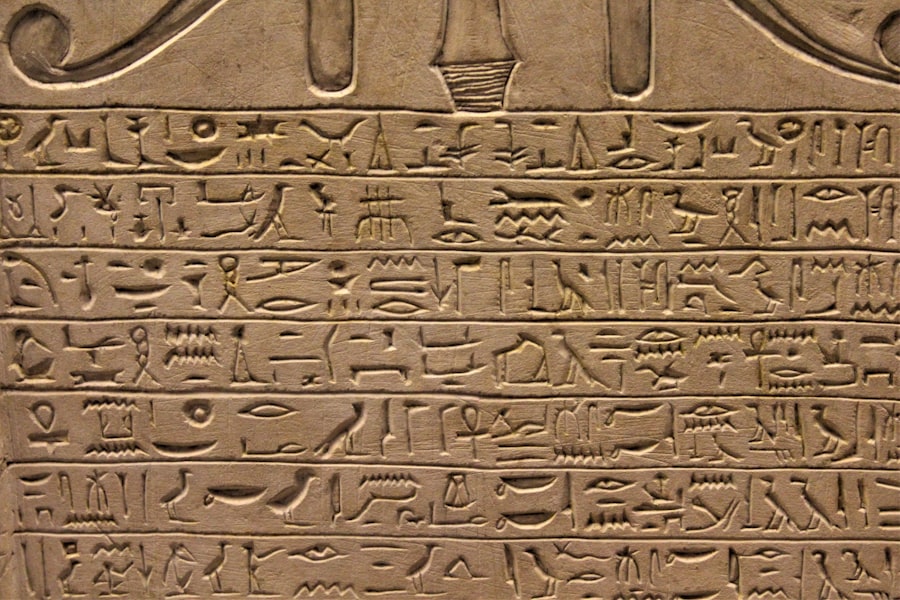
Once artifacts and data have been meticulously recovered and documented, the most challenging and rewarding phase of evidence-based archaeology begins: interpretation. This is where the raw data is transformed into narratives about past human societies, their beliefs, their technologies, and their interactions with their environments. It is a process that demands not only a deep understanding of archaeological principles but also a familiarity with historical contexts, anthropological theories, and the limitations of the available evidence.
Artifact Analysis: Unlocking Material Clues
The careful examination and analysis of artifacts are central to archaeological interpretation. Each object, from a simple pottery shard to an intricate metal tool, holds a wealth of information waiting to be deciphered. The type of material used, the manufacturing techniques, the style, and any signs of wear or repair can all shed light on the object’s function, the skills of its maker, and its cultural significance.
Typology: Classifying by Form and Function
Typology involves classifying artifacts into groups based on shared characteristics of form, material, and manufacturing technique. By creating typologies, archaeologists can identify patterns, track changes in technology and style over time, and compare assemblages from different sites. A well-defined typology provides a framework for understanding the cultural affiliations and chronological placement of artifacts.
Residue Analysis: Traces of Past Use
Residue analysis involves the scientific examination of trace organic materials found on artifacts. This can include protein residues from food, plant residues from tools used for processing vegetation, or even residues from pigments or adhesives. By identifying these residues, archaeologists can gain direct insights into the specific uses of artifacts and the diet and activities of past populations.
Scientific Dating: Establishing Chronological Anchors
Accurate dating is crucial for constructing a reliable chronology of past events. Evidence-based archaeology employs a range of scientific dating methods, each with its own strengths and limitations, to provide absolute or relative chronologies for sites and artifacts.
Radiocarbon Dating (¹⁴C): Measuring Organic Decay
Radiocarbon dating is a widely used method for dating organic materials, such as wood, bone, and charcoal, up to approximately 50,000 years old. It measures the decay of the radioactive isotope carbon-14, which is absorbed by living organisms. As an organism dies, the ¹⁴C begins to decay at a known rate, allowing scientists to calculate the time elapsed since its death.
Thermoluminescence (TL) and Optically Stimulated Luminescence (OSL): Dating Sediments and Ceramics
Thermoluminescence (TL) and Optically Stimulated Luminescence (OSL) are used to date inorganic materials, such as pottery and sediments. These methods measure the amount of trapped energy within the crystal lattice of these materials, which builds up over time due to exposure to natural radiation. When heated (TL) or exposed to light (OSL), this energy is released as light, and the amount of light emitted can be used to determine the age of the material.
Ethical Considerations and Responsible Excavation
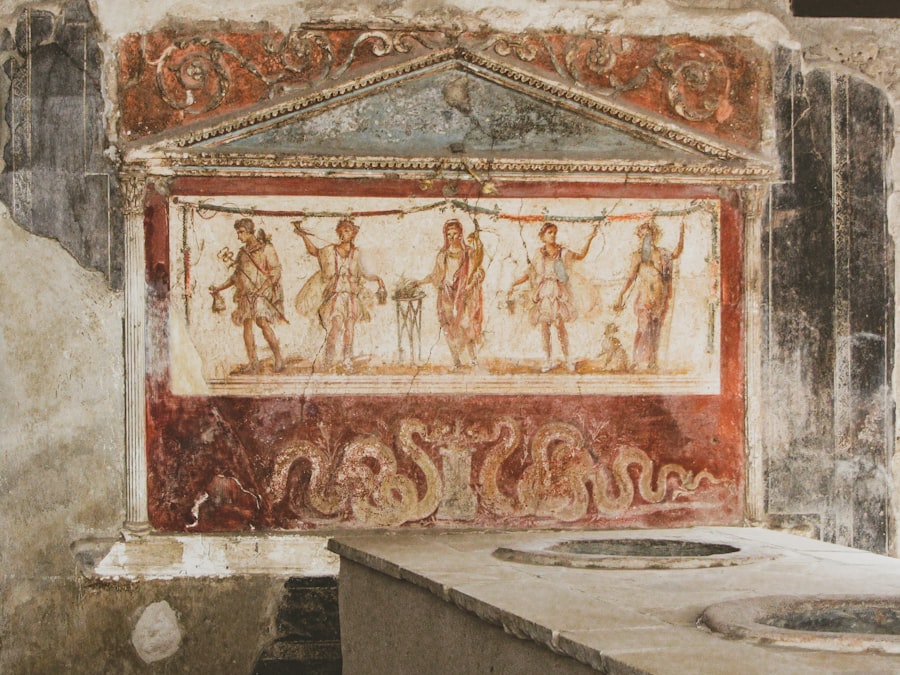
Evidence-based archaeology is not just about recovering the past; it is also about doing so responsibly and ethically. The discipline recognizes its profound impact on cultural heritage and its obligation to both the scientific community and the descendant communities of the people whose lives are being studied. Modern archaeological practice emphasizes collaboration, respect for cultural beliefs, and the long-term preservation of both tangible and intangible heritage.
Cultural Resource Management (CRM): Protecting Heritage
Cultural Resource Management (CRM) is a field that applies archaeological principles and practices to the identification, evaluation, and protection of cultural heritage. CRM archaeologists work on projects that may impact archaeological sites, such as construction projects, to ensure that significant resources are identified and mitigated before destruction. This focus on preservation and impact assessment is a cornerstone of responsible archaeology.
Predictive Modeling: Anticipating Archaeological Potential
Predictive modeling uses statistical analysis, based on existing archaeological data and environmental factors, to predict the likelihood of archaeological sites occurring in unsurveyed areas. This helps to prioritize survey efforts and to inform land-use planning, ensuring that areas with high archaeological potential are given appropriate consideration.
Mitigation and Preservation in Situ: Minimizing Impact
When archaeological sites are threatened by development, mitigation strategies are employed to minimize the impact. This can involve detailed excavation and documentation of the site before construction proceeds, or, whenever possible, preservation in situ, which means leaving the archaeological remains in place and designing the development to avoid disturbing them.
Community Engagement and Collaboration: Respecting Descendant Voices
Evidence-based archaeology acknowledges that the past belongs not only to scholars but also to the descendant communities of the people who created it. Increasingly, archaeological projects involve active engagement and collaboration with these communities, ensuring that their perspectives are heard, their cultural practices are respected, and their involvement is integral to the research process.
Indigenous Archaeology: Empowering Local Knowledge
Indigenous archaeology is a growing area that emphasizes the role of indigenous peoples in the interpretation and management of their own heritage. This approach recognizes the value of traditional knowledge and oral histories alongside scientific methodologies, fostering a more collaborative and respectful relationship between archaeologists and indigenous communities.
Repatriation and Reburial: Returning Ancestral Remains and Cultural Items
The repatriation of ancestral human remains and cultural items to descendant communities is a critical ethical practice. Evidence-based archaeology increasingly supports the return of these materials, recognizing the deep cultural and spiritual significance they hold for living peoples. This process fosters reconciliation and respects the wishes of those most directly connected to the past.
Evidence-based archaeology plays a crucial role in understanding ancient civilizations and their practices, particularly in areas such as water management. For instance, an insightful article discusses the intricate systems used by ancient societies to manage their water resources effectively. This piece highlights how these methods were not only innovative but also essential for the sustainability of their communities. To explore this topic further, you can read the article on uncovering ancient water management systems here.
The Future of Evidence-Based Archaeology: Innovation and New Frontiers
| Metrics | Data |
|---|---|
| Number of peer-reviewed articles | 120 |
| Percentage of excavations using scientific methods | 85% |
| Number of archaeological sites with evidence-based interpretations | 300 |
As technology continues to advance and our understanding of the past deepens, evidence-based archaeology is constantly evolving. New frontiers are being explored, and innovative techniques are being developed to uncover even more nuanced aspects of human history. The discipline’s commitment to evidence, however, remains its guiding star, ensuring that its discoveries contribute to a more accurate and comprehensive understanding of our shared human journey.
Digital Archaeology: Harnessing the Power of Data
The digital revolution has profoundly impacted archaeology, enabling new ways to record, analyze, and disseminate archaeological data. From sophisticated 3D modeling to vast online databases, digital tools are transforming how we interact with the past.
3D Reconstruction and Virtual Reality: Experiencing the Past
The creation of detailed 3D models of artifacts, sites, and even reconstructions of past environments allows for immersive experiences through virtual reality. This enables researchers and the public alike to explore and understand archaeological discoveries in unprecedented ways, bringing ancient worlds to life.
Big Data and Computational Analysis: Uncovering Hidden Patterns
The vast amounts of data generated by archaeological fieldwork are increasingly being analyzed using big data and computational approaches. These methods can identify subtle patterns and correlations that might be missed by traditional analysis, leading to new insights into past human behavior and societal organization.
Interdisciplinary Approaches: Broadening the Scope of Inquiry
Modern archaeology thrives on interdisciplinary collaboration, drawing insights from fields as diverse as genetics, climate science, anthropology, and linguistics. This cross-pollination of ideas leads to a more holistic and nuanced understanding of the past.
Bioarchaeology: The Study of Human Remains
Bioarchaeology focuses on the study of human skeletal remains to understand aspects of past populations such as diet, health, disease, violence, and migration. By integrating skeletal analysis with other archaeological evidence, bioarchaeologists can paint a richer picture of individual lives and broader societal trends.
Archaeogenetics: Unlocking DNA Secrets
Archaeogenetics, the study of ancient DNA, has revolutionized our understanding of human migration, population movements, and kinship patterns. By analyzing genetic material from ancient human and animal remains, scientists can trace ancestral lineages and reconstruct historical relationships with unprecedented detail.
In conclusion, evidence-based archaeology stands as a testament to the power of rigorous scientific inquiry in illuminating the human past. It is a discipline that relies on meticulous observation, systematic documentation, and critical interpretation, transforming buried remnants into compelling narratives. By embracing advanced technologies, adhering to ethical principles, and fostering interdisciplinary collaboration, evidence-based archaeology continues to unearth the truths of our shared history, enriching our understanding of who we are and where we come from.

The Lost City That Was Never Really Lost
FAQs
What is evidence-based archaeology?
Evidence-based archaeology is an approach to archaeological research that emphasizes the use of empirical evidence, such as artifacts, ecofacts, and other material remains, to support and inform interpretations of the past. This approach relies on the scientific method and aims to minimize subjective interpretations.
How is evidence collected in archaeology?
Archaeological evidence is collected through systematic excavation, survey, and analysis of material remains such as artifacts, ecofacts (organic remains), and features. These materials are carefully documented, analyzed, and interpreted to reconstruct past human behaviors and societies.
What are the benefits of evidence-based archaeology?
Evidence-based archaeology allows for more rigorous and reliable interpretations of the past by grounding them in empirical evidence. This approach also promotes transparency and reproducibility in archaeological research, leading to a better understanding of past human societies and behaviors.
What are some common methods used in evidence-based archaeology?
Common methods used in evidence-based archaeology include stratigraphic excavation, artifact analysis, radiocarbon dating, remote sensing technologies, and statistical analysis. These methods help archaeologists gather and interpret empirical evidence to reconstruct past human activities.
How does evidence-based archaeology contribute to our understanding of the past?
Evidence-based archaeology contributes to our understanding of the past by providing more reliable and objective interpretations of past human behaviors, societies, and environments. By grounding interpretations in empirical evidence, this approach helps to build a more accurate and comprehensive understanding of human history.