Unlocking Ancient Egypt’s Workshop Secrets
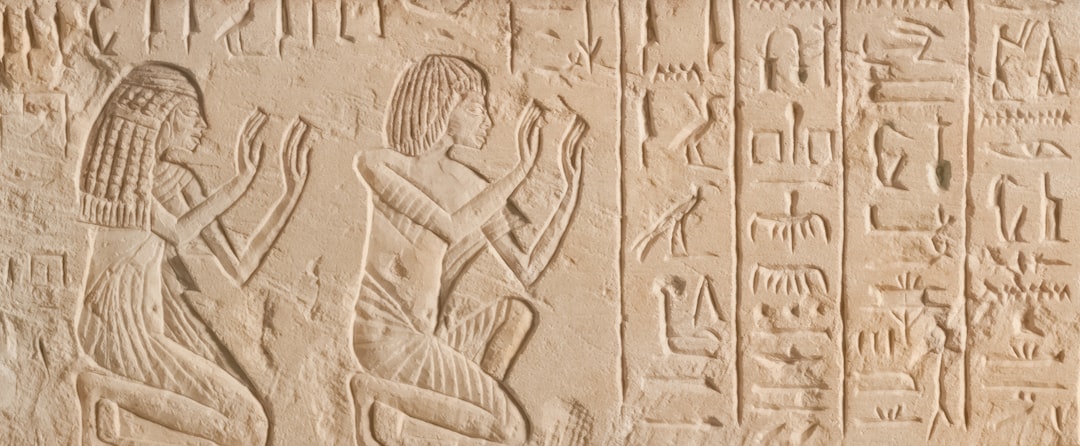
The sands of Egypt have long guarded the secrets of a civilization that rose to unparalleled heights of artistry, engineering, and innovation. Beyond the grand pyramids and majestic temples, a vibrant tapestry of daily life unfolded in the bustling workshops and skilled hands of its artisans. For centuries, these creators, the backbone of Egyptian society, toiled in relative obscurity, their methods and mastery veiled in the dust of ages. Yet, through meticulous archaeological investigation, the deciphering of ancient texts, and a growing understanding of material science, scholars are slowly but surely unlocking the secrets of these ancient workshops, revealing a depth of knowledge and sophistication that continues to astound. The very fabric of Egyptian civilization, from its religious iconography to its architectural marvels, was woven through the tireless efforts of these forgotten masters.
The monumental achievements of ancient Egypt would have been impossible without a profound understanding of foundational materials. The ability to quarry, shape, and transport colossal stones, to fashion durable wooden structures, and to mold versatile clay into countless forms was the bedrock upon which their entire society was built. The workshops dedicated to these crafts were not merely places of labor but centers of immense skill and specialized knowledge passed down through generations.
Masters of Stone: Quarrying and Shaping the Pharaohs’ Legacy
The temples and tombs of Egypt, constructed from blocks of stone weighing many tons, stand as testaments to the extraordinary skill of stone masons. Evidence from ancient quarry sites, such as those at Aswan and Gebel el-Silsila, provides invaluable insights into their methodologies. Here, archaeologists have uncovered abandoned colossal statues, half-finished obelisks, and the very tools used to extract these massive blocks from the earth. The Egyptians were adept at identifying suitable stone, meticulously planning their excavation, and employing ingenious techniques to detach and transport their cargos.
Quarrying Techniques: From rudimentary tools to advanced understanding of rock mechanics.
The earliest quarrying methods likely involved pounding away at the rock face with harder dolerite pounders. As their capabilities grew, so did their tools. Copper chisels and saws, though softer than stone, were used in conjunction with abrasive sands, particularly quartz, to cut through even the hardest granites. The Egyptians also mastered the art of wedging. Wooden wedges, hammered into pre-cut slots, were then soaked with water. The expanding wood would exert immense pressure, splitting the rock along natural fault lines or desired break points. Evidence of these practices can be seen in the distinctive patterns of parallel grooves and drill holes found at quarry sites, indicating systematic efforts to liberate massive blocks.
Shaping and Finishing: Precision on a colossal scale.
Once extracted, the blocks were then transported to workshops for shaping and finishing. This involved shaping rough blocks into perfectly rectangular or precisely carved elements. Polishing was another critical stage, crucial for both aesthetic appeal and to ensure a tight fit between blocks. Grinding with sand and water, a laborious but effective process, was employed to achieve smooth surfaces. The precision with which these stones were cut and fitted, often with tolerances of fractions of a millimeter, is a marvel of ancient engineering. The seamless construction of structures like the Great Pyramid, with its precisely aligned chambers and passageways, speaks volumes about the skill of these stone workers.
The Versatility of Wood: From daily life to sacred objects.
While stone dominated monumental architecture, wood played an equally vital role in ancient Egyptian life. From furniture and chariots to boats and decorative elements, wood was a ubiquitous material. The forests of Egypt itself were limited, particularly for durable hardwoods, meaning wood was often imported, making its craftsmanship even more valuable.
Sources of Timber: Trade and local cultivation.
The most prized timbers in ancient Egypt were acacia, sycamore fig, and tamarind, often used for everyday items. For more durable and decorative purposes, Egyptians relied on imports, particularly cedar from Lebanon, a testament to their extensive trade networks. Ships arriving at Egyptian ports would unload valuable timber, which would then be distributed to workshops throughout the land. Evidence of shipbuilding has been found along the Nile, indicating a significant industry dedicated to maritime transport.
Joinery and Carving: Intricate designs and functional forms.
Egyptian woodworkers were skilled carpenters and carvers. They employed a range of tools, including saws, adzes, chisels, and drills, to shape and join wood. Dovetail joints and mortise-and-tenon techniques were used to create strong and durable constructions. The exquisite inlaid furniture found in tombs, decorated with ivory, ebony, and precious stones, highlights their mastery of fine woodworking and decorative arts. Wooden coffins, often elaborately painted and carved, also demonstrate their dedication to artistry even in death.
The Humble Power of Clay: Pottery and Beyond.
Ceramics were fundamental to daily life in ancient Egypt, serving a multitude of purposes. From simple storage jars to finely crafted cosmetic vessels and ritualistic objects, pottery was an essential craft. The Nile’s rich alluvial deposits provided an abundant and accessible source of clay.
Forming Techniques: Hand-building to the potter’s wheel.
Early pottery was formed by hand, using coiling or pinching techniques. The advent of the potter’s wheel, likely introduced from Mesopotamia, revolutionized ceramic production. The wheel allowed for faster and more symmetrical shaping, leading to a wider variety of forms and improved efficiency. Potters would center a lump of clay and, with skillful manipulation of their hands and the wheel’s rotation, coax it into the desired shape.
Firing and Glazing: Durability and decoration.
Kiln technology evolved over time, allowing for higher temperatures and more consistent firing. This resulted in stronger, more durable pottery. While true glazing with vitreous materials was less common than in later civilizations, the Egyptians were masters of the so-called “Egyptian faience,” a glazed ceramic material often mistaken for pottery. This vibrant, glazed quartz frit, typically colored blue or green, was used for amulets, tiles, and small decorative objects, showcasing their mastery of chemical processes to achieve brilliant hues.
In exploring the fascinating world of ancient Egyptian workshop techniques, one can gain insights into the craftsmanship and artistry that defined this remarkable civilization. For a deeper understanding of how these techniques influenced various aspects of their society, you might find it interesting to read a related article that discusses the economic implications of resource management in ancient cultures. This article can be found at this link.
The Art of Adornment: Jewelry, Cosmetics, and Perfumes
Ancient Egyptians possessed a deep appreciation for beauty and self-adornment, and their workshops dedicated to jewelry, cosmetics, and perfumes were thus centers of intricate artistry and sophisticated knowledge. These crafts not only enhanced personal appearance but also played significant roles in religious rituals and social status.
Illuminating Beauty: The Craft of Jewelry Making.
Jewelry was more than just decoration; it was a symbol of wealth, status, and divine protection. The workshops of jewelers were places where precious metals and gemstones were transformed into objects of breathtaking beauty and symbolic meaning.
Precious Metals and Stones: Sourcing and manipulation.
Gold, silver, and electrum (a natural alloy of gold and silver) were the primary metals used in Egyptian jewelry. These were sourced through trade and mining expeditions, often to regions like Nubia and the Eastern Desert. The manipulation of these metals involved techniques like hammering, annealing (heating to soften), filigree (creating delicate wirework), and granulation (creating tiny spheres of metal). The Egyptians also had access to a wide array of gemstones, including lapis lazuli (highly prized for its deep blue color, imported from Afghanistan), turquoise, carnelian, amethyst, and emerald. These stones were meticulously cut, polished, and set into intricate designs.
Symbolic Designs and Intricate Techniques: A language of adornment.
Egyptian jewelry was rich in symbolism. Amulets in the shape of scarab beetles, ankhs (symbols of life), and Eyes of Horus (wadsjet eyes, representing protection and healing) were commonly incorporated. Motifs drawn from nature, such as lotus flowers and papyrus reeds, were also prevalent. The craftsmanship was often astonishing, with delicate inlaid work, enameling (though less common than in later periods), and the creation of complex multi-strand necklaces and bracelets. The “collar,” a wide, beaded necklace worn by both men and women, is a particularly iconic example of Egyptian adornment.
The Alchemy of Appearance: Cosmetic Preparations.
The Egyptians placed a high value on cleanliness and cosmetic application. Their workshops produced a wide array of cosmetic products, from kohl eyeliners to fragrant oils and pigments. These were not merely for aesthetic purposes but also held medicinal and protective qualities.
Kohl and Pigments: Enhancing the eyes.
Kohl, made from ground galena (lead sulfide) or malachite (a copper carbonate), was applied as eyeliner. It not only accentuated the eyes but also helped to reduce glare from the intense Egyptian sun and was believed to have antibacterial properties. Other pigments, derived from minerals like ochre (for reds and yellows) and malachite (for greens), were used for eye shadow, lip color, and body paint. These pigments were carefully ground and mixed with binders like animal fat or vegetable oils to create usable cosmetic form.
Fragrant Oils and Perfumes: Scent as a spiritual and social tool.
The creation of fragrant oils and perfumes was a sophisticated art. Essential oils were extracted from flowers, herbs, and resins through processes like maceration (soaking plant material in oil) or pressing. Famous perfumes, like those mentioned in ancient texts like the “Kyphi,” were complex mixtures of numerous aromatic ingredients, suggesting a deep understanding of scent chemistry. These fragrances were used for personal hygiene, religious ceremonies, and as offerings to the gods, demonstrating the integral role of scent in Egyptian life.
The Craft of Writing and Knowledge: Scribes and Papyrus Makers
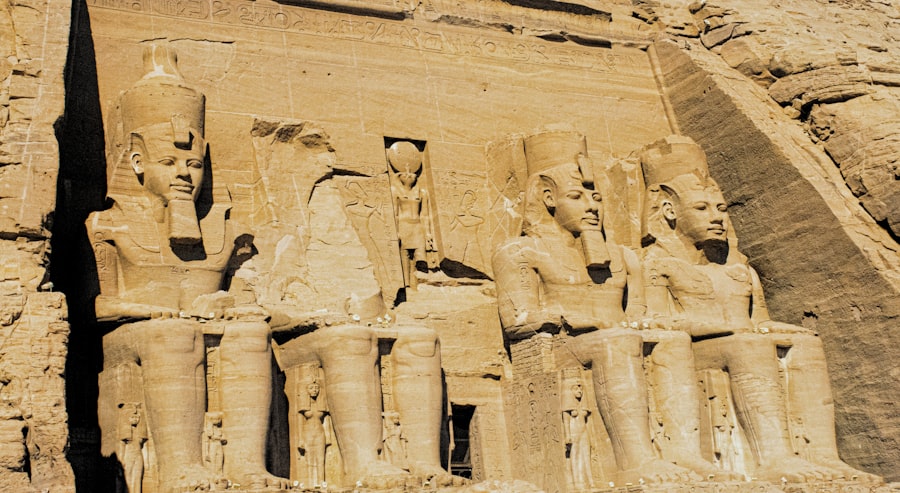
The ability to record, disseminate, and preserve knowledge was a cornerstone of Egyptian civilization, and the workshops dedicated to writing and papyrus making were thus crucial intellectual hubs. Scribes were highly respected members of society, and their tools and techniques allowed for the creation of the vast corpus of Egyptian literature, religious texts, and administrative records that have survived to this day.
The Humble Reed, The Mighty Scroll: Papyrus Production.
Papyrus, derived from the pith of the papyrus plant (Cyperus papyrus), was the primary writing material of ancient Egypt and a significant export commodity. Its production was a meticulous process, transforming a common wetland plant into a smooth, durable surface for writing.
Cultivation and Harvesting: Nature’s abundant gift.
The papyrus plant grew in abundance in the marshy regions of the Nile Delta. Harvesting involved cutting the stalks and then separating the outer rind from the inner pith. This pith was then cut into long, thin strips. The selection of healthy, mature stalks was crucial for producing high-quality papyrus.
The Art of Papyrus Making: Layers and adhesion.
The creation of a papyrus sheet involved a complex, multi-step process. The pith strips were laid side-by-side on a flat surface, creating a base layer. Another layer of strips was then laid perpendicularly on top. The natural sap of the plant, along with pressure and potentially a light wetting, acted as the adhesive, binding the layers together. The sheets were then pressed to remove excess moisture and to ensure the layers fused seamlessly. Finally, the surface was smoothed and polished with a stone or shell to create a writing surface suitable for ink.
The Scribe’s Toolkit: Instruments of Record and Revelation.
The scribe was the intellectual engine of ancient Egypt, wielding reed pens and ink to capture thought and preserve history. Their tools were simple yet remarkably effective, enabling them to produce texts of enduring significance.
Reed Pens and Inkwells: Precision writing implements.
Scribes used pens fashioned from the stalks of the reed plant. These were carefully cut and chewed or hammered at one end to create a brush-like tip or a tapered point suitable for different writing styles. The ink was typically made from soot (carbon black) mixed with a binder like gum arabic or animal glue. Red ink, often used for headings or important passages, was made from red ochre. Scribes carried their inkwells, usually made of stone or wood, which held both black and red ink, and a palette for their pens.
Hieroglyphs, Hieratic, and Demotic: The evolution of script.
The Egyptians developed several scripts over time, each suited to different purposes and levels of formality. The most iconic is hieroglyphic script, a system of pictorial symbols used primarily for monumental inscriptions on temples and tombs. For everyday administrative and literary purposes, scribes employed hieratic, a cursive form of hieroglyphs that was faster to write. Later, demotic script emerged, an even more abbreviated and cursive form, used for business and everyday documents. The ability to master these different scripts, often alongside mathematics and literature, made scribes indispensable to the functioning of the state and society.
The Craft of Construction: Architecture and Engineering
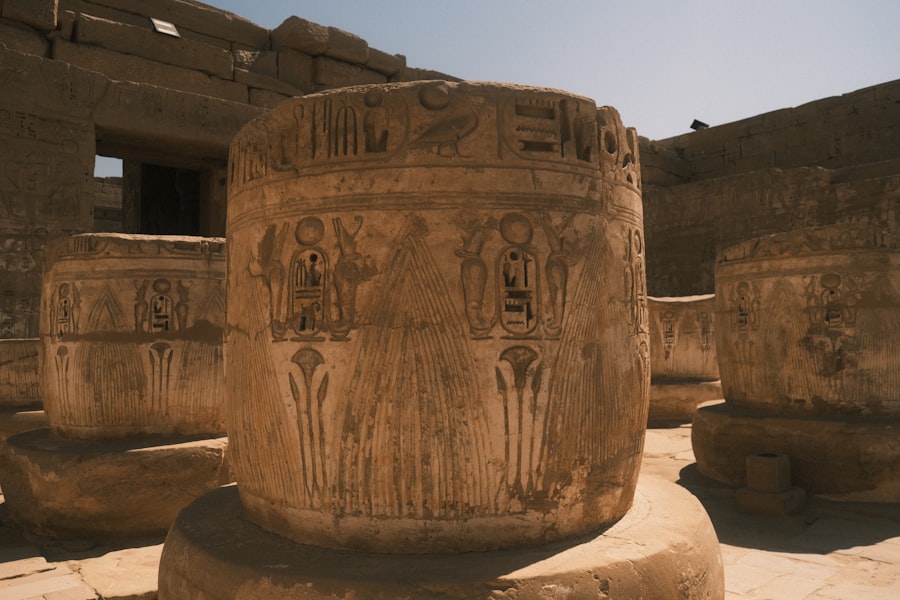
The awe-inspiring architectural achievements of ancient Egypt are perhaps its most enduring legacy. The workshops and quarries involved in construction were not merely building sites but sophisticated engineering hubs where immense projects were planned, executed, and perfected.
Monumental Visions: Temples, Pyramids, and Obelisks.
The construction of colossal structures like the pyramids of Giza, the temples of Karnak and Luxor, and the towering obelisks required a profound understanding of geometry, physics, and logistics. These were not simply matters of brute force but of ingenious planning and meticulous execution.
Planning and Surveying: Laying the foundations of greatness.
The Egyptians possessed a remarkable ability for land surveying and geometric planning. Evidence suggests they used simple yet effective tools, such as plumb bobs, levels, and sighting instruments, to ensure accurate alignment and construction. The precise orientation of pyramids to the cardinal points, for instance, speaks to their advanced astronomical and surveying knowledge. The careful leveling of vast construction sites was also critical for the stability of these massive structures.
Transportation and Lifting: Moving the immovable.
The transportation of massive stone blocks from quarries to construction sites across vast distances was a monumental feat. Numerous theories exist, but evidence suggests the use of sledges pulled by teams of laborers over prepared surfaces, possibly lubricated with water or mud. For lifting and positioning, ramps, levers, and possibly counterweights were employed. The sheer scale of the workforce, combined with their innovative techniques, allowed them to overcome seemingly impossible challenges. The construction of the Great Pyramid, for example, is estimated to have involved tens of thousands of laborers over decades.
The Art of the Dwelling: Houses, Palaces, and Urban Planning.
While the pyramids and temples dominate our perception of Egyptian architecture, the construction of everyday dwellings, palaces, and the planning of cities were equally important. These structures, though often built with less durable materials like mudbrick, provided the framework for Egyptian society.
Mudbrick Technology: Building the everyday.
The ubiquitous mudbrick, made from Nile silt and straw, was the primary building material for ordinary homes and even many administrative buildings. This simple material, when fired or dried in the sun, offered good insulation and was readily available. The techniques for molding and laying mudbricks were refined over millennia, creating durable and functional structures.
Urban Design and Infrastructure: Living in organized communities.
Ancient Egyptian cities, such as Memphis and Thebes, were not haphazard settlements but rather planned urban centers. They featured organized street layouts, public spaces, and essential infrastructure like canals and drainage systems. Palaces and administrative buildings were often elaborate complexes, reflecting the hierarchical nature of Egyptian society. The meticulous planning and construction of these settlements underscore their understanding of urban living and the importance of organized communities.
In exploring the fascinating world of ancient Egyptian workshop techniques, one can gain insights into the craftsmanship that defined this remarkable civilization. The intricate methods used by artisans in creating everything from pottery to jewelry reveal a deep understanding of materials and tools. For a broader perspective on how ancient techniques influence modern practices, you might find this article on foreign investment trends interesting, as it highlights how historical craftsmanship can impact contemporary economies. You can read more about it here.
The Specialized Crafts: Metalworking, Glassmaking, and Textile Production
| Workshop Techniques | Description |
|---|---|
| Stone Carving | The ancient Egyptians were skilled in carving stone, using tools such as chisels, hammers, and saws to create intricate sculptures and architectural elements. |
| Metallurgy | Ancient Egyptians were adept at working with metals such as copper, bronze, and gold, using techniques like casting, forging, and soldering to create jewelry, tools, and ceremonial objects. |
| Painting and Decoration | Artisans in ancient Egypt used a variety of techniques to decorate tombs, temples, and everyday objects, including painting, relief carving, and inlay work using precious materials. |
| Textile Production | Ancient Egyptians were skilled weavers, producing fine linen and other textiles using techniques such as spinning, dyeing, and loom weaving. |
Beyond the foundational crafts, ancient Egypt boasted a sophisticated array of specialized workshops that produced objects of great beauty, utility, and symbolic significance. These artisans, often working with imported or rare materials, pushed the boundaries of their respective fields.
Forging the Future: Metalworking Prowess.
The Egyptians were skilled metalworkers, adept at copper, bronze, and later, iron. Their workshops produced tools, weapons, religious artifacts, and decorative items, showcasing a growing mastery of metallurgy.
Copper and Bronze: The early triumphs.
Copper was worked in Egypt from predynastic times. It was initially worked cold and then later smelted and cast. The smelting process involved heating copper ores in kilns to extract the metal. Bronze, an alloy of copper and tin, was introduced and became increasingly important for tools and weapons, offering greater hardness and durability. The Egyptians developed sophisticated casting techniques, including the lost-wax method, to create intricate bronze objects.
The Iron Age: A late but significant arrival.
Iron working was introduced to Egypt relatively late, perhaps during the New Kingdom or later. While it did not replace bronze immediately, its eventual adoption provided access to a more abundant and versatile metal, further expanding the possibilities for tool and weapon production. The challenges of working iron, requiring higher temperatures and different techniques, represented a new frontier for Egyptian metalworkers.
The Spark of Innovation: Early Glassmaking.
While the Egyptians did not invent glass, they were among the earliest to master its production and application, particularly in the form of faience and true glass. Their skill in creating vibrant colors and intricate forms was remarkable.
Faience: The precursor to glass.
As mentioned earlier, Egyptian faience, a glazed quartz frit, was a precursor to true glass. Its production involved heating silica sand with alkali (from plant ashes) and coloring agents, then firing it to create a brilliant, glassy surface. This material was widely used for beads, amulets, and small decorative tiles.
True Glass Production: A vibrant palette.
The Egyptians eventually developed techniques for producing true glass, typically from a mixture of sand, alkali, and lime. They excelled at creating vibrantly colored glass through the addition of metal oxides. Cobalt produced blues, copper produced blues and greens, manganese produced purples and browns, and antimony produced opacity. Glass objects, including vessels, beads, and inlays, were produced using various techniques, including core-forming and casting.
Weaving Wonders: Textile Production and its Significance.
The production of textiles was a fundamental industry in ancient Egypt, providing clothing, linens for mummification, and materials for various household and religious purposes. The workshops were filled with the rhythmic clatter of looms and the skilled hands of weavers.
Flax Cultivation and Linen Production: The primary fiber.
Flax was extensively cultivated along the Nile, providing the raw material for linen, the primary textile of ancient Egypt. The process involved harvesting the flax plants, retting them (soaking to loosen the fibers), scutching (separating the fibers), and then spinning them into thread. The quality of the linen varied from coarse fabrics for everyday wear to incredibly fine linens of gossamer thinness, often found in the tombs of royalty.
Weaving Techniques and Decorative Elements: From simple to intricate.
The Egyptians used horizontal and occasionally vertical looms for weaving. Simple overshot and twill weaves were common, creating durable and functional fabrics. They also developed sophisticated decorative techniques, including the use of colored threads to create geometric patterns and figurative designs. Embroidered textiles, though less common due to the difficulty of working with fine linen and threads, also existed, showcasing a high level of craftsmanship. The intricate weaving and embellishments on ceremonial garments and tomb linens speak to the artistic prowess of these textile artisans.
The enduring legacy of ancient Egypt is not just etched in stone but woven into the very fabric of our understanding of human ingenuity. By unlocking the secrets of their workshops, we gain a profound appreciation for the skill, knowledge, and artistry of the people who built this extraordinary civilization, a testament to the enduring power of human creativity and dedication.

Ancient Egypt’s Greatest Engineering Mystery
FAQs
What were some common workshop techniques used in ancient Egypt?
Some common workshop techniques used in ancient Egypt included metalworking, pottery making, weaving, and carpentry. These techniques were essential for creating everyday items such as tools, jewelry, pottery, and furniture.
What materials were commonly used in ancient Egyptian workshop techniques?
Ancient Egyptians used a variety of materials in their workshop techniques, including metals such as copper, bronze, and gold for metalworking, clay for pottery making, and flax for weaving. Wood was also commonly used in carpentry and furniture making.
What tools were used in ancient Egyptian workshop techniques?
Ancient Egyptian craftsmen used a variety of tools in their workshop techniques, including chisels, hammers, saws, drills, and files for metalworking and carpentry. For pottery making, tools such as pottery wheels, molds, and carving tools were used. Weaving tools included looms, spindles, and needles.
What role did workshops play in ancient Egyptian society?
Workshops were an integral part of ancient Egyptian society, as they produced essential goods for everyday life. Craftsmen and artisans played a crucial role in creating items for both practical and decorative purposes, contributing to the economy and cultural development of ancient Egypt.
How were ancient Egyptian workshop techniques passed down through generations?
Ancient Egyptian workshop techniques were often passed down through apprenticeship, with experienced craftsmen teaching younger generations the skills and knowledge needed for various trades. This ensured the preservation and continuation of traditional workshop techniques over time.