The echoes of forgotten civilizations whisper tales not just of empires and philosophies, but also of ingenuity in the very fabric of their world. Ancient humans, long before the advent of laboratories and advanced instrumentation, possessed a profound understanding of the materials that shaped their lives. From monumental architecture that has defied millennia to intricate artifacts that still gleam with their original luster, these ancient peoples were masters of materials science. Unlocking these secrets is not merely an academic exercise; it’s a journey into the roots of human innovation, offering potential solutions and inspirations for modern challenges.
The mastery of materials by ancient civilizations wasn’t a sudden revelation but a gradual accumulation of knowledge passed down through generations. This expertise was intrinsically linked to their immediate environments and their practical needs. Survival, construction, artistry, and warfare all demanded a deep, often intuitive, understanding of how different substances behaved under various conditions.
Resourcefulness and Local Knowledge
Ancient peoples were inherently resourceful. They utilized the materials readily available in their surrounding landscapes, developing highly specialized techniques to extract, process, and manipulate them. The discovery of clay deposits led to the development of pottery, a versatile material for storage, cooking, and even artistic expression. The understanding of wood properties allowed for the construction of shelters, tools, and transport. The exploitation of mineral veins gave rise to metallurgy, a transformative leap in human capability. This localized approach meant that different cultures developed unique material traditions, tailored to their specific ecological niches. For example, a civilization located near rich iron ore deposits would inevitably develop a different set of material skills compared to one situated in a region abundant in obsidian.
The Role of Experimentation and Observation
While modern scientific methodology was absent, ancient artisans and builders relied heavily on empirical observation and iterative experimentation. They observed how materials reacted to fire, water, and stress. Through trial and error, they refined processes, discovering optimal firing temperatures for ceramics, the correct alloying compositions for metals, and the best building techniques for structural integrity. A potter might notice that a certain type of clay produced stronger vessels after prolonged exposure to sunlight or a specific firing technique. A blacksmith would learn through repeated attempts which combination of heating and hammering yielded the most durable tools. These were not random acts but systematic, albeit unarticulated, investigations into material behavior.
The Transmission of Knowledge
Knowledge concerning materials was not lost but was meticulously passed down through apprenticeships and oral traditions. Master craftspeople trained novices, imparting a wealth of practical wisdom acquired over a lifetime, and often across multiple generations. This ensured the continuity and refinement of techniques, preventing the reinvention of the wheel with each new generation. The guild system, prevalent in many ancient societies, further solidified this knowledge transfer, creating enclaves of specialized expertise where intricate skills could be nurtured and preserved. The secrets of bronze casting, the precise recipes for pigments, or the methods for waterproofing stone were all guarded and honed within these communities.
Ancient materials science has always fascinated researchers, as it reveals the innovative techniques and advanced knowledge possessed by past civilizations. One intriguing article that delves into this topic is titled “Advanced Tech in Lost Civilizations: Uncovering Ancient Innovations.” This article explores the remarkable advancements in materials and engineering that ancient cultures achieved, shedding light on how these innovations have influenced modern technology. For more insights, you can read the article here: Advanced Tech in Lost Civilizations.
Mastering Stone and Earth: The Pillars of Civilization
The earliest and most enduring triumphs of ancient materials science lie in the manipulation of stone and earth. These fundamental materials formed the bedrock of human settlements, from humble dwellings to awe-inspiring monuments, demonstrating a profound understanding of structural mechanics and material properties.
The Art of Quarrying and Shaping Stone
Ancient civilizations were adept at quarrying vast quantities of stone. They developed sophisticated techniques to extract massive blocks from the earth, often without the aid of advanced machinery. The precise placement of wooden wedges, which expanded when soaked with water, or the strategic use of heat and cold to fracture rock, were common methods. Once quarried, these stones were transported, sometimes over considerable distances, and shaped with remarkable precision. The tools used, whether made of harder stone, bronze, or later iron, were wielded with incredible skill to create perfectly fitting blocks, intricate carvings, and smooth surfaces. The construction of pyramids, megalithic structures like Stonehenge, and the elaborately carved temples of Egypt and Mesoamerica are testaments to this mastery. Understanding the cleavage planes of various rock types, the durability of different stones against erosion, and the optimal methods for lifting and positioning massive blocks were critical elements of this expertise.
The Ingenuity of Brick and Adobe
Beyond quarried stone, ancient peoples harnessed the potential of earth itself. Mudbrick and adobe, simple mixtures of clay, water, and often straw or other organic binders, were fundamental building materials for many cultures. The process involved forming the mixture into bricks, which were then sun-dried or fired. The resulting material was surprisingly durable, especially in arid climates, providing excellent thermal insulation. The Great Wall of China, though often associated with stone, incorporates vast sections built from rammed earth and brick. The sophisticated irrigation systems and city structures of ancient Mesopotamia were largely constructed from sun-dried bricks, demonstrating an understanding of their load-bearing capacities and their resistance to the elements when properly maintained. The placement and bonding patterns of these bricks, along with the use of plaster or bitumen as binders or sealants, were critical for structural longevity.
The Science of Mortars and Cements
While not always possessing the sophisticated binding properties of modern Portland cement, ancient mortars and cements were crucial for joining building elements and creating durable surfaces. Lime-based mortars, produced by heating limestone, were widely used. These mortars, when mixed with water and sand, would slowly carbonate over time, hardening and creating a strong bond. The Romans, in particular, excelled in this area, developing hydraulic cements (like opus caementicium) that could set and harden even underwater. This innovation allowed for the construction of harbors, aqueducts, and bridges that have endured for centuries. Understanding the chemical reactions involved in the setting of lime and the role of pozzolanic additives (like volcanic ash) in creating stronger, water-resistant cements was a significant achievement in ancient materials science.
The Alchemy of Metals: Transforming the Ancient World
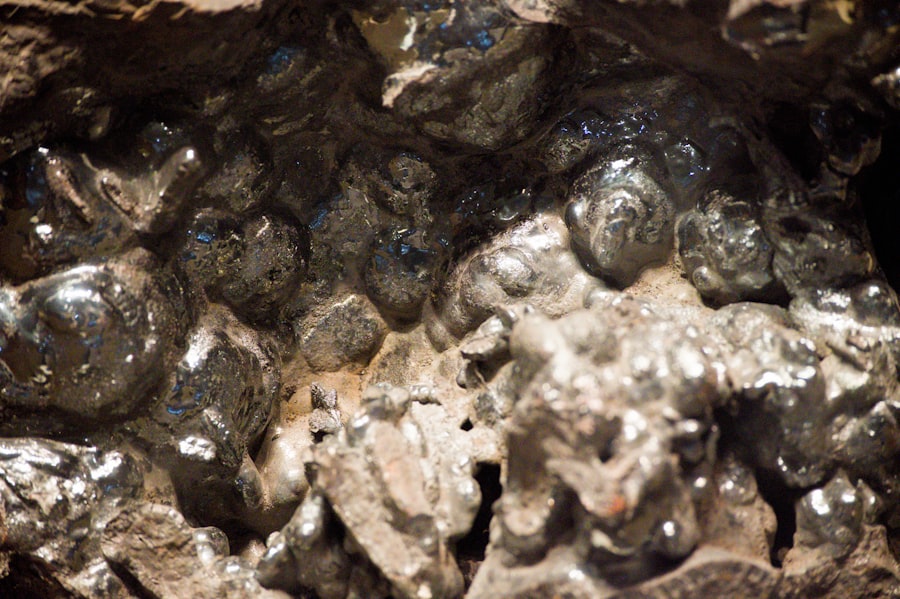
The advent of metallurgy represented a profound leap forward for ancient civilizations, enabling the creation of tools, weapons, and art with unprecedented strength, durability, and aesthetic appeal. This field demanded a deep understanding of extraction, alloying, and heat treatment.
The Dawn of Mining and Smelting
The discovery of metals and the development of techniques for their extraction and purification marked a pivotal moment in human history. Early discoveries likely involved native metals like gold and copper, which require minimal processing. However, the systematic mining of ores and the development of smelting processes involving high temperatures and reducing agents allowed for the mass production of metals like copper, tin, and iron. This required an understanding of the geological occurrence of metallic ores and the ability to build and operate kilns capable of reaching temperatures high enough to melt and reduce these ores. The development of bellows to increase furnace temperatures and the careful selection of fuels (like charcoal) were crucial advancements.
The Art and Science of Alloying
Perhaps one of the most significant contributions of ancient metallurgy was the discovery and systematic use of alloys. The most famous example is bronze, an alloy of copper and tin, which is significantly harder and more durable than pure copper. The development of bronze technology revolutionized toolmaking, warfare, and artistic expression. Different ratios of copper to tin produced bronze with varying properties, allowing for a degree of material customization. Later, the Iron Age saw the widespread adoption of iron and early steel production. The production of steel, an alloy of iron and carbon, involved carefully controlled heating and cooling processes to achieve desired hardness and flexibility. Understanding which ores to combine, the optimal temperatures for alloying, and the impact of impurities were key to successful metal production.
Forging, Casting, and Finishing
Once metals were extracted and alloyed, ancient smiths and artisans developed sophisticated techniques for shaping them. Forging, the process of heating metal and shaping it with hammers, allowed for the creation of intricate tools and weapons. Lost-wax casting (cire perdue) was a particularly impressive technique used to create detailed bronze sculptures. This involved creating a wax model, covering it with a clay mold, melting out the wax, and then pouring molten metal into the void. The ability to control the flow of molten metal, prevent inclusions, and achieve smooth, detailed surfaces required immense skill and an understanding of the metal’s viscosity and solidification properties. Decorative finishes, such as patination and gilding, further enhanced the aesthetic qualities of these metal objects, demonstrating an appreciation for both function and form.
The Secrets of Glass and Ceramics: Beauty and Utility

Glass and ceramics, while seemingly disparate, share a common foundation in the manipulation of earth-based materials through transformative heat. Ancient artisans achieved remarkable feats in both, creating objects of both exquisite beauty and practical utility.
The Mystique of Ancient Glassmaking
The creation of glass was a significant technological development, allowing for the production of transparent and colored materials that were difficult or impossible to achieve with other substances. Originating likely in Mesopotamia, glassmaking involved the fusion of silica (sand), an alkali (like natron or plant ash), and a stabilizer (like lime) at high temperatures. Early glass was often opaque and colored by metal oxides. The Egyptians developed advanced techniques for adding color through the careful selection of metal oxides, creating vibrant hues of blue, green, and red. Later, the Romans perfected glassblowing, a revolutionary technique that allowed for the rapid and versatile shaping of molten glass into a vast array of vessels and objects. Understanding the role of each ingredient, the precise firing temperatures required for fusion, and the properties of molten glass for shaping were all critical to this craft. The development of clear glass, a much more challenging endeavor, was a testament to their growing understanding of chemical processes.
The Evolution of Pottery and Porcelain
Pottery, the oldest form of ceramic art, has been a cornerstone of human civilization for millennia. Ancient potters refined their techniques through continuous experimentation. They learned to select specific clays, temper them with grog or sand to prevent cracking, and develop controlled firing methods in kilns to achieve various levels of vitrification. Earthenware, the most common type, is porous and fired at lower temperatures. Stoneware, fired at higher temperatures, becomes denser and less porous. The development of true porcelain, a highly vitrified, translucent ceramic made from kaolin and feldspar, is often attributed to China, where its production was a closely guarded secret for centuries. This achievement required a deep understanding of specific mineral compositions and extremely high firing temperatures, far exceeding those used for earlier ceramics. The intricate glazes found on ancient pottery, often derived from metal oxides, were not merely decorative but also served to make the vessels waterproof and more durable.
Pigments and Glazes: Adding Color and Durability
The vibrant colors seen in ancient pottery, murals, and glass are a testament to the sophisticated understanding of pigments and glazes. These were not simply applied but were often integral to the material itself. Metal oxides were key ingredients, with copper producing blues and greens, iron yielding reds and browns, and manganese creating purples and blacks. The precise chemical composition of these oxides, along with the firing conditions, determined the final color. Glazes, essentially a form of glass fused onto the ceramic surface, not only added color and decoration but also sealed the porous body of the pottery, making it waterproof and easier to clean. The mastery of these ancient colorants and glazing techniques is still a subject of research, as some of the vibrant hues and durable finishes achieved by ancient artisans remain difficult to replicate today.
Ancient materials science plays a crucial role in understanding the construction techniques and durability of historical structures. For instance, the study of materials used in the Seven Wonders of the Ancient World reveals insights into the engineering prowess of ancient civilizations. A fascinating article that delves into this topic can be found here, where it explores the innovative methods and materials that were employed in these monumental constructions. By examining these ancient practices, we can gain a deeper appreciation for the ingenuity and resourcefulness of our ancestors. For more information, you can read the article on discovering the Seven Wonders of the Ancient World.
Beyond the Tangible: Ancient Understanding of Composites and Preservation
| Material | Usage | Advancements |
|---|---|---|
| Stone | Tools, weapons, buildings | Development of flint tools, stone architecture |
| Metals | Tools, weapons, jewelry | Discovery of smelting, bronze and iron age |
| Ceramics | Pottery, vessels, figurines | Creation of kilns, glazing techniques |
| Glass | Vessels, jewelry, decoration | Development of glassblowing, colored glass |
While often focused on single materials, ancient peoples also demonstrated an understanding of composite materials and early forms of material preservation, hinting at a deeper, though perhaps less codified, grasp of material science principles.
Early Composites and Laminates
The concept of combining different materials to achieve enhanced properties, the essence of modern composites, was not entirely absent in ancient times. While not engineered in the same way as carbon fiber or fiberglass, early examples exist. For instance, the lamination of wood for strength in shipbuilding, or the use of multiple layers of hides for armor, demonstrate an intuitive understanding of how combining materials can improve performance. The reinforcement of mudbrick structures with organic fibers like straw is another prime example of creating a composite material with improved tensile strength and reduced cracking. Even the intricate inlay work found in ancient artifacts, where different metals, stones, or woods were combined, showcases a deliberate selection and integration of materials for both aesthetic and functional purposes.
The Science of Preservation and Durability
Ancient cultures were deeply concerned with the longevity of their creations, whether for practical reasons (food storage, tools) or for cultural and religious ones (burial goods, monuments). This led to the development of various preservation techniques. The use of drying, salting, and smoking for food preservation are ancient practices rooted in understanding how to inhibit spoilage. In construction, the selection of inherently durable materials and the use of protective coatings like bitumen or lime plaster helped to shield structures from the elements. Even the techniques used in mummification, while primarily ritualistic, involved a sophisticated understanding of how to dehydrate and protect organic materials from decay. The selection of sites for construction, considering factors like drainage and sunlight, also speaks to an awareness of environmental influences on material degradation.
The Enigma of Lost Recipes and Techniques
Despite the tangible evidence of ancient material mastery, many of the precise recipes and techniques employed by ancient artisans remain elusive. The exact composition of certain Roman concretes, the specific methods for creating vibrant ancient dyes, or the intricate techniques for glass decoration are still subjects of intense scholarly pursuit. The loss of oral traditions, the destruction of workshops, and the degradation of organic materials make it challenging to fully reconstruct these ancient practices. Modern scientific analysis, utilizing techniques like spectroscopy, microscopy, and chemical analysis, is crucial in deciphering these lost secrets, providing invaluable insights into the ingenuity and resourcefulness of our predecessors. The ongoing effort to unlock these ancient materials science secrets not only enriches our understanding of the past but also offers inspiration and potential solutions for present-day material challenges.

The Greatest Technology Humanity Ever Lost
FAQs
What is ancient materials science?
Ancient materials science is the study of the materials and technologies used by ancient civilizations to create tools, buildings, and other objects. It involves understanding the properties and behaviors of materials such as stone, metal, ceramics, and glass, and how they were manipulated and processed by ancient people.
What are some examples of ancient materials science in practice?
Examples of ancient materials science in practice include the construction of ancient monuments such as the pyramids in Egypt, the use of bronze and iron in weaponry and tools, the production of pottery and ceramics, and the creation of glass objects.
How did ancient civilizations develop their knowledge of materials science?
Ancient civilizations developed their knowledge of materials science through trial and error, observation, and experimentation. They learned through practical experience and passed down their knowledge through oral traditions, apprenticeships, and written records.
What role did ancient materials science play in the development of civilization?
Ancient materials science played a crucial role in the development of civilization by enabling the construction of buildings, the creation of tools and weapons, the development of trade and commerce, and the advancement of artistic and cultural achievements.
What can we learn from studying ancient materials science?
Studying ancient materials science can provide insights into the technological capabilities, cultural practices, and societal organization of ancient civilizations. It can also inspire modern innovations and solutions to contemporary challenges in materials engineering and conservation.