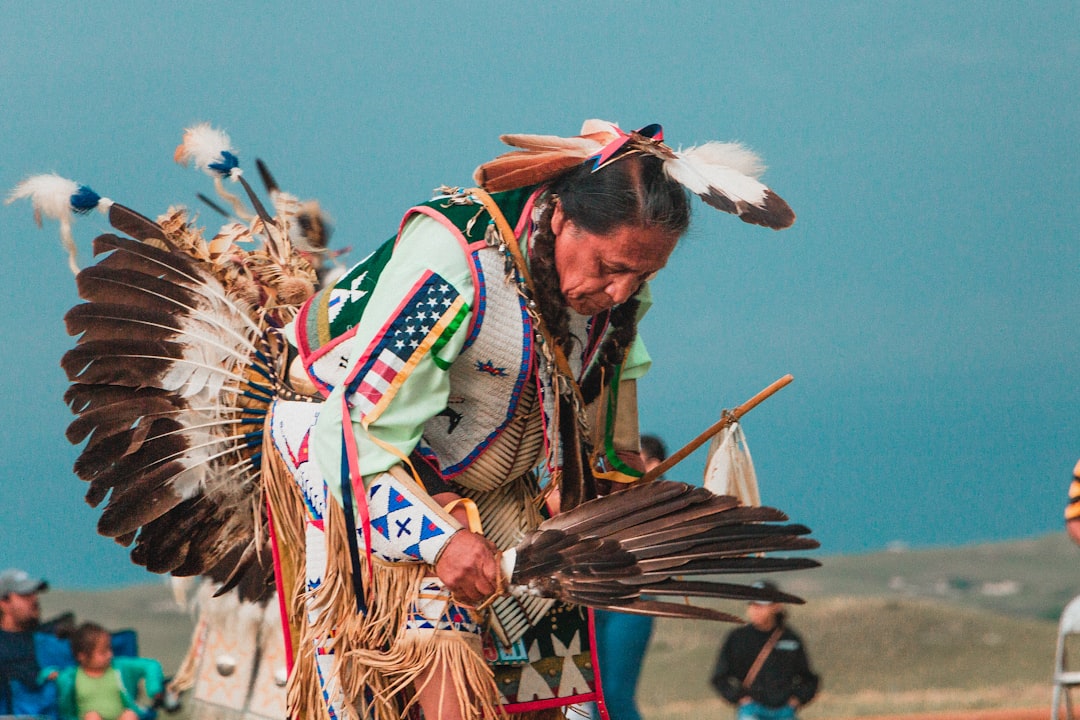
Unlocking Ancient Native American Genomes
The whispers of the past, carried on the winds across vast landscapes, have long been a source of fascination for humanity. For centuries, the rich tapestry of Native American cultures, their intricate societal structures, and their profound connection to the land have been pieced together through archaeological digs, oral traditions, and historical records. Yet, a silent, fundamental narrative remained largely inaccessible: the story encoded within the very DNA of the first peoples who walked the Americas. The advent of advanced genomic sequencing technologies has, in recent decades, begun to unlock this ancient library, offering unprecedented insights into the origins, migrations, and relationships of Native American populations. This endeavor, fraught with ethical considerations and scientific complexities, is fundamentally reshaping our understanding of human history.
The field of paleogenomics, the study of ancient DNA, has revolutionized our ability to reconstruct past populations. Before the widespread adoption of this technology, our knowledge of ancient peoples was largely limited to their material culture—the tools, pottery, and skeletal remains they left behind. While invaluable, these artifacts offer only indirect glimpses into their lives. Ancient DNA, however, provides a direct window into biological heritage, allowing scientists to trace lineage, identify genetic relationships, and even infer aspects of physiology and health.
The Technical Hurdles of Ancient DNA Extraction
Working with ancient DNA is an inherently challenging endeavor. DNA degrades over time, particularly in warmer climates, breaking down into shorter fragments and accumulating chemical damage. Extracting usable DNA from ancient skeletal remains, such as bone or teeth, requires meticulous sterile techniques to avoid contamination from modern human DNA. Furthermore, the DNA of the target individual is often present in minute quantities, necessitating sophisticated amplification methods like PCR (Polymerase Chain Reaction) to generate enough material for sequencing.
The Ethical Imperative: Respect and Collaboration
The scientific pursuit of ancient Native American genomes is inextricably linked to profound ethical considerations. For generations, Native American communities have experienced exploitation and appropriation of their cultural heritage and human remains. Therefore, any research involving ancient DNA must prioritize respect, transparency, and meaningful collaboration with descendant communities. This involves obtaining Free, Prior, and Informed Consent (FPIC) for the excavation and study of ancestral remains, ensuring that research questions are relevant to community interests, and sharing findings in an accessible and culturally sensitive manner.
Early Breakthroughs and the Unveiling of the Bering Strait Hypothesis
The initial applications of paleogenomics to ancient Native American populations provided crucial support for the long-standing Bering Strait hypothesis. This theory posits that the first humans to populate the Americas migrated from Northeast Asia across a land bridge that once connected Siberia and Alaska during the Last Glacial Maximum. Early ancient DNA studies, analyzing samples from both ancient Native Americans and Siberian populations, revealed clear genetic links, strengthening the evidence for this ancestral connection.
The Limitations of Traditional Archaeological Evidence
Traditional archaeology, while foundational, often faces limitations in pinpointing precise migration routes and timelines. While artifacts can indicate cultural connections, they don’t directly reveal biological relationships. The discovery of new archaeological sites can also be sporadic, leading to gaps in our understanding. Ancient DNA, by contrast, offers a more continuous and direct biological narrative, capable of bridging these gaps and refining our chronological understanding.
Recent studies on ancient Native American genomes have provided fascinating insights into the genetic diversity and migration patterns of Indigenous peoples across North America. These findings highlight the complex history of human settlement in the region, revealing connections to ancient populations that date back thousands of years. For more information on related topics, you can read an article discussing the implications of historical events on contemporary issues at this link.
Tracing the Footprints: The Peopling of the Americas
The question of when and how the Americas were first populated has been a central enigma in human origins research. Ancient DNA has proven to be a transformative tool in unraveling this complex narrative, moving beyond speculation to evidence-based conclusions.
The Clovis First Model and its Disruption
For decades, the “Clovis First” model dominated archaeological thought, suggesting that the Clovis culture, characterized by distinctive fluted projectile points, represented the earliest widespread human presence in North America, dating back to approximately 13,000 years ago. However, the emergence of pre-Clovis archaeological sites, such as Monte Verde in Chile, and later, genetic evidence, began to challenge this paradigm. Ancient DNA studies have provided robust evidence for human presence in the Americas significantly predating the Clovis culture.
The “Beringian Standstill” Hypothesis and its Genetic Support
Ancient genomic data has lent significant support to the “Beringian Standstill” hypothesis. This theory suggests that the ancestors of Native Americans, after migrating from Northeast Asia, spent an extended period—perhaps thousands of years—isolated in Beringia, the vast Bering land bridge region, before dispersing into the Americas. Genetic analyses of ancient individuals have revealed a unique genetic signature consistent with a period of isolation and distinct evolutionary trajectory within Beringia. This period of isolation may have allowed for the development of genetic adaptations that were crucial for survival in the diverse environments of the Americas.
The Genetic Bottleneck and its Impact
The initial migration into the Americas likely involved a relatively small founding population. Ancient DNA studies have identified evidence of a significant genetic bottleneck, meaning that the genetic diversity of the initial colonizers was reduced. This bottleneck had lasting effects on the genetic makeup of subsequent Native American populations, influencing their susceptibility to certain diseases and their adaptation to different environments. Understanding the extent and timing of this bottleneck is crucial for comprehending the genetic variation observed across the Americas today.
Evidence for Multiple Migration Waves
While the initial peopling of the Americas is often framed as a singular event, ancient DNA is beginning to suggest a more nuanced picture involving multiple migration waves. Some studies have identified distinct genetic lineages that appear to have arrived at different times or through different routes. This could include later migrations from Siberia or even, as some controversial theories propose, coastal migrations from Asia or Europe. Further research is needed to fully delineate these potential migration events and their genetic contributions.
The Genetic Links to Modern Native American Populations
One of the most compelling applications of ancient DNA is its ability to connect ancient individuals to their modern descendants. By comparing the genomes of ancient individuals with those of contemporary Native American populations, scientists can trace ancestral lineages and understand how populations have mixed, diverged, and migrated over millennia. This genetic continuity provides a powerful confirmation of ancestral links and can help communities identify and connect with their ancestral heritage.
Unraveling the Diverse Tapestry: Genetic Diversity within the Americas

Once in the Americas, human populations began to diversify, adapting to a vast array of ecological niches and developing unique cultural practices. Ancient DNA is instrumental in mapping this internal diversification, revealing the genetic relationships between different groups and shedding light on the factors that drove this divergence.
The Southern Dispersal and its Genetic Echoes
Following their arrival, human populations spread southwards across the continents. Ancient DNA studies have provided detailed genetic maps of this southern dispersal, revealing how different groups colonized distinct regions and how their genetic signatures evolved over time. This research has illuminated the genetic distinctiveness of populations in Mesoamerica, South America, and the Caribbean, reflecting their independent evolutionary histories.
The Impact of Geography and Environment on Genetic Variation
The incredible geographic and environmental diversity of the Americas played a significant role in shaping the genetic landscape of Native American populations. Mountain ranges, vast river systems, and expansive deserts acted as natural barriers, leading to genetic isolation and divergence. Ancient DNA studies have identified how specific environmental pressures, such as varying altitudes or diets, may have selected for certain genetic traits, contributing to the unique adaptations observed in different populations.
Evidence of Gene Flow and Admixture
Contrary to a simplistic model of complete isolation, ancient DNA has revealed instances of gene flow and admixture between different Native American groups. These interactions, facilitated by trade routes, warfare, or social alliances, led to the exchange of genetic material and the creation of more complex genetic histories. Identifying these admixture events helps paint a more intricate picture of past societal interactions.
The Genetic Legacy of the Arctic and Subarctic Populations
The genetic makeup of populations in the Arctic and Subarctic regions presents a unique case study, influenced by the harsh environments and distinct migration histories. Ancient DNA from these regions is helping to clarify their connections to Siberian populations and understand the genetic adaptations that allowed them to thrive in such challenging conditions.
The Island Southeast Asian Connection: A Complex Narrative
The peopling of the Caribbean islands is a particularly complex area of research where ancient DNA has made significant contributions. Genetic studies have provided evidence for multiple migration waves into the islands, with some groups originating from South American mainland populations and others potentially having origins further afield, including possible connections to Island Southeast Asia. This highlights the dynamic and multi-faceted nature of human migration.
The Ghostly Whispers of Disease and Health
Ancient DNA is not only telling us about who people were and where they came from, but also about their health and the diseases they faced. By analyzing the genomes of ancient individuals, scientists can identify the presence of pathogens, track their evolution, and understand their impact on past populations.
The Pre-Columbian Disease Landscape
Before the arrival of Europeans, Native American populations were exposed to a different set of pathogens than those prevalent in Eurasia. Ancient DNA can reveal the evolutionary history of these pre-Columbian diseases and how Native American immune systems evolved to cope with them. This provides a baseline understanding of infectious disease dynamics prior to the devastating impact of Old World diseases.
The Impact of the Columbian Exchange on Native American Health
The arrival of Europeans brought with it a host of novel diseases, such as smallpox, measles, and influenza, to which Native American populations had little to no immunity. Ancient DNA studies are beginning to investigate the genetic signatures of these introduced pathogens in ancient remains, helping to understand the timeline and devastating impact of the Columbian Exchange on Native American health and population dynamics.
Understanding Genetic Predispositions to Disease
Beyond infectious diseases, ancient DNA can also shed light on the genetic predispositions to certain chronic diseases within Native American populations. By examining variations in genes related to metabolism, immunity, and other physiological processes, researchers can gain insights into the historical health challenges faced by these communities and potentially identify genetic factors that may still influence health outcomes today.
The Role of Diet and Lifestyle in Ancient Health
The genetic analysis of ancient individuals can also be complemented by the study of their skeletal remains and archaeological context to infer aspects of their diet and lifestyle. This interdisciplinary approach allows for a more holistic understanding of how environmental factors, diet, and genetic makeup interacted to influence health and well-being in ancient Native American societies.
Ancient DNA as a Tool for Understanding Modern Health Disparities
By understanding the genetic history of Native American populations and the health challenges they have historically faced, ancient DNA research can contribute to addressing modern health disparities. This involves collaborating with communities to identify genetic factors that may influence disease susceptibility and developing culturally appropriate health interventions.
Recent studies on ancient Native American genomes have shed light on the migration patterns and genetic diversity of these early populations. These findings are crucial for understanding how environmental changes influenced their movements and settlement strategies. For a deeper exploration of how such migrations have impacted communities over time, you can read a related article that discusses the broader implications of environmental factors on human populations. This article can be found here.
The Future of Ancient Native American Genomics: Collaboration and Discovery
| Metric | Value | Description |
|---|---|---|
| Sample Age | 10,000 – 12,000 years BP | Estimated age range of ancient Native American genome samples |
| Genome Coverage | 1.5x – 30x | Depth of sequencing coverage for ancient DNA samples |
| Number of SNPs Analyzed | ~1 million | Single nucleotide polymorphisms used for population genetics analysis |
| Haplogroups Identified | Q, C, A2, B2 | Common mitochondrial and Y-chromosome haplogroups in ancient Native Americans |
| Genetic Affinity | East Asian and Siberian | Closest ancestral populations based on genome comparisons |
| Admixture Events | 1-2 major events | Detected gene flow between ancient Native Americans and other populations |
| Ancient DNA Preservation | Variable | Depends on environmental conditions and sample age |
The field of ancient Native American genomics is still in its nascent stages, with vast potential for future discoveries. However, the ethical and collaborative framework established in its early development is paramount for its continued responsible advancement.
Advancing Technological Frontiers
Continued technological advancements in DNA sequencing and ancient DNA extraction will undoubtedly lead to even deeper insights. Improvements in the ability to retrieve DNA from more degraded samples, analyze lower quantities of DNA, and reconstruct more complete genomes will unlock new avenues of research, allowing for the examination of even older and more diverse ancient populations.
The Importance of Indigenous Data Sovereignty
A critical aspect of the future of this field is the recognition and implementation of Indigenous Data Sovereignty. This principle asserts that Indigenous peoples have the right to govern the collection, ownership, and application of data pertaining to them. This means that Native American communities must have a central role in guiding research questions, controlling access to their ancestral DNA data, and benefiting from the knowledge generated.
Expanding the Geographic and Temporal Scope
Currently, much of the research has focused on specific regions and time periods. Future efforts will aim to expand the geographic and temporal scope of ancient DNA studies, encompassing a wider range of Native American populations across the entire hemisphere and delving further back into the deep past to understand the earliest migrations and adaptations.
The Role of Citizen Science and Community Engagement
Engaging Native American communities directly in the research process, through citizen science initiatives and community-led projects, can foster greater trust and ensure that research questions are relevant and beneficial to the communities themselves. This collaborative approach moves beyond the traditional researcher-participant dynamic to one of genuine partnership.
Ethical Frameworks and Ongoing Dialogue
The ethical considerations surrounding ancient Native American genomics are not static. Ongoing dialogue and the continuous refinement of ethical frameworks are essential to navigate the evolving landscape of genetic research and ensure that it is conducted with the utmost respect for ancestral heritage and descendant communities. This includes establishing clear protocols for data sharing, intellectual property, and the potential uses of genetic information. The journey of unlocking ancient Native American genomes is not merely a scientific endeavor; it is a profound undertaking that requires humility, collaboration, and an unwavering commitment to honoring the voices and legacies of the first peoples of the Americas.
Kennewick Man’s Skull Said One Thing. DNA Said Another.
FAQs
What is the significance of studying ancient Native American genomes?
Studying ancient Native American genomes can provide insights into the population history, migration patterns, and genetic diversity of indigenous peoples in the Americas.
How do scientists extract and analyze ancient Native American genomes?
Scientists extract ancient DNA from skeletal remains or artifacts, and then use advanced sequencing techniques to analyze the genetic information. This helps in understanding the genetic makeup of ancient populations.
What have studies of ancient Native American genomes revealed?
Studies of ancient Native American genomes have revealed complex population dynamics, interactions with other groups, and adaptations to different environments over thousands of years.
How does the study of ancient Native American genomes contribute to our understanding of human evolution?
The study of ancient Native American genomes provides valuable information about the peopling of the Americas, human migration patterns, and genetic adaptations to diverse environments, contributing to our understanding of human evolution.
What are some challenges in studying ancient Native American genomes?
Challenges in studying ancient Native American genomes include the degradation of DNA over time, contamination from modern DNA, and the ethical considerations surrounding the handling of ancestral remains.