
Bilateral trade agreements, often unseen gears in the global economic engine, play a crucial role in shaping the commercial landscape between two nations. These meticulously crafted pacts are more than just lines on paper; they are carefully constructed bridges, designed to facilitate the flow of goods and services, foster investment, and ultimately, unlock the latent economic potential harbored within each participating country. Understanding the intricacies and implications of these agreements is essential for comprehending the dynamics of international commerce and the pathways to sustained economic growth.
At its core, a bilateral trade agreement is a formal, legally binding contract between two sovereign states. Its primary objective is to liberalize trade by reducing or eliminating barriers that impede the exchange of commodities and services across their respective borders. These barriers can manifest in various forms, ranging from tariffs – taxes imposed on imported goods – to non-tariff barriers, which encompass a wider array of regulatory hurdles, quotas, and administrative complexities. By dismantling these obstacles, bilateral agreements aim to create a more predictable and favorable environment for businesses to operate and expand internationally.
The Spectrum of Barriers: Tariffs and Beyond
Tariffs, historically the most prominent form of trade restriction, are effectively taxes levied at the point of import. Their reduction or elimination within a trade agreement directly lowers the cost of imported goods for consumers and businesses in the importing country. This can lead to increased competition for domestic industries, potentially driving down prices and enhancing product variety for consumers. Historically, tariffs have been employed as a tool to protect nascent domestic industries from foreign competition, but increasingly, they are viewed as impediments to efficient global resource allocation and consumer welfare.
Non-tariff barriers (NTBs), while perhaps less visible than tariffs, can be equally, if not more, obstructive to trade. These include stringent product standards and regulations that may differ significantly between countries, requiring extensive testing and certification processes. For example, a food product approved for sale in one nation might require a completely different set of hygiene certifications to be sold in another. Other NTBs include complex customs procedures, import licensing requirements, and discriminatory government procurement practices. Bilateral agreements often seek to harmonize or mutually recognize these standards, thereby streamlining cross-border trade.
The Cornerstone of Negotiation: Reciprocity and Mutual Benefit
The principle of reciprocity underpins the negotiation of any successful bilateral trade agreement. This means that concessions offered by one country are generally matched by similar concessions from the other. The ultimate goal is to achieve a mutually beneficial outcome, where both economies stand to gain from the enhanced trade relationship. This is not to say that the benefits are always distributed equally, as the relative size and economic structure of the participating nations will influence the specific gains. However, the overarching aim is for both parties to emerge with a net positive economic impact.
Beyond Goods: The Growing Importance of Services and Investment
While traditionally focused on the exchange of physical goods, modern bilateral trade agreements have increasingly broadened their scope to encompass trade in services and investment. The burgeoning global services sector, including financial services, telecommunications, transportation, and professional services, represents a significant portion of economic activity. Agreements increasingly address market access for service providers, national treatment (treating foreign service providers no less favorably than domestic ones), and the movement of natural persons (temporary entry for business purposes). Similarly, provisions on investment protection and promotion aim to create a stable and predictable environment for foreign direct investment (FDI), encouraging capital flows and technology transfer.
Bilateral trade agreements play a crucial role in shaping international economic relations, and understanding their implications is essential for businesses and policymakers alike. For a deeper insight into the dynamics of these agreements, you can explore a related article that discusses their impact on global trade patterns and economic growth. To read more, visit this article.
Unlocking Market Access: A Gateway to New Opportunities
One of the most tangible benefits of a bilateral trade agreement is the enhanced market access it provides for a nation’s exports. By reducing or eliminating tariffs and other trade barriers in the partner country, domestic producers gain a more competitive edge, making their goods and services more attractive to foreign consumers. This can lead to a significant expansion of export volumes, creating new revenue streams for businesses and stimulating economic growth.
The Tariff Reduction Cascade: From Higher Prices to Wider Choices
As tariffs are progressively lowered or eliminated, the cost of importing goods from the partner country diminishes. This price reduction can translate into several positive outcomes. For consumers, it means access to a wider array of products at potentially lower prices, increasing their purchasing power and overall welfare. For businesses, it can mean access to cheaper imported raw materials, intermediate goods, or machinery, thereby reducing their production costs and enhancing their competitiveness. This downward pressure on prices can also spur greater efficiency and innovation within domestic industries as they face increased competition. The reduction of tariffs is akin to a river dam being gradually lowered, allowing a greater volume of water, representing goods and services, to flow freely between two lands.
Navigating the Regulatory Maze: Harmonization and Mutual Recognition
Beyond tariffs, trade agreements often tackle the complex landscape of regulations and standards. Harmonizing product standards or establishing mechanisms for mutual recognition can significantly reduce the burden on exporters. Instead of having to re-engineer products or undergo costly and time-consuming certification processes for each individual market, businesses can leverage the streamlined requirements within the agreement. This not only saves time and money but also accelerates the pace at which goods can reach consumers, fostering a more dynamic and responsive global marketplace.
Sector-Specific Benefits: Tailoring the Agreement to National Strengths
Bilateral trade agreements are rarely one-size-fits-all. Negotiations often involve identifying sectors where each country possesses a comparative advantage and tailoring provisions to maximize benefits in those areas. For instance, an agreement between a country with a strong agricultural sector and one with advanced manufacturing capabilities might feature preferential access for agricultural products in exchange for reduced tariffs on manufactured goods. This targeted approach ensures that the agreement aligns with the natural strengths of each economy, amplifying the potential for growth.
Stimulating Investment and Economic Diversification
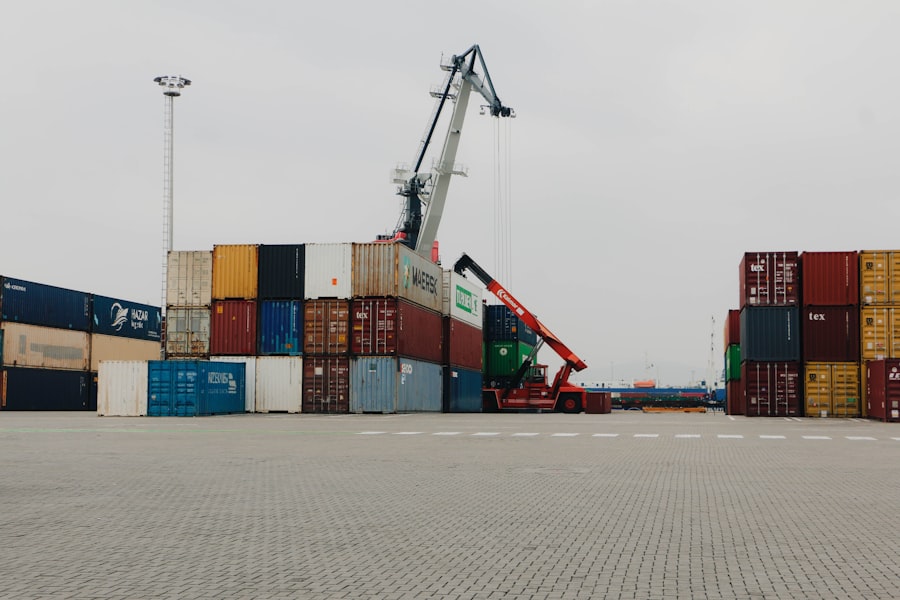
Bilateral trade agreements are not merely about the movement of goods; they are potent catalysts for investment. By creating a more stable and predictable trading environment, these agreements signal to domestic and foreign investors that the respective markets are open for business and that their investments will be protected. This can lead to a significant inflow of foreign direct investment (FDI), which brings not only capital but also advanced technology, managerial expertise, and access to international supply chains.
The Investor Confidence Factor: A Magnet for Capital
A clear and comprehensive set of rules governing investment, often a key component of bilateral trade agreements, significantly boosts investor confidence. Provisions related to fair and equitable treatment, protection against expropriation without prompt and adequate compensation, and dispute resolution mechanisms provide a safety net for investors. This assurance reduces the perceived risk of investing in the partner country, making it a more attractive destination for both foreign and domestic capital. Imagine this as building a robust and well-lit highway, making it far more appealing for investors to drive their capital into a new territory.
Fostering Innovation and Knowledge Transfer
FDI, facilitated by trade agreements, is a powerful engine for innovation and knowledge transfer. Foreign companies often bring with them cutting-edge technologies, advanced production methods, and global best practices. This influx can spur domestic firms to upgrade their own capabilities, adopt new technologies, and improve their efficiency to remain competitive. Furthermore, the collaboration and competition fostered by increased international economic engagement can lead to the development of new industries and the diversification of the national economy, reducing reliance on a narrow range of sectors.
Enabling Value Chain Integration: From Local Production to Global Networks
Bilateral trade agreements can facilitate the integration of domestic industries into global value chains. Companies can leverage the preferential access and streamlined trade procedures to become integral parts of international production networks. This might involve sourcing intermediate goods from the partner country to produce finished products for export, or establishing manufacturing facilities in the partner country to serve a larger market. Such integration allows smaller economies to participate in global commerce on a larger scale, reaping the benefits of specialization and economies of scale.
Enhancing Consumer Welfare and Choice

While often discussed in terms of macroeconomic benefits like GDP growth and export volumes, the impact of bilateral trade agreements on the average consumer is equally significant. By reducing trade barriers, these agreements tend to broaden the variety of goods and services available to consumers and, in many cases, lower their prices.
A Wider Shelf: The Bonanza of Imported Goods
The most direct impact on consumers is the expansion of the product landscape. With reduced tariffs and fewer regulatory hurdles, a greater diversity of goods from the partner country becomes available. This can range from unique artisanal products to mass-produced consumer electronics, offering consumers more choices to meet their specific needs and preferences. This expanded selection can break the monotony of an otherwise limited domestic market, akin to unlocking a forgotten treasure chest of goods.
The Price Is Right: Competition Driving Down Costs
The increased competition that arises from the liberalization of trade often acts as a powerful force in driving down prices. Domestic producers, facing competition from more affordable imports, are incentivized to improve their efficiency, innovate, and potentially lower their own prices to remain competitive. Consumers, in turn, benefit from this price pressure, enjoying lower costs for a range of products, thereby increasing their real disposable income and improving their standard of living.
Quality and Innovation: A Virtuous Cycle
The pressure of international competition also encourages higher standards of quality and innovation. To compete effectively, both domestic and foreign firms often invest in research and development, improved product design, and enhanced customer service. This can lead to a virtuous cycle where consumers benefit from higher quality products and a continuous stream of innovative offerings, driving overall economic progress.
Bilateral trade agreements play a crucial role in shaping international economic relations, and understanding their implications can be enhanced by exploring related topics. For instance, an insightful article on the impact of trade policies can be found at this link, which delves into how these agreements influence market access and economic growth. By examining such resources, one can gain a deeper appreciation of the complexities involved in global trade dynamics.
Deepening Diplomatic Ties and Global Cooperation
| Country Pair | Agreement Name | Year Signed | Key Sectors Covered | Trade Volume (Billion USD) | Tariff Reduction (%) | Status |
|---|---|---|---|---|---|---|
| USA – South Korea | United States-Korea Free Trade Agreement (KORUS FTA) | 2012 | Automobiles, Electronics, Agriculture | 250 | 85 | Active |
| China – Australia | China-Australia Free Trade Agreement (ChAFTA) | 2015 | Mining, Agriculture, Services | 220 | 90 | Active |
| EU – Japan | EU-Japan Economic Partnership Agreement | 2019 | Automobiles, Chemicals, Agriculture | 180 | 75 | Active |
| India – UAE | India-UAE Comprehensive Economic Partnership Agreement | 2022 | Textiles, Gems & Jewelry, IT Services | 60 | 70 | Under Implementation |
| Canada – Mexico | Canada-Mexico Free Trade Agreement | 1994 | Automobiles, Agriculture, Energy | 150 | 80 | Active |
Beyond their economic ramifications, bilateral trade agreements often serve as a powerful instrument for strengthening diplomatic relations and fostering broader international cooperation. The intricate process of negotiation and the ongoing management of such agreements necessitate regular dialogue and a commitment to shared objectives, which can pave the way for collaboration in other spheres.
Building Bridges of Trust: Dialogue and Negotiation as Diplomacy
The very act of negotiating a trade agreement requires extensive dialogue and compromise between two nations. This process, often spanning years, involves complex discussions on sensitive economic sectors, legal frameworks, and dispute resolution mechanisms. Success in these negotiations builds trust and demonstrates a willingness to engage constructively, laying the groundwork for deeper and more robust diplomatic ties. The structured conversations surrounding trade can act as a precursor to discussions on security or environmental issues.
Shared Interests, Shared Futures: Beyond the Economic Realm
Once an agreement is in place, its implementation and ongoing review require continued engagement between the signatory nations. This sustained interaction often extends beyond purely economic matters. Trade ministers and officials may find themselves collaborating on issues related to regulatory reform, environmental standards, or labor rights. Such shared interests can spill over into broader areas of international cooperation, such as joint initiatives on climate change, counter-terrorism, or public health.
A Platform for Resolving Disputes: Mechanisms for Harmony
Bilateral trade agreements typically include provisions for dispute resolution. These mechanisms provide a structured and impartial framework for addressing trade-related disagreements that may arise between the two countries. The existence of such established channels for resolving conflicts can prevent minor trade disputes from escalating into broader diplomatic crises, contributing to overall regional and global stability. This provides a built-in diplomatic circuit breaker, preventing minor trade disagreements from igniting larger political fires.
Addressing Potential Challenges and Ensuring Equitable Outcomes
While the benefits of bilateral trade agreements are numerous, it is imperative to acknowledge and address the potential challenges and ensure that the outcomes are as equitable as possible. Unmanaged liberalization can lead to significant disruptions within certain domestic industries, and the benefits may not always be evenly distributed across different segments of society.
The Double-Edged Sword: Impact on Domestic Industries
As previously noted, reduced trade barriers can expose less competitive domestic industries to more efficient foreign competitors. This can lead to job losses in those specific sectors, factory closures, and regional economic decline. While the overall economy may benefit, the transition can be painful for those directly affected. Governments often need to implement adjustment programs, such as retraining initiatives and worker support schemes, to mitigate these negative impacts and help displaced workers find new opportunities.
The Distributional Effects: Who Truly Benefits?
The economic gains from trade liberalization are not always distributed equally. Consumers with lower incomes may benefit from lower prices, but they may also be disproportionately affected by job losses in certain sectors. Similarly, while businesses that can export will see gains, those that primarily rely on the domestic market and face increased import competition may struggle. Striking a balance requires careful consideration of the distributional effects and the implementation of complementary policies to ensure that the benefits of trade are shared more broadly.
Safeguarding National Interests: The Role of Regulatory Autonomy
While harmonization of standards is often beneficial, it is crucial that countries retain sufficient regulatory autonomy to protect public health, safety, and the environment. Trade agreements should not compel nations to lower their standards in these critical areas. Provisions that allow for legitimate regulatory measures are essential to ensure that trade liberalization does not come at the expense of citizens’ well-being or planetary health. This requires a delicate balancing act, ensuring that cooperation does not lead to a race to the bottom.
The Importance of Transparency and Inclusion
The negotiation and implementation of bilateral trade agreements should be transparent processes, involving input from a wide range of stakeholders, including businesses, labor unions, civil society organizations, and academics. Inclusive decision-making processes can help identify potential challenges and ensure that the agreements are designed to promote broad-based economic and social progress, rather than primarily benefiting a select few.
FAQs
What are bilateral trade agreements?
Bilateral trade agreements are treaties between two countries that agree on terms to facilitate trade and investment. These agreements typically aim to reduce tariffs, import quotas, and other trade barriers to promote economic cooperation.
How do bilateral trade agreements differ from multilateral trade agreements?
Bilateral trade agreements involve only two countries, whereas multilateral trade agreements include multiple countries. Bilateral agreements focus on specific trade relations between two nations, while multilateral agreements address broader trade rules among many countries.
What are the main benefits of bilateral trade agreements?
The main benefits include increased market access, reduced tariffs, enhanced investment opportunities, and stronger economic ties between the two countries. They can also lead to improved regulatory cooperation and dispute resolution mechanisms.
Are there any drawbacks to bilateral trade agreements?
Potential drawbacks include the complexity of managing multiple agreements with different countries, possible trade diversion effects, and the exclusion of other nations which may lead to trade imbalances or tensions.
How do bilateral trade agreements impact domestic industries?
Bilateral trade agreements can benefit domestic industries by opening new markets and reducing costs. However, some sectors may face increased competition from imports, which can lead to adjustments in production and employment. Governments often implement measures to support affected industries during transitions.