French Canadian genealogy can feel like a puzzle with some missing pieces, but thankfully, a wealth of records exists to help you connect with your ancestors. Unlocking your family history in this rich tradition is entirely achievable with a bit of guidance on where to look and what to expect.
Where to Begin: Essential First Steps
Before diving headfirst into archives and databases, a solid foundation is key. Think of this as gathering your tools before starting a big project. The more organized you are at the outset, the smoother your research journey will be.
Starting with What You Know
This might sound obvious, but it’s the absolute cornerstone of any genealogical research. Sit down with older relatives, sort through any family documents you already possess – Bibles with birth and death dates, old letters, photos with names on the back, even obituaries. Jot down every name, date, and place you can find. Don’t dismiss any tidbit of information; even a vague story can point you in the right direction. The goal here is to build a timeline and identify the “known” individuals in your family tree. This acts as your anchor.
Understanding French Canadian Naming Conventions
This is a crucial point and often a stumbling block. French Canadian names, especially from earlier periods, can be tricky. People often had multiple given names, and the one used in daily life might not be the first one listed on an official record. Furthermore, many individuals adopted nicknames or used a combination of their given names that changed over time. Don’t be surprised to see someone listed as “Jean-Baptiste” frequently referred to as “Baptiste” or even “JB.” Also, be aware of patronymics, where a child might be identified by their father’s given name followed by “dit” (meaning “called” or “known as”) and then a surname that might differ from the father’s. For example, “Pierre dit Jolicoeur, son of Jacques.” This “dit” name could become the family’s primary surname over generations.
Identifying Key Information to Look For
As you gather information, focus on specific details that will help you locate records. These include:
- Full Names: As complete as possible, including middle names.
- Dates: Birth, marriage, and death dates are critical. Even approximate dates are helpful.
- Places: Specific towns, villages, parishes, or even regions are vital. Quebec, for example, is a large province, and knowing the specific county or parish is essential.
- Relationships: Who were the parents, siblings, spouses, and children of your ancestors?
- Occupations and Social Status: While not always readily available, these details can sometimes provide clues or context.
For those interested in exploring French Canadian genealogical records, a related article that delves into the intricacies of historical documentation and its impact on understanding ancestry can be found at this link: Apocalyptic Ancient Tech: Catastrophic Effects of Lost Innovations. This article provides insights into how lost innovations and historical records shape our understanding of cultural heritage, which is essential for genealogical research.
Navigating Parish and Civil Records
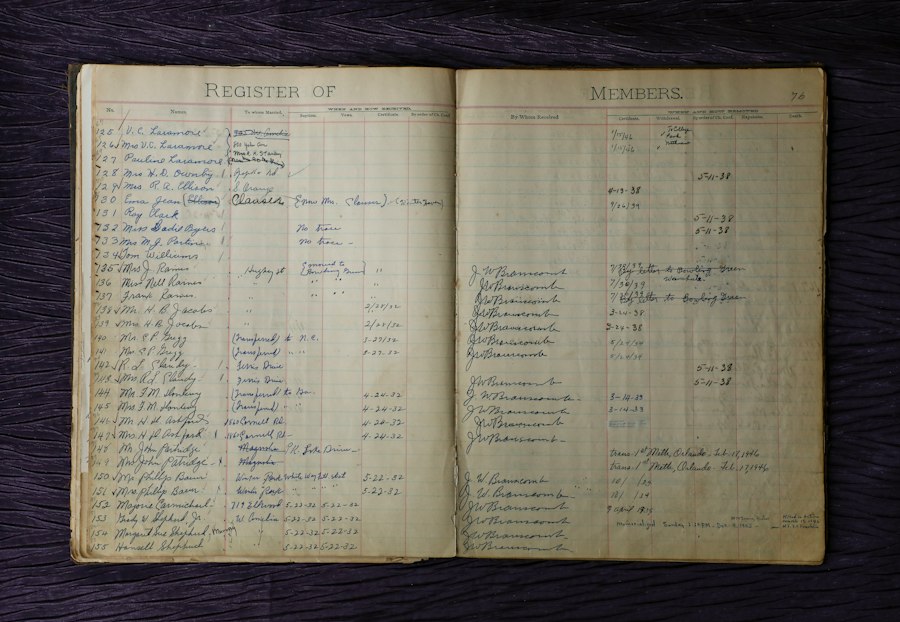
Parish records are the bedrock of French Canadian genealogical research, especially for earlier periods. Before comprehensive civil registration, the Catholic Church was responsible for maintaining vital records.
The Importance of Parish Registers (Registres Paroissiaux)
From the earliest days of New France, parish priests were obligated to keep meticulous records of baptisms, marriages, and burials within their jurisdiction. These registers are goldmines of information. A baptismal record typically lists the child’s name, date of baptism, parents’ names (often including the mother’s maiden name), and sometimes godparents’ names and their relationship to the family. Marriage records usually include the names of the bride and groom, their parents, the date of the marriage, and sometimes witnesses. Burial records provide the deceased’s name, date of death, and often age.
Locating Parish Records Online and In-Person
Many of these historical parish registers have been microfilmed and digitized, making them accessible online.
- Bibliothèque et Archives nationales du Québec (BAnQ): This is a primary resource. BAnQ holds extensive collections of microfilmed parish registers. Many are available for viewing online through their catalogue. You can search by parish name and then browse digitized images.
- FamilySearch: The Church of Jesus Christ of Latter-day Saints (LDS) has microfilmed and digitized a vast number of civil and parish records worldwide, including many from Quebec and other French-speaking areas. Their website, FamilySearch.org, offers free access to these records. You’ll need to create a free account to view many of the images.
- Ancestry.com and MyHeritage: These commercial sites also have significant collections of French Canadian records, often indexed and searchable. While they require a subscription, they can be very convenient for initial searches.
- Local Archives and Libraries: If online resources don’t yield results, consider visiting or contacting local archives and libraries in the regions your ancestors lived. They may hold original or duplicate registers not yet digitized.
Decoding the Language and Script
Most historical French Canadian records are written in French. While many researchers are comfortable with French, the handwriting can be a challenge.
- Learning French Phrases: Familiarizing yourself with common genealogical terms in French will be incredibly helpful. Words like “né(e)” (born), “marié(e)” (married), “décédé(e)” (deceased), “fils” (son), “fille” (daughter), “père” (father), “mère” (mother), “époux(se)” (spouse), “témoins” (witnesses), and place names are essential.
- Practicing Reading Old Handwriting: This takes practice. Online resources and communities dedicated to French Canadian genealogy often offer tips and tools for deciphering old script. Look for paleography guides or join forums where you can ask for help reading specific entries. Sometimes, a quick transcription request on a genealogy forum can unlock a difficult record.
Beyond the Parish: Civil Records and Census Data
As time progressed, civil governments began taking a more active role in registering vital events, and census records provide invaluable snapshots of families at specific moments in time.
The Rise of Civil Registration
Beginning in the mid-19th century, civil registration of births, marriages, and deaths became more prevalent in Quebec and other French-speaking areas. This means you’ll find a parallel set of records alongside, and eventually replacing, parish registers.
- Key Dates: In Quebec, civil registration started in earnest around 1862, though earlier efforts existed in some areas.
- Content: Civil records generally contain similar information to parish records – names, dates, places, and parentage. They are often more standardized and sometimes include additional details.
Utilizing Census Records for Family Context
Census records are like time capsules, offering a glimpse into who was living in a household at a particular time and their basic demographics.
- What to Expect: Censuses usually list individuals residing in a household, their ages, sex, relationship to the head of the household, place of birth (often country or province), and sometimes occupation.
- Key Census Years in Canada: For Quebec and Canada, important census years include 1851, 1861, 1871, 1881, 1891, 1901, 1911, 1921, and 1931 (with the 1931 census being the most recent released to the public due to privacy laws).
- Finding Census Records:
- Library and Archives Canada (LAC): LAC holds the digitized federal census records for Canada. These are searchable and browsable online.
- FamilySearch: Many census records are also available and indexed on FamilySearch.
- Ancestry.com and MyHeritage: These sites also provide access to and indexes for Canadian census records.
Marriage Records: A Gateway to New Families
Marriage records are particularly powerful because they often name the parents of both the bride and groom. This can be a crucial link to expanding your family tree on both sides.
- Parish vs. Civil: As mentioned, you’ll find both parish and civil marriage records. It’s often wise to check both for a particular marriage. Sometimes one record might have more detail or clarity than the other.
- Banns and Intentions: Some earlier parish records might include information about “banns” or intentions to marry, which were public announcements made over several weeks. These can sometimes provide clues if a marriage record itself is missing.
Specialized Records and Resources
Beyond the core vital and census records, a variety of other sources can offer deeper insights into your French Canadian ancestors’ lives.
Notarial Records: A Wealth of Detail
Notarial records are an often-underutilized but incredibly rich source of information for French Canadian genealogy, particularly for the colonial period and into the 19th century. Notaries were public officials who drafted legal documents.
- Types of Documents: These include marriage contracts (contrats de mariage), wills (testaments), inventories of estates (inventaires après décès), property sales (ventes), and other agreements.
- What They Reveal: Marriage contracts are especially valuable as they often list the names of parents, grandparents, and sometimes even siblings of the bride and groom, along with details about dowries and family property. Wills and inventories provide a snapshot of a person’s assets, family members, and sometimes their relationships.
- Accessing Notarial Records: These records are primarily held by BAnQ and various provincial archives. Many have been microfilmed and are available for research. Some indexes exist, but often a direct search by notary name or location is required.
Military Records: Service and Settlement
If your ancestors served in the military, whether in the French colonial forces, the British army, or later Canadian militias, these records can provide valuable genealogical data.
- French Colonial Era: Records from this period can be sparse but might include enlistment papers or pension applications.
- British Period: Following British conquest, many French Canadians served in various capacities. Records might include muster rolls or pension lists.
- Militia Records: Local militia records can sometimes list individuals from specific communities.
- Where to Look: Library and Archives Canada (LAC) is the primary repository for Canadian military records.
Immigration and Emigration Records
Understanding when and why your ancestors moved can be key. While New France was largely established by settlers from France, there was also movement within the colony and later emigration from Quebec to other parts of North America.
- Passenger Lists: For ancestors who arrived directly from Europe, passenger lists are the go-to. However, for the early periods of New France, systematic passenger lists are rare.
- Internal Migration: Many French Canadians migrated within Quebec, to Ontario, the Maritimes, and especially to the United States (New England states being a major destination). Tracking these movements often relies on piecing together information from census records, land records, and local vital records in the new locations.
- Emigration to the US: Look for US census records, naturalization papers, and vital records in states like Massachusetts, Rhode Island, Connecticut, and New York.
Exploring French Canadian genealogical records can be a fascinating journey into the past, revealing the rich tapestry of ancestry and heritage. For those interested in understanding the broader implications of historical narratives, a related article discusses the impact of cultural erasure and the importance of preserving ancient wisdom. You can read more about this topic in the article found here, which highlights how history shapes our identities and the significance of maintaining our roots.
Advanced Research Techniques and Community Support
| Record Type | Time Period Covered | Common Locations | Languages | Availability | Typical Information Found |
|---|---|---|---|---|---|
| Baptismal Records | 1621 – Present | Quebec, Acadia, Ontario | French, Latin | Church archives, Online databases | Child’s name, parents’ names, godparents, date and place of baptism |
| Marriage Records | 1621 – Present | Quebec, Acadia, Ontario | French, Latin | Church archives, Civil registries, Online | Names of bride and groom, parents, witnesses, date and place of marriage |
| Burial Records | 1621 – Present | Quebec, Acadia, Ontario | French, Latin | Church archives, Cemeteries, Online | Deceased’s name, age, date and place of burial, sometimes cause of death |
| Census Records | 1666 – 1921 | Quebec, Ontario | French, English | National archives, Online databases | Household members, ages, occupations, birthplaces |
| Notarial Records | 17th Century – Present | Quebec | French | Archives nationales, Online | Contracts, wills, property transactions, marriage contracts |
| Military Records | 18th Century – 20th Century | Quebec, Canada | French, English | National archives, Online | Service details, enlistment, discharge, pension records |
Once you’ve exhausted the basic record types, there are more advanced strategies and valuable community resources to help you break through brick walls.
DNA Testing and Its Role
DNA testing has become a powerful tool for genealogists, offering a different way to connect with relatives and explore your heritage.
- Autosomal DNA: This is the most common type of test and is useful for tracing recent ancestry (up to about 5-7 generations). It can identify relatives who share DNA with you, providing potential new avenues for research.
- Y-DNA and mtDNA: These tests trace paternal and maternal lines, respectively, and can be useful for confirming or extending older lineages, especially if you have a well-documented paternal or maternal ancestor.
- Connecting with French Canadian DNA Groups: There are many online communities and Facebook groups dedicated to French Canadian DNA research. Members often share insights, compare results, and can help interpret DNA matches within the context of French Canadian history and surnames.
Utilizing Genealogical Societies and Online Forums
You are not alone in your research journey! A vast and supportive community exists to help you.
- Société généalogique canadienne-française (SGCF): This is a prominent organization in Quebec dedicated to promoting French Canadian genealogy. They offer publications, conferences, and resources.
- French-Canadian Genealogy Websites and Forums: Websites like Genealogy.com, Ancestry message boards, and dedicated French Canadian genealogy forums are excellent places to ask questions, find research tips, and connect with other researchers. Many experienced genealogists are happy to share their knowledge.
- Facebook Groups: A quick search for “French Canadian Genealogy” on Facebook will reveal numerous groups where you can post queries, share findings, and learn from others.
The Importance of “Dit” Names and Surname Research
As touched on earlier, understanding “dit” names is paramount. Many French Canadian surnames originated as “dit” names.
- Researching Dit Names: If you encounter a “dit” name, research the ancestral line that used it. It’s possible that the “dit” name eventually became the primary surname for branches of that family.
- Surname Origins: Researching the origins of your specific French Canadian surnames can provide clues about the regions your ancestors came from in France and their historical context.
Overcoming “Brick Walls”
Every genealogist encounters them – those ancestors who seem to vanish from the records.
- Revisit What You Have: Sometimes, a fresh look at existing documents can reveal clues you missed.
- Broaden Your Search Area: If an ancestor disappears from their home parish, check neighboring parishes or nearby towns.
- Consider Alternative Spellings: Names were often spelled phonetically, so be open to variations in spelling.
- Look for Event-Related Records: Try searching for records related to major life events like marriage, death, land purchases, or military service, as these might appear in different record sets.
- Consult Experts: If you’re truly stuck, consider hiring a professional genealogist specializing in French Canadian research. Their expertise and access to resources can be invaluable.

Cajun or French Canadian? The DNA Looked the Same—Until Researchers Looked Closer
FAQs
What types of genealogical records can be found in French Canadian genealogy?
French Canadian genealogical records typically include baptismal, marriage, and burial records, as well as census records, notarial records, and land records.
Where can I access French Canadian genealogical records?
French Canadian genealogical records can be accessed online through websites such as Ancestry.com, FamilySearch.org, and the Drouin Collection. Local archives and libraries in Quebec also hold a wealth of genealogical records.
What time period do French Canadian genealogical records cover?
French Canadian genealogical records can cover a wide range of time periods, but they are most commonly available from the early 1600s to the early 1900s, depending on the specific record type and location.
Are French Canadian genealogical records written in French?
Yes, most French Canadian genealogical records are written in French, as French was the primary language used in Quebec for official documents and church records during the time periods covered by these records.
How can I verify the accuracy of French Canadian genealogical records?
To verify the accuracy of French Canadian genealogical records, it is recommended to cross-reference information from multiple sources, such as church records, civil records, and other historical documents. Consulting with professional genealogists or historians can also help ensure the accuracy of your research.