The modern age has gifted humanity with an unprecedented ability to peer into the past, not through dusty tomes or faded photographs alone, but through the very building blocks of life itself: DNA. For centuries, individuals have pondered their origins, tracing family trees through genealogical records, listening to the whispers of ancestral stories, and feeling an intrinsic, often unarticulated, connection to a heritage that stretches back through generations. Now, the science of DNA testing for ancestry has moved beyond the realm of scientific curiosity and into the hands of the everyday person, offering a tangible, irrefutable link to one’s true roots. This powerful tool is not merely about discovering distant relatives or confirming family lore; it is about unlocking a profound understanding of identity, a journey of self-discovery that can reshape perspectives and forge new connections.
The allure of ancestry has always been potent. It speaks to a fundamental human need to belong, to understand where we come from in order to better understand who we are. For many, family histories are passed down through oral traditions, embellished over time, or painstakingly documented in aging family bibles. These narratives, while precious, are often incomplete, subject to the vagaries of memory, and can sometimes paint an incomplete or even inaccurate picture of the past. DNA testing, however, offers a different kind of truth – one etched into the very code of our being. It bypasses the limitations of written records and the subjectivity of personal recollection, providing a scientific and objective lens through which to view our ancestral journey. This is not to diminish the value of traditional genealogical research; rather, it is to acknowledge that DNA analysis offers a complementary and often revolutionary dimension to the pursuit of ancestral knowledge.
The Science Behind Your Genetic Story
The ability of DNA to reveal ancestral origins lies in its unique structure and the way it is inherited. Every individual inherits a combination of DNA from both parents, who in turn inherited it from their parents, and so on. This creates a genetic lineage that, when analyzed, can be compared to reference populations around the world. The science behind this process is complex, involving the examination of specific regions of DNA that are known to vary between different ethnic and geographic groups.
Understanding Autosomal DNA and Its Significance
The most common type of DNA test for ancestry focuses on autosomal DNA. This is the DNA found in the 22 pairs of chromosomes that are not sex chromosomes. Autosomal DNA is inherited from all your ancestors, both maternally and paternally, and is therefore the most comprehensive for determining overall ethnic composition. It is passed down in a mixed fashion from all ancestors. Approximately 50% comes from each parent, 25% from each grandparent, 12.5% from each great-grandparent, and so on. This means that autosomal DNA can trace your heritage back hundreds, and even thousands, of years.
When you take an autosomal DNA test, a sample of your DNA is analyzed. This analysis involves looking at hundreds of thousands of specific points, or SNPs (Single Nucleotide Polymorphisms), across your autosomal chromosomes. These SNPs are like markers that can be compared to a vast database of DNA samples from individuals with known ethnic and geographic origins. By identifying which of your SNPs match those in particular reference populations, the testing company can estimate the percentage of your DNA that originates from different regions of the world. This process is not an exact science, and the percentages provided are estimates, but they are based on robust statistical models and extensive datasets.
Exploring the Y-Chromosome and Mitochondrial DNA
While autosomal DNA provides a broad overview of ancestral origins, other types of DNA testing offer more specific insights into paternal and maternal lineages. Y-chromosome DNA (Y-DNA) is found only in males and is passed down virtually unchanged from father to son. This makes Y-DNA testing ideal for tracing a direct paternal lineage, revealing the ancient migratory paths of your male ancestors. By examining specific markers on the Y-chromosome, scientists can determine a man’s Y-haplogroup, which can pinpoint ancestral origins that may stretch back tens of thousands of years, often linking individuals to ancient tribal groups and migration routes.
Mitochondrial DNA (mtDNA), on the other hand, is inherited exclusively from the mother and is found in the mitochondria, the powerhouses of cells. Both males and females have mtDNA, but only females pass it on to their offspring. Like Y-DNA, mtDNA is passed down with very few mutations, making it an excellent tool for tracing a direct maternal lineage. mtDNA testing can reveal your maternal haplogroup, offering insights into the ancient journeys of your female ancestors, often connecting you to early human migrations out of Africa and across the globe. These specialized tests, while not providing the broad ethnic breakdown of autosomal DNA, offer incredibly deep and focused insights into specific ancestral lines.
Recent advancements in DNA testing have revolutionized our understanding of ancestry, providing individuals with the ability to trace their lineage with remarkable accuracy. For those interested in exploring the intersection of genetics and environmental history, a related article discusses sophisticated techniques for ancient climate control and their implications for understanding human adaptation. You can read more about it in this insightful piece: Mastering Ancient Climate Control: Sophisticated Techniques for Environmental Regulation.
The Journey of Discovery: What to Expect from Your Ancestry Test
Embarking on a DNA ancestry journey is an exciting prospect, but it’s important to approach it with realistic expectations. The results are not always a simple, definitive answer, but rather a fascinating tapestry woven from scientific data and statistical probabilities. The process typically involves a simple at-home collection kit, followed by analysis at a specialized laboratory.
Collecting Your Sample: A Simple and Painless Process
The most common method for collecting a DNA sample for ancestry testing is through a saliva swab or by spitting into a collection tube. These kits are readily available online or through various retailers. The process is remarkably simple and entirely painless. Users receive a sterile swab and are instructed to rub it inside their cheek for a specified amount of time, or to provide a saliva sample directly into a provided container. The goal is to collect enough epithelial cells that line the inside of the mouth, which contain the DNA. Once collected, the sample is sealed and mailed back to the DNA testing company’s laboratory for analysis. Some companies may offer cheek swabs as an alternative, but saliva is generally the preferred method due to the higher quantity of DNA that can be collected.
Analyzing Your Data: Algorithms and Reference Populations
Upon receiving your sample, the laboratory extracts your DNA and sequences specific regions of interest. For autosomal tests, this involves examining hundreds of thousands of SNPs. These raw genetic data points are then processed through sophisticated algorithms that compare them against extensive reference databases. These databases are curated by the testing companies and contain DNA profiles from individuals whose ancestry is well-documented and geographically defined. For example, if your DNA has a high percentage of markers that match individuals from Ireland, the algorithm will indicate a significant Irish or Celtic ancestral component.
The accuracy of these estimations is constantly improving as the reference databases grow and the scientific understanding of human migration patterns deepens. It’s important to remember that these are probabilistic estimations. You might not be 30% Irish and 70% Italian, but rather your DNA shows a strong resemblance to reference populations from Ireland and Italy, suggesting those are your most likely ancestral origins. The companies often break down these estimates into broader geographic regions, reflecting the complex and interconnected nature of human ancestry.
Interpreting Your Results: Beyond the Percentages
The results of a DNA ancestry test are typically presented in a user-friendly online portal. This portal will detail your estimated ethnic breakdown, often displayed as pie charts or bar graphs, showing the percentage of your ancestry attributed to various regions. Beyond these percentages, many companies offer additional features that can significantly enrich the interpretation of your results. This can include tracing your Y-DNA and mtDNA haplogroups, which provide a deeper look into your ancient paternal and maternal lines.
Furthermore, most major DNA testing companies offer a “DNA Relatives” feature. This allows you to connect with other individuals in their database who share a significant amount of DNA with you. These connections can be incredibly exciting, potentially revealing unknown cousins, aunts, uncles, or even siblings. By analyzing the amount of shared DNA, you can estimate the relationship, opening up avenues for communication and the exchange of family stories, photographs, and genealogical research. This feature transforms the impersonal scientific data into a dynamic, community-driven exploration of shared heritage.
Uncovering Hidden Relatives and Reconnecting Families
One of the most profound and emotionally resonant aspects of DNA ancestry testing is its power to uncover previously unknown relatives and facilitate the reconnection of families separated by time, circumstance, or simply a lack of knowledge. This aspect of DNA testing has become a cornerstone of modern genealogical research and has led to countless heartwarming reunions.
The Thrill of Unexpected Connections
Imagine receiving your ancestry results and discovering that you share a significant amount of DNA with someone living on the other side of the world, someone you’ve never met, yet who shares a common ancestor with you. This is the thrilling reality for many who embark on DNA testing. The “DNA Relatives” feature acts as a powerful matchmaking service for family history. When you opt into this feature, the company’s algorithm identifies individuals in its database who share a certain threshold of DNA with you.
The amount of shared DNA is the key to estimating the relationship. For instance, sharing around 1700 centimorgans (cM) suggests a parent-child relationship, while sharing around 700 cM might indicate a grandparent or aunt/uncle. Smaller amounts of shared DNA can point to more distant cousins. This allows users to approach potential relatives with a sense of understanding and context. You’re not just randomly contacting strangers; you’re reaching out to individuals with whom you have a scientifically verifiable genetic link.
Bridging Generational Gaps and Solving Family Mysteries
DNA testing can be an invaluable tool for bridging generational gaps and solving long-standing family mysteries. For individuals adopted at birth, or those who have lost contact with branches of their family tree, DNA testing can offer a pathway to discovering their biological origins and connecting with birth relatives. These journeys can be emotionally charged but are often incredibly rewarding, providing answers to questions that may have lingered for decades.
Similarly, DNA can help resolve genealogical brick walls. Perhaps a family tree research has hit a dead end, with no clear documentation about a particular ancestor. A DNA match to someone who has documented that particular ancestor can provide the missing link and unlock years of research. It can also help verify or challenge existing family lore. Stories passed down through generations, while often cherished, may not always be entirely accurate. DNA can provide an objective confirmation or reveal a different, perhaps even more compelling, ancestral narrative.
The Ethics and Etiquette of Connecting with Relatives
While the prospect of finding new relatives is exciting, it’s crucial to approach these connections with sensitivity and ethical consideration. Not everyone who takes a DNA test is actively seeking to connect with unknown family members. Some may be testing purely for ethnic origins, while others might be navigating complex family dynamics. It is essential to be respectful of individuals’ privacy and their reasons for participating in DNA testing.
When initiating contact with a DNA match, it’s advisable to be upfront and clear about who you are and how you found them. A simple, polite message introducing yourself and explaining that you discovered them through a DNA ancestry service is a good starting point. Be prepared for a range of responses, from enthusiastic engagement to polite disinterest. It’s also important to understand that not all matches will be willing or able to share extensive genealogical information. Some may have their own privacy concerns or may not have conducted their own research. Patience, empathy, and clear communication are key to fostering positive and meaningful connections.
Beyond Ethnicity: Deeper Insights into Your Genetic Heritage
While the allure of discovering one’s ethnic makeup is often the primary driver for DNA ancestry testing, the scientific advancements in this field now allow for a much deeper exploration of our genetic heritage, extending far beyond geographical origins to encompass aspects of health, traits, and even ancient migratory patterns.
Ancestry Composition and the Power of Big Data
The core of ancestry DNA testing revolves around “Ancestry Composition,” the breakdown of your DNA into percentages of origin from various geographic regions. This is achieved by comparing your genetic markers to large reference populations. These reference populations are built by DNA testing companies through extensive research and partnerships with genealogical societies and individuals with well-documented ancestral lines. The larger and more diverse these reference databases are, the more accurate and nuanced the ancestry composition reports become.
As more people submit their DNA for testing, these databases grow, allowing for increasingly granular breakdowns. What might initially be reported as “Europe” can, with more data, be refined into more specific regions like “Western Europe,” “Northern Europe,” or even more localized areas. This ongoing refinement means that revisiting your ancestry report years later might reveal new insights as the science and databases evolve. The “big data” approach is crucial here; it’s the aggregation and analysis of millions of genetic profiles that allows for the statistical power to identify subtle genetic similarities and infer ancestral origins.
Exploring Health Predispositions and Traits
Beyond ethnic origins, many DNA testing companies now offer additional reports focusing on health predispositions and inherited traits. These reports leverage the same genetic data but analyze different sets of SNPs, or Single Nucleotide Polymorphisms, that have been scientifically linked to specific health conditions or physical characteristics. For example, a health report might identify genetic variations associated with an increased risk of certain diseases, such as Alzheimer’s, heart disease, or specific types of cancer. It can also highlight predispositions for traits like lactose intolerance, cilantro tasting ability, or even certain athletic abilities.
It is critically important to understand that these health and trait reports are not diagnostic. They identify genetic predispositions, not definitive diagnoses. A report indicating a predisposition for a certain condition does not mean that an individual will definitely develop it. Conversely, not having a predisposition indicated does not guarantee immunity. These reports should be interpreted with caution and ideally discussed with a healthcare professional. They are best viewed as supplementary information that can empower individuals to have more informed conversations with their doctors about preventative care and lifestyle choices.
Ancient Migrations and Deep Ancestry
The power of DNA testing extends back into the deep past, allowing us to trace the journeys of our ancestors across continents and millennia. By analyzing Y-DNA and mtDNA haplogroups, scientists can reconstruct ancient migratory routes and understand how different human populations spread across the globe. Your haplogroup is like a genetic timestamp, placing you within a specific branch of human evolution and revealing the ancient lineage from which you descend.
For instance, discovering that you belong to haplogroup R1b on the Y-chromosome might indicate a paternal lineage that originated in the Near East and migrated westwards, becoming prevalent in Western Europe. Similarly, a maternal haplogroup like H might point to an ancestor who was part of the major migration out of Africa and into Europe. These deep ancestry insights offer a humbling perspective on the vast and interconnected human story, connecting us to the earliest pioneers and the grand movements of our species. It allows individuals to visualize their place within the grand narrative of human history, a narrative etched not in ink, but in the very code of life.
Recent advancements in DNA testing have revolutionized our understanding of ancestry, allowing individuals to trace their lineage with remarkable accuracy. For those interested in exploring how environmental factors, such as rising sea levels and extreme weather, can influence human migration and ancestry, a related article offers valuable insights. You can read more about this topic in the article on climate change impacts found here. This connection between genetics and environmental changes highlights the complex interplay of factors that shape our ancestral roots.
The Transformative Power of Knowing Your Roots
| Metric | Description | Typical Range/Value | Relevance to DNA Proof of Ancestry |
|---|---|---|---|
| Autosomal DNA Match Percentage | Percentage of shared autosomal DNA between two individuals | 0% – 100% | Indicates degree of relatedness; higher percentage means closer relation |
| Centimorgans (cM) Shared | Measure of genetic linkage used to estimate relatedness | 0 – 3400 cM | Higher shared cM values suggest closer familial relationships |
| Y-DNA Haplogroup | Genetic population group passed down paternal line | Haplogroups like R1b, I1, E1b1a, etc. | Used to trace direct paternal ancestry and migration patterns |
| mtDNA Haplogroup | Genetic population group passed down maternal line | Haplogroups like H, U, L, etc. | Used to trace direct maternal ancestry and migration patterns |
| Ethnicity Estimate Accuracy | Confidence level in ethnicity percentage estimates | Typically 85% – 99% | Reflects reliability of ancestral origin predictions |
| Number of Genetic Matches | Count of individuals sharing significant DNA segments | Varies widely (hundreds to thousands) | Helps identify relatives and build family trees |
| Generations to Most Recent Common Ancestor (MRCA) | Estimated number of generations separating two individuals | 1 – 20+ generations | Estimates how far back two people share a common ancestor |
The impact of DNA ancestry testing extends far beyond mere curiosity; it can profoundly alter an individual’s sense of identity, belonging, and connection to the broader human family. By providing a concrete link to the past, these tests offer a unique lens through which to understand the present and shape the future.
Reshaping Identity and Belonging
For many, ancestry testing provides a tangible confirmation of their identity, especially for those from multicultural backgrounds or those who have felt a disconnect from their heritage. Discovering a significant ancestral link to a particular culture or region can foster a deeper sense of belonging and pride. It can validate feelings and intuitions that may have long existed but lacked concrete proof. This newfound understanding can encourage individuals to explore their ancestral cultures more deeply, learning languages, traditions, and histories that were previously only abstract concepts.
This is particularly impactful for individuals who have experienced cultural assimilation or have been raised in environments where their ancestral heritage was not strongly represented. The DNA results can serve as a powerful reminder of their unique origins and the rich tapestry of experiences that have contributed to their existence. It can create a bridge between different aspects of their identity, fostering a more integrated and confident sense of self.
Fostering Global Citizenship and Empathy
Understanding one’s diverse ancestral makeup can also foster a greater sense of global citizenship and empathy. When individuals learn that their DNA contains strands from multiple continents and diverse ethnic groups, it underscores the interconnectedness of humanity. It highlights that the lines drawn on maps are often arbitrary and that, genetically, we are all closer than we might believe. This realization can break down barriers and prejudices, promoting a more inclusive and compassionate worldview.
By seeing their own genetic heritage as a mosaic of various peoples, individuals may be more inclined to understand and appreciate the complexities of other cultures and backgrounds. The abstract concept of “otherness” can be diminished when one recognizes the shared humanity and ancient kinship that DNA reveals. It encourages a perspective that celebrates diversity as a fundamental aspect of our collective human story, rather than a source of division.
The Future of Ancestry and Personal History
The field of DNA ancestry testing is continually evolving. As technology advances and our understanding of the human genome deepens, we can anticipate even more detailed and insightful reports. Future tests may offer greater precision in identifying ancient haplogroups, more comprehensive health predisposition insights, and even the ability to connect with ancestral migratory paths with even greater clarity. The integration of DNA data with historical records and archaeological findings will likely provide an even richer and more nuanced understanding of our personal histories.
The ethical considerations surrounding DNA data will also continue to be a critical area of discussion and development. Issues of privacy, data security, and the responsible use of genetic information will remain paramount as the technology becomes more widespread. However, the fundamental promise of DNA ancestry testing remains: to unlock the secrets held within our genetic code, to connect us with our past in profound and meaningful ways, and ultimately, to help us understand ourselves and our place in the grand narrative of human existence. It is a journey of discovery that has only just begun, promising to redefine our understanding of lineage, identity, and what it truly means to be human.
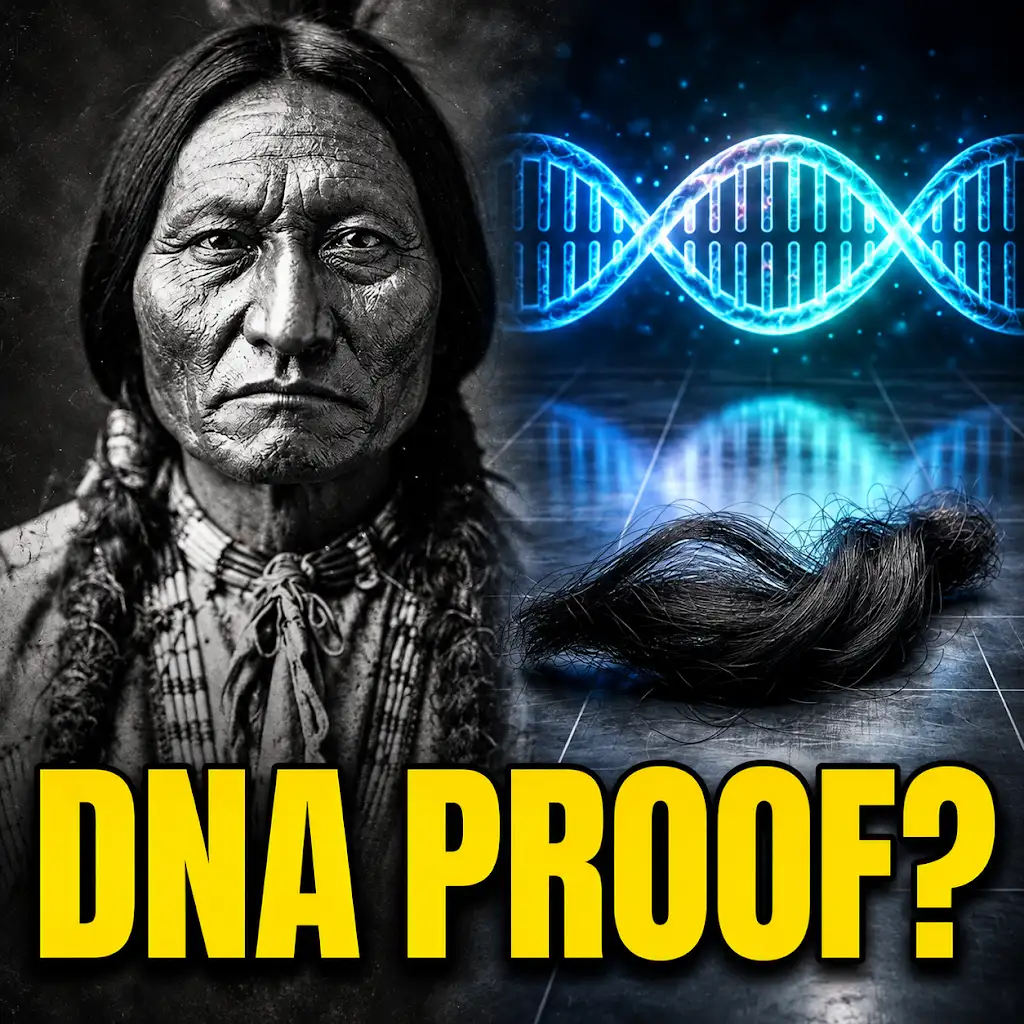
The Sitting Bull DNA Test: What Did It Actually Prove?
FAQs
1. Can DNA testing accurately determine my ancestry?
Yes, DNA testing can provide valuable information about your ancestry by analyzing your genetic markers and comparing them to reference populations from around the world.
2. How reliable is DNA testing for tracing ancestry?
DNA testing for ancestry is generally considered to be reliable, especially when using reputable testing companies with large databases and advanced algorithms for analysis. However, results may vary depending on the quality of the reference populations and the specific regions tested.
3. What types of DNA tests are commonly used for ancestry purposes?
The most common types of DNA tests used for ancestry purposes are autosomal DNA tests, which analyze a mix of DNA from both parents, and Y-DNA and mtDNA tests, which trace paternal and maternal lineages, respectively.
4. Can DNA testing reveal specific ethnicities or tribes in my ancestry?
DNA testing can provide estimates of your ethnic origins based on genetic similarities to specific populations, but it may not always pinpoint exact ethnicities or tribes due to the complex nature of genetic inheritance and historical migrations.
5. How can I use DNA test results to learn more about my ancestry?
Once you receive your DNA test results, you can explore genetic matches, ancestral migration patterns, and ethnicity estimates to gain insights into your family history and potentially connect with distant relatives who share common ancestors.