The whispers of the past, locked away in the very fabric of our ancestors’ beings, are slowly being coaxed into the light. For centuries, historians and archaeologists have relied on material remnants – pottery shards, stone tools, faded manuscripts – to piece together the narratives of bygone eras. Yet, a more intimate and potent source of historical information lies within the very strands of hair left behind by those who walked the earth millennia ago. Unlocking the secrets held within ancient hair samples is a frontier of scientific endeavor, a meticulous process of extraction and analysis that is revolutionizing our understanding of human history, migration patterns, and even the health of ancient populations. Researchers, armed with cutting-edge technology and a deep understanding of molecular biology, are delving into these seemingly simple organic structures to uncover genetic blueprints that can rewrite textbooks and connect us to our most distant relatives.
The Enduring Legacy of Ancient Hair
Ancient hair, often found preserved in dry caves, frozen environments, or sealed tombs, represents a remarkable time capsule. The keratin proteins that form hair are incredibly resilient, capable of protecting the delicate DNA within from degradation for thousands of years. Unlike soft tissues, which decompose rapidly, hair shafts can persist through geological timescales, offering a direct link to individuals who lived long before written records. This durability makes hair an invaluable resource for paleogeneticists, allowing them to circumvent the challenges associated with retrieving viable DNA from less robust materials. The success of ancient DNA extraction from hair is not a new phenomenon, but recent advancements in laboratory techniques and sequencing technologies have amplified its potential, transforming it from a niche area of research into a cornerstone of historical genetic inquiry. The sheer volume of ancient hair samples discovered across diverse geographical locations, from the windswept steppes of Siberia to the arid deserts of Egypt, underscores its widespread presence and the vast reservoir of genetic information it holds.
Circumstances Favoring Preservation
The survival of ancient DNA within hair is highly dependent on environmental conditions. Extreme cold, as found in permafrost regions, effectively halts decomposition by inhibiting microbial activity and enzymatic degradation. Similarly, extreme dryness, characteristic of desert climates, desiccates the hair and limits the access of water, a crucial element for DNA breakdown. Ancient bog bodies, preserved in acidic, anaerobic conditions, also offer excellent samples. The absence of oxygen and the acidic pH create an environment that slows down the decay of organic matter, including DNA. Conversely, hair found in humid or temperate climates, exposed to moisture and a rich microbial ecosystem, is far less likely to yield usable genetic material. The careful excavation and handling of these precious samples by archaeologists are therefore critical first steps in ensuring the integrity of the DNA within. Even minor contamination from modern DNA can compromise results, emphasizing the need for stringent protocols from the moment of discovery.
Types of Hair and Their Genetic Potential
While any hair sample can theoretically contain DNA, certain types are more amenable to extraction and analysis. Scalp hair, with its follicle, is particularly rich in nuclear DNA. The hair follicle is a living tissue where DNA replication occurs, meaning it contains the complete genetic blueprint of the individual. This is in contrast to the hair shaft itself, which primarily contains mitochondrial DNA (mtDNA). mtDNA is inherited solely from the mother and exists in many copies per cell, making it easier to detect and sequence even when degraded. However, nuclear DNA provides a much richer dataset, including information about autosomal chromosomes and sex chromosomes, allowing for the determination of sex, kinship, and a broader range of genetic traits. The length and condition of the hair can also influence the success of extraction. Longer, intact hair shafts are generally preferred, as they are less likely to have been fragmented or heavily contaminated. However, even small fragments can sometimes yield valuable genetic information, thanks to the sensitivity of modern DNA amplification techniques.
Researchers have developed innovative techniques to test ancient hair samples for DNA, allowing them to unlock secrets about our ancestors and their environments. This process often involves careful extraction methods to preserve the fragile genetic material, which can provide insights into migration patterns, health, and even the diets of ancient populations. For a broader perspective on how advanced technologies are shaping our understanding of history and conflict, you can read more in this related article on the future of space warfare: The Future of Space Warfare: Conflict Beyond Earth.
The Delicate Dance of DNA Extraction

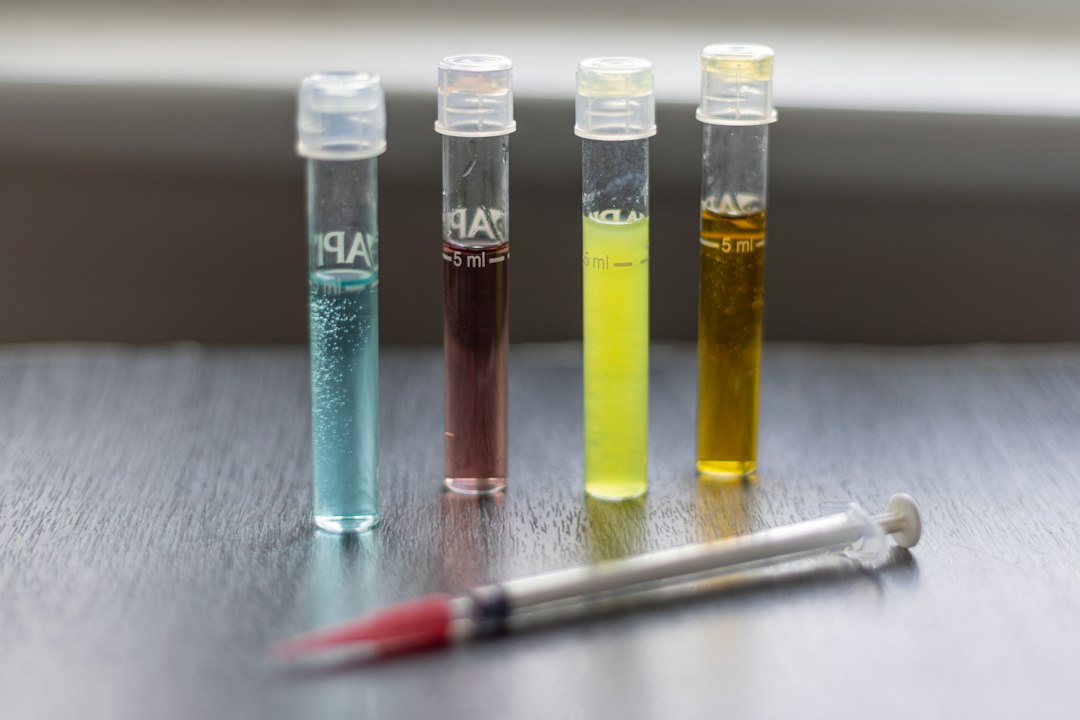
Extracting DNA from ancient hair is a meticulous and often painstaking process, requiring a sterile environment and specialized reagents to avoid contamination with modern DNA. The goal is to isolate the DNA from the surrounding protein matrix of the hair shaft and follicle without causing further degradation. This involves breaking down the structural components of the hair and then purifying the released DNA. Each step is carefully controlled to maximize yield and preserve the integrity of the precious genetic material. The sensitivity of ancient DNA means that even minute amounts of contamination can lead to misleading results, making the laboratory setting as crucial as the excavation site.
Preparing the Ancient Strands
The initial stage of DNA extraction involves preparing the hair sample. This typically begins with cleaning the outer surface of the hair to remove any environmental contaminants, such as soil, dust, or microbial biofilms. Gentle brushing or washing with sterile solutions is often employed. For samples containing follicles, the follicle is the primary target for DNA extraction due to its higher concentration of nuclear DNA. If follicles are absent or damaged, researchers may resort to processing the hair shaft itself, focusing on areas where DNA might be better preserved, such as the root end or segments from within the shaft. The hair is then often ground into a fine powder using sterile mortars and pestles or specialized milling equipment. This pulverization increases the surface area, allowing for more efficient access to the DNA by the extraction reagents. The entire preparation process is conducted under strict sterile conditions, often within dedicated ancient DNA laboratories that are physically isolated from areas where modern DNA is handled.
Releasing the Genetic Code
Once the hair is prepared, the next critical step is to release the DNA from the keratin and other proteins that form the hair structure. This is typically achieved through a combination of chemical and enzymatic treatments. Proteinase K, a potent protease, is commonly used to digest proteins that bind to and protect the DNA. This enzyme works best under specific buffer conditions and temperatures, which are carefully controlled by researchers. Lysis buffers, which contain detergents and salts, are also employed to break open cell membranes (if any are present, particularly in the follicle) and solubilize cellular components, further aiding in the release of DNA. For very old or degraded samples, harsher chemical treatments might be necessary, but these carry a higher risk of damaging the DNA. The duration and intensity of these treatments are optimized to achieve maximum DNA yield while minimizing degradation. This stage is a delicate balance between breaking down the protective barriers and preserving the fragile DNA strands.
Purifying the Precious Blueprint
Following the lysis and digestion steps, the liberated DNA must be separated from the dissolved proteins, salts, and other cellular debris. Various purification methods are employed, with silica-based purification being a common and effective technique. In this method, DNA selectively binds to silica surfaces in the presence of high salt concentrations. The solution containing the lysed hair and released DNA is passed over a silica membrane or beads. Contaminants are washed away, and then the DNA is eluted from the silica using a low-salt buffer or water. Alternatively, magnetic beads coated with silica can be used, allowing for easy separation of the DNA-bound beads from the solution using a magnet. Another common method is phenol-chloroform extraction, although it is less frequently used in modern ancient DNA labs due to concerns about toxicity and potential for incomplete removal of contaminants. The goal of purification is to obtain a clean DNA extract, free from inhibitors that could interfere with downstream analyses like PCR amplification and sequencing.
Unveiling Ancestral Narratives Through Sequencing

With purified ancient DNA in hand, the real magic begins: sequencing. This process allows researchers to read the order of the nucleotide bases (A, T, C, and G) that make up the DNA molecule, revealing the genetic information of the ancient individual. Modern sequencing technologies are incredibly powerful, capable of generating vast amounts of data from even tiny amounts of degraded DNA, a common challenge with ancient samples. By comparing this ancient genetic code to modern human genomes and those of other ancient individuals, researchers can begin to piece together intricate tapestries of human history.
Amplifying the Faint Signals: PCR and Beyond
Ancient DNA is often present in very low quantities and can be fragmented. To make it detectable by sequencing technologies, scientists employ Polymerase Chain Reaction (PCR). PCR is a technique that exponentially amplifies specific DNA sequences. Primers, short synthetic DNA molecules, are designed to bind to the flanking regions of the DNA fragment of interest. In the presence of DNA polymerase (an enzyme that synthesizes new DNA), nucleotides, and the ancient DNA template, the target sequence is copied repeatedly. For ancient DNA, specialized PCR protocols are used, often employing ultra-low DNA binding plastics and reagents to minimize contamination from the lab environment. Due to the fragmented nature of ancient DNA, researchers often perform PCR on overlapping fragments to reconstruct longer sequences. More recently, techniques like target enrichment have become crucial. This involves using probes to selectively capture and amplify specific regions of the genome, such as the entire exome (the protein-coding regions of genes) or specific mitochondrial DNA segments, allowing for more efficient and targeted analysis, especially when the overall DNA yield is very low.
Reading the Genetic Alphabet: Next-Generation Sequencing
Next-generation sequencing (NGS) technologies have revolutionized paleogenetics. Unlike older Sanger sequencing methods, which could only read small fragments of DNA at a time, NGS platforms can sequence millions or even billions of DNA fragments simultaneously. This massively parallel approach allows for the rapid and cost-effective sequencing of entire ancient genomes. Libraries of DNA fragments are prepared from the ancient extract, where adapters are ligated to the ends of each fragment. These libraries are then loaded onto a sequencing flow cell, and the sequencing process unfolds, typically involving fluorescently labeled nucleotides that emit light as they are incorporated into growing DNA strands. The emitted light is captured by a camera, and the sequence of bases is determined based on the color emitted at each position. For ancient DNA, NGS allows for the reconstruction of long stretches of DNA, even if the original molecules were broken into many small pieces. This is essential for identifying genetic variations and comparing them to other populations.
Assembling the Puzzle: Bioinformatics and Analysis
Once the raw sequencing data is generated, a complex process of bioinformatics analysis begins. This involves using specialized computer algorithms and software to align the sequenced fragments to a reference human genome, assemble them into longer contigs, and identify genetic variations. For ancient DNA, this analysis is particularly challenging due to the degraded and fragmented nature of the data, as well as the potential for ancient DNA to be mixed with contamination from modern sources. Researchers must carefully filter out sequences that are likely to be modern contaminants, often based on the presence of specific types of damage (e.g., deamination) that are characteristic of ancient DNA. By comparing the identified genetic variants in the ancient sample to those found in modern populations and other ancient individuals, researchers can infer ancestral relationships, migration routes, and population histories. This computational analysis is as critical as the laboratory work in unlocking the secrets held within the ancient DNA.
Illuminating the Past Through Genetic Insights
The genetic information extracted from ancient hair samples is not merely an academic curiosity; it provides a powerful lens through which to view the lives and movements of our ancestors. By analyzing specific genes, researchers can gain insights into physical characteristics, dietary adaptations, and even predispositions to certain diseases. Furthermore, the comparison of genetic profiles across different individuals and time periods allows for the reconstruction of ancient population dynamics and migratory patterns, offering a deeper understanding of human dispersal across the globe.
Tracing Migratory Pathways and Population Structure
One of the most profound contributions of ancient DNA analysis from hair is its ability to illuminate ancient migration patterns. By comparing the genetic profiles of individuals from different geographical locations and time periods, researchers can identify genetic affinities and divergences. For instance, studies of ancient hair from Siberia have revealed the complex movements of early human populations across Eurasia, providing evidence for both eastward and westward migrations. Similarly, analyses of ancient Egyptian hair have shed light on the genetic relationships between ancient Egyptians and neighboring populations in Africa and the Near East, challenging long-held assumptions about population continuity and admixture. By identifying specific genetic markers associated with different ancestral groups, researchers can construct detailed models of how populations moved, intermixed, and evolved over millennia, painting a dynamic picture of human history that is impossible to glean from archaeological evidence alone.
Understanding Ancient Health and Disease
Ancient hair DNA can also offer invaluable insights into the health of past populations. By sequencing genes associated with specific diseases, researchers can determine if certain genetic predispositions were present in ancient individuals. For example, studies have investigated the presence of genes linked to lactose intolerance, allowing scientists to understand when and where this trait became common, and how dietary changes influenced its prevalence. Furthermore, by detecting the DNA of ancient pathogens within hair samples, or by analyzing the host’s immune response genes, researchers can gain a clearer picture of the diseases that afflicted ancient populations and how they impacted human health and survival. This can include identifying the presence of ancient strains of viruses or bacteria, providing a direct link to historical epidemics and their potential consequences. The insights gained can inform our understanding of disease evolution and inform modern public health strategies.
Revealing Social Structures and Kinship Ties
Beyond broad population movements and health, ancient hair DNA can also offer a more intimate glimpse into the social fabric of past societies. By analyzing autosomal DNA, which is inherited from both parents, researchers can establish kinship relationships between individuals. This has allowed for the identification of families, siblings, and even more distant relatives within ancient burial sites. For example, studies of ancient Iceman remains have revealed detailed kinship networks, providing a rare window into the social organization of Bronze Age communities. Such analyses can challenge traditional interpretations of social hierarchies and family structures derived solely from archaeological findings, offering a more nuanced and scientifically grounded understanding of human social lives in the past.
Researchers have made significant strides in testing ancient hair samples for DNA, allowing them to uncover valuable insights into our ancestors’ lives and migrations. This innovative approach not only enhances our understanding of human history but also raises intriguing questions about the preservation of genetic material over millennia. For a deeper exploration of how historical events have shaped our understanding of the past, you can read more in this fascinating article about a pivotal moment in history at this link.
The Future of Ancient Hair Genomics
| Method | Description | Sample Preparation | DNA Extraction Technique | Challenges | Success Rate |
|---|---|---|---|---|---|
| Surface Decontamination | Cleaning hair surface to remove modern contaminants | Washing with bleach, ethanol, or UV irradiation | Not applicable | Reduces contamination risk | Improves downstream DNA quality |
| Hair Root Sampling | Targeting hair roots which contain more nuclear DNA | Isolating hair follicles or bulbs | Proteinase K digestion followed by DNA purification | Roots often degraded or missing in ancient samples | Variable, higher if root present |
| Hair Shaft Sampling | Using hair shafts which contain mitochondrial DNA | Grinding or pulverizing hair shafts | Silica-based DNA extraction or phenol-chloroform | Low nuclear DNA, contamination risk | Moderate for mitochondrial DNA |
| Next-Generation Sequencing (NGS) | High-throughput sequencing of extracted DNA | Library preparation from extracted DNA | Shotgun sequencing or targeted enrichment | DNA fragmentation and damage | High sensitivity, can recover low quantity DNA |
| PCR Amplification | Amplifying specific DNA regions for analysis | Using primers targeting mitochondrial or nuclear DNA | Polymerase Chain Reaction (PCR) | Inhibition by contaminants, DNA degradation | Variable, often low in ancient samples |
| Authentication Tests | Verifying ancient origin of DNA | Checking damage patterns and contamination | Bioinformatic analysis of sequence data | Distinguishing ancient DNA from modern contamination | Essential for reliable results |
The field of ancient hair genomics is constantly evolving, with new technologies and analytical approaches emerging at an impressive pace. As extraction techniques become more refined and sequencing costs continue to decrease, the potential for unlocking even more detailed genetic information from ancient hair samples is immense. This promises to further revolutionize our understanding of human history, bringing us closer than ever to our distant ancestors. The ethical considerations surrounding the handling and interpretation of ancient DNA are also becoming increasingly important, ensuring that this powerful technology is used responsibly and respectfully.
Technological Frontiers in DNA Recovery
Future advancements in DNA extraction are likely to focus on increasing efficiency and minimizing DNA damage. Researchers are exploring novel chemical treatments and enzymatic cocktails that can more effectively release DNA from recalcitrant hair samples with less degradation. The development of microfluidic devices for DNA extraction is also a promising area, allowing for automated and highly controlled processes that can reduce the risk of contamination and improve DNA yield from very small samples. Furthermore, advances in single-cell genomics are being adapted for ancient DNA, enabling the extraction and sequencing of DNA from individual cells within a hair follicle, providing even more granular genetic information. The ability to extract viable DNA from increasingly degraded and limited samples will undoubtedly open up new avenues for research.
Expanding the Reach of Ancient DNA Analysis
The geographic and temporal reach of ancient DNA studies is also expanding dramatically. As more ancient hair samples are discovered and analyzed from under-represented regions and time periods, a more complete and nuanced picture of human history will emerge. This includes a greater focus on understanding the genetic contributions of diverse populations to the human story. Furthermore, the integration of ancient DNA data with other scientific disciplines, such as paleoclimatology, archaeology, and linguistic studies, will lead to more comprehensive and interdisciplinary interpretations of past human behavior and evolution. The ability to correlate genetic shifts with environmental changes or cultural developments promises to yield profound insights.
Ethical and Societal Implications
As the power of ancient DNA analysis grows, so too do the ethical considerations. The responsible stewardship of ancient genetic information, particularly concerning indigenous populations and their ancestral remains, is paramount. Ensuring that research is conducted with respect for cultural heritage and with appropriate community engagement is essential. Furthermore, the potential for ancient DNA to reveal sensitive information about ancestry, disease predispositions, and even potentially controversial historical narratives requires careful consideration of how this knowledge is disseminated and interpreted. Open dialogue and collaboration between scientists, ethicists, and affected communities will be crucial in navigating the complex ethical landscape of ancient genomics, ensuring that these scientific endeavors benefit humanity while upholding fundamental principles of respect and integrity.
The Viking “Bison” Myth That Was Just Debunked
FAQs
1. How do researchers extract DNA from ancient hair samples?
Researchers extract DNA from ancient hair samples by first cleaning the sample to remove any contaminants. Then, they use a method called polymerase chain reaction (PCR) to amplify the DNA, making it possible to analyze and sequence the genetic material.
2. What challenges do researchers face when working with ancient hair samples?
Researchers face several challenges when working with ancient hair samples, including contamination from modern DNA, degradation of the genetic material over time, and the presence of inhibitors that can interfere with DNA extraction and analysis.
3. How do researchers ensure the accuracy of DNA results from ancient hair samples?
Researchers ensure the accuracy of DNA results from ancient hair samples by following strict protocols to prevent contamination, using multiple extraction and amplification methods to confirm results, and comparing their findings with other samples to validate the data.
4. What information can researchers learn from analyzing DNA in ancient hair samples?
By analyzing DNA in ancient hair samples, researchers can learn about the genetic ancestry, migration patterns, and population dynamics of ancient populations. They can also study genetic traits, diseases, and adaptations that were present in the past.
5. Are there any ethical considerations when studying DNA from ancient hair samples?
Yes, there are ethical considerations when studying DNA from ancient hair samples, including obtaining proper consent from indigenous communities, respecting cultural beliefs regarding the handling of human remains, and ensuring that research is conducted in a respectful and responsible manner.