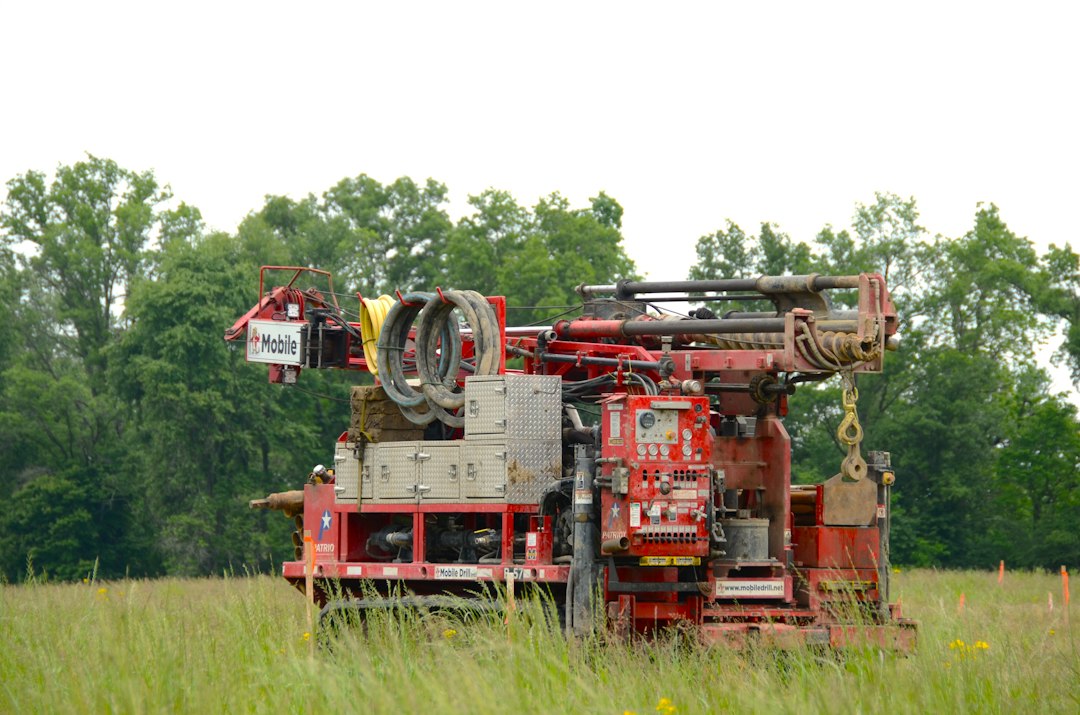
Deep borehole drilling is a sophisticated and vital engineering process that allows humanity to access resources and knowledge hidden far beneath the Earth’s surface. It’s a journey into the planet’s interior, pushing the boundaries of what is technologically achievable to unlock secrets and opportunities that would otherwise remain inaccessible. This article will delve into the intricacies of deep borehole drilling, explaining its purpose, the methods employed, the challenges faced, and the profound implications of this remarkable undertaking.
The Earth’s crust and mantle hold a wealth of resources crucial for modern civilization, from vast reserves of fossil fuels and geothermal energy to critical minerals and even the potential for underground storage of waste. Beyond resource extraction, deep boreholes are instrumental in scientific research, providing unprecedented insights into geological processes, seismic activity, and the planet’s thermal history. Understanding the composition and behavior of the Earth at these depths is fundamental to mitigating natural disasters, developing sustainable energy solutions, and advancing our comprehension of planetary science.
Resource Exploration and Extraction
At the forefront of deep borehole drilling’s purpose is the quest for energy resources. The world’s demand for oil and natural gas continues to be met, in significant part, by accessing reserves found in deep geological formations, often miles beneath the seabed or continental crust. These reservoirs, formed over millions of years, represent a substantial portion of accessible hydrocarbon energy. Similarly, the exploration for critical minerals, essential for technologies ranging from electronics to renewable energy infrastructure, often necessitates drilling into deep ore bodies that are uneconomical to access through shallower methods.
Fossil Fuel Reserves
The most well-known application of deep drilling is in the exploration and extraction of oil and natural gas. As shallower fields become depleted, companies are compelled to drill deeper to find new reserves. This often involves operating in challenging offshore environments, where depths can exceed thousands of feet, requiring specialized drilling rigs and advanced techniques to maintain stability and control. The pursuit of unconventional resources, such as shale gas and oil, also relies heavily on deep directional drilling and hydraulic fracturing technologies.
Mineral and Geothermal Potential
Beyond hydrocarbons, deep boreholes are increasingly used to assess and tap into geothermal energy sources. The Earth’s internal heat provides a potentially inexhaustible and clean energy supply. By drilling into hot rock formations or reservoirs of superheated water, geothermal power plants can generate electricity. Furthermore, deposits of rare earth elements and other critical minerals, vital for technological advancement, are often found in deeper geological strata. Deep drilling allows for the targeted exploration and potential extraction of these valuable resources, reducing reliance on current, often geographically concentrated, sources.
Scientific Investigation and Monitoring
The scientific community also leverages deep boreholes for invaluable research. These penetrations into the Earth’s crust serve as windows into the planet’s past and present. Scientists can collect rock and fluid samples, install sensors to monitor seismic activity, temperature, and pressure, and conduct experiments that are impossible to replicate on the surface. This data is crucial for understanding plate tectonics, the Earth’s magnetic field, the evolution of life, and the potential for seismic events.
Geological and Geophysical Studies
Deep boreholes act as vital probes for geologists and geophysicists. They allow for the direct examination of rock formations, providing empirical data on the composition, age, and structural integrity of the Earth’s crust. Geophysical logging, a suite of measurements taken down the borehole, provides continuous data on rock properties, porosity, permeability, and fluid content. This information is essential for constructing accurate geological models and understanding the processes that shape our planet.
Seismological and Thermal Monitoring
The installation of seismometers in deep boreholes provides a clearer and more accurate picture of seismic wave propagation, improving our ability to monitor and understand earthquakes. These instruments are less susceptible to surface noise, leading to higher-quality data. Similarly, temperature probes installed at various depths offer crucial data for understanding the Earth’s geothermal gradient and heat flow, vital for both scientific understanding and geothermal energy potential assessment.
Deep borehole drilling technology has emerged as a groundbreaking method for exploring the Earth’s subsurface, providing invaluable insights into geological formations and potential resources. This innovative technique not only aids in resource extraction but also plays a crucial role in understanding climate change and its historical impacts. For a fascinating exploration of how ancient civilizations can be studied through paleoclimate data, you can read more in this related article: Uncovering Ancient Civilizations Through Paleoclimate Data.
The Rigorous Process of Deep Borehole Drilling
Deep borehole drilling is a multi-stage, highly complex operation requiring specialized equipment, meticulous planning, and skilled personnel. The process begins long before the drill bit touches the ground and continues until the well is completed and, if necessary, decommissioned. Each stage is critical for ensuring safety, efficiency, and the successful achievement of the borehole’s objectives.
Site Selection and Preparation
The initial phase involves extensive geological surveys and seismic imaging to identify potential drilling locations that are geologically stable and likely to contain the desired resources or provide valuable scientific data. Once a site is selected, considerable preparation is undertaken. This includes clearing land, constructing access roads, and preparing a stable foundation for the drilling rig, which can be immense structures weighing thousands of tons. For offshore operations, this involves positioning and anchoring sophisticated drilling platforms.
Geological and Geophysical Surveys
Before any drilling begins, comprehensive studies are conducted to understand the subsurface geology. This includes using seismic reflection and refraction techniques to create detailed maps of rock layers and potential hydrocarbon reservoirs or geothermal hot spots. Magnetic and gravity surveys can also provide clues about the underlying geological structures. This meticulous reconnaissance is paramount to minimizing risks and maximizing the chances of success.
Infrastructure Development
The chosen site must be equipped with the necessary infrastructure to support drilling operations. This involves building robust foundations for the rig, establishing temporary accommodation for personnel, and ensuring access to power, water, and communication lines. For remote onshore locations, this can involve significant logistical challenges. Offshore, the construction of robust platforms capable of withstanding harsh marine environments is a monumental undertaking.
The Drilling Operation
The core of deep borehole drilling involves the use of powerful drilling rigs and specialized drill bits to bore through various rock formations. The process is iterative, with casing being inserted and cemented into place to support the borehole walls and prevent contamination. The choice of drilling fluid is also critical, serving multiple functions.
Drilling Rig and Equipment
The machinery used for deep drilling is technologically advanced and robust. Drilling rigs, whether onshore or offshore, house the derrick (a towering structure supporting the drill string), the drawworks (for hoisting and lowering the drill string), the rotary table or top drive (for rotating the drill string), and the mud pumps (for circulating drilling fluid). The drill string itself is a series of connected pipes, to which the drill bit is attached.
Drill Bits and Rock Penetration
The drill bit is the cutting tool that excavates the rock. Various types of drill bits are employed, depending on the rock formation being penetrated. Roller cone bits, with their conical cutters, are common for harder formations, while diamond-impregnated bits are used for extremely hard or abrasive rocks. The rotation of the drill string, combined with the weight applied to the bit, allows it to grind and break down the rock.
Drilling Fluids (Mud)
Drilling fluid, often referred to as “mud,” plays a crucial role in deep drilling. It cools and lubricates the drill bit, flushes rock cuttings to the surface, and helps to control subsurface pressures, preventing blowouts. The composition of drilling fluid is carefully engineered, often containing clay, barite, and various polymers, to achieve specific properties like viscosity, density, and filtration control.
Casing and Cementation
As the borehole is drilled deeper, sections of steel pipe called casing are lowered into the hole. This casing is then cemented in place, creating a strong, impermeable barrier that supports the wellbore, prevents the collapse of surrounding rock, and isolates different geological zones. This is a critical safety measure.
Running and Cementing Casing
Once a section of borehole is drilled to the desired depth, casing is lowered into it. The casing is then secured with cement grout, which is pumped down the inside of the casing and then forced up the annular space between the casing and the borehole wall. This solidifies and seals the wellbore, preventing the ingress of unwanted fluids and the egress of formation fluids. Multiple strings of casing are typically run as the borehole gets deeper, each progressively narrower.
Wellbore Integrity and Zonal Isolation
The primary purpose of casing and cementation is to ensure wellbore integrity and achieve zonal isolation. This means preventing communication between different rock layers, particularly those containing valuable resources or potentially hazardous fluids. A properly cemented casing string prevents the migration of hydrocarbons, saltwater, or toxic gases into other formations or the surface.
Navigating the Challenges of Extreme Depths
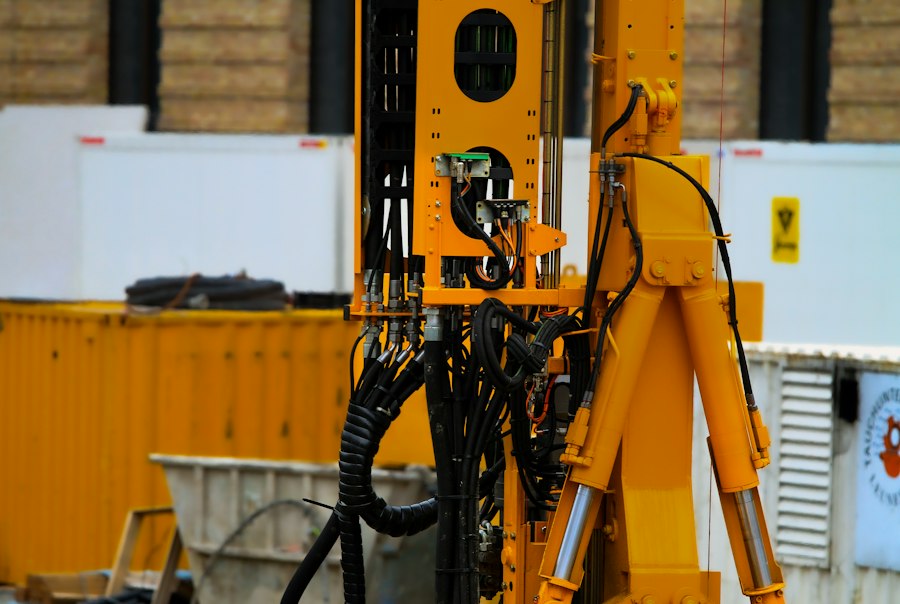
The deeper the borehole, the more formidable the challenges become. Extreme pressures, temperatures, and the presence of abrasive materials test the limits of materials science and engineering. Overcoming these obstacles requires innovative solutions and a deep understanding of geological conditions.
High Pressure and Temperature Environments
As boreholes penetrate deeper into the Earth, they encounter significantly higher pressures and temperatures. These conditions can deform drilling equipment, degrade drilling fluids, and pose substantial safety risks. Specialized materials and robust engineering designs are required to withstand these harsh environments.
Geothermal Gradients and Formation Pressures
The Earth’s internal temperature increases with depth, a phenomenon known as the geothermal gradient. In some regions, this gradient is much steeper, leading to extremely high temperatures at even moderate depths. Similarly, the weight of overlying rock and fluids creates immense hydrostatic pressure. Managing these pressures and temperatures is paramount for safe and efficient drilling.
Material Science and Equipment Resilience
Standard materials can fail under the extreme conditions found in deep boreholes. Drilling equipment, including drill bits, drill pipes, and casing, must be constructed from high-strength alloys capable of withstanding high temperatures and pressures without deforming or fracturing. Research and development in material science are continuously pushing the boundaries of what is possible.
Geological Hazards and Formation Instability
Deep geological formations can present a variety of hazards, including unstable rock layers, the presence of corrosive fluids, and unexpected influxes of gas or water. Anticipating and mitigating these risks is a constant challenge for drilling engineers.
Unstable Formations and Wellbore Collapse
Some rock formations are inherently unstable and prone to collapse when excavated. This can lead to the borehole becoming blocked, damaging equipment, and posing significant safety risks. Techniques like precise drilling fluid management and the rapid installation of casing are employed to counteract this.
Corrosive Environments and Fluid Influx
The presence of hydrogen sulfide (H2S), carbon dioxide (CO2), and highly saline brines can corrode drilling equipment. Additionally, unexpected encounters with high-pressure gas or water reservoirs can lead to uncontrolled influxes, known as blowouts, which are extremely dangerous. Advanced drilling fluid formulations and well control equipment are essential for managing these risks.
The Technological Arms Race: Advancements in Drilling
The pursuit of deeper and more challenging resources has driven continuous innovation in drilling technology. From advanced drill bit designs to sophisticated directional drilling capabilities and real-time data analysis, technology is key to unlocking the Earth’s hidden potential.
Directional and Horizontal Drilling
Modern deep drilling often involves directional drilling, where the borehole deviates from a vertical path. This allows operators to access resources that are not directly beneath the surface, such as offshore oil fields or mineral deposits located at an angle. Horizontal drilling, a form of directional drilling, can maximize contact with a reservoir, significantly increasing extraction efficiency.
Measurement While Drilling (MWD) and Logging While Drilling (LWD)
These technologies allow for the collection of real-time data about the borehole and the surrounding geological formations as drilling progresses. MWD tools measure parameters like hole inclination, azimuth, and toolface orientation, which are crucial for directional drilling. LWD tools provide downhole geological information, such as rock porosity, permeability, and fluid content, allowing for immediate decision-making.
Post-Drilling Operations: Completion and Abandonment
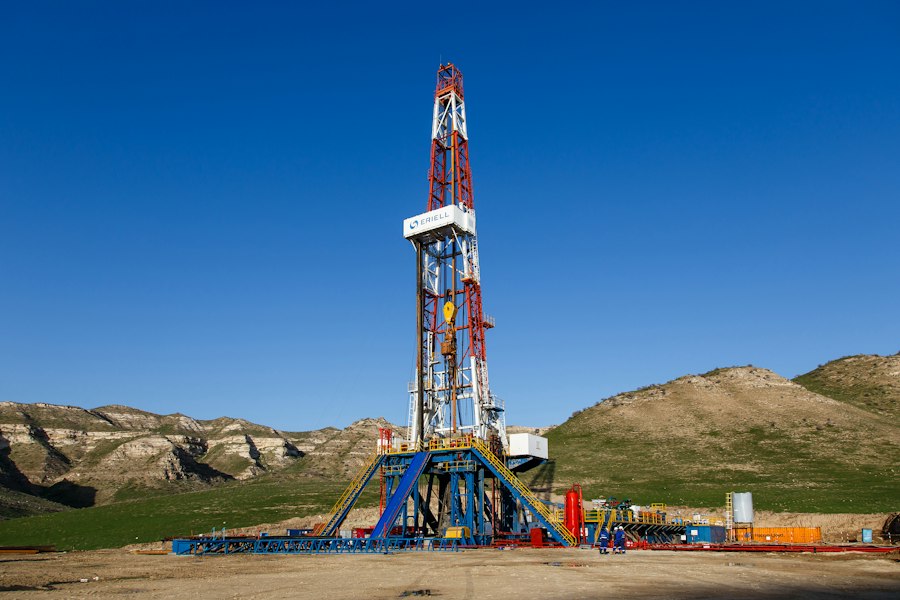
Once the target depth is reached and the borehole is deemed stable, the focus shifts to completing the well for its intended purpose or safely decommissioning it if it is no longer viable or has served its scientific objective.
Well Completion for Production
For resource extraction, the well must be completed to allow for the safe and efficient flow of oil, gas, or geothermal fluid. This involves perforating the casing at the desired production zones and installing production tubing and other necessary equipment.
Perforation and Production Tubing
After the casing and cement are in place, small holes, or perforations, are made through the casing and cement in the zones that contain the target resource. This is typically done using specialized perforating guns. Production tubing is then run inside the casing to channel the resource to the surface.
Artificial Lift and Wellhead Equipment
In many cases, the natural pressure within a reservoir is not sufficient to bring the resource to the surface. Artificial lift systems, such as pumps or gas lift, are then employed. The wellhead, located at the surface, includes valves and safety devices to control the flow of the resource and prevent leaks.
Scientific Borehole Completion
For scientific boreholes, completion involves installing a range of sensors and equipment to facilitate ongoing data collection and research. This can include seismometers, thermometers, pressure gauges, and devices for sampling fluids or gases.
Instrument Deployment and Data Acquisition
Scientific boreholes are equipped with sophisticated instruments to continuously monitor geological conditions. These instruments are carefully lowered into the borehole and secured, often at specific depths. Data acquisition systems are then set up to record and transmit the information collected by these sensors to surface facilities.
Well Abandonment and Decommissioning
When a well is no longer productive or has reached the end of its operational life, it must be safely abandoned. This process involves plugging the borehole with cement to prevent any fluid migration between geological layers and to ensure the long-term integrity of the subsurface.
Plugging and Sealing Boreholes
The abandonment process involves strategically placing cement plugs at various depths within the borehole. This effectively seals off the well, preventing any potential contamination of groundwater or the release of subsurface fluids to the surface. The integrity of these plugs is crucial for long-term environmental protection.
Environmental Considerations and Remediation
Proper well abandonment is vital for environmental protection. It prevents the migration of potentially harmful substances from deep geological formations to shallower aquifers or the surface. Regulatory bodies often have strict guidelines for well decommissioning to ensure minimal environmental impact.
Deep borehole drilling technology is an innovative approach that allows scientists to explore the Earth’s crust more effectively, providing insights into geological formations and potential resources. For a fascinating perspective on ancient engineering and its complexities, you might find the article on the Antikythera mechanism intriguing. This ancient device showcases the advanced understanding of mechanics and astronomy in its time, much like how modern drilling techniques reveal the hidden layers of our planet. You can read more about it in this related article.
The Far-Reaching Implications of Deep Borehole Drilling
| Metric | Description | Typical Values / Range | Notes |
|---|---|---|---|
| Drilling Depth | Maximum depth achievable by deep borehole drilling | Up to 10,000 meters (10 km) | Depends on geology and drilling technology |
| Borehole Diameter | Diameter of the drilled hole | 15 cm to 30 cm | Smaller diameters reduce cost and drilling time |
| Drilling Rate | Speed of drilling progress | 1 to 10 meters per hour | Varies with rock hardness and drilling method |
| Drilling Fluid Pressure | Pressure of fluid used to stabilize borehole and remove cuttings | 10 to 30 MPa | Must be carefully controlled to avoid borehole collapse |
| Temperature at Bottom | Expected temperature at maximum depth | 50°C to 150°C | Increases with depth due to geothermal gradient |
| Rock Types Encountered | Common geological formations drilled through | Granite, basalt, shale, sandstone | Rock hardness affects drilling difficulty |
| Drill Bit Type | Type of drill bit used for deep borehole drilling | Polycrystalline diamond compact (PDC), roller cone bits | Selected based on rock type and drilling conditions |
| Cost per Meter | Average cost to drill one meter of borehole | Varies widely, typically high for deep drilling | Costs increase with depth and complexity |
The ability to drill deep boreholes has profound and multifaceted implications for society, from ensuring energy security to advancing our understanding of the planet and even addressing global challenges like climate change.
Energy Security and Sustainability
Deep drilling is indispensable for meeting global energy demands, particularly in the ongoing transition to more sustainable energy sources. Accessing deep fossil fuel reserves provides a bridge during this transition, while also enabling the development of deep geothermal energy, a critical component of a clean energy future.
Meeting Global Energy Demands
As the global population grows and economies expand, the demand for energy continues to rise. Deep borehole drilling remains a primary method for discovering and extracting oil and natural gas, which, despite the push for renewables, still form a significant portion of the global energy mix.
Advancing Geothermal Energy
The Earth’s internal heat offers a vast and sustainable energy source. Deep drilling is essential for tapping into high-temperature geothermal reservoirs, paving the way for widespread geothermal power generation and contributing significantly to decarbonization efforts.
Climate Change Mitigation and Research
Deep boreholes play a critical role in researching and potentially mitigating the effects of climate change. They are used for carbon capture and storage (CCS) projects, where CO2 is injected deep underground, and for monitoring the Earth’s climate history through ice core drilling in polar regions.
Carbon Capture and Storage (CCS)
Deep geological formations, such as saline aquifers and depleted oil and gas reservoirs, are being explored as potential sites for storing captured CO2. Deep boreholes are essential for injecting this CO2 and monitoring its long-term containment, a crucial technology for reducing atmospheric greenhouse gas concentrations.
Paleoclimate Research and Ice Core Drilling
While not strictly “deep borehole drilling” in the rock sense, deep ice core drilling in polar ice sheets also unlocks the Earth’s past climate. These ice cores, sometimes miles deep, contain trapped air bubbles that provide invaluable data on atmospheric composition, temperature, and greenhouse gas levels over hundreds of thousands of years, crucial for understanding climate change.
Future Potential and Unforeseen Discoveries
The ongoing advancements in deep drilling technology promise to unlock even greater potential. From exploring the Earth’s mantle to the possibility of accessing novel energy sources or materials, the journey into the deep continues to hold the promise of unforeseen discoveries that could shape the future of humanity and our understanding of the planet.
Exploring the Earth’s Mantle
The ultimate frontier of deep drilling is the Earth’s mantle. While current technology limits us to the upper crust, future innovations may allow for direct access to this vast layer, providing unprecedented insights into planetary formation and composition.
Novel Resources and Technologies
The geological conditions at extreme depths may harbor novel resources and materials yet to be discovered. Continued exploration through deep boreholes could lead to breakthroughs in material science, energy storage, or even the discovery of unique biological extremophiles with potential biotechnological applications.

They Drilled 12 KM Into Earth — Then Everything Changed
FAQs
What is deep borehole drilling technology?
Deep borehole drilling technology is a method used to create deep boreholes in the Earth’s crust for various purposes such as scientific research, geothermal energy extraction, and nuclear waste disposal.
How deep can deep boreholes be drilled?
Deep boreholes can reach depths of several kilometers, with some projects aiming to drill as deep as 10 kilometers or more into the Earth’s crust.
What are the benefits of deep borehole drilling technology?
Deep borehole drilling technology allows for access to deep subsurface environments for scientific research, geothermal energy extraction, and safe disposal of nuclear waste. It also provides valuable insights into the Earth’s geology and potential resources.
What are some challenges associated with deep borehole drilling?
Challenges associated with deep borehole drilling include high costs, technical difficulties in drilling to extreme depths, maintaining borehole stability, and ensuring environmental safety during drilling and operation.
How is deep borehole drilling technology different from traditional drilling methods?
Deep borehole drilling technology involves drilling much deeper into the Earth’s crust compared to traditional drilling methods. It requires specialized equipment and techniques to withstand high temperatures, pressures, and geological conditions encountered at extreme depths.