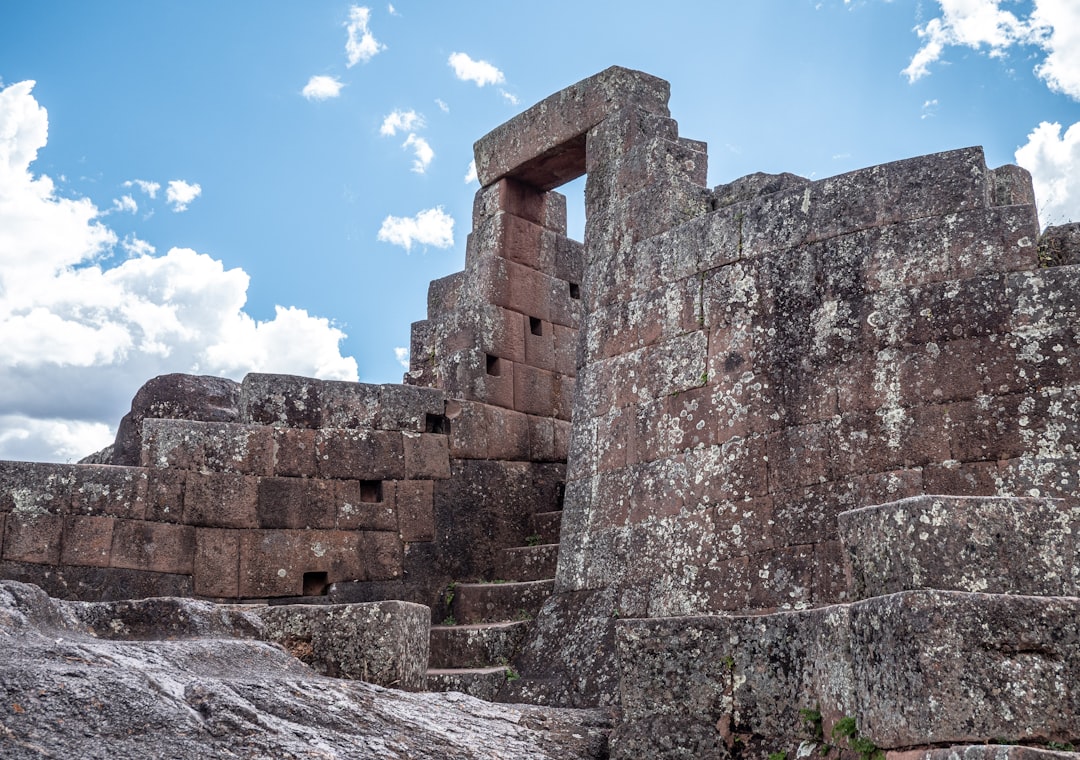
Polygonal masonry, a construction technique characterized by the use of stones shaped into multiple irregular sides rather than simple rectangles, stands as one of history’s most enigmatic and awe-inspiring architectural achievements. Across diverse cultures and millennia, from the cyclopean walls of Mycenaean Greece to the meticulously crafted citadels of the Inca, these monumental structures defy easy explanation. Their sheer scale, precision, and durability have sparked centuries of debate, fueling theories ranging from lost advanced technologies to the intervention of extraterrestrial forces. Yet, closer examination of surviving examples, coupled with archaeological insights, offers a compelling narrative of human ingenuity, sophisticated understanding of materials, and an enduring quest for permanence. This article delves into the profound mysteries surrounding ancient polygonal masonry, exploring its defining characteristics, the theories behind its construction, its cultural significance, and its lasting legacy.
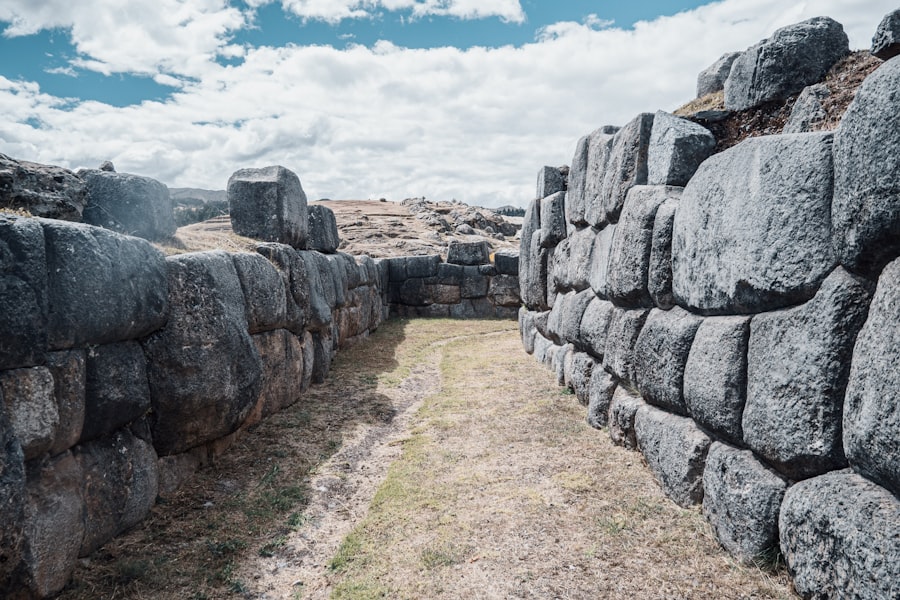
Polygonal masonry is not simply about using oddly shaped stones; it represents a deliberate and sophisticated approach to building. The defining feature is the precise fitting of irregularly shaped stones, often of immense size, with incredibly tight joints. Unlike ashlar masonry, where rectangular blocks are laid in regular courses, polygonal masonry creates a visually dynamic and structurally robust wall where the stones interlock like pieces of a complex puzzle.
Defining Characteristics and Variations
The term “polygonal masonry” itself is a broad classification that encompasses several distinct styles and regional variations. Understanding these nuances is crucial to appreciating the full spectrum of this ancient building art.
True Polygonal vs. Cyclopean Masonry
While often used interchangeably, there is a subtle but important distinction. True polygonal masonry generally refers to walls where the stones are more systematically shaped and fitted. Cyclopean masonry, on the other hand, is characterized by the use of massive, unhewn or roughly shaped boulders with minimal modification, fitted together with immense skill. The term “cyclopean” itself suggests a scale so grand that ancient Greeks attributed its construction to giants. Examples of cyclopean masonry are often found in the earliest defensive walls, such as those at Mycenae and Tiryns in Greece, where the sheer weight and irregular shapes of the stones contribute to their formidable strength. True polygonal masonry, while still utilizing irregularly shaped stones, often exhibits a higher degree of intentional shaping to create tighter, more precise fits.
Interlocking Stone Techniques
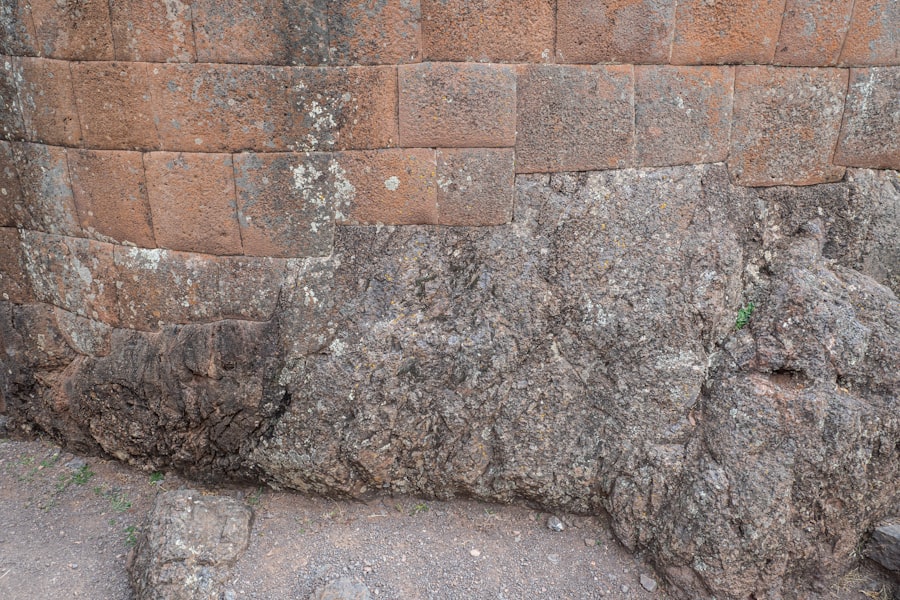
The hallmark of polygonal masonry is the ingenious way in which stones are fitted together. The irregular shapes naturally create a mechanical interlock, distributing stress across the entire wall. This meant that an enemy attempting to dislodge one stone would face enormous resistance from its neighbors. The surfaces of the stones were often dressed or smoothed to achieve a perfect fit, with remarkably thin joints, sometimes barely wide enough to insert a blade. This precision milling, particularly in periods before the widespread use of iron tools, remains a subject of intense speculation.
Scale and Material Selection
The sheer scale of stones employed in many polygonal masonry structures is breathtaking. In sites like Sacsayhuamán in Peru, individual stones can weigh hundreds of tons, some estimated to exceed 100 tons. The selection of appropriate local stone was paramount. Builders would often choose hard, durable materials like granite, basalt, or andesite, which could withstand weathering and the stresses of construction. The ability to quarry, transport, and precisely shape these colossal blocks without modern machinery is arguably the most profound mystery.
Regional Manifestations of Polygonal Masonry
Polygonal masonry is not a singular phenomenon confined to one area. Its presence across geographically dispersed civilizations suggests independent development or the transmission of ideas across vast distances. Examining these regional examples reveals both common threads and unique adaptations.
Mycenaean Greece: The Dawn of Cyclopean Walls
The Citadel of Mycenae, renowned for its Lion Gate and imposing fortifications, is perhaps the most iconic example of early polygonal masonry in the Western world. The massive, rough-hewn stones that form its outer walls, some weighing several tons, are a testament to the strength and determination of the Mycenaeans. These structures, built around the 2nd millennium BCE, were designed for defense, and their formidable construction played a significant role in the city’s reputation as a dominant power. The irregular fitting of these colossal blocks, with smaller stones filling the gaps, was a highly effective defensive strategy against siege warfare.
Ancient polygonal masonry is a fascinating subject that reveals the advanced engineering skills of ancient civilizations. The precise stone-cutting techniques used in these structures have intrigued historians and archaeologists alike. For those interested in exploring more about the wisdom of the past, a related article discusses various ancient secrets and their significance in understanding our history. You can read more about it in this insightful piece here.
Inca Empire: Precision and Perfection in the Andes
The Inca civilization of South America, particularly in their magnificent citadel of Machu Picchu and the fortress of Sacsayhuamán, elevated polygonal masonry to an unparalleled level of artistry and precision. The stones in these Inca structures are not only massive but are also shaped with such exactitude that no mortar is needed at all. The “puzzle-piece” fit is so perfect that not even a credit card can be slipped between them. This remarkable craftsmanship, achieved with what we consider primitive tools, suggests a deep understanding of geometrical principles and material properties. The Inca engineers seemed to possess an innate ability to visualize complex three-dimensional shapes and translate them into stone.
Other Notable Examples: Crete, Italy, and Beyond
Polygonal masonry also features prominently in other ancient cultures. The Minoan civilization on Crete, a predecessor to the Mycenaeans, employed similar techniques in their fortifications at Knossos. In Italy, particularly in the regions of Latium and Etruria, ancient walls exhibit polygonal construction, often referred to as “Opus siliceum” or “Opus polygonalis.” These Italian examples, while impressive, generally do not reach the scale or the same level of precision as their Inca counterparts. The widespread, albeit varied, presence of this building technique underscores its fundamental effectiveness and perhaps a shared human impulse to create enduring structures.
Ancient polygonal masonry is a fascinating architectural technique that showcases the ingenuity of early civilizations in constructing durable structures without the use of mortar. For those interested in exploring the broader implications of ancient engineering and its impact on modern practices, a related article discusses the importance of preserving our land and combating desertification. This article highlights how ancient techniques can inform contemporary approaches to sustainable land management. You can read more about it here: Combatting Desertification: Preserving Our Land.
Theories of Construction: Bridging the Gap Between Ancient and Modern
The methods by which ancient peoples achieved such feats of polygonal masonry have long been a subject of intense debate and speculation. The apparent lack of sophisticated tools, particularly for shaping and moving such enormous stones, has led to a wide array of theories, some more plausible than others.
The Labor and Logistics Challenge
The sheer brute force required to move and position these massive stones is perhaps the most immediate challenge that comes to mind. Without the wheeled vehicles and heavy machinery of today, ancient builders relied on immense human and potentially animal power.
Human Ingenuity and Organization
The construction of polygonal masonry walls undoubtedly demanded extraordinary levels of human organization and coordinated labor. Quarrying stone, likely through techniques like wedging – inserting wooden wedges that were then soaked to expand and split the rock – was just the first step. Transporting these multi-ton blocks over uneven terrain, often for miles, would require elaborate

The Walls That Shouldn’t Still Be Standing
FAQs
What is ancient polygonal masonry?
Ancient polygonal masonry is a construction technique used by ancient civilizations to build walls and structures using irregularly shaped, often large, stones that fit together tightly without the use of mortar.
Where can ancient polygonal masonry be found?
Ancient polygonal masonry can be found in various parts of the world, including Greece, Italy, Peru, and other regions where ancient civilizations thrived.
How was ancient polygonal masonry constructed?
Ancient polygonal masonry was constructed by shaping and fitting irregularly shaped stones together with great precision, often without the use of mortar. The stones were typically cut to fit together tightly, creating a strong and durable structure.
What are some examples of ancient polygonal masonry structures?
Some examples of ancient polygonal masonry structures include the walls of the ancient city of Mycenae in Greece, the walls of the Inca city of Sacsayhuamán in Peru, and various Roman and Etruscan structures in Italy.
What is the significance of ancient polygonal masonry?
Ancient polygonal masonry is significant because it demonstrates the advanced engineering and construction techniques of ancient civilizations. The precision and durability of these structures have led to ongoing fascination and study by archaeologists and historians.