
The quiet hum of a laboratory incubator might seem a world away from the grand narratives of history, yet it is within these sterile environments that some of the most profound revelations about humanity’s past are unfolding. Ancient DNA genealogical research, a field at the intersection of archaeology, genetics, and history, is no longer confined to scientific journals. It has burst into the public consciousness, offering individuals an unprecedented opportunity to connect with their ancestral roots in ways previously unimaginable. This burgeoning discipline is not merely about identifying distant relatives; it is about reconstructing migration patterns, understanding ancient societies, and even rewriting our understanding of human history, one meticulously sequenced genome at a time. The ability to extract and analyze DNA from skeletal remains thousands of years old has opened a Pandora’s Box of genealogical insights, challenging long-held assumptions and providing concrete evidence for ancestral journeys.
The Science of Echoes: Extracting and Analyzing Ancient Genetic Material
The fundamental premise of ancient DNA genealogical research lies in the ability to recover genetic information from biological samples that have endured the ravages of time. This is a technically demanding process, fraught with challenges, but the rewards are immense. The DNA itself, a double helix molecule carrying the blueprint of life, degrades over millennia. Factors such as temperature, humidity, and microbial activity all contribute to its fragmentation and chemical alteration. Therefore, the success of extracting usable DNA hinges on finding well-preserved specimens and employing highly specialized techniques.
The Delicate Art of Sample Collection and Extraction
Archaeological sites often yield the precious biological material necessary for ancient DNA analysis. Skeletal remains, particularly teeth and petrous bones (a dense part of the temporal bone in the skull), are favored for their protective qualities. The mineralization of bone and the tightly packed structure of teeth can offer a sanctuary for DNA. However, contamination is a paramount concern. Modern human DNA, present on surfaces and even in the air, can easily overwhelm the faint ancient signals. Consequently, meticulous excavation protocols are essential, often involving sterile tools and protective gear for researchers.
Once samples are collected, the extraction process begins in a dedicated cleanroom laboratory. This environment is designed to minimize airborne contamination, with researchers often working in filtered hoods. The DNA is then carefully liberated from the bone or tooth material through a series of chemical treatments. These steps aim to dissolve the mineral matrix of the bone and any cellular structures, releasing the DNA into a solution. Proteases and chelating agents are commonly used to break down proteins and bind metal ions, which can degrade DNA. The liberated DNA is then purified and concentrated.
Sequencing the Ghosts: From Fragments to a Genetic Narrative
The DNA recovered from ancient samples is rarely intact. Instead, it exists as millions of tiny fragments, each carrying a small piece of the genetic puzzle. The next crucial step is DNA sequencing, a process that determines the exact order of nucleotides (adenine, guanine, cytosine, and thymine) within these fragments. High-throughput sequencing technologies have revolutionized this field, allowing scientists to generate vast amounts of sequence data efficiently.
For genealogical research, the focus is often on specific regions of the genome. While the entire genome can be sequenced, targeted sequencing of mitochondrial DNA (mtDNA) or Y-chromosome DNA is common, especially when dealing with highly degraded samples. mtDNA is inherited solely from the mother and is present in many copies within each cell, making it more likely to survive over time. Similarly, Y-chromosome DNA is passed from father to son, providing a lineage-specific marker. More recently, whole-genome sequencing of ancient individuals has become increasingly feasible, offering a much richer and more comprehensive understanding of their genetic makeup. This comprehensive approach allows for the identification of autosomal DNA, which is inherited from both parents, providing insights into a broader spectrum of ancestry.
Recent advancements in ancient DNA genealogical research have opened new avenues for understanding our ancestral past, particularly in relation to environmental factors that may have influenced human migration and settlement patterns. A fascinating article that explores the impact of climate on ancient societies can be found at Tree Rings Reveal Bronze Age Drought, which discusses how tree-ring data provides insights into the drought conditions faced by Bronze Age civilizations and their potential effects on population movements. This intersection of genetics and environmental science enriches our comprehension of how ancient peoples adapted to changing climates.
Tracing the Footprints: Ancestry and Population History

Ancient DNA has become an indispensable tool for understanding the grand sweep of human migration and the formation of ancestral populations. By analyzing the genetic signatures of individuals from different time periods and geographical locations, researchers can reconstruct how human populations have moved, mingled, and differentiated over thousands of years. This has profound implications for genealogical research, providing a scientific framework for interpreting the genetic connections individuals discover.
Unraveling Migration Routes and Genetic Admixture
One of the most significant contributions of ancient DNA is its ability to validate and refine our understanding of ancient migration routes. Previously, such narratives were largely based on archaeological evidence and linguistic studies, which could be subject to interpretation. Ancient DNA provides direct genetic evidence. For instance, studies of ancient European hunter-gatherers and early farmers have revealed complex patterns of movement and displacement. The arrival of agriculturalists in Europe from the Near East, for example, is now understood to have been accompanied by significant genetic replacement of the indigenous hunter-gatherer populations.
Furthermore, ancient DNA has shed light on periods of extensive genetic admixture. By comparing the genetic profiles of ancient individuals with those of modern populations, researchers can identify the ancestral components that have contributed to contemporary genetic diversity. This has allowed for the quantification of gene flow between different groups and the identification of specific ancestral populations that have contributed to the ancestry of modern people. For individuals using genealogical DNA testing, this information provides context for their discovered ancestral percentages, linking their personal heritage to these broader historical movements.
Reconstructing the Genetic Tapestry of Civilizations
The genetic legacy of ancient civilizations can now be studied directly. By analyzing the DNA of individuals from major ancient cultures, such as the Roman Empire, the Egyptian civilization, or the Maya, researchers can understand the genetic diversity within these societies and their interactions with neighboring populations. This has revealed, for example, the extensive gene flow that occurred within the vast Roman Empire, linking its diverse regions through shared genetic ancestry. Similarly, studies of ancient Egyptian mummies have provided insights into their genetic relationships with populations from Africa and the Levant.
These findings have a direct impact on genealogical research. For individuals with ancestry from regions associated with these ancient civilizations, the ancient DNA record can provide deeper context for their genetic heritage. It can help to explain the presence of certain ancestral components and to understand the historical forces that shaped the genetic landscape of their ancestral homelands. The ability to link modern individuals to the genetic populations of these influential ancient societies offers a powerful and tangible connection to the past.
The Personal Quest: Genealogy in the Genomic Age

The impact of ancient DNA research extends beyond academic curiosity; it is profoundly personal. For individuals delving into their family history, the advent of genomic genealogy has opened up new avenues of discovery, offering insights that were once the exclusive domain of historians and archaeologists. The integration of ancient DNA findings with modern genealogical DNA testing is creating a richer and more nuanced understanding of personal ancestry.
Recent advancements in ancient DNA genealogical research have shed light on the intricate relationships between ancient civilizations, revealing how they may have interacted and influenced one another. This fascinating field not only uncovers the genetic lineage of historical populations but also provides insights into their cultural exchanges. For those interested in the broader implications of such discoveries, an intriguing article discusses the evidence of advanced technology and architectural marvels found in archaeological discoveries, which can be explored further in this related article.
Navigating Genetic Ancestry Reports: Beyond Simple Percentages
Modern direct-to-consumer DNA testing services provide users with estimated percentages of ancestry from various geographical regions. While these reports are a valuable starting point, the insights gleaned from ancient DNA research are beginning to refine and deepen these estimations. For example, a user might be told they have a certain percentage of “European” ancestry. Ancient DNA studies can help to break down this broad category into more specific ancestral components, identifying connections to ancient European hunter-gatherers, early farmers, or even later Bronze Age groups.
This scientific context allows individuals to move beyond simple geographical labels. They can begin to understand the historical migrations and population movements that contributed to their genetic makeup. When a genealogical DNA test indicates a connection to a specific region, ancient DNA studies can provide information about the populations that inhabited that region thousands of years ago, offering a glimpse into the deep ancestral origins of the user’s lineage. This transforms genealogical reports from statistical probabilities into narratives woven into the fabric of human history.
Unveiling Distant Relatives and Shared Ancient Lineages
The ability to analyze ancient DNA also has implications for finding distant relatives and understanding shared ancient lineages. While most genealogical DNA databases primarily contain DNA from living individuals, advances in the field are allowing for the comparison of modern DNA profiles with those of ancient individuals. This can lead to the identification of individuals who share a common ancestor with a particular ancient person, or who are descended from the same ancestral population groups.
For example, if an ancient individual’s DNA reveals a distinct genetic signature associated with a particular historical migration event, and a living individual’s DNA test shows a similar signature, it suggests a shared ancestral connection. This can illuminate the pathways of their ancestors and provide a deeper understanding of their collective heritage. This is particularly powerful for individuals with haplogroups that are rare or geographically specific, as ancient DNA can help to trace the origins and spread of these haplogroups, offering a compelling narrative to their genetic inheritance. The ethical considerations surrounding the use of ancient DNA in relation to living individuals are crucial, and researchers are committed to responsible data handling and privacy.
Reconciling the Past with the Present: Challenges and Future Directions
The field of ancient DNA genealogical research is rapidly evolving, but it is not without its challenges. As the science progresses, so too do the ethical considerations and the need for robust methodologies. The future promises even more groundbreaking discoveries, but responsible development is key.
Navigating Ethical Landscapes and Data Privacy
The extraction and analysis of ancient DNA raise important ethical questions. Many ancient remains are associated with specific cultural groups or indigenous communities, and their genetic information must be handled with respect and in consultation with these communities. Ensuring proper informed consent, where possible, and respecting cultural heritage are paramount. For living individuals using genealogical DNA services, data privacy is a significant concern. Companies must be transparent about how genetic data is stored, used, and shared, and individuals have the right to control their own genetic information.
The potential for ancient DNA to challenge or alter existing historical narratives also requires careful consideration. While scientific evidence is crucial, it must be presented in a sensitive and contextually appropriate manner, acknowledging the complexities of historical interpretation and the potential for misinterpretation. The responsible dissemination of findings is vital to ensure that ancient DNA research contributes positively to our understanding of human history and personal heritage.
The Horizon of Discovery: What Lies Ahead
The future of ancient DNA genealogical research is incredibly exciting. Advances in sequencing technology are expected to yield even higher quality data from more degraded samples, allowing for the analysis of individuals from even earlier periods and more challenging environments. The development of more sophisticated analytical tools will enable researchers to extract finer-grained ancestral information and to reconstruct more detailed population histories.
There is also growing interest in applying ancient DNA techniques to understanding genetic predispositions to diseases and other traits. By studying the genomes of ancient individuals, researchers can gain insights into the evolutionary history of genes and their impact on human health. Furthermore, the continued integration of ancient DNA data with existing genealogical databases will undoubtedly lead to a richer, more comprehensive, and deeply personal understanding of our shared human story, connecting the echoes of the past to the lives of individuals in the present. The ongoing exploration of ancient genomes promises to continue to unlock the secrets of our ancestral journeys, weaving an ever more intricate tapestry of human connection.
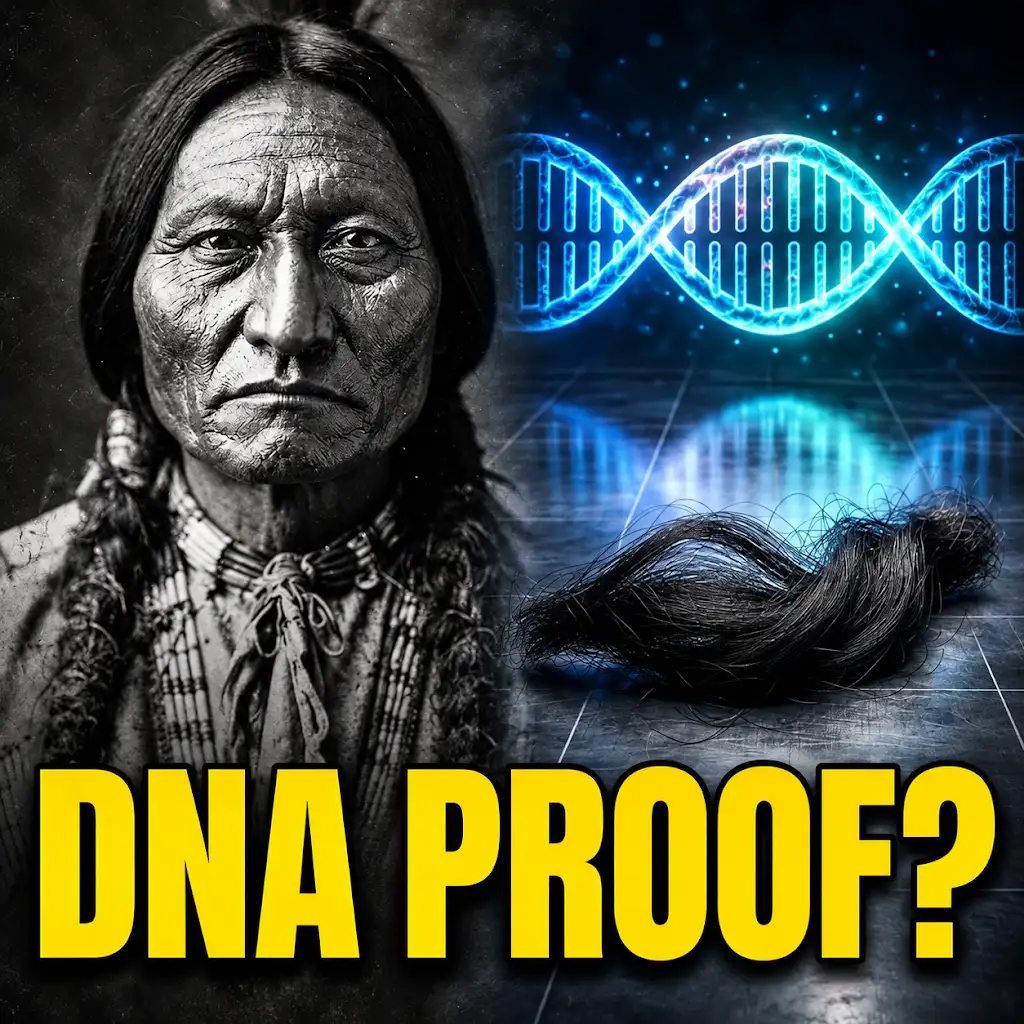
The Sitting Bull DNA Test: What Did It Actually Prove?
FAQs
What is ancient DNA genealogical research?
Ancient DNA genealogical research is the study of genetic material extracted from ancient human remains to trace ancestry, migration patterns, and genetic relationships among ancient populations.
How is ancient DNA extracted from archaeological remains?
Ancient DNA is extracted from archaeological remains such as bones, teeth, and hair by carefully collecting samples, isolating the DNA, and using specialized techniques to amplify and sequence the genetic material.
What can ancient DNA tell us about human history?
Ancient DNA can provide insights into human history by revealing information about population movements, interbreeding events, genetic adaptations, and relationships between ancient populations and modern-day groups.
What are some challenges associated with ancient DNA genealogical research?
Challenges in ancient DNA research include contamination from modern DNA, degradation of genetic material over time, limited sample availability, and the need for advanced laboratory techniques to extract and analyze ancient DNA.
What are some notable discoveries made through ancient DNA genealogical research?
Ancient DNA research has led to discoveries such as the identification of previously unknown human species, insights into the genetic legacy of ancient civilizations, and the reconstruction of ancient migration patterns and population interactions.