Unlocking the Past: Challenges in Historical DNA Analysis Revealed
The Fragile Echoes of Time: DNA Degradation and Contamination
The allure of peering into the genetic tapestry of our ancestors is undeniable. Historical DNA analysis, a field burgeoning with scientific ingenuity, promises to illuminate forgotten lineages, track ancient migrations, and even shed light on the very origins of humanity. Yet, the journey from a mummified bone fragment or a desiccated tooth to a coherent genetic narrative is fraught with formidable obstacles. Chief among these are the inherent fragility of ancient DNA and the ever-present specter of contamination.
The Silent Erosion: DNA’s Battle Against Time and Environment
DNA, the blueprint of life, is a remarkably resilient molecule, but it is not immortal. Over the centuries, millennia, and even eons, it succumbs to a relentless onslaught of environmental factors. High temperatures accelerate the rate of chemical degradation, breaking down the DNA strands into smaller and smaller fragments. Exposure to ultraviolet radiation from sunlight can cause damaging cross-links between bases, rendering the genetic code unreadable. Even seemingly benign processes like hydrolysis, the breakdown of molecules by water, can introduce errors. Microorganisms, present in soil, water, and even within the decaying tissues themselves, actively work to consume and further degrade the DNA.
This degradation manifests in several critical ways for the historical DNA analyst. Firstly, the sheer quantity of usable DNA recovered from ancient samples is often minuscule. Where a modern blood sample might yield enough DNA for multiple sequencing runs, ancient samples may only provide picograms or femtograms of material, requiring incredibly sensitive extraction and amplification techniques. Secondly, the DNA that is recovered is often fragmented, meaning that long, contiguous stretches of genetic code are rare. This fragmentation makes it challenging to reconstruct complete genes or chromosomes, hindering the ability to draw accurate conclusions about an individual’s traits or ancestry. Thirdly, chemical modifications, such as deamination, where an amine group is lost from a nucleotide base, can introduce base misincorporations during DNA sequencing. These errors can be mistaken for genuine genetic variations, leading to potentially erroneous interpretations. For instance, cytosine deamination can lead to the conversion of cytosine to uracil, which is then read as thymine during sequencing. If not properly accounted for, this can lead to an overestimation of heterozygosity or the presence of false genetic mutations.
The Uninvited Guests: The Pervasive Threat of Contamination
Perhaps even more insidious than degradation is the problem of contamination. Modern DNA, introduced by researchers, lab technicians, or even through environmental exposure, can easily overwhelm the minute quantities of ancient DNA present in a sample. This contamination can occur at multiple stages: during sample collection in the field, during transport and storage, and most critically, in the laboratory. Even the most experienced researchers can inadvertently shed skin cells, hair, or saliva containing their own DNA. Without stringent protocols, these modern contaminants can outcompete the ancient DNA, leading to sequencing results that reflect the present rather than the distant past.
The challenge is particularly acute when dealing with samples that have been handled extensively or those that are exceptionally old. Furthermore, if the ancient DNA is highly degraded and fragmented, even a small amount of modern contaminant can make up a significant proportion of the sequenced genetic material. This is why laboratories dedicated to ancient DNA research employ highly specialized environments. These often include dedicated cleanrooms with positive air pressure, rigorous sterilization protocols for all equipment, and the use of disposable consumables. Researchers often wear full-body suits, gloves, and masks to minimize shedding. Some labs even implement a “blank control” strategy, where they run DNA extraction and amplification reactions using only reagents and no ancient DNA sample. If any DNA is detected in these blanks, it is a clear indication of contamination within the laboratory environment, prompting immediate investigation and corrective action. The subtle nature of contamination means that sophisticated bioinformatic tools are also employed to identify and filter out sequences that exhibit characteristics of modern DNA, such as less fragmentation and a different pattern of chemical modifications.
Historical DNA analysis presents a myriad of challenges, particularly when it comes to interpreting genetic data from ancient populations. One significant obstacle is the degradation of DNA over time, which can lead to incomplete or contaminated samples. Additionally, the complex interplay of migration and interbreeding among different groups complicates the task of drawing clear conclusions about ancestry and lineage. For a broader understanding of how geography influences historical populations, you may find the article on the diverse terrain of Afghanistan insightful. It explores the geographical factors that have shaped human history in the region, which can provide context for the challenges faced in DNA analysis. You can read more about it here: The Diverse Terrain of Afghanistan: A Geography Overview.
Navigating the Genetic Labyrinth: Sample Preparation and Extraction
The journey of ancient DNA analysis begins long before the genetic sequencers hum to life. The careful and meticulous preparation of the sample, followed by the extraction of the precious genetic material, is a critical phase that can determine the success or failure of the entire endeavor. These initial steps are not merely technical procedures; they are a dance with fragility, where every movement must be precise and every precaution paramount.
From Bone to Blood: Specialized Extraction Techniques
Extracting DNA from ancient specimens requires a departure from standard DNA extraction methods. The matrices in which DNA is preserved – be it bone, teeth, hair, or soft tissues – are often dense and resistant, making it difficult for extraction reagents to access the DNA. For bone and teeth, a common approach involves grinding the material into a fine powder. This increases the surface area, allowing for better penetration of lysis buffers that break open cells and release DNA. Decalcification, often using EDTA, is frequently employed to remove calcium minerals that can inhibit enzymatic reactions and bind DNA. For softer tissues, enzymatic digestion or other lysis methods might be more appropriate.
The choice of extraction method is crucial and often dictated by the type of sample and the expected state of DNA preservation. Phenol-chloroform extraction, a classic method for DNA purification, can be effective but also potentially damaging to degraded DNA. Newer methods utilizing silica-based columns or magnetic beads are often favored as they can be gentler and more efficient, particularly for low-yield samples. Importantly, the reagents used must be tested for the absence of contaminating DNA themselves. Positive control samples, known to contain high-quality DNA, are also included in each extraction run to monitor the efficiency of the process. The development of specialized extraction kits designed specifically for ancient DNA has been a significant advancement, offering optimized protocols and reagent compositions to maximize DNA yield and minimize degradation during the extraction process itself.
The Ghost in the Machine: Minimizing Contamination in the Lab
The laboratory environment for ancient DNA analysis is a fortress against modern invaders. Stringent protocols are not optional; they are the bedrock of reliable results. This begins with the physical separation of ancient DNA work from other molecular biology activities. Dedicated rooms, often with their own dedicated air filtration systems, are essential. When samples arrive, they are often cataloged and handled in a separate area before being brought into the cleanroom for processing.
The sterilization of equipment is paramount. Autoclaving, UV irradiation, and chemical disinfectants are all employed to ensure that no residual DNA from previous experiments or external sources remains. Consumables, such as pipette tips, tubes, and reagents, are typically pre-treated to remove DNA and are often purchased in sterile, individually wrapped packaging. Even the water used in buffers is often treated to eliminate DNA. Researchers themselves are the most common source of contamination, and therefore, rigorous personal decontamination procedures are enforced. This includes wearing dedicated lab coats, gloves that are changed frequently, and sometimes even full-body suits. Hairnets and masks are standard attire. Pipetting techniques are modified to minimize aerosol generation. Some researchers even adopt a “back-searching” approach, where they process a blank control sample alongside their ancient DNA samples. If any amplification product is detected in the blank, it signals contamination and prompts a review of all procedures. The implementation of strict laboratory practices is not just about scientific rigor; it is about respecting the faint whispers of the past and ensuring they are not drowned out by the clamor of the present.
Decoding the Fragmented Narrative: Challenges in DNA Sequencing and Analysis
Once the precious ancient DNA has been painstakingly extracted, the next hurdle is to coax it into revealing its secrets through DNA sequencing. This is where the fragmentation and chemical modifications inherent in ancient DNA present a unique set of analytical challenges, demanding sophisticated technologies and advanced computational approaches.
The Puzzle of Fragments: Reconstruction and Interpretation
Modern DNA sequencing technologies typically work best with longer DNA strands. The fragmented nature of ancient DNA means that sequencers often generate millions of short reads, like pieces of a torn manuscript. Reassembling these fragments into a coherent genetic sequence is akin to solving an incredibly complex jigsaw puzzle with many missing pieces. Bioinformatic algorithms play a crucial role here. These programs compare the short reads to reference genomes or to each other, identifying overlapping sequences to stitch them together. However, the presence of errors introduced by degradation can complicate this process. If a fragment contains a deaminated base, it might be incorrectly aligned, leading to inaccurate reconstructions.
Furthermore, the limited amount of DNA and the high fragmentation can make it difficult to achieve deep coverage of the genome. Deep coverage means that each position in the genome is sequenced multiple times, increasing confidence in the accuracy of the sequence. With ancient DNA, achieving high coverage across the entire genome is often impossible. This means that there will be gaps in the data, regions where the DNA sequence is unknown. These gaps can limit the types of analyses that can be performed, such as identifying specific gene variants or inferring phenotypic traits. The interpretation of these fragmented sequences also requires careful consideration. Researchers must distinguish between genuine genetic variations and the errors introduced by degradation or contamination. This often involves statistical approaches and cross-referencing with multiple sequencing runs.
The Shadow of Errors: Distinguishing Artifacts from True Variations
The chemical instability of ancient DNA leads to characteristic patterns of damage. As mentioned earlier, deamination of cytosine to uracil is a common occurrence. This results in a C to T transition when the DNA is amplified and sequenced. Similarly, adenine can deaminate to hypoxanthine, which is read as guanine during sequencing, leading to A to G transitions. These deamination events are more frequent at the ends of DNA fragments and tend to occur in a directional manner (e.g., predominantly C to T).
Bioinformatic tools are essential for identifying and accounting for these damage patterns. Specialized algorithms can be trained to recognize the signatures of ancient DNA damage. By analyzing the frequency and location of these characteristic base misincorporations, researchers can distinguish between genuine genetic variations and artifactual changes. For example, if a potential variant is observed only in a single read and exhibits a C to T transition at the end of a fragment, it is more likely to be a result of deamination than a true genetic mutation. Conversely, if the same variant is consistently observed across multiple fragments and sequencing runs, and does not show the characteristic patterns of damage, it is more likely to represent a genuine genetic difference. The statistical modeling of damage patterns allows researchers to assign a confidence score to identified variants, helping to filter out those that are likely to be artifacts. This rigorous process of error correction is fundamental to the reliability of historical DNA studies.
The Evolutionary Crossroads: Ancient Genomes and Population Genetics
The application of historical DNA analysis to population genetics has revolutionized our understanding of human history. By studying the genomes of ancient individuals, scientists can reconstruct past population movements, identify admixture events, and track the evolution of genetic traits over time. However, this endeavor is not without its complexities, particularly when dealing with limited and highly degraded ancient DNA.
Tracing Migrations: Unraveling Ancestral Journeys
Ancient DNA provides a direct window into the genetic makeup of past populations, allowing researchers to infer migration patterns with unprecedented accuracy. By comparing the genetic profiles of ancient individuals from different geographic locations and time periods, scientists can identify where populations originated, how they spread, and with whom they interacted. For instance, studies of ancient European genomes have revealed multiple waves of migration that shaped the continent’s genetic landscape, including the arrival of Neolithic farmers from Anatolia and the later expansion of Steppe pastoralists.
However, drawing these conclusions requires robust statistical methods and a careful interpretation of population structure. Ancient DNA samples are often scarce, and their geographic and temporal provenance might be imprecise. This can lead to ambiguity in inferring migration routes and the timing of population movements. Furthermore, genetic diversity within ancient populations might be limited, making it challenging to distinguish between localized genetic drift and larger-scale migratory events. The challenge is further amplified when dealing with admixed populations, where identifying the source populations and quantifying their contributions requires sophisticated modeling techniques. The resolution of these analyses is directly dependent on the quality and quantity of the ancient DNA data available.
Uncovering Ancestral Relationships: Kinship and Social Structures
Beyond broad population movements, ancient DNA can also shed light on the intimate details of past societies, including kinship structures, family relationships, and social organization. By analyzing the genomes of individuals buried in close proximity or within the same archaeological context, researchers can identify close relatives, such as parents, siblings, or cousins. This has provided groundbreaking insights into ancient burial practices, inheritance patterns, and the social roles of different individuals within a community. For example, studies of ancient Viking cemeteries have revealed surprisingly egalitarian burial practices for women, suggesting a more prominent role for them in society than previously assumed.
The accuracy of these kinship analyses is heavily reliant on the completeness of the genetic data. Detecting close relatives requires a high degree of genetic overlap. If the ancient DNA is highly fragmented or incomplete, it can be difficult to confidently identify even first-degree relatives, let alone more distant relationships. Furthermore, the presence of contamination can introduce spurious genetic similarities, leading to false positive kinship assignments. Therefore, rigorous filtering of potentially contaminated data and the use of statistical methods that account for the uncertainty in ancient DNA data are crucial for reliable kinship reconstruction. The challenge lies in balancing the desire to infer detailed social structures with the inherent limitations of the available genetic material.
Historical DNA analysis has opened new avenues for understanding ancient civilizations, yet it is not without its challenges. Issues such as contamination, the degradation of genetic material over time, and the complexities of interpreting ancient genomes can complicate research efforts. For a deeper exploration of how these challenges intersect with the broader narrative of human history, you might find the article on the sudden collapse of ancient civilizations insightful. It discusses various factors that contributed to the downfall of these societies, which can be further understood through the lens of genetic analysis. You can read more about it here.
The Future of the Past: Emerging Technologies and Ethical Considerations
| Challenge | Description | Impact on Analysis | Common Solutions |
|---|---|---|---|
| DNA Degradation | Ancient DNA often breaks down into small fragments due to environmental factors. | Limits the amount of usable genetic material, reducing data quality. | Use of specialized extraction methods and targeted enrichment techniques. |
| Contamination | Modern DNA from handlers or microbes can contaminate samples. | Leads to false results or misinterpretation of ancient genetic data. | Strict lab protocols, clean rooms, and authentication tests. |
| Low Quantity of DNA | Ancient samples often contain very little DNA. | Challenges in sequencing and obtaining reliable data. | Use of PCR amplification and next-generation sequencing technologies. |
| Post-Mortem Damage | Chemical modifications such as cytosine deamination alter DNA bases. | Causes sequencing errors and misreads. | Bioinformatic tools to identify and correct damage patterns. |
| Sample Preservation | Environmental conditions affect DNA preservation (temperature, humidity). | Variable DNA quality across samples, affecting comparability. | Selection of well-preserved samples and improved storage methods. |
| Ethical and Legal Issues | Restrictions on sampling human remains and cultural sensitivities. | Limits access to samples and data sharing. | Engagement with communities and adherence to regulations. |
The field of historical DNA analysis is in a perpetual state of innovation, with new technologies constantly pushing the boundaries of what is possible. However, alongside these exciting scientific advancements come important ethical considerations that must be carefully navigated to ensure responsible and respectful engagement with the genetic heritage of our ancestors.
The Next Frontier: Advances in DNA Recovery and Sequencing
The future of historical DNA analysis is bright, fueled by rapid advancements in both DNA recovery and sequencing technologies. New methods for extracting DNA from challenging samples, such as ancient sediments or desiccated fossils, are continuously being developed, opening up access to previously untapped genetic resources. Innovations in DNA repair enzymes hold the promise of restoring damaged DNA molecules, making them more amenable to sequencing.
On the sequencing front, the development of ultra-low input sequencing protocols allows for the analysis of even smaller amounts of DNA than ever before. Next-generation sequencing (NGS) technologies continue to increase in throughput and decrease in cost, enabling researchers to sequence entire ancient genomes with greater efficiency. Emerging technologies like long-read sequencing promise to overcome some of the fragmentation challenges by generating longer contiguous DNA sequences, which can improve genome assembly accuracy. Furthermore, single-cell sequencing techniques, adapted for ancient DNA, could potentially allow for the analysis of DNA from individual cells within ancient tissues, offering higher resolution and potentially reducing the impact of bulk contamination. The continuous refinement of bioinformatics tools for handling degraded and damaged DNA will also be crucial in maximizing the insights gained from these new technologies.
Respecting the Ancestors: Ethical Dilemmas and Future Directions
As the ability to extract and analyze ancient DNA becomes more powerful, so too does the responsibility to do so ethically. The study of ancient human remains raises profound questions about consent, ownership, and the potential for misuse of genetic information. While direct consent from deceased individuals is impossible, there is a growing emphasis on engaging with descendant communities and respecting their cultural heritage and ancestral remains. This involves open communication, transparency about research goals and methods, and ensuring that research benefits the communities involved.
There are also concerns about the potential for genetic information to be used to reinforce harmful stereotypes or to create divisions between groups. The interpretation of ancient DNA data must be done with a nuanced understanding of complex population histories and the limitations of genetic determinism. Furthermore, the long-term curation and accessibility of ancient DNA data and associated archaeological materials are crucial. Ensuring that this invaluable scientific legacy is preserved for future generations and made accessible for legitimate research purposes, while also protecting sensitive information, is a critical challenge. The responsible advancement of historical DNA analysis will require a continued dialogue between scientists, ethicists, policymakers, and descendant communities to ensure that the unlocking of the past is done with reverence and for the benefit of all.
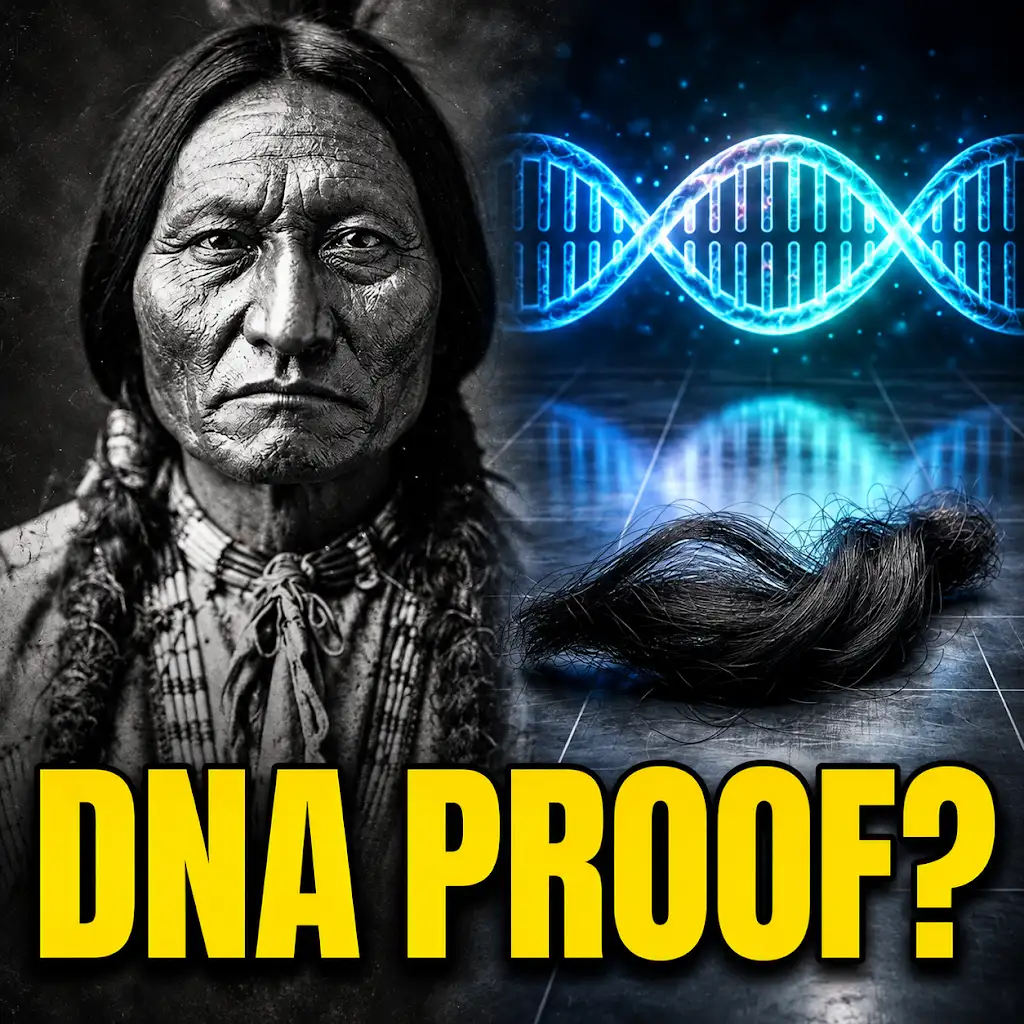
The Sitting Bull DNA Test: What Did It Actually Prove?
FAQs
What is historical DNA analysis?
Historical DNA analysis is the study of genetic material extracted from ancient remains or artifacts to understand the genetic makeup of past populations and trace their movements and relationships.
What are some challenges faced in historical DNA analysis?
Challenges in historical DNA analysis include degradation of DNA over time, contamination from modern sources, limited sample sizes, and difficulties in obtaining well-preserved ancient DNA samples.
How does DNA degradation affect historical DNA analysis?
DNA degradation over time can result in fragmented and damaged genetic material, making it difficult to obtain reliable genetic information from ancient samples. This can lead to incomplete or inaccurate results in historical DNA analysis.
What role does contamination play in historical DNA analysis?
Contamination from modern sources, such as researchers or environmental factors, can introduce foreign DNA into ancient samples, leading to misleading results. Strict protocols and controls are necessary to minimize the impact of contamination in historical DNA analysis.
Why is sample size important in historical DNA analysis?
Sample size is crucial in historical DNA analysis as larger sample sizes increase the statistical power of the study, allowing for more robust conclusions about past populations. Limited sample sizes can lead to uncertainties and biases in the genetic data analysis.