
The whispers of history have long been amplified by written records, archaeological finds, and the sagas passed down through generations. Yet, a new and powerful tool has emerged, capable of delving even deeper into the fabric of our collective past: genetic genealogy. This scientific discipline, by analyzing the DNA of individuals, can trace ancestral lineages with astonishing precision, offering a unique lens through which to re-examine the lives and relationships of historical figures, illuminating their origins, their movements, and even shedding light on long-held mysteries.
The DNA Detective Agency: Unraveling Ancestral Threads
Genetic genealogy is not about reading a dusty tome; it is about reading the very blueprint of life. By examining specific markers within an individual’s DNA, scientists can construct a detailed map of their ancestry, extending back not just centuries, but millennia. This process involves analyzing different types of DNA, each offering a distinct perspective on lineage. Autosomal DNA, inherited from both parents, provides information about recent ancestors, typically within the last five to seven generations. Mitochondrial DNA (mtDNA), passed down exclusively from mother to child, offers a direct line to maternal ancestors, tracing back tens of thousands of years along a single unbroken maternal thread. Similarly, Y-chromosome DNA (Y-DNA), inherited only by males from their fathers, reveals the paternal lineage, also capable of stretching back into deep prehistory.
Building the Family Tree of the Ages
The core of genetic genealogy lies in its ability to reconstruct family trees. For modern individuals, this often involves comparing their DNA with databases containing the genetic profiles of millions of people. When matches are found, these individuals are likely related, and by piecing together shared ancestors, a more comprehensive family tree can be built. The power of this methodology is amplified when applied to historical figures, especially when skeletal remains or other biological samples can be accessed. These samples, carefully preserved over time, become invaluable genetic archives, offering a direct link to individuals long departed.
The Challenges of Ancient DNA
Working with ancient DNA presents unique challenges. Degradation over time, contamination from modern DNA, and the sheer difficulty of extracting sufficient genetic material all require sophisticated techniques and rigorous protocols. Nevertheless, breakthroughs in ancient DNA sequencing have made it possible to extract and analyze genetic material from individuals who lived thousands of years ago, revolutionizing our understanding of human migration, population dynamics, and even the physical characteristics of historical peoples.
Modern Tools for Ancient Questions
The development of advanced sequencing technologies, coupled with powerful bioinformatics tools, has democratized genetic genealogy. What was once the exclusive domain of specialized laboratories is now accessible to a growing number of researchers and even amateur genealogists. This accessibility has fueled a surge of interest in applying genetic genealogy to historical questions, pushing the boundaries of what we can know about our ancestors and the figures who shaped our world.
Genetic genealogy has become an invaluable tool for uncovering the ancestral roots of historical figures, allowing researchers to connect modern descendants with their illustrious forebears. For those interested in exploring the intersection of genetics and history, a related article titled “Navigating the Future: Cislunar Space Traffic Management” provides insights into how emerging technologies can influence our understanding of lineage and heritage. You can read more about it here: Navigating the Future: Cislunar Space Traffic Management.
Bringing the Past to Life: Case Studies in Genetic Revelation
The theoretical potential of genetic genealogy is powerfully demonstrated through real-world applications, where it has offered groundbreaking insights into the lives of historical figures. These case studies showcase the ability of DNA analysis to resolve long-standing debates, confirm or refute long-held beliefs, and reveal previously unknown familial connections. The stories unlocked by these genetic detectives are not mere academic exercises; they are profound revelations that reshape our understanding of history.
The Royal Unraveling: Richard III and the House of York
One of the most compelling modern examples involves the discovery and identification of the remains of King Richard III of England. Following his death at the Battle of Bosworth Field in 1485, his burial site was lost for centuries, shrouded in legend. When skeletal remains were unearthed beneath a Leicester car park in 2012, the question arose: were these truly the remains of the last Plantagenet king? Genetic analysis provided the answer. By comparing DNA extracted from the remains with that of living descendants of Richard III’s sister, Anne of York, scientists were able to confirm the identity of the skeleton with a high degree of certainty. This monumental discovery, aided by the meticulous work of geneticists and historians, not only solved a centuries-old mystery but also offered a more nuanced understanding of Richard III’s physical appearance and possible health conditions. The analysis of his DNA also provided insights into the genetic makeup of the Plantagenet dynasty, contributing to broader studies of royal lineage and genetic inheritance.
Genetic genealogy has become an intriguing tool for uncovering the ancestral backgrounds of historical figures, shedding light on their lineage and connections to modern populations. For those interested in exploring how genetic research can reveal unexpected ties to famous individuals, a fascinating article discusses the implications of this field in contemporary society. You can read more about it in this insightful piece on the growing appeal of nearshoring in Mexico, which touches on the broader themes of ancestry and identity. Check it out here: the rise of nearshoring in Mexico.
Unmasking the Pharaohs: Tutankhamun’s Family Tree
The lineage of the ancient Egyptian pharaohs has long been a subject of intense scholarly debate. The mummy of Tutankhamun, the boy king, was discovered by Howard Carter in 1922, but his parentage remained a puzzle. Genetic analysis of Tutankhamun’s mummy, along with other royal mummies from the Amarna period, has provided significant clues. By analyzing the DNA of Tutankhamun, his mother, and his father, researchers were able to establish that Tutankhamun was the son of Akhenaten, the heretic pharaoh who revolutionized Egyptian religion, and his sister, Ankhesenamun. This finding shed light on the complex and often incestuous royal family structures of the New Kingdom, helping to clarify the succession and the political landscape of the era. While the ethical considerations of DNA extraction from ancient mummies are significant, the scientific revelations have been profound, offering a direct window into the genetic heritage of one of history’s most enigmatic royal families.
The Enigma of the Romanovs: Anastasia and the Fate of the Tsarist Family
The assassination of the Russian Imperial family, the Romanovs, during the Bolshevik Revolution in 1918, left a lingering question about the fate of all its members. While most bodies were discovered and identified in the 1990s, two bodies, believed to be Tsarevich Alexei and Grand Duchess Anastasia, were initially missing. This led to decades of speculation and the emergence of numerous impostors claiming to be Anastasia. Subsequent exhumations and extensive DNA analysis, including the comparison of mitochondrial DNA from the Romanov remains with that of living relatives, confirmed the identification of all the family members. The genetic evidence conclusively demonstrated that the remains belonged to Tsar Nicholas II, Tsarina Alexandra, and their five children, including Anastasia. This scientific resolution brought closure to a deeply traumatic historical event and definitively debunked the claims of Anastasia’s survival, ending one of history’s most enduring mysteries.
Beyond Identification: Revealing Traits and Migrations
Genetic genealogy’s impact extends far beyond simply identifying individuals
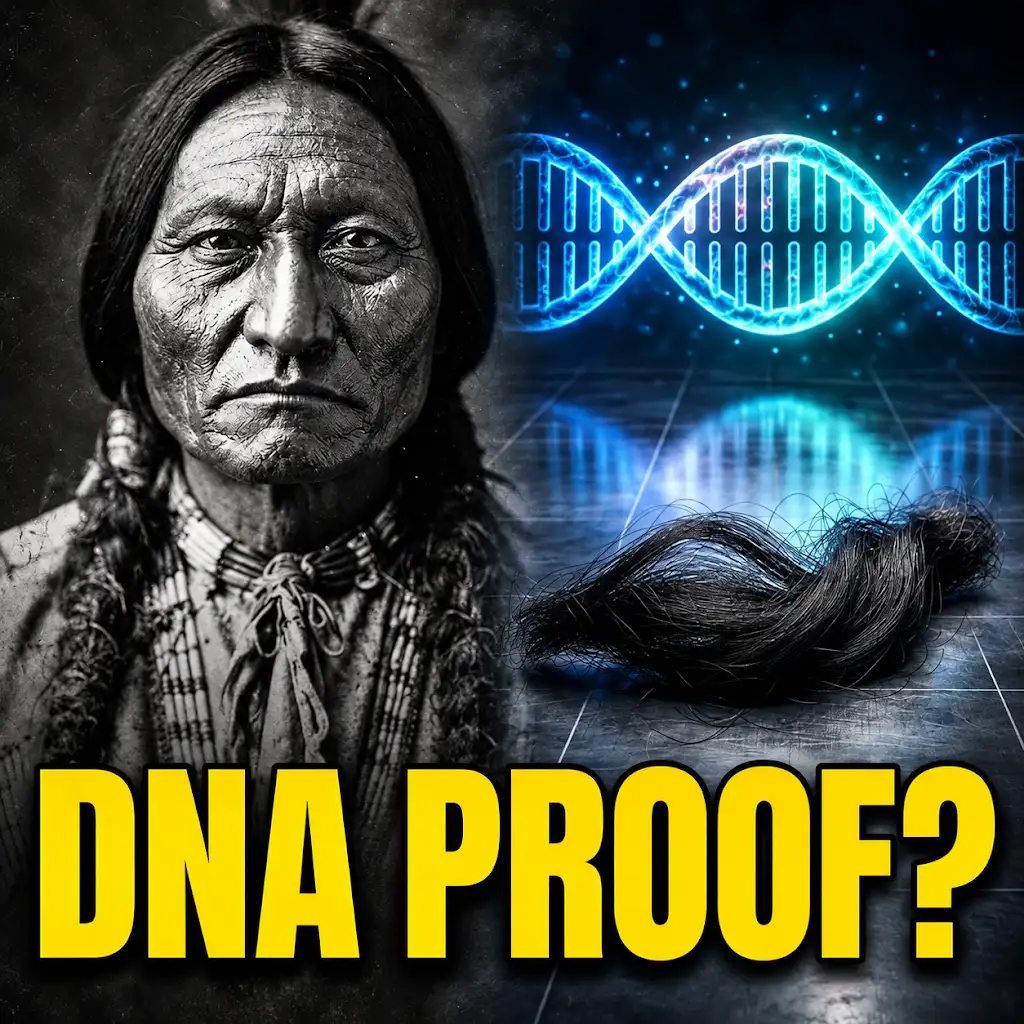
The Sitting Bull DNA Test: What Did It Actually Prove?
FAQs
1. Can genetic genealogy be used to study historical figures?
Yes, genetic genealogy can be used to study historical figures by analyzing their DNA or the DNA of their descendants to uncover information about their ancestry, relationships, and genetic traits.
2. How can genetic genealogy help in understanding the lineage of historical figures?
Genetic genealogy can help in understanding the lineage of historical figures by comparing their DNA with modern populations, identifying common genetic markers, and tracing their ancestry back through generations.
3. What are some examples of historical figures whose genetic genealogy has been studied?
Some examples of historical figures whose genetic genealogy has been studied include Thomas Jefferson, King Richard III, and the Romanov family. These studies have provided insights into their family histories and relationships.
4. What are the challenges in using genetic genealogy to study historical figures?
Challenges in using genetic genealogy to study historical figures include the availability of DNA samples, the accuracy of historical records, the potential for genetic mutations over time, and the need for advanced genetic analysis techniques.
5. How can genetic genealogy of historical figures contribute to our understanding of history?
The genetic genealogy of historical figures can contribute to our understanding of history by confirming or refuting existing theories, revealing new connections between individuals or populations, and providing a more comprehensive picture of the past based on genetic evidence.