The Whispers of Bone: A New Era in Understanding Ancestry
The silent sentinels of history, human remains unearthed from ancient burial sites, archaeological digs, and even forgotten crypts, have long offered tantalizing glimpses into the lives of those who came before us. For centuries, scholars and enthusiasts alike have pored over these physical remnants, piecing together narratives through skeletal structure, grave goods, and contextual evidence. However, a revolution is underway, one that transcends the purely visual and contextual. Genetic testing of historical human remains has emerged as a powerful and transformative tool, allowing us to delve deeper than ever before into the biological realities of our ancestors, unlocking secrets of lineage, migration, health, and even diet. This scientific advancement moves beyond speculation and anecdote, providing direct, empirical evidence that can rewrite established historical narratives and paint a more nuanced picture of human evolution and societal development. The ability to extract and analyze ancient DNA, or aDNA, has opened a new frontier in historical inquiry, offering a tangible link to the past that was once the exclusive domain of imagination and deduction.
The scientific principles underpinning this groundbreaking field are complex, involving the meticulous extraction and amplification of degraded DNA fragments. These fragments, often minuscule and contaminated, represent the remnants of the genetic blueprint left behind by individuals who lived millennia ago. The challenges are significant: DNA degrades over time, particularly in warm and humid environments, and can be further compromised by handling, burial conditions, and modern contamination. Yet, with sophisticated techniques and rigorous protocols, scientists are now capable of recovering and sequencing this ancient genetic material, revealing information about an individual’s sex, geographic origins, familial relationships, and even predispositions to certain diseases. This article will explore the multifaceted applications of genetic testing in understanding historical human remains, from illuminating population movements and understanding ancient kinship structures to shedding light on health and disease in bygone eras.
Recent advancements in genetic testing have opened new avenues for understanding historical remains, shedding light on ancient populations and their migrations. For a deeper exploration of how these techniques are revealing secrets from the past, you can read the article titled “Uncovering Ancient Secrets: Revealed Wisdom from the Past” available at this link. This article discusses the implications of genetic analysis in archaeology and anthropology, highlighting significant discoveries that have transformed our understanding of human history.
Unraveling Migratory Tapestries: Tracing the Journeys of Ancient Peoples

The story of humanity is one of constant movement, a grand tapestry woven from countless migrations across continents and oceans. For millennia, archaeologists and anthropologists have pieced together fragments of this narrative through the distribution of artifacts, linguistic similarities, and skeletal analyses. Genetic testing of historical human remains has provided an unprecedented level of detail and certainty to these theories, allowing scientists to trace the genetic footprints of ancient populations with remarkable precision. By analyzing the DNA of individuals from different time periods and geographical locations, researchers can identify patterns of gene flow, pinpoint the origins of specific populations, and even track the routes and timings of major migratory events.
The Power of Mitochondrial DNA and Y-Chromosomal DNA
Two key types of DNA have proven particularly valuable in tracing ancient migrations: mitochondrial DNA (mtDNA) and Y-chromosomal DNA (Y-DNA). mtDNA, inherited solely from the mother, provides a record of maternal lineage. Because it is present in multiple copies within each cell and is more resistant to degradation than nuclear DNA, mtDNA is often more readily recovered from ancient samples. Analyzing mtDNA allows researchers to identify distinct haplogroups, which are groups of individuals who share a common maternal ancestor. By charting the distribution of these haplogroups across different ancient populations, scientists can infer past movements and connections. For instance, the presence of specific mtDNA haplogroups in both East Asia and the Americas strongly suggests migration across the Bering Strait.
Similarly, Y-DNA, inherited exclusively from the father, traces paternal lineage. The Y chromosome also contains haplogroups that can be used to track male ancestral lines. Studying Y-DNA provides complementary information to mtDNA, offering a more complete picture of population movements and the roles of different sexes in these migrations. The combination of mtDNA and Y-DNA analyses has been instrumental in understanding complex patterns of human dispersal, such as the spread of Indo-European languages across Eurasia and the peopling of the Americas.
Reconstructing Population Histories Through Autosomal DNA
While mtDNA and Y-DNA offer insights into specific lineages, autosomal DNA, which comprises the vast majority of our genetic material inherited from both parents, provides a broader and more comprehensive view of population history. By analyzing multiple autosomal DNA markers, scientists can determine the degree of genetic relatedness between individuals and populations, identify admixture events (when two previously separated populations interbreed), and estimate the time depth of these genetic connections. This has allowed for the reconstruction of complex population histories, revealing that many modern populations are the result of multiple waves of migration and admixture over thousands of years. For example, studies of ancient European DNA have revealed distinct layers of ancestry, with Mesolithic hunter-gatherers, Neolithic farmers from the Near East, and Bronze Age pastoralists all contributing to the genetic makeup of present-day Europeans. These findings have significantly refined our understanding of how Europe was populated and repopulated.
Illuminating Kinship and Social Structures: The Family Tree of the Past
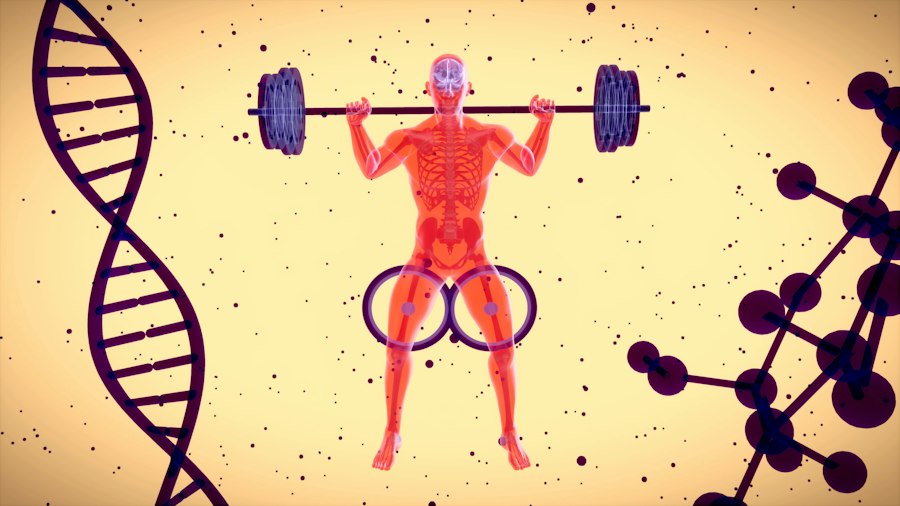
Beyond grand migratory movements, genetic testing of historical human remains offers an intimate window into the social fabric of past societies. By identifying biological relationships between individuals within a burial context or across different archaeological sites, scientists can reconstruct kinship structures, understand family dynamics, and shed light on social organization. This ability to directly ascertain familial ties moves beyond inferences drawn from burial practices or the proximity of graves.
Unmasking Nuclear Families and Extended Kin Networks
Ancient DNA analysis can definitively identify parent-child relationships, sibling relationships, and more distant kinship ties. This has revolutionized our understanding of how families were structured in the past. For instance, in some early agricultural communities, genetic analysis has revealed the presence of distinct family units buried together, suggesting a social organization centered around the nuclear family. In other cases, extensive kinship networks spanning multiple generations have been identified, indicating the importance of extended kin in social and economic life. The ability to distinguish between biological relationships and those established through adoption or marriage adds further layers of complexity to these interpretations.
Understanding Social Stratification and Leadership
The genetic analysis of individuals in positions of apparent social importance, such as those buried with elaborate grave goods or in prominent locations, can also reveal significant information. If a high-status individual is found to be genetically related to other individuals in the same burial site, it can provide evidence of inherited leadership or social privilege. Conversely, if a seemingly elite individual has no discernible genetic link to those around them, it might suggest that status was achieved through means other than birth, or that the individual was an outsider who achieved prominence. Furthermore, by analyzing the genetics of individuals within a community, researchers can investigate whether social roles were inherited along specific paternal or maternal lines, offering insights into the patrilineal or matrilineal nature of past societies. This genomic approach offers a powerful complement to archaeological evidence when examining issues of power and social hierarchy.
The Biological Tapestry: Health, Disease, and Diet in Ancient Lives
The genetic material preserved within ancient human remains holds a wealth of information about the health and lifestyle of individuals and populations. By analyzing specific genes and their variations, scientists can investigate patterns of disease, understand the impact of environmental factors on health, and even glean insights into ancient diets. This biological record provides a crucial counterpoint to historical accounts, which are often limited in their ability to document the lived experiences of ordinary people, particularly concerning health and nutrition.
Uncovering the Ghosts of Diseases Past
Ancient DNA can reveal the presence of pathogens that caused diseases in historical populations. For example, researchers have successfully identified the DNA of Yersinia pestis, the bacterium responsible for the Black Death, in the skeletal remains of plague victims from the medieval era. This has allowed for a more precise understanding of the origins and spread of this devastating pandemic. Similarly, the study of ancient genomes has provided evidence for the prevalence of diseases like tuberculosis, leprosy, and various viral infections in past societies. Analyzing the genetic adaptations of ancient populations to endemic diseases can also shed light on their evolutionary history and the selective pressures they faced. For instance, the study of genes related to immunity can reveal how populations responded to the challenges of infectious diseases over time.
Diet and Lifestyle Through Genetic Markers
While direct analysis of ancient stomach contents can provide dietary information, genetic analysis offers a different, more inferential approach. Certain genetic markers are associated with the ability to digest specific types of food, such as lactose tolerance, which allows adults to digest milk. The presence or absence of these markers in ancient populations can provide clues about their dietary habits and their adaptation to agricultural practices. For example, the widespread presence of the lactase persistence gene in European populations is strongly linked to the adoption of dairying practices. Furthermore, some genetic studies can infer aspects of lifestyle, such as differences in physical activity levels or adaptations to different climates, based on patterns of gene expression or variation.
Recent advancements in genetic testing have opened new avenues for understanding historical remains, shedding light on ancient populations and their migrations. This innovative approach not only enhances our knowledge of human history but also provides insights into how climate change has influenced societal development over time. For a deeper exploration of how historical lessons can inform our current understanding of climate change, you can read more in this insightful article on learning from history.
Ethical Considerations and Future Frontiers: Navigating the Ethical Landscape and Embracing the Future
| Year | Location | Type of Remains | Genetic Testing Method | Key Findings | Significance |
|---|---|---|---|---|---|
| 2010 | Denisova Cave, Siberia | Bone fragment | Next-Generation Sequencing (NGS) | Identification of Denisovan hominin group | Revealed a previously unknown archaic human species |
| 2013 | Altai Mountains, Russia | Neanderthal toe bone | Whole genome sequencing | High-quality Neanderthal genome sequence | Improved understanding of Neanderthal genetics and interbreeding |
| 2015 | Kenya | Fossilized teeth and bones | Ancient DNA extraction and PCR | Genetic links to early Homo sapiens | Insights into human evolution in East Africa |
| 2018 | Egypt | Mummy remains | Targeted DNA capture and sequencing | Genetic ancestry of ancient Egyptians | Clarified population history and migration patterns |
| 2021 | Europe | Medieval skeletal remains | Shotgun metagenomic sequencing | Pathogen DNA identification (e.g., Yersinia pestis) | Understanding historical disease outbreaks |
The burgeoning field of ancient DNA analysis, while immensely powerful, is not without its ethical considerations. The study of human remains, particularly those of indigenous peoples, requires careful consultation and collaboration with descendant communities. Issues of consent, ownership of ancestral remains, and the potential for misinterpretation or misuse of genetic data are paramount. The scientific community is increasingly engaging with these complex ethical debates, striving to ensure that research is conducted in a respectful and collaborative manner.
Respecting Ancestral Rights and Cultural Heritage
A fundamental ethical principle in ancient DNA research is the importance of respecting the cultural heritage and wishes of descendant communities. Before any analysis is undertaken, robust consultation processes must be in place, allowing communities to understand the research goals, potential implications, and to provide informed consent for the study of their ancestors’ remains. This often involves co-creation of research protocols and the establishment of clear guidelines for data sharing and publication. In many cases, indigenous communities are becoming active participants in the research process, contributing their traditional knowledge and ensuring that the scientific findings are interpreted within a culturally relevant framework. The goal is to move beyond a purely extractive model of research towards one of genuine partnership.
The Evolving Landscape of Ancient Genomics and Its Potential
The technological advancements in ancient DNA analysis continue at a rapid pace. Newer techniques are enabling researchers to extract higher quality DNA from more challenging samples and to reconstruct even more complete genomes. This opens up exciting new avenues of research, including the study of ancient viruses and bacteria in unprecedented detail, the investigation of complex traits like intelligence and behavior (though with significant ethical and scientific caveats), and the potential to gain deeper insights into human evolution and the origins of disease. The field is also moving towards analyzing the epigenome – the chemical modifications to DNA that influence gene expression – which could provide even more nuanced information about environmental influences and lifestyle factors
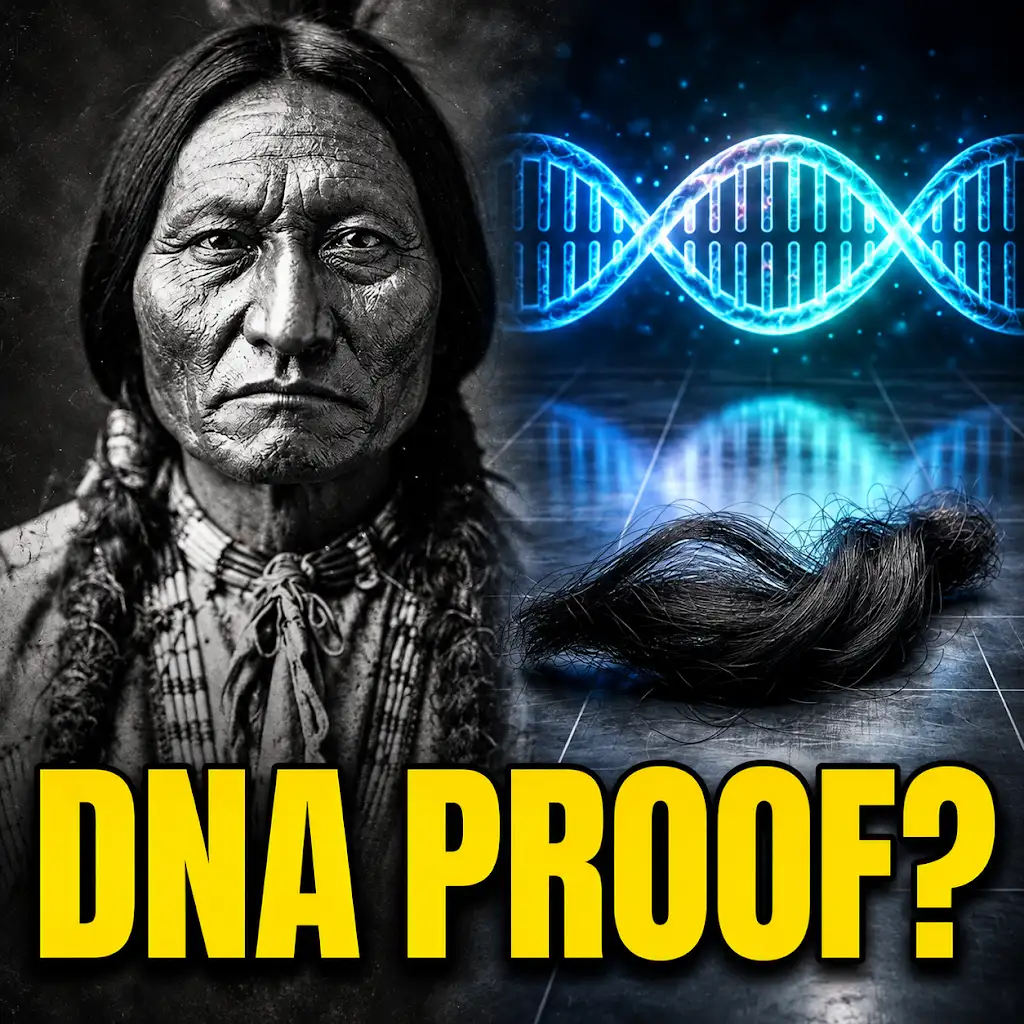
The Sitting Bull DNA Test: What Did It Actually Prove?
FAQs
1. Can genetic testing be used on historical remains?
Yes, genetic testing can be used on historical remains to extract DNA samples and analyze genetic information.
2. What information can genetic testing provide about historical remains?
Genetic testing can provide information about the ancestry, sex, health conditions, and possible familial relationships of individuals from historical remains.
3. How is DNA extracted from historical remains for genetic testing?
DNA is typically extracted from bones, teeth, or hair samples of historical remains using specialized techniques that preserve the integrity of the genetic material.
4. What are the challenges of genetic testing on historical remains?
Challenges of genetic testing on historical remains include degradation of DNA over time, contamination from handling, and the need for advanced technology to analyze fragmented genetic material.
5. What are some notable discoveries made through genetic testing on historical remains?
Genetic testing on historical remains has helped identify famous individuals, solve historical mysteries, and provide insights into ancient populations and migration patterns.