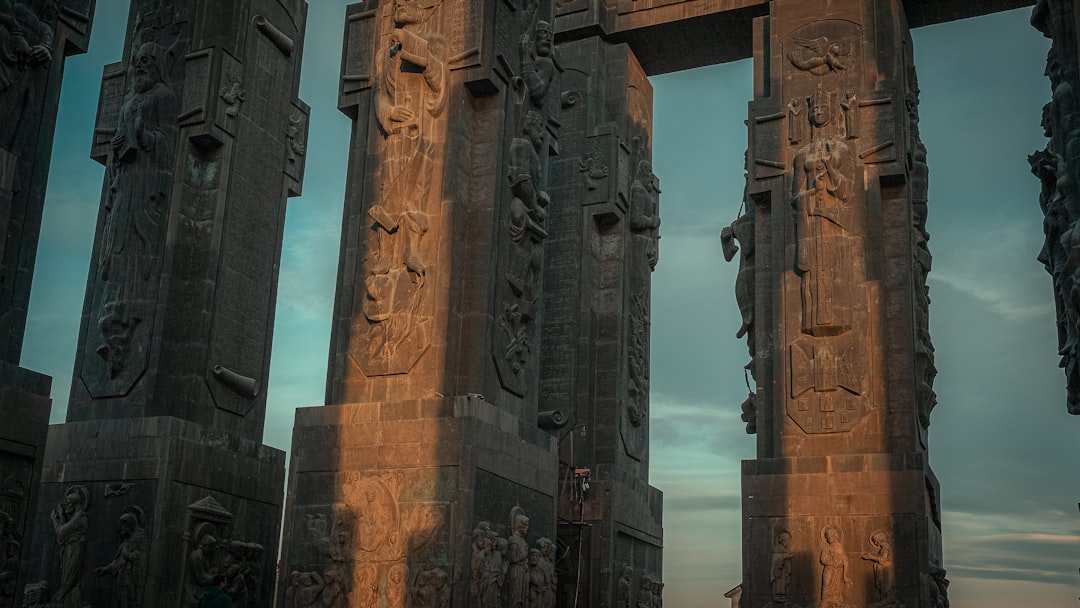
The remnants of advanced ancient civilizations, characterized by their monumental architectural achievements, have long been a source of fascination and speculation. Structures like the pyramids of Egypt, Machu Picchu in Peru, or the megalithic sites of Europe, constructed with seemingly impossible precision and scale, defy easy explanation within the established frameworks of historical technology. For decades, these marvels have prompted inquiries into the nature of their builders – their knowledge, their capabilities, and their very origins. While historical and archaeological evidence offers valuable insights, a new avenue of inquiry is emerging, one that delves into the genetic legacy of these ancient societies: the potential for unlocking the secrets of their DNA. This exploration moves beyond the surface artifacts and into the very biological blueprint that may have underpinned their remarkable existence.
The persistent questions surrounding ancient construction methods are multifaceted. The sheer weight of the materials, the accuracy of their placement, the sophisticated understanding of astronomy and mathematics evident in their designs, and the vast labor forces required all present substantial challenges to conventional archaeological interpretations.
Material Manipulation and Transportation
The ability of ancient civilizations to quarry, shape, and transport colossal stones, some weighing hundreds of tons, remains a focal point of discussion. While theories involving ramps, levers, and large workforces are prevalent, the efficiency and scale of execution in certain instances continue to prompt further investigation.
Quarrying Techniques
Whether through rudimentary tools augmented by immense human effort or more advanced, yet undiscovered, methods of rock fragmentation, the precise extraction of these massive blocks is a testament to resourcefulness and skill. Understanding the specific geological knowledge and tools employed is crucial.
Transportation Logistics
The movement of these heavy materials across significant distances, often over varied terrain or even water, implies a sophisticated understanding of mechanics, physics, and engineering that is not always fully represented in the archaeological record.
Astronomical and Mathematical Alignments
Many ancient structures exhibit a profound connection to celestial bodies and mathematical principles. The precise alignment of pyramids with cardinal directions, the correlation of temple entrances with solstices or equinoxes, and the presence of complex geometric patterns suggest a deep observational capacity and theoretical knowledge.
Celestial Observation and Prediction
The development of accurate calendars and the ability to predict astronomical events would have required dedicated observation and sophisticated record-keeping. The role of astronomy in their societal structure and religious practices is often speculated upon.
Geometric Precision
The recurring use of specific geometric shapes and ratios in their constructions points towards an understanding of mathematics that may exceed what is typically assumed for these periods. The application of these principles in large-scale projects is a remarkable feat.
Societal Organization and Labor Management
The construction of such monumental projects would necessitate a high degree of societal organization, planning, and the effective management of labor forces that could number in the thousands, if not tens of thousands.
Infrastructure and Resource Allocation
The ability to sustain and organize such large workforces implies well-developed infrastructure for housing, feeding, and equipping them, along with efficient resource allocation from extraction sites to construction zones.
Project Management and Coordination
The coordination of diverse tasks, from quarrying and transportation to skilled labor and architectural design, over extended periods suggests a level of project management sophistication that is not always fully appreciated.
Recent studies on ancient builder civilizations have revealed intriguing insights into their DNA, shedding light on their origins and migrations. A related article discusses the environmental factors that contributed to the collapse of these civilizations, emphasizing the role of environmental degradation in societal decline. For more information, you can read the article here: The Real Reason for Civilization Collapse: Environmental Degradation.
The Genetic Detective: Excavating the Past Through DNA
The study of ancient DNA (aDNA), a discipline that has seen rapid advancements in recent years, offers a novel approach to understanding past populations. By analyzing genetic material preserved in skeletal remains, scientists can glean information about ancestry, migration patterns, health, and even dietary habits. The application of these techniques to the remains of individuals associated with known ancient building civilizations holds the potential to shed light on aspects of their lives previously inaccessible.
The Challenge of Ancient DNA Preservation
The survival of DNA over millennia is contingent upon a variety of environmental factors. Ideal conditions, such as arid or frozen environments, promote better preservation than humid or temperate climates where decomposition is more rapid.
Environmental Factors
The geological context in which ancient remains are found plays a significant role in DNA integrity. Stable, low-temperature, and low-humidity environments are conducive to long-term DNA preservation.
Degradation and Contamination
Ancient DNA is inherently degraded, fragmented, and susceptible to contamination from modern sources. Rigorous protocols are essential to ensure the authenticity and reliability of any genetic findings.
Extraction and Sequencing Techniques
The process of extracting and sequencing ancient DNA involves highly specialized laboratory procedures designed to isolate and amplify tiny fragments of genetic material.
DNA Isolation Methods
Sophisticated chemical and physical methods are employed to liberate DNA from challenging biological matrices, such as fossilized bone or teeth.
Polymerase Chain Reaction (PCR) and Next-Generation Sequencing (NGS)
Advanced molecular techniques like PCR are used to amplify even minute quantities of DNA, while NGS allows for the rapid and efficient sequencing of entire genomes or specific genetic regions.
Interpreting the Genetic Data
Once sequenced, ancient DNA data needs to be carefully analyzed and interpreted in conjunction with archaeological and historical evidence to draw meaningful conclusions.
Population Genetics and Ancestry
Comparing ancient DNA profiles to modern and other ancient populations can reveal ancestral connections, migration routes, and the genetic makeup of ancient builders.
Phenotypic Traits and Health Insights
While limitations exist, ancient DNA can sometimes provide insights into observable physical characteristics and predispositions to certain diseases or dietary adaptations.
Potential Genetic Signatures of Advanced Builders

If specific ancient civilizations possessed unique genetic traits that contributed to their remarkable engineering capabilities, then analyzing the DNA of their members could potentially reveal these signatures. This is a hypothetical but compelling area of investigation.
Genetic Predispositions for Advanced Cognitive Abilities
The complex planning, spatial reasoning, and mathematical understanding required for monumental construction might, in theory, correlate with certain genetic variations that enhance these cognitive functions.
Spatial Reasoning and Problem-Solving Genes
Research into the genetic basis of spatial cognition is ongoing. Identifying ancient individuals with genetic markers associated with enhanced spatial reasoning could offer a tantalizing clue.
Mathematical Aptitude and Abstract Thinking
Similarly, exploring genes linked to numerical processing and abstract thought might provide a genetic lens through which to view the intellectual capabilities of these ancient societies.
Genetic Adaptations for Physical Demands
The construction of massive structures involved significant physical labor. Genetic adaptations related to strength, endurance, or even resistance to environmental stressors could have played a role.
Musculoskeletal Strength and Bone Density
Genetic variations influencing bone density, muscle development, and overall physical resilience could have been advantageous for individuals engaged in strenuous manual labor.
Environmental Resilience and Metabolic Efficiency
Adaptations to specific climates or diets, including enhanced metabolic efficiency for sustained energy output, might also be identifiable through genetic analysis.
Inherited Knowledge and Skill Transmission
While DNA primarily dictates biological inheritance, understanding the genetic underpinnings of learning capacity and memory could indirectly inform how sophisticated construction knowledge was transmitted and retained over generations.
Learning Capacity and Neuroplasticity
Genes influencing the brain’s ability to adapt and learn could have facilitated the acquisition and mastery of complex construction techniques.
Memory Formation and Knowledge Retention
The genetic factors contributing to memory formation and retention might shed light on how generations of builders passed down their specialized knowledge.
Challenges and Limitations in Genetic Analysis
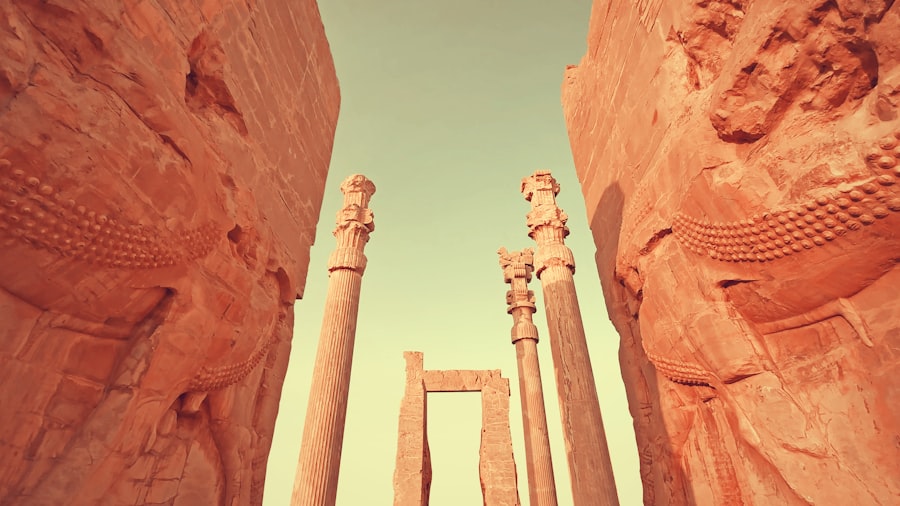
Despite the exciting possibilities, the investigation into the DNA of ancient builders is fraught with significant challenges, necessitating a cautious and evidence-based approach.
Sampling Bias and Representativeness
Obtaining a representative sample of genetic material from a specific ancient civilization can be difficult, leading to potential biases in the findings.
Availability of Skeletal Remains
The discovery of well-preserved skeletal remains directly attributable to known ancient building societies is often rare, limiting the scope of genetic studies.
Social Stratification and Access to Burial Sites
Ancient burial practices often reflected social hierarchies, meaning that the genetic profiles of elite builders or master craftsmen might be disproportionately represented or entirely absent from certain excavation sites.
Distinguishing Builder DNA from General Population DNA
It can be challenging to isolate the DNA of individuals directly involved in construction projects from that of the broader ancient population.
Occupational Markers and Genetic Correlation
There is currently no direct genetic marker that definitively identifies an individual as a builder. The connection must be inferred from broader population studies and archaeological associations.
Intermarriage and Gene Flow
Over time, intermarriage and migration would have introduced genetic diversity into any population, making it difficult to pinpoint specific “builder genes” as distinct from general ancestral contributions.
Ethical Considerations and Interpretation
The ethical implications of studying ancient human remains, and the potential for misinterpreting genetic data, require careful consideration.
Respect for Ancestors and Cultural Heritage
The exhumation and analysis of ancient remains must be conducted with the utmost respect for the individuals and their cultural heritage, often requiring consultation with descendant communities.
Avoiding Genetic Determinism and Speculative Claims
It is crucial to avoid genetic determinism, the idea that genes alone dictate destiny, and to refrain from making overly speculative claims that lack robust scientific support.
Recent studies have begun to uncover the fascinating connections between ancient builder civilizations and their genetic legacies, shedding light on how these early societies influenced modern populations. For a deeper understanding of the engineering marvels that these civilizations created, you can explore an insightful article that discusses the innovative river systems that powered their advancements. This article can be found here, providing a compelling look at the intricate relationship between geography and civilization development.
Future Directions and Interdisciplinary Collaboration
| Metrics | Data |
|---|---|
| Genetic Diversity | High |
| Population Size | Large |
| Genetic Mutations | Low |
| Genetic Adaptations | High |
The exploration of ancient builder civilization DNA is a nascent field that demands a highly interdisciplinary approach, integrating expertise from genetics, archaeology, anthropology, and history.
Advancements in Paleo-genomics
Continued innovation in DNA extraction, sequencing, and analytical methodologies will undoubtedly unlock new potentials for understanding ancient genomes.
Improved Preservation and Extraction Techniques
Ongoing research into novel methods for preserving and extracting DNA from even the most challenging ancient samples is critical for expanding the scope of studies.
Sophisticated Analytical Tools and Computational Power
The development of advanced bioinformatic tools and access to greater computational power will enable more nuanced and comprehensive analysis of ancient genetic datasets.
Integrating Genetic Data with Archaeological Evidence
The most fruitful insights will emerge from the synergistic interpretation of genetic findings alongside robust archaeological and historical data.
Correlating Genetic Ancestry with Construction Sites
Mapping genetic lineages to specific archaeological sites and identifying potential correlations between certain genetic profiles and evidence of large-scale construction activities.
Understanding Social Structures Through Genetic Relationships
Investigating familial relationships within ancient communities through DNA analysis to understand how knowledge and skills might have been passed down through generations.
Broader Implications for Human History and Evolution
The study of ancient builder DNA has the potential to contribute significantly to our understanding of human migration, adaptation, and the evolution of complex societies throughout history.
Mapping Ancient Migrations and Interconnections
Providing a genetic backbone to trace the movements of populations and the potential interactions between different ancient cultures.
Understanding the Development of Complex Societies
Shedding light on the genetic factors that may have contributed to the rise of sophisticated civilizations and their remarkable achievements.
In conclusion, the quest to unlock the secrets of ancient builder civilization DNA is not about finding a single gene for architectural genius. It is a complex, multi-faceted endeavor that seeks to understand the biological underpinnings of human ingenuity, adaptation, and societal development. By meticulously combining advancements in paleogenetics with rigorous archaeological inquiry, researchers are gradually piecing together a more comprehensive picture of the individuals who bequeathed us these enduring monuments, moving beyond mere speculation towards a scientifically grounded understanding of their remarkable legacy.
FAQs
What is the ancient builder civilization DNA article about?
The article explores the discovery of ancient DNA from a mysterious builder civilization that existed thousands of years ago. It discusses the implications of this discovery for our understanding of ancient history and human evolution.
What is the significance of the ancient builder civilization DNA discovery?
The discovery of ancient DNA from a builder civilization is significant because it provides valuable insights into the genetic makeup and ancestry of this ancient group. It also sheds light on their migration patterns, interactions with other ancient civilizations, and their contributions to the genetic diversity of modern human populations.
How was the ancient builder civilization DNA discovered?
The ancient builder civilization DNA was discovered through the analysis of ancient skeletal remains and artifacts found at archaeological sites associated with the builder civilization. Scientists used advanced genetic sequencing techniques to extract and analyze the ancient DNA, providing a glimpse into the genetic profile of this ancient group.
What do we know about the genetic makeup of the ancient builder civilization?
Based on the analysis of ancient DNA, scientists have been able to determine the genetic makeup of the ancient builder civilization. This includes information about their genetic ancestry, population structure, genetic diversity, and potential genetic contributions to modern human populations.
How does the ancient builder civilization DNA discovery impact our understanding of human history?
The ancient builder civilization DNA discovery has the potential to revolutionize our understanding of human history by providing new insights into the genetic origins and movements of ancient civilizations. It also has the potential to reshape our understanding of ancient migrations, interactions between different ancient groups, and the genetic legacy of ancient civilizations in modern human populations.