The enduring structures of antiquity, from the colossal pyramids of Egypt to the intricate aqueducts of Rome and the cyclopean walls of Machu Picchu, stand as silent witnesses to the remarkable ingenuity of ancient peoples. These edifices, built with an precision and scale that still astounds modern engineers, were not merely erected by chance. They are the product of sophisticated masonry techniques, carefully developed and honed over millennia. Unlocking the secrets of these ancient methods offers not only a deeper appreciation for our ancestors’ accomplishments but also provides invaluable insights into engineering, material science, and even ancient societal organization. This exploration delves into the profound knowledge and practical wisdom embedded within the stones of bygone eras.
The very genesis of any ancient masonry project lay in the ability to procure the raw materials. The selection and extraction of stone were fundamental steps, dictating the scale, form, and longevity of the final structure. The choices made at the quarry were not arbitrary; they reflected an understanding of geology, resource availability, and the intended purpose of the stone.
Geological Survey and Site Selection
Before a single hammer struck rock, ancient masons likely engaged in a rudimentary form of geological surveying. They needed to identify suitable stone deposits, considering factors such as the type of rock, its strength, durability, and ease of working.
Identifying Durable Stone
The longevity of ancient structures often hinged on the selection of stone that could withstand the ravages of time, weather, and erosion. Granite, basalt, limestone, and sandstone were favored for their inherent resilience, though the specific choice varied based on regional availability and the architectural requirements of the project. For example, the Egyptians primarily utilized limestone and granite, while the Romans extensively employed various grades of limestone and travertine.
Accessibility and Transport
Beyond the quality of the stone, its proximity to the construction site was a critical consideration. Transporting massive blocks over long distances was an arduous and resource-intensive undertaking, even with rudimentary technology. Quarries located near rivers, coastlines, or relatively flat terrain provided a significant advantage. The sheer scale of many ancient projects, like the pyramids, suggests that quarrying operations were often conducted as close to the final destination as practically possible.
Primitive Yet Powerful Extraction Methods
The methods employed for quarrying were ingenious in their simplicity and effectiveness, relying on an intimate understanding of the material’s properties. While lacking modern machinery, ancient masons compensated with clever application of physical principles and labor.
The Power of Water and Fire
One fundamental technique involved exploiting the difference in thermal expansion between rock and water, or the expansion of heated rock. Ancient quarrymen would create fissures or cracks in the rock face through various means. This could involve heating sections of rock with large fires and then rapidly cooling them with water, causing thermal shock and subsequent fracturing. Alternatively, wedges hammered into pre-existing cracks would be soaked with water. As the water expanded, it exerted immense pressure, widening the cracks and facilitating the separation of stone blocks.
Wedges and Chisels: The Art of Controlled Fracture
The more controlled extraction of specific blocks relied on the judicious use of wedges and chisels. Stone tools, and later bronze and iron implements, were meticulously hammered into pre-defined lines or natural fissures. This process required a deep understanding of the rock’s grain and cleavage planes. By working systematically along these lines, masons could gradually weaken and detach substantial blocks of stone with remarkable precision. The evidence of these wedge marks can still be observed on many ancient quarried surfaces.
Levering and Rolling: Moving the Giants
Once quarried, the immense blocks needed to be moved. This was achieved through a combination of brute force and ingenious simple machines. Great wooden rollers, strategically placed beneath the blocks, allowed them to be laboriously rolled along prepared pathways. Levers, often long and sturdy timbers, were used to budge and maneuver the stones, with coordinated teams of laborers providing the motive power. The sheer manpower required for these operations is staggering to contemplate, highlighting the organizational capacity of ancient societies.
Ancient masonry techniques have fascinated historians and archaeologists for centuries, revealing the ingenuity and craftsmanship of early civilizations. For those interested in the intersection of ancient construction methods and modern advancements, a related article titled “Securing the Final Frontier: Militarization of Deep Space Logistics” explores how ancient principles can inform contemporary engineering challenges. You can read more about it here: Securing the Final Frontier.
Shaping the Stone: Carving and Dressing
The raw blocks extracted from the quarry were rarely ready for immediate placement. They underwent a transformative process of shaping and dressing, a meticulous craft that defined the aesthetic and structural integrity of the final edifice. This stage required immense skill in measurement, geometry, and the fine manipulation of stone.
The Precision of Measurement and Layout
Ancient masons possessed a sophisticated understanding of geometry and measurement, essential for creating uniform blocks and ensuring that structures aligned perfectly. This was not a matter of guesswork but of deliberate planning and execution.
Ropes, Plumb Bobs, and Squares
Basic yet effective tools were central to their precision. Ropes were used for measuring distances, while plumb bobs, consisting of a weight suspended from a string, allowed for the establishment of verticality. Stone or wooden squares provided right angles and ensured that edges were true. The subtle deviations that might exist in hand-cut tools were often compensated for by the sheer number of repeated measurements and alignments, leading to an aggregation of accuracy.
Geometric Principles in Practice
Beyond simple measurements, evidence suggests that ancient builders understood and applied fundamental geometric principles. The principles of the Pythagorean theorem, for instance, might have been implicitly understood and utilized to lay out perfectly square corners and right angles. The symmetry and often precise dimensional relationships observed in ancient structures point to a methodical approach rooted in geometric understanding.
The Art of the Stone Carver’s Tools
The tools used for shaping stone were remarkably simple, yet in the hands of skilled artisans, they could transform rough material into beautifully finished components. The evolution of these tools mirrored the development of metalworking technologies.
Stone and Bronze Age Implements
In earlier periods, stone tools like hammers, picks, and chisels made from harder rocks were employed. These were time-consuming and labor-intensive but capable of shaping softer stones. The advent of bronze and later iron tools marked a significant leap in efficiency. Bronze and iron chisels, with their sharper edges and greater durability, allowed for more intricate detailing and faster shaping of harder stones.
The Art of the Saw and Drill
For certain tasks, specifically cutting through dense stone or creating openings, rudimentary saws were employed. These were often stone or metal blades with abrasive grit, such as sand, used in conjunction with water to lubricate and aid the cutting process. Similarly, drills, often made of hardened wood or metal with abrasive tips, were used to create holes for dowels or decorative elements. The slow and methodical nature of these operations underscores the patience and dedication of ancient craftsmen.
Dressing and Finishing: Aesthetics and Function
The final dressing of the stone was crucial for both visual appeal and the structural fit of the blocks. Smooth, precisely finished surfaces ensured that blocks would interlock tightly, minimizing the need for mortar and creating a more stable and durable construction.
Fine Dressing for Tight Joints
The most critical aspect of dressing was achieving a smooth and flat surface on the faces of the stones that would bear against each other. This meticulous work ensured that the joints between blocks were minimal, creating a near-seamless fit. This precision was particularly vital in earthquake-prone regions or in structures designed to withstand immense hydrostatic pressure.
Decorative Carving and Relief
Beyond the functional aspects, stone was also a medium for artistic expression. Intricate carvings, reliefs, and sculptures adorned many ancient buildings, transforming them into works of art. This required a deep understanding of the stone’s properties, its susceptibility to different carving techniques, and the ability to translate complex designs into three-dimensional form.
The Art of Assembly: Lifting, Placing, and Joining
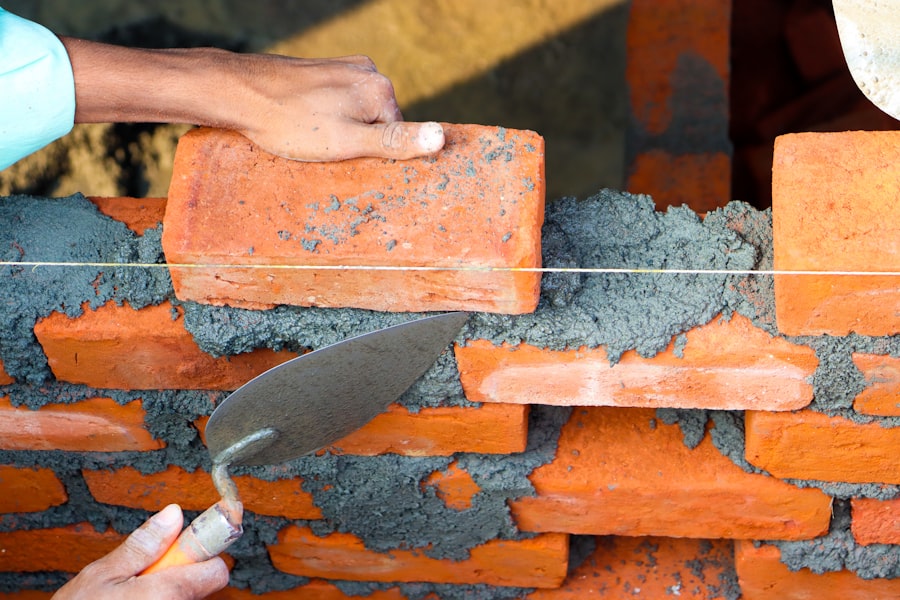
The construction phase, where the shaped stones were lifted, placed, and joined, represents the culmination of all prior efforts. This stage demanded exceptional coordination, engineering knowledge, and a profound understanding of how to manipulate immense weights.
The Challenge of the Vertical Ascent
Lifting massive stone blocks to significant heights posed one of the most formidable challenges for ancient builders. Without modern cranes, they devised ingenious solutions that relied on leverage, ramps, and sheer organized manpower.
The Ingenuity of Ramps
The ubiquitous presence of ramps, some of colossal dimensions, points to their crucial role in raising materials to higher levels. These could be straight, spiraling, or constructed from earth, rubble, and timber. The gradient of the ramps was carefully calculated to allow teams of laborers to haul heavy loads using ropes and sledges. The immense effort involved in constructing and maintaining these ramps is often overlooked in the study of ancient construction.
Levers, Pulleys, and Counterweights
While direct evidence is sometimes scarce, it is highly probable that ancient builders utilized rudimentary forms of levers, counterweights, and possibly early pulley systems for lifting and positioning stones. A lever could be used to pivot blocks into place or to raise them incrementally. Counterweights, strategically employed, could help to offset the weight of a lifted stone, reducing the force required. The principles of mechanical advantage were undoubtedly understood and applied.
Synchronized Labor and Communication
The smooth operation of lifting and placement relied on highly synchronized labor. Clear lines of command, standardized signals, and an understanding of teamwork were essential. The rhythmic chants and calls of foremen likely played a role in coordinating the efforts of hundreds, if not thousands, of workers.
The Foundation of Stability: In-Situ Shaping and Fitting
While many blocks were pre-shaped, some final adjustments and fitting were often done directly on the construction site. This allowed for extremely tight tolerances and ensured that each stone perfectly integrated with its neighbors.
Mortarless Construction and Dry Stone Techniques
Many magnificent ancient structures, particularly in their foundational elements or massive walls, were constructed using dry stone techniques. This involved meticulously shaping and fitting stones so precisely that they locked together, creating remarkably stable walls without the use of mortar. The weight of the stones themselves provided the necessary compression to hold the structure in place.
The Role of Mortar: A Binder and Filler
Where mortar was used, it was not merely a passive filler. Ancient mortars, often made from lime and volcanic ash (pozzolana in the case of Roman concrete), were remarkably strong and durable. They served to bind stones together, fill small gaps, and provide a degree of flexibility to the structure, absorbing minor movements. The precise composition of these mortars was a closely guarded secret and a testament to ancient material science.
Precision Placement and Interlocking Mechanisms
The final placement of each stone was an exercise in precision. Accurate positioning ensured structural integrity and contributed to the aesthetic harmony of the edifice.
Dowels and Clamps: Securing the Stones
In some instances, particularly in structures subjected to seismic activity or significant stress, dowels and clamps were used to further secure the stone blocks. Metal dowels, often made of iron or bronze, were inserted into pre-drilled holes that passed through adjacent stones, effectively locking them together. Clamps were also used to hold blocks in place during the setting of mortar or to secure them more permanently.
Keystone Principles in Arches and Vaults
The construction of arches and vaults, architectural marvels in their own right, relied on the precise placement of wedge-shaped stones called voussoirs. The central voussoir, the keystone, played a critical role in locking the arch together, distributing the weight and forces outwards to the supporting piers. This understanding of load distribution and stress management was a hallmark of advanced ancient engineering.
Materials Mastery: From Stone to Mortar
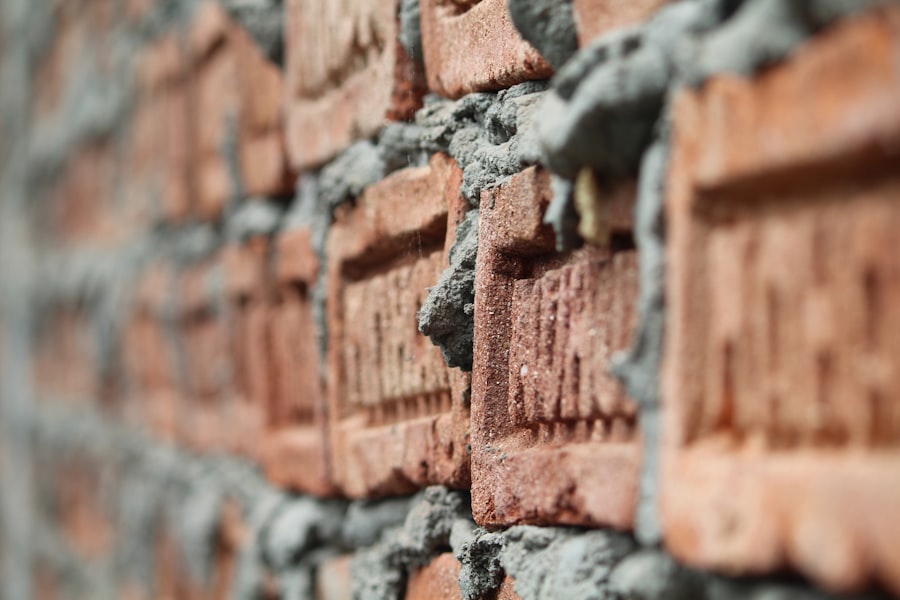
The success of ancient masonry was not solely dependent on technique; it was also intrinsically linked to a profound understanding and mastery of the materials used. The selection and preparation of stone, as well as the formulation of mortars and cements, were critical elements in creating structures that have endured for millennia.
The Alchemy of Lime-Based Mortars
The Romans, in particular, were masters of cement and mortar technology. Their development and widespread use of pozzolanic concrete revolutionized construction, allowing for the creation of structures of unprecedented scale and complexity.
The Discovery of Pozzolana
The volcanic ash known as pozzolana, found in regions like the Bay of Naples, possessed remarkable properties. When mixed with lime and aggregate, it reacted chemically to form a hydraulic cement, meaning it could set and harden even underwater. This was a game-changer, enabling the construction of harbors, bridges, and aqueducts on a scale previously unimaginable.
The Art of Mixing and Curing
The precise ratios of lime, pozzolana, aggregate (such as crushed brick or stone), and water were crucial for achieving the desired strength and durability. Ancient texts, such as Vitruvius’s De Architectura, provide valuable insights into these mixing practices. The curing process, allowing the mortar to set and harden over time, was also guided by experience and observation.
Beyond Mortar: Other Binding Agents and Adhesives
While lime-based mortars were prevalent, other binding agents and adhesives were also employed, particularly for specific applications or in regions where suitable materials were less abundant.
Gypsum Plasters and Their Uses
Gypsum, when heated, produces plaster of Paris, which can then be mixed with water to create a fast-setting plaster. While generally not as strong or durable as lime-based mortars for structural purposes, gypsum plasters were widely used for decorative finishes, interior wall coatings, and for sealing joints.
Natural Resins and Bitumen
In certain contexts, natural resins derived from trees or bitumen (a tar-like substance found in asphalt deposits) were used as binders or water-proofing agents. These were often employed for sealing canals, reinforcing joins, or for specialized decorative elements. Their use highlights the resourceful nature of ancient builders in utilizing whatever natural resources were available to them.
The Enduring Legacy of Material Science
The fact that so many ancient masonry structures still stand today is a testament to the fundamental soundness of the materials and techniques employed. While modern materials like Portland cement offer greater consistency and faster setting times, they often lack the long-term durability and resilience of well-executed ancient lime-based mortars. The study of these historical materials continues to inform modern material science, offering lessons in sustainability and longevity.
Ancient masonry techniques have long fascinated historians and architects alike, revealing the ingenuity of past civilizations in constructing enduring structures. For a deeper understanding of how these methods have influenced modern building practices, you might find it interesting to explore a related article that discusses the implications of historical construction techniques on contemporary economic scenarios. This article highlights how the principles of ancient masonry can inform current architectural challenges and economic resilience. To read more about this intriguing connection, visit this insightful piece.
Lost Arts and Enduring Inspirations
| Technique | Description |
|---|---|
| Ashlar Masonry | A technique using finely cut and squared stones for a smooth and uniform surface. |
| Rubble Masonry | Construction using undressed stones of irregular shapes and sizes. |
| Dressed Stone Masonry | Stones that are shaped and finished for a specific purpose in construction. |
| Opus Quadratum | A technique using large, squared stones laid in regular courses. |
The rediscovery and understanding of ancient masonry techniques are not merely academic exercises. They offer tangible lessons and profound inspiration for contemporary construction, urban planning, and our very relationship with the built environment. The “lost arts” of antiquity are in fact waiting to be rediscovered and reinterpreted.
Resurgence of Traditional Building Methods
In an era increasingly concerned with sustainability and environmental impact, there is a growing interest in traditional building methods. The principles of passive solar design, natural ventilation, and the use of locally sourced, renewable materials, so evident in ancient structures, are finding new relevance. Techniques like natural building, using earth, stone, and timber, draw directly from the wisdom of our ancestors.
Durability and Longevity as Design Goals
Modern construction often prioritizes speed and cost-effectiveness, sometimes at the expense of long-term durability. Ancient masonry, with its emphasis on careful material selection, meticulous craftsmanship, and robust construction, serves as a powerful reminder that true value lies in longevity. The enduring presence of ancient buildings compels us to reconsider our own design goals, aiming for structures that can stand for centuries, not just decades.
The Aesthetics of Imperfection and Character
There is a unique beauty and character to the handcrafted imperfections found in ancient stonework. The slight variations in stone texture, the subtle signs of tooling, and the patina of age all contribute to a sense of history and authenticity that is often missing in mass-produced modern buildings. This appreciation for the tactile and the imperfect can inform contemporary architectural design, fostering a deeper connection between people and their surroundings.
Lessons in Craftsmanship and Apprenticeship
The creation of ancient masonry wonders required a deep commitment to craftsmanship and a robust system of knowledge transfer. Long apprenticeships, where skills were passed down from master to novice over many years, ensured the perpetuation of these complex techniques.
The Value of Patience and Dedication
In our fast-paced world, the patience, dedication, and painstaking attention to detail that characterized ancient masonry can seem outmoded. However, these qualities are precisely what enabled the creation of such enduring and beautiful structures. Reintroducing these values into contemporary trades can lead to higher quality construction and a renewed respect for skilled labor.
Reviving the Master-Apprentice Model
The master-apprentice model, where hands-on learning and mentorship are paramount, is experiencing a revival in various craft sectors. By fostering such relationships, we can ensure that ancient techniques are not lost to time but are instead preserved, adapted, and carried forward by a new generation of skilled artisans.
A Blueprint for Resilient and Sustainable Futures
The ancient masonry traditions offer a compelling blueprint for building more resilient and sustainable futures. Their use of local materials, their understanding of passive climate control, and their focus on longevity all speak to principles that are more relevant today than ever before.
Harmonizing with the Environment
Ancient builders often worked in harmony with their natural surroundings, choosing sites that utilized natural topography and resources. This approach stands in stark contrast to some modern construction practices that can be disruptive to ecosystems. By studying ancient settlements, we can learn to integrate our built environments more sensitively and sustainably into the natural world.
The Enduring Power of Human Ingenuity
Ultimately, the secrets of ancient masonry techniques lie not in hidden formulas or forgotten technologies, but in the enduring power of human ingenuity, perseverance, and a deep understanding of the natural world. By continuing to explore, learn from, and celebrate these incredible achievements, we not only honor our past but also lay the groundwork for a more robust, beautiful, and sustainable future. The stones of antiquity continue to speak, offering profound lessons to those willing to listen.

The Walls That Shouldn’t Still Be Standing
FAQs
What are ancient masonry techniques?
Ancient masonry techniques refer to the methods and practices used by ancient civilizations to construct buildings and structures using stone, brick, and other materials. These techniques often involved precise cutting, shaping, and fitting of stones to create durable and long-lasting structures.
Which ancient civilizations were known for their masonry techniques?
Several ancient civilizations were known for their advanced masonry techniques, including the Egyptians, Greeks, Romans, and Incas. Each of these civilizations developed unique methods for quarrying, shaping, and assembling stone to create impressive architectural marvels.
What tools were used in ancient masonry techniques?
Ancient masons used a variety of tools to work with stone, including chisels, hammers, saws, and drills. They also utilized simple machines such as levers and pulleys to move and lift heavy stones into place.
What are some examples of ancient structures built using masonry techniques?
Some notable examples of ancient structures built using masonry techniques include the Great Pyramid of Giza in Egypt, the Parthenon in Greece, the Colosseum in Rome, and the stone walls of Sacsayhuaman in Peru. These structures showcase the skill and precision of ancient masons.
How have ancient masonry techniques influenced modern construction?
Many modern construction techniques and practices are based on the principles of ancient masonry. The use of stone, brick, and other masonry materials continues to be a fundamental aspect of architectural design and construction, with modern technology and tools enhancing the efficiency and precision of masonry work.