The enduring allure of ancient stone masonry lies not merely in its monumental scale or intricate beauty, but in the profound questions it poses about human ingenuity, lost knowledge, and the passage of time. From the colossal stones of Stonehenge to the precise cuts of Inca fortresses, these structures stand as silent testaments to civilizations that achieved feats now considered almost miraculous. Unlocking their secrets requires a multidisciplinary approach, delving into the geological origins of the materials, the engineering principles employed, and the societal frameworks that enabled such ambitious undertakings. It is a journey into the minds of our ancestors, piecing together clues from weathered rock and fragmentary evidence to understand how they transformed raw earth into enduring wonders.
The very stones that form the backbone of ancient structures are the first puzzle pieces in understanding their construction. The choice and procurement of these materials were not haphazard; they were deliberate decisions driven by availability, durability, and often, intended symbolism. Examining the geological makeup of ancient edifices reveals a deep understanding of the properties of different rock types and their suitability for specific construction purposes.
Quarrying Techniques: The Art of Extraction
The process of extracting massive stone blocks from the earth was a monumental undertaking in itself, predating the sophisticated machinery of modern times. Ancient masons developed ingenious methods to liberate these colossal pieces from their bedrock.
Leveraging Natural Fractures and Wedges
One of the most fundamental techniques involved identifying natural fissures and cracks within the rock. Wedges, often made of wood, would be hammered into these openings. When exposed to moisture, the wood would expand, exerting pressure that could split the stone. This required an intimate knowledge of the rock’s grain and stress points.
The Power of Fire and Water
Another method involved heating the rock surface with fires for extended periods. The rapid cooling of this heated rock, often achieved by dousing it with water, would cause thermal shock, leading to fracturing. This technique was particularly effective for certain types of stone and required careful control to avoid unwanted shattering.
Percussion and Pounding
For harder stones that resisted other methods, brute force played a role. Teams of laborers would use stone hammers or pounders to gradually wear away the rock surrounding a desired block, effectively isolating it from the quarry face. This was a time-consuming and labor-intensive process.
Transportation Challenges: Moving Mountains
Once quarried, the immense task of transporting these stone monoliths to their final destination began. This phase showcases the incredible organizational skills and understanding of physics that these ancient peoples possessed.
Leveraging Gravity and Inclined Planes
The use of natural gradients was a crucial element in stone transportation. Inclined ramps, constructed from earth, timber, or smaller stones, were built to guide the heavy blocks downhill. Levers were employed to initiate movement and steer the colossal cargo.
Waterways as Ancient Highways
For many civilizations, rivers and coastlines served as the most efficient transportation routes. If a quarry was located near navigable water, rafts or specially constructed barges would be employed to float the stones. This minimized the friction and effort required compared to overland transport.
The Role of Rollers and Sledges
On land, logs or rounded stones were often used as rollers placed beneath the stone blocks or sledges. Teams of men or draught animals would then pull these contraptions. Lubricants, such as water or animal fat, may have been used to reduce friction between the rollers and the ground. The sheer number of people required for such an operation speaks volumes about the communal effort involved.
Stone Types and Their Properties
The selection of stone was not arbitrary. Masons understood the inherent qualities of different rock types:
Granite: Strength and Durability
Granite, known for its immense strength and resistance to weathering, was a favored material for the most imposing structures. Its challenging quarrying and shaping properties meant that its use was reserved for sites of great significance.
Limestone: Workability and Availability
Limestone, often more readily available and easier to shape than granite, was another popular choice. Its relative softness allowed for intricate carving and detailed architectural elements.
Sandstone: Color and Texture
Sandstone offered a wider range of colors and textures, contributing to the aesthetic appeal of structures. Its porous nature, however, made it more susceptible to weathering over time.
Ancient stone masonry techniques have fascinated historians and archaeologists for centuries, as they reveal the advanced skills and knowledge of early civilizations. For a deeper understanding of how these techniques contributed to the rise and fall of various cultures, you can explore the article on the causes of failure in ancient civilizations. This article provides insights into the interplay between architectural practices and societal stability, shedding light on the importance of stone masonry in the context of historical development. To read more, visit this article.
Precision Engineering: The Art of Cutting and Fitting
The astonishing accuracy with which ancient stones were cut and fitted together is perhaps the most perplexing aspect of their masonry. The near-perfect joins, often achieved without mortar, suggest a level of precision that rivals modern machining.
Shaping the Giants: Tools and Techniques
The creation of these precise shapes relied on a deep understanding of abrasive forces and strategic striking.
The Use of Abrasives
The primary method for shaping and smoothing stone involved the use of abrasives. Sands of varying grit, combined with water, would be worked against the stone surface using harder tools. This gradual grinding process could achieve remarkable smoothness and sharpness of edges.
Hammer and Chisel: The Sculptor’s Touch
Harder stone tools, such as dolerite pounders and bronze or iron chisels (when available), were used to dress, shape, and carve the stone blocks. The skill of the mason lay in their ability to control the force and angle of their strike to achieve the desired form with minimal material loss.
Evidence of String and Plumb Bob
The use of simple yet effective measuring and leveling tools is evident in the consistent verticality and horizontality of ancient structures. String lines acted as guides for cutting and laying stones, while plumb bobs ensured vertical accuracy.
The Mystery of the Mortarless Joints
Perhaps the most debated topic in ancient stonemasonry is the creation of incredibly tight, mortarless joints. The precision required to achieve these gaps, often measured in millimeters, is astounding.
In-Situ Shaping and Fitting
It is theorized that many stones were not fully finished in the quarry or at a staging area. Instead, they were brought to the site in a rougher form and then meticulously shaped and fitted directly against their intended neighbors. This “in-situ” method would ensure a perfect match between each stone.
Trial and Error with Strategic Removal
This process likely involved a series of trials. A stone would be roughly placed, areas of contact marked, removed, and then ground down. This iterative approach, guided by visual inspection and tactile feedback, would gradually refine the fit to an extraordinary degree.
The Hypothesis of Heat Treatment
Some researchers have proposed that certain stones, particularly limestone, may have been subjected to controlled heat treatment. This could have altered their crystalline structure, making them more pliable or easier to shape with greater precision. However, evidence for widespread application of such techniques is still under investigation.
The Role of Natural Adhesion and Gravity
While mortar was not always used, the sheer weight of the stones themselves, combined with the incredibly precise fit, created a gravitational interlock that provided remarkable structural integrity. In some cases, natural geological properties of the stone itself might have contributed to slight adhesion.
Architectural Ingenuity: Structural Integrity and Design
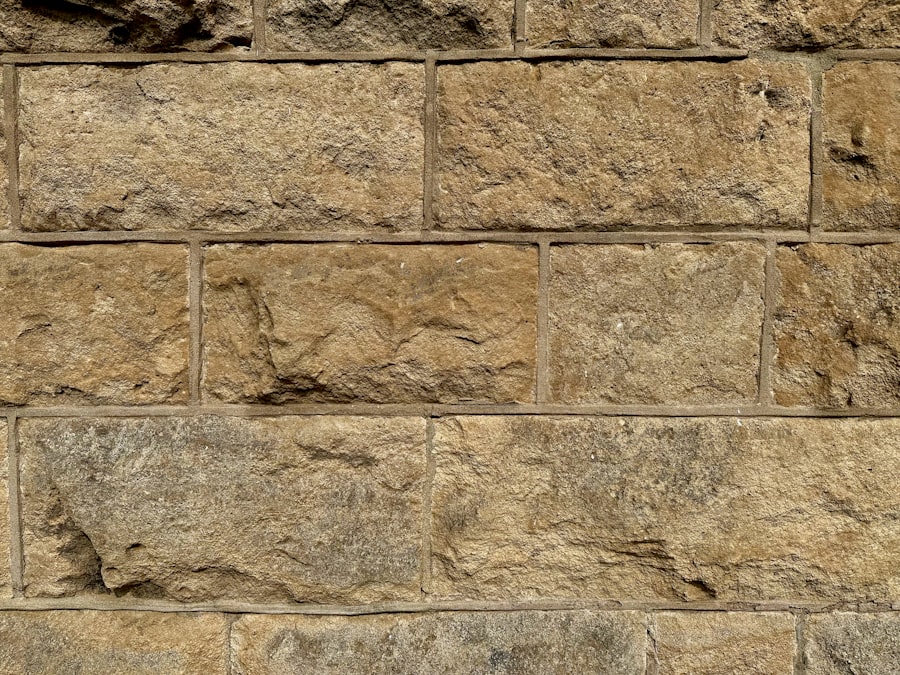
Beyond the individual stones, the way they are assembled into complex architectural forms speaks to a sophisticated understanding of structural mechanics and aesthetic principles. Ancient masons were not just builders; they were architects and engineers.
Load-Bearing and Stress Distribution
Ancient structures demonstrate an intuitive grasp of how to distribute weight and manage stress.
Understanding Arch and Vault Principles
Many cultures mastered the construction of arches and vaults, allowing for the creation of wider unsupported spans and more complex internal spaces. These shapes inherently channel forces downwards and outwards to the supporting walls.
The Power of Polygonal Masonry
The development of polygonal masonry, where stones are cut into irregular but interlocking shapes, showcases a sophisticated approach to load bearing. Each stone fits snugly against its neighbors, creating a robust and self-supporting structure.
Compression and Stability
The inherent strength of stone lies in its ability to withstand compression. Ancient builders expertly utilized this by stacking massive blocks in a way that maximized compressive forces, leading to remarkable stability.
Site Selection and Environmental Adaptation
The placement of these monumental structures was not arbitrary and often involved careful consideration of the surrounding environment.
Alignments with Celestial Bodies
Many ancient sites exhibit precise astronomical alignments, suggesting a deep understanding of celestial movements. These alignments might have served calendrical, religious, or navigational purposes.
Resisting the Elements
Structures were often designed to withstand seismic activity, flooding, or extreme weather conditions. The massive weight and interlocking nature of the stonework provided inherent stability against natural forces.
Integration with the Landscape
In many instances, ancient builders seamlessly integrated their structures with the natural landscape, utilizing existing geological features to their advantage and creating a harmonious relationship between human construction and the environment.
The Unseen Hand: Labor, Organization, and Society
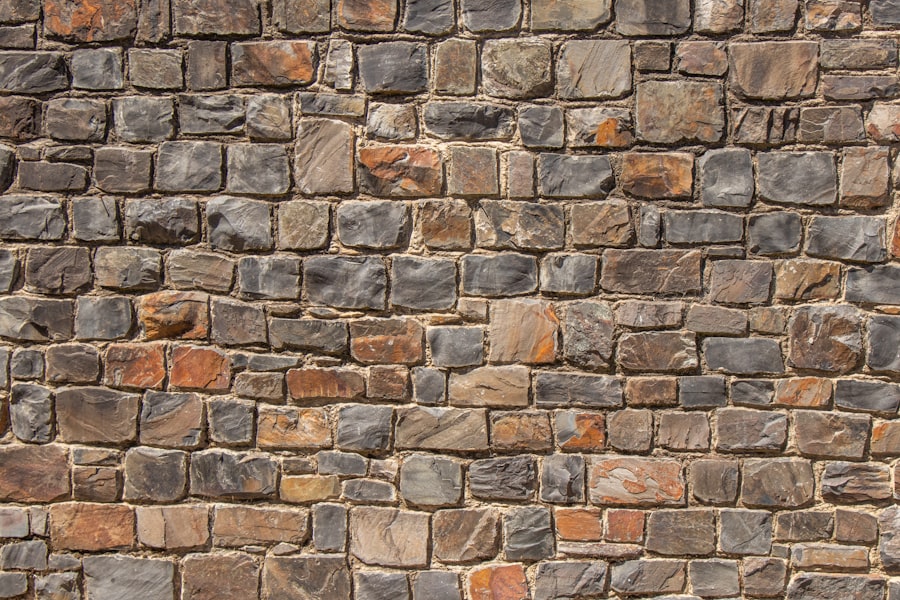
The construction of such massive and complex structures would have been impossible without a highly organized society capable of mobilizing and sustaining a significant workforce.
The Scale of Labor
The sheer manpower required to quarry, transport, and place these stones is staggering. It is estimated that hundreds, if not thousands, of individuals would have been involved in such projects.
Communal Effort and Specialized Skills
These building projects were likely undertaken as collective endeavors, with different segments of society contributing their labor. Specialized roles would have emerged, from quarry workers and transporters to stone cutters, shapers, and masons.
Motivation and Social Structures
The motivations behind such monumental undertakings varied. For some, it was religious devotion and the construction of temples. For others, it was defensive fortifications or grand tombs for rulers, serving to legitimize power and ensure remembrance. The social and political structures of these societies dictated the organization and direction of this labor.
The Question of “Lost” Knowledge
A persistent debate surrounds the possibility of “lost” knowledge. Did ancient masons possess techniques or understanding that we have since forgotten or have yet to fully rediscover?
The ‘How’ Versus the ‘Why’
We can often deduce the “how” – the methods and tools used. However, the “why” – the precise intentions, the cultural context, and the full extent of their scientific understanding – remains more elusive.
The Difficulty of Replicating Modern Capabilities
The absence of advanced machinery forces us to acknowledge the incredible feats achieved through ingenuity, patience, and deep practical knowledge. The idea that certain subtle understandings of material properties or subtle energetic interactions might have been lost is a captivating, though difficult-to-prove, hypothesis.
The Role of Oral Tradition and Apprenticeship
Much of this knowledge would have been passed down through generations via oral tradition and hands-on apprenticeship. The disruption of these traditions, through conquest, cultural shifts, or natural disasters, could have led to the loss of specific skills.
Ancient stone masonry techniques have fascinated historians and archaeologists for centuries, revealing the incredible craftsmanship of early civilizations. These methods not only showcase the ingenuity of our ancestors but also provide insights into the cultural significance of stone structures. For those interested in exploring how traditional practices influence modern industries, a related article discusses the rise of nearshoring and Mexico’s growing appeal in contemporary manufacturing. You can read more about it in this insightful piece on nearshoring.
Unlocking Future Insights: Modern Techniques and Ongoing Research
| Technique | Description |
|---|---|
| Dry Stone Masonry | A method of building using stone without any mortar to bind the stones together |
| Ashlar Masonry | A type of stone masonry which is made using finely dressed stones of same size and shape |
| Rubble Masonry | Construction using undressed stones that are irregular in shape and size |
| Cyclopean Masonry | Characterized by the use of massive stones, typically in a polygonal shape, without the use of mortar |
The study of ancient stone masonry is far from static. Modern scientific and technological advancements are continually revealing new layers of understanding.
Non-Destructive Analysis Techniques
The advent of non-destructive analytical techniques has revolutionized the study of ancient structures, allowing researchers to probe their secrets without causing damage.
Laser Scanning and 3D Modeling
Laser scanning and photogrammetry create highly detailed 3D models of ancient sites, capturing every surface and inclination. This allows for precise measurement, virtual reconstruction, and analysis of construction patterns.
Ground-Penetrating Radar (GPR)
GPR can penetrate the ground beneath structures, revealing buried features, foundations, or evidence of construction stages that are no longer visible.
Chemical Analysis of Stone and Residuals
Advanced chemical analysis can determine the provenance of the stone, identify tool marks with microscopic precision, and even detect traces of ancient binding agents or treatments.
Computational Modeling and Simulation
The principles of physics and engineering can be applied to ancient structures using computational modeling.
Stress and Strain Analysis
Engineers can simulate how ancient structures would have borne weight and responded to forces, validating or challenging theories about their stability and design.
Reconstruction of Construction Processes
Computer simulations can model the movement of stones and the stages of construction, offering insights into the practical challenges and solutions employed by ancient builders.
The Interdisciplinary Approach
The most significant advancements are achieved when geologists, archaeologists, engineers, physicists, and historians collaborate. Each discipline brings a unique perspective, contributing to a more holistic understanding.
The enduring legacy of ancient stone masonry is not just in the stones themselves, but in the enduring human drive to build, to create, and to leave an indelible mark on the world. By continuing to unlock their secrets, we not only gain a deeper appreciation for our ancestors but also inform our own future endeavors in construction, engineering, and our understanding of the human capacity for innovation. The silent stones whisper tales of ingenuity, perseverance, and a profound connection to the earth, inviting us to listen and learn.

The Walls That Shouldn’t Still Be Standing
FAQs
What are ancient stone masonry techniques?
Ancient stone masonry techniques refer to the methods and practices used by ancient civilizations to construct structures using stone as the primary building material. These techniques include quarrying, shaping, and fitting stones together to create durable and long-lasting structures.
Which ancient civilizations were known for their stone masonry techniques?
Several ancient civilizations were known for their advanced stone masonry techniques, including the Egyptians, Greeks, Romans, and Incas. Each of these civilizations developed unique methods for working with stone to create impressive architectural achievements.
What tools were used in ancient stone masonry techniques?
Ancient stone masons used a variety of tools to work with stone, including chisels, hammers, saws, and drills. These tools were typically made from metal, such as bronze or iron, and were used to quarry, shape, and carve stone blocks into the desired forms for construction.
What are some examples of ancient stone masonry structures?
Some notable examples of ancient stone masonry structures include the Great Pyramid of Giza in Egypt, the Parthenon in Greece, the Colosseum in Rome, and the stone walls of Saksaywaman in Peru. These structures showcase the skill and precision of ancient stone masons in creating enduring architectural marvels.
How have ancient stone masonry techniques influenced modern construction?
The techniques and principles developed by ancient stone masons continue to influence modern construction practices. Many of the methods for quarrying, shaping, and fitting stone are still used today, and the enduring durability of ancient stone structures serves as a testament to the effectiveness of these techniques. Additionally, modern architects and builders continue to draw inspiration from the impressive achievements of ancient stone masonry.