The African Humid Period represents a fascinating and pivotal chapter in Earth’s history, a time when vast swathes of what is now arid desert bloomed with verdant life. For scientists, unlocking the secrets of this period offers not just a glimpse into the past but also crucial insights into the planet’s climate sensitivity, the dynamics of ecosystems, and the potential for future environmental change. This era, characterized by widespread rainfall across regions that are currently hyper-arid, has captivated researchers for decades, prompting extensive study and ongoing debate.
The African Humid Period, often referred to as the Green Sahara or the African Megaoasis, wasn’t a single, monolithic event but rather a series of oscillating wet and dry phases primarily occurring between approximately 15,000 and 5,000 years ago. This period falls within the Holocene epoch, the current geological epoch that began about 11,700 years ago after the last glacial period. The transition from the last glacial maximum to the early Holocene marked a significant shift in global climate patterns, and Africa experienced some of the most dramatic transformations. During its peak, rainfall was abundant enough to sustain large lakes, meandering rivers, and lush savannas that stretched across the Sahara Desert and extended into outras regions like Arabia and the Sahel. This transformed landscape was capable of supporting diverse flora and fauna, including large mammals, and evidence suggests it was also home to burgeoning human populations.
Chronological Frameworks and Variability
Establishing precise timelines for the African Humid Period has been a complex undertaking, relying on a variety of paleoclimate proxies. Radiocarbon dating of organic materials, pollen analysis from sediment cores, and the study of lake sediments and speleothems (cave formations) have all contributed to building a chronological framework. However, the specific timing and intensity of wet phases varied geographically. While some regions experienced prolonged wetness, others may have seen more intermittent rainfall. Understanding this spatio-temporal variability is crucial for accurately reconstructing past climate dynamics and for making informed predictions about future climate scenarios. Scientists have identified distinct phases within the broader African Humid Period, each with its unique characteristics and regional expressions.
Proxies for Past Rainfall: Unraveling the Evidence
The evidence for the African Humid Period is compelling, derived from a diverse array of geological, biological, and archaeological proxies. The discovery of ancient lake shorelines, fossilized aquatic organisms, and sediment deposits indicating fluvial activity in currently arid regions paint a vivid picture of a wetter past. Pollen analysis reveals the presence of vegetation types that require significant moisture, such as grasses, trees, and aquatic plants, in areas now dominated by xerophytic species. The study of isotopes in water molecules and carbonate formations provides further clues about past precipitation levels and sources. Archaeological findings, including rock art depicting animals and scenes of human life that are incompatible with present-day desert conditions, offer a human perspective on this transformed environment.
The African Humid Period, a significant climatic phase that occurred during the Holocene, has garnered attention for its impact on the region’s ecosystems and human populations. For a deeper understanding of how climate changes can influence resource management and extraction strategies, you may find the article on China’s lunar resource extraction strategy insightful. It explores the implications of resource availability and environmental conditions, drawing parallels to how historical climate events like the African Humid Period shape current and future resource strategies. You can read more about it here: China’s Lunar Resource Extraction Strategy.
Drivers of the Green Sahara: Milankovitch Cycles and Hadley Cell Dynamics
The fundamental driver of the African Humid Period is believed to be changes in Earth’s orbital parameters, known as Milankovitch cycles. These cycles, which include variations in Earth’s axial tilt (obliquity), the eccentricity of its orbit around the Sun, and the precession of its equinoxes, influence the amount and distribution of solar radiation received by different parts of the planet. During the early to mid-Holocene, a specific alignment of these orbital parameters led to increased summer insolation in the Northern Hemisphere, including the Sahara. This amplified summer insolation had a profound impact on atmospheric circulation patterns, particularly the position and strength of the Intertropical Convergence Zone (ITCZ) and the Hadley Cell.
The Role of Insolation: A Warmer, Wetter North
The increased solar radiation in the Northern Hemisphere during the Holocene summer was a key catalyst for the African Humid Period. Warmer landmasses can lead to greater evaporation and increased atmospheric moisture. This amplified insolation directly influenced the expansion of the African monsoon system. The monsoon, a seasonal wind pattern that brings heavy rainfall, became more pronounced and extended further north than it does today. This northward shift of monsoon rains was the direct precursor to the “Green Sahara.”
Hadley Cell Intensification and ITCZ Migration
The Hadley Cell is a large-scale atmospheric circulation pattern that transports heat and moisture from the tropics towards the poles. During the Holocene, amplified Northern Hemisphere summer insolation likely led to an intensification of the Hadley Cell. This intensification caused the ITCZ, the region where the trade winds of the Northern and Southern Hemispheres converge, to shift northward. The northward migration of the ITCZ brought monsoon rains into regions that are now part of the Sahara Desert, turning an arid landscape into a region of abundant water and vegetation.
Ecosystem Transformations and Biodiversity Flourishing
The influx of moisture and the establishment of permanent water sources triggered a dramatic transformation of the Saharan ecosystem. Vast expanses of desert were replaced by savannas, grasslands, and even more densely vegetated areas. This ecological shift supported a rich and diverse array of flora and fauna, creating an environment vastly different from the arid desert we know today. The African Humid Period was a period of significant biodiversity, with many species that are now restricted to eastern or southern Africa potentially occupying a much broader range.
Flora: From Xerophytes to Lush Vegetation
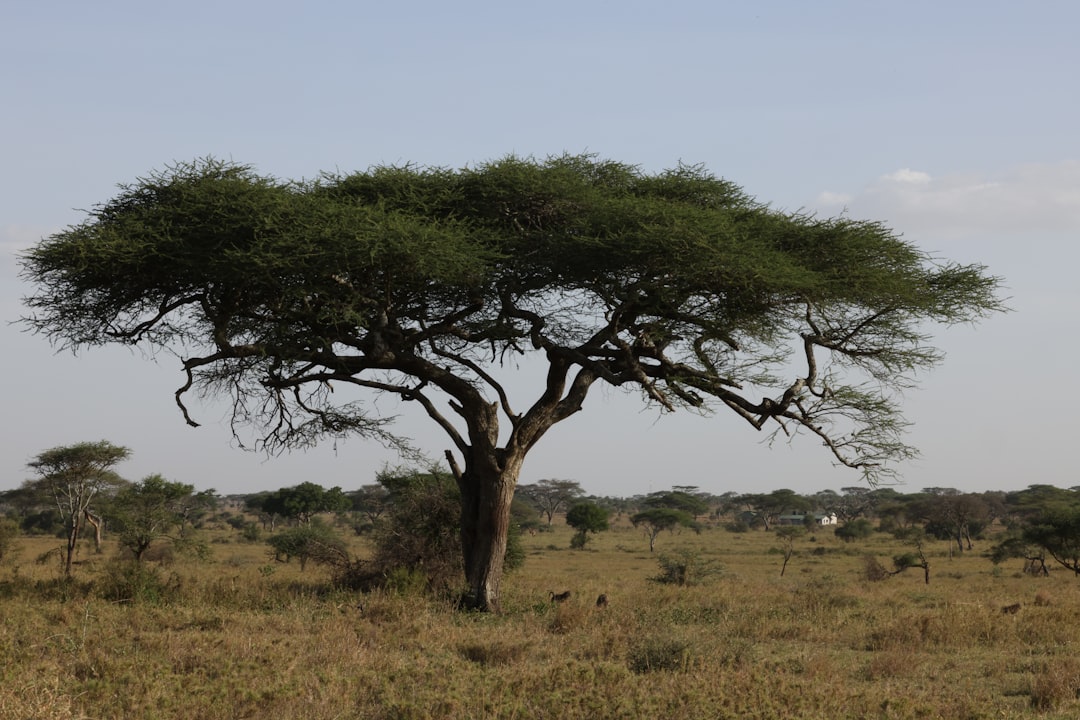
The vegetation types that characterized the African Humid Period were a stark contrast to the hardy, drought-resistant plants of today’s Sahara. Pollen records reveal the presence of grasses, sedges, and various tree species like acacia and balladites, indicating thriving savanna-like environments. Lakes and rivers were fringed with aquatic vegetation. This transformation of plant life provided the foundation for a complex food web, supporting a wide variety of animal life. The shift from xerophytic (drought-adapted) to mesophytic (moisture-loving) vegetation was a fundamental change that undergirded the entire ecosystem.
Fauna: Megafauna in the Desert Oasis
The abundance of water and vegetation supported a diverse and at times spectacular array of animals. Iconographic evidence in the form of rock art depicts a wide range of fauna, including large mammals like elephants, giraffes, rhinoceroses, hippopotami, antelopes, and even crocodiles. These animals were sustained by the plentiful vegetation and water sources. The presence of such megafauna in a region now synonymous with aridity is one of the most compelling pieces of evidence for the African Humid Period. The distribution of these animals would have been vastly different, with areas now devoid of life supporting thriving populations.
Human Civilizations and Adaptation in a Changing Landscape
The African Humid Period was not just a phenomenon of nature; it profoundly impacted human populations. The transformed landscape provided the resources necessary for the development and flourishing of human settlements. Archaeological evidence, including ancient settlements, tools, and rock art, indicates a significant human presence across regions that are now sparsely populated or uninhabitable. Humans adapted to this fertile environment, developing sophisticated subsistence strategies and creating rich cultural traditions.
Early Human Migrations and Settlement Patterns
The lush conditions of the Green Sahara likely facilitated early human migrations and settlement across the continent. Regions that were once barriers due to aridity became permeable, allowing for movement and dispersal. Archaeological sites dating to this period reveal a pattern of settlement around lakes, rivers, and other reliable water sources. These settlements were often strategically located to exploit the abundant natural resources, including game animals and edible plants. The widespread distribution of these sites suggests a significant and widespread human population.
Rock Art as a Window into Past Life
The rock art of the Sahara is a treasure trove of information, offering unparalleled insights into the lives, beliefs, and environments of people who lived during the African Humid Period. Paintings and engravings depict a world teeming with life, showcasing the diverse fauna mentioned earlier, as well as scenes of hunting, herding, dancing, and daily activities. The style and subject matter of the art evolve over time, reflecting changes in the environment and human societies. These artworks serve as a tangible link to a bygone era, allowing us to visualize a vibrant and dynamic past.
Subsistence Strategies and Technological Innovations
Human societies during the African Humid Period developed diverse subsistence strategies tailored to the abundant resources of their environment. Evidence suggests a shift from purely nomadic hunter-gatherer lifestyles to more settled patterns that may have included early forms of animal husbandry and even agriculture. The availability of stable water resources and fertile land would have allowed for the cultivation of crops. Technological innovations, such as improved tools for hunting and processing food, likely accompanied these changes in subsistence.
The African Humid Period, a fascinating epoch characterized by a significantly wetter climate across the Sahara, has drawn considerable interest from researchers studying ancient environments. This period not only transformed the landscape but also influenced human migration and settlement patterns. For those interested in the broader implications of ancient climates on human history, an insightful article can be found here, which delves into the secrets of ancient writings and their connection to historical climates. Understanding these ancient narratives can provide a deeper context for the changes experienced during the African Humid Period.
Lessons from the Green Sahara: Climate Sensitivity and Future Implications
| Metrics | Data |
|---|---|
| Duration of African Humid Period | Around 15,000 to 5,000 years ago |
| Increased precipitation | 2 to 3 times higher than present-day levels |
| Expansion of vegetation | Grasslands and forests expanded across the Sahara |
| Impact on human migration | Enabled human migration and development of civilizations in the region |
Studying the African Humid Period provides invaluable lessons about Earth’s climate system and its sensitivity to changes in orbital forcing and atmospheric composition. The dramatic transformation of the Sahara demonstrates the profound impact that even seemingly subtle shifts in solar insolation can have on regional and global climate. Understanding the feedback mechanisms that amplified these orbital influences, such as changes in vegetation cover and atmospheric moisture, is crucial for refining climate models.
Climate Model Validation and Feedback Mechanisms
The African Humid Period serves as a critical test bed for paleoclimate models. By comparing model simulations of past climate conditions with paleoclimate proxy data, scientists can validate the accuracy of these models and identify areas for improvement. Understanding the complex feedback mechanisms that operated during this period, such as the albedo effect of vegetation (how much solar radiation is reflected or absorbed) and the role of atmospheric moisture in intensifying rainfall, is essential for accurately predicting future climate change.
Aridification: The Reversal of the Green Sahara
Eventually, the orbital configurations that favored the African Humid Period began to shift. As Northern Hemisphere summer insolation decreased and the ITCZ migrated southward, the monsoon rains retreated, and the Sahara began its transition back to an arid desert. This aridification process was likely gradual but relentless, leading to the disappearance of lakes, the decline of vegetation, and the departure or extinction of many animal species. The rapid transformation from a verdant landscape to a hyper-arid desert highlights the dynamic nature of Earth’s climate.
Relevance to Modern Climate Change: A Cautionary Tale
The African Humid Period offers a powerful, albeit complex, cautionary tale in the context of modern climate change. While the drivers are different – primarily anthropogenic greenhouse gas emissions rather than orbital cycles – the potential for dramatic regional climate shifts and ecosystem transformations remains. Understanding how African ecosystems responded to past periods of significant climate change can provide insights into their vulnerability and resilience in the face of current warming trends. The study of the Green Sahara reminds us that even seemingly stable environments can undergo profound and rapid changes, with significant consequences for biodiversity and human societies. The lessons learned from unlocking the secrets of this ancient, humid Africa are more relevant today than ever before.

The Ancient World Buried Beneath the Sahara
FAQs
What is the African Humid Period?
The African Humid Period refers to a time period in the past, approximately 14,800 to 5,500 years ago, when the climate in North Africa was significantly wetter than it is today. This led to an increase in vegetation and the expansion of lakes and rivers in the region.
What caused the African Humid Period?
The African Humid Period was primarily caused by changes in the Earth’s orbit and tilt, which affected the distribution of sunlight and the intensity of the monsoon rains in North Africa. These changes led to increased rainfall and a more favorable climate for vegetation.
What impact did the African Humid Period have on the region?
The African Humid Period had a significant impact on the region, leading to the expansion of vegetation, the growth of lakes and rivers, and the migration of human populations. This period also supported the development of early human civilizations and the spread of agriculture in North Africa.
How is the African Humid Period studied by scientists?
Scientists study the African Humid Period using a variety of methods, including analyzing sediment cores from lakes and rivers, studying fossilized pollen and plant remains, and using climate models to simulate past environmental conditions. These methods help researchers understand the timing and causes of the African Humid Period.
What can the study of the African Humid Period tell us about climate change?
Studying the African Humid Period can provide valuable insights into the natural variability of the Earth’s climate and how it has changed over time. This information can help scientists better understand the potential impacts of future climate change and how it may affect regions like North Africa.