Unlocking White Sands’ History: Aquatic Plant Radiocarbon Dating
The vast, shimmering expanse of White Sands National Park, a mesmerizing landscape sculpted by wind and gypsum, holds secrets far older than its iconic dunes. For decades, archaeologists and scientists have pieced together the story of human presence within this arid environment, a tale of survival, adaptation, and resilience etched into the very earth. While human footprints and ancient tools have provided invaluable glimpses into the past, a revolutionary technique is now allowing researchers to peer even deeper into the prehistoric timelines of White Sands: aquatic plant radiocarbon dating. This method, by analyzing the carbon locked within the remains of ancient aquatic vegetation, offers a unique and precise way to date archaeological sites that were once submerged or influenced by water, unlocking a wealth of information about the earliest inhabitants of this now-desert landscape.
White Sands National Park, characterized by its gypsum dunes that stretch for miles, appears today as a stark desert. However, this seemingly inhospitable environment was not always so. Geological and paleoenvironmental evidence strongly suggests that during various periods in the past, particularly during the Pleistocene and early Holocene epochs, White Sands was a significantly wetter place. Ancient lakes, ephemeral streams, and marshy areas would have dotted the landscape, providing vital water sources and supporting a richer ecosystem. These wetter conditions would have been far more conducive to human settlement and survival.
The Challenge of Dating Ancient Sites
Dating archaeological sites is a cornerstone of understanding past human behavior. Traditional methods, such as stratigraphy (layering of soil and artifacts) and the analysis of associated artifacts, have been instrumental in building chronologies. However, these methods can be limited, especially in arid environments where erosion and redeposition can complicate stratigraphic interpretations. Furthermore, obtaining datable organic material directly associated with human activity can be challenging, leading to questions about the precise timing of human arrival and their movements within the region.
Footprints as a Starting Point
The discovery of human footprints preserved in ancient lakebed sediments at White Sands in the early 21st century provided a dramatic and tangible link to the park’s earliest human inhabitants. These footprints, dating back at least 20,000 years, offered undeniable proof of human presence during a period when the area was significantly wetter. While these footprints are invaluable, they primarily offer a point-in-time snapshot and do not directly provide detailed information about the duration or intensity of human occupation.
The Need for More Precise Chronologies
To truly understand the lives of these ancient peoples – when they arrived, how long they stayed, and how they interacted with their environment – scientists require more precise dating methods. Understanding the paleoenvironmental context in which these humans lived is also crucial. The availability of water, the types of flora and fauna present, and the climate all played significant roles in shaping human subsistence strategies and settlement patterns. This is where the groundbreaking application of aquatic plant radiocarbon dating at White Sands has proven to be a transformative tool.
Recent studies on aquatic plant radiocarbon dating at White Sands have provided intriguing insights into the region’s prehistoric ecosystems and human interactions. These findings are crucial for understanding the timeline of plant and animal life in the area. For a deeper exploration of how advanced knowledge and methodologies are being harnessed to unlock ancient wisdom, you can read more in this related article: Unlocking Ancient Wisdom: Harnessing Advanced Knowledge.
The Science of Radiocarbon Dating: A Foundation for Understanding
Radiocarbon dating, also known as carbon-14 dating, is a scientific method used to determine the age of organic materials. It relies on the radioactive decay of carbon-14 (¹⁴C), an isotope of carbon that is naturally present in the atmosphere and is incorporated into living organisms through photosynthesis and consumption.
The Principle of Carbon-14 Decay
When an organism dies, it stops taking in new carbon. The ¹⁴C within its tissues then begins to decay at a known and constant rate, with a half-life of approximately 5,730 years. This means that after 5,730 years, half of the original ¹⁴C will have decayed, and after another 5,730 years, half of the remaining ¹⁴C will have decayed, and so on. By measuring the ratio of ¹⁴C to stable carbon isotopes (¹²C and ¹³C) in a sample, scientists can calculate how much time has passed since the organism died.
Calibration: Refining the Timeline
The initial radiocarbon dates obtained directly from the decay rate are not absolute ages. This is because the concentration of ¹⁴C in the atmosphere has varied over time due to factors such as solar activity and changes in the Earth’s magnetic field. To account for these fluctuations, radiocarbon dates are calibrated using tree ring data (dendrochronology) and other high-resolution paleoclimate records. This calibration process converts raw radiocarbon years into calendar years, providing a more accurate and reliable age for the sample.
Limitations of Traditional Samples
Traditionally, radiocarbon dating has been applied to various organic materials, including wood, charcoal, bone, and shells. However, these samples are not always readily available at archaeological sites, or they may be contaminated or not directly associated with the human activity being studied. In arid environments like White Sands, the preservation of organic materials can be highly variable, further complicating the dating process.
Aquatic Plants: Unlocking a Unique Archive
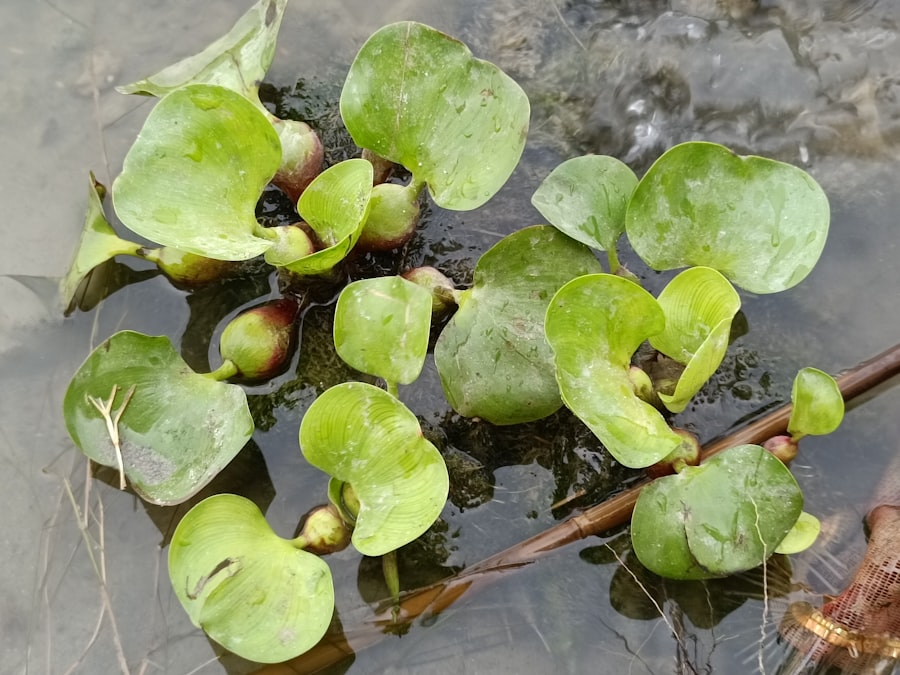
The key to the success of aquatic plant radiocarbon dating at White Sands lies in the unique ecological conditions that prevailed in the region for millennia. As ancient lakes and wetlands receded, they left behind layers of sediment rich in preserved organic matter, including the remains of aquatic plants that once thrived in these environments. These plants, having absorbed carbon from the surrounding water and atmosphere during their lifetime, serve as excellent archives of past environmental conditions and, importantly, of the timing of human interaction with these water bodies.
Why Aquatic Plants are Ideal
Aquatic plants are particularly well-suited for radiocarbon dating in this context for several reasons:
- Abundant Preservation: In the anaerobic (oxygen-poor) conditions of ancient lakebeds and marsh sediments, organic matter, including plant tissues, can be remarkably well-preserved over long periods. This ensures a plentiful supply of suitable material for dating.
- Direct Link to Paleoenvironments: The types of aquatic plants found at a site can provide valuable information about the paleoenvironment – whether it was a shallow lake, a deep lake, a marsh, or a fluctuating water body. This environmental context is crucial for understanding the resources available to ancient humans.
- Association with Human Activity: Archaeological sites in White Sands are often found in proximity to ancient water sources. The presence of aquatic plant remains within or immediately adjacent to these sites suggests a direct relationship with the environments that humans relied upon.
- Minimizing “Old Carbon” Reservoir Effects: While not entirely immune, aquatic plants can sometimes be less susceptible to the “old carbon” reservoir effect that can affect dating of marine shell or some deep-water aquatic organisms. This is because their carbon sources are often more directly linked to the contemporary atmospheric reservoir.
Types of Aquatic Plants Utilized
Researchers have identified and analyzed a variety of aquatic plant remains for radiocarbon dating at White Sands. These can include:
- Seeds and Fruits: Small, durable parts of plants that are easily preserved and identifiable.
- Pollen and Phytoliths: Microscopic remnants that can indicate the presence of specific plant species.
- Leaf and Stem Fragments: Larger pieces of plant material that can provide more substantial samples for dating.
- Root Systems: Embedded in the sediment, root systems can offer direct evidence of plant growth in specific locations.
The Process of Sample Collection and Preparation
The process of utilizing aquatic plant radiocarbon dating involves meticulous fieldwork and laboratory analysis.
Fieldwork: Careful Excavation and Selection
Archaeologists and paleoecologists carefully excavate sediment cores and archaeological strata, paying close attention to the geological context and the association of artifacts with organic materials. Identifying and carefully collecting samples of aquatic plant remains requires a keen eye and an understanding of botanical identification. The goal is to collect samples that are clearly associated with the archaeological layer of interest and are as uncontaminated as possible.
Laboratory Preparation: Cleaning and Extraction
Once collected, the plant samples undergo rigorous laboratory preparation. This involves:
- Physical Cleaning: Removing any extraneous material, such as modern rootlets, soil particles, or animal remains.
- Chemical Pretreatment: Using a series of chemical washes (e.g., acid and alkali treatments) to remove humic acids and other contaminants that could lead to inaccurate dates. This step is critical for isolating the pure carbon component of the plant material.
- Graphitization: For Accelerator Mass Spectrometry (AMS) dating, the carbon is converted into a graphite target. AMS is a highly sensitive technique that can date very small samples.
Integrating Aquatic Plant Dates with Archaeological Evidence
The true power of aquatic plant radiocarbon dating at White Sands emerges when these dates are integrated with other archaeological evidence, such as the human footprints and artifacts. This integration allows for a more nuanced understanding of human occupation and their relationship with the dynamic paleoenvironments of the region.
Dating the Footprints: A Quantum Leap in Chronology
One of the most significant applications of this technique has been in refining the age of the famous human footprints. By dating aquatic plant remains found in the same sediment layers as the footprints, scientists have been able to corroborate and further constrain the chronological estimates for these ancient individuals. This has provided a more robust understanding of when humans were present in White Sands during the late Pleistocene, a critical period of environmental change.
Understanding Settlement Patterns and Resource Use
By dating aquatic plant remains from different layers within archaeological sites, researchers can reconstruct the sequence of human occupation and how people utilized aquatic resources over time. If a site shows evidence of human activity alongside datable aquatic plant remains, it suggests that humans were present and exploiting the resources of those watery environments during the period indicated by the plant’s age.
Chronological Framework for Lithic Assemblages
The lithic (stone tool) assemblages found at White Sands sites can now be placed within a more precise chronological framework thanks to aquatic plant dating. This allows archaeologists to study the evolution of tool technologies and understand how they changed in response to environmental shifts and human adaptation over millennia.
Reconstructing Paleoenvironmental Conditions
The types of aquatic plants identified at different depths within sediment cores, when coupled with their radiocarbon dates, provide a detailed paleoenvironmental record. This allows researchers to reconstruct the history of the ancient lakes and wetlands, including periods of high water, low water, and salinity. Understanding these environmental fluctuations is crucial for understanding the carrying capacity of the landscape for human populations.
Investigating Paleoindian and Archaic Period Occupations
White Sands has yielded evidence of both Paleoindian (early hunter-gatherer) and Archaic period occupations. Aquatic plant radiocarbon dating is instrumental in distinguishing between these periods and understanding the transition between them. It helps to establish when human populations first arrived and how their settlement strategies may have evolved as the climate and environment changed.
Defining Occupation Spans
By dating multiple samples of aquatic plants from different layers within a single site, researchers can establish the duration of human occupation in a particular area. This moves beyond simply identifying the presence of humans to understanding the extent to which they utilized a resource-rich environment.
Identifying Seasonal Use
In some cases, the types of aquatic plants preserved can offer clues about the season in which they were collected or grew. For instance, the presence of plants associated with flowering or fruiting seasons can hint at the seasonality of human presence.
Recent studies on aquatic plant radiocarbon dating at White Sands have provided intriguing insights into the region’s prehistoric ecosystems and their relationship with early human activity. These findings align with broader discussions about environmental changes and their impact on human settlements, as explored in a related article about Mexico’s strategic development plans. For a deeper understanding of how these historical contexts intersect with modern development, you can read more in this article.
Challenges and Future Directions
| Sample ID | Radiocarbon Age (years) | Depth (cm) |
|---|---|---|
| WP-1 | 1230 | 50 |
| WP-2 | 1890 | 75 |
| WP-3 | 1450 | 60 |
While aquatic plant radiocarbon dating has revolutionized our understanding of White Sands’ ancient history, the method is not without its challenges. Continued research and technological advancements promise to further refine our ability to unlock the park’s deep past.
Addressing Potential Contaminants
Despite rigorous pretreatment, the possibility of contamination, especially in ancient sediments, always exists. Modern rootlets, reworked organic material, or even groundwater carrying dissolved carbon can potentially skew radiocarbon dates. Ongoing research focuses on developing even more effective cleaning and pretreatment protocols.
The “Old Carbon” Reservoir Effect
In some aquatic environments, especially those with significant inputs of ancient carbon from geological sources (like groundwater leaching through limestone), the “old carbon” reservoir effect can be a concern. Aquatic plants growing in such environments may incorporate this older carbon, leading to dates that are older than the true age of the organism. Careful analysis of the specific hydrogeology and isotopic signatures of the samples can help identify and account for this effect.
Expanding the Chronological Reach
While radiocarbon dating is effective for dating materials up to around 50,000 years old, the earliest human occupations in some regions may predate this limit. Researchers are exploring complementary dating techniques that can extend the chronological reach further back in time, allowing for a more comprehensive understanding of human presence in White Sands.
High-Resolution Paleoenvironmental Reconstruction
Future research will likely focus on obtaining even higher-resolution paleoenvironmental data from aquatic plant remains. Analyzing stable isotopes within plant tissues, for example, can provide detailed information about past rainfall patterns, temperature, and water salinity, offering a more nuanced picture of the environmental conditions faced by ancient peoples.
The Integration of Multiple Dating Techniques
The most robust understanding of White Sands’ history will come from the integration of aquatic plant radiocarbon dating with other scientific methods. This includes luminescence dating (which dates the last time sediment grains were exposed to sunlight), OSL (Optically Stimulated Luminescence), and ESR (Electron Spin Resonance) dating of animal bones and teeth, as well as detailed geological and geomorphological analyses.
The ongoing application of aquatic plant radiocarbon dating at White Sands National Park is a testament to the power of scientific innovation in revealing the hidden narratives of our planet’s past. This technique, by providing precise chronologies for ancient aquatic environments and their relationship with human activity, is not merely dating old plants; it is unlocking the story of early human survival and adaptation in one of North America’s most iconic and historically significant landscapes. As research continues, the shimmering dunes of White Sands will undoubtedly yield further revelations, painting an ever more detailed and captivating portrait of the people who once called this evolving landscape home.

These Footprints Could Rewrite the Story of the First Americans
FAQs
What is aquatic plant radiocarbon dating?
Aquatic plant radiocarbon dating is a method used to determine the age of aquatic plants by analyzing the amount of carbon-14 present in the plant’s tissues.
How is aquatic plant radiocarbon dating used at White Sands?
At White Sands, aquatic plant radiocarbon dating is used to study the history of the area’s hydrological changes and the formation of the lakes and wetlands.
What information can be obtained from aquatic plant radiocarbon dating at White Sands?
By using aquatic plant radiocarbon dating, researchers can obtain valuable information about the timing of past environmental changes, the duration of wet and dry periods, and the impact of climate change on the region.
Why is aquatic plant radiocarbon dating important for understanding the history of White Sands?
Aquatic plant radiocarbon dating is important for understanding the history of White Sands because it provides insights into the region’s past climate, hydrology, and ecological dynamics, which are crucial for conservation and management efforts.
What are the limitations of aquatic plant radiocarbon dating at White Sands?
Limitations of aquatic plant radiocarbon dating at White Sands include potential contamination of samples, the need for accurate calibration of radiocarbon dates, and the reliance on suitable plant materials for analysis.