The allure of uncovering one’s ancestral past has long captivated individuals, driving a persistent curiosity about where they come from. For centuries, this quest relied on dusty archives, meticulous genealogical research, and often, fragmented family lore. However, the advent of direct-to-consumer DNA testing has revolutionized the field of family tree research, offering a powerful and accessible tool for unlocking profound insights into one’s roots. This scientific approach moves beyond the traditional documentary trail, delving into the very blueprint of heritage etched within our DNA.
## The Genetic Compass: How DNA Testing Guides Ancestral Discovery
The science behind DNA testing for genealogical purposes is surprisingly straightforward yet remarkably potent. It hinges on analyzing specific markers within an individual’s genetic code that are passed down through generations. These markers, often referred to as Single Nucleotide Polymorphisms (SNPs), are like unique ancestral breadcrumbs, allowing researchers to trace lineage back through paternal and maternal lines. When an individual submits a DNA sample, typically saliva or a cheek swab, to a testing company, the genetic material is analyzed, identifying millions of these SNPs. These identified SNPs are then compared against vast reference databases compiled by the testing companies. These databases consist of DNA profiles from individuals who have also tested and opted to share their data, as well as from populations with known genetic origins. The comparison reveals patterns of shared DNA, indicating relationships and ancestral origins.
### Autosomal DNA: The Broadest Ancestral Sweep
The most common type of DNA test for genealogical purposes is the autosomal DNA test. This type of DNA is inherited from both parents, and consequently, from all of an individual’s ancestors. Autosomal DNA is inherited in chunks, and the size of these chunks decreases with each generation. This means that while a great-grandparent might contribute 12.5% of an individual’s DNA, a great-great-grandparent will contribute approximately 6.25%, and so on. Autosomal DNA tests can trace ancestry back approximately five to seven generations, offering insights into a broad spectrum of ancestral connections across all branches of a family tree. The results are typically presented as ethnicity estimates, breaking down an individual’s heritage into percentages assigned to various geographic regions or ethnic groups. Beyond ethnicity, autosomal DNA is also crucial for identifying living relatives. By comparing an individual’s DNA with others in the testing company’s database, close and distant cousins can be identified. These matches are typically presented with a shared DNA amount in centimorgans (cM), a unit of genetic distance. The higher the cM count, the closer the genetic relationship is likely to be.
### Y-DNA and mtDNA: Following the Direct Ancestral Lines
While autosomal DNA provides a comprehensive overview, Y-DNA and mitochondrial DNA (mtDNA) tests offer a more focused, linear approach to tracing specific ancestral lines. Y-DNA is exclusively found in males and is passed down from father to son, virtually unchanged. Therefore, Y-DNA testing can trace a direct paternal lineage back thousands of years. This is particularly valuable for researching a father’s father’s father’s line. The results of Y-DNA tests can pinpoint haplogroups, which are large groups of people who share a common paternal ancestor. These haplogroups have distinct geographic origins and migration paths, providing a powerful tool for understanding deep ancestral movements. Similarly, mtDNA is inherited from the mother and passed down to all her children. mtDNA testing traces a direct maternal lineage, from mother to daughter to son, and so on, also back thousands of years. Like Y-DNA, mtDNA analysis reveals haplogroups, but these represent maternal ancestral origins. These tests are invaluable for individuals seeking to connect with extremely distant maternal relatives or to understand the ancient journeys of their maternal ancestors. It is important to note that Y-DNA testing requires a male participant, and mtDNA testing can be performed by both males and females, though it traces the maternal line.
If you’re interested in exploring the connections between DNA testing and family tree research, you might find this article insightful: Is the Government Coming for Your Gold?. While the article primarily discusses financial security and government policies, it also touches on the importance of understanding one’s heritage and the role of genetic testing in uncovering family histories. This intersection of personal identity and modern technology can provide a deeper understanding of our roots and how they shape our present.
## Beyond Ethnicity: Unveiling Family Connections and Stories

The true power of DNA testing for family research lies not just in revealing broad ethnic origins but in its ability to forge tangible connections with living relatives and to breathe life into ancestral narratives. While ethnicity estimates provide a fascinating glimpse into heritage, the identification of DNA matches often proves to be the most impactful outcome for genealogists. These matches act as signposts, pointing towards individuals who share a common ancestor with the test-taker. The process of deciphering these matches requires careful consideration of the shared DNA amount and the potential relationships suggested by the testing company’s algorithms.
### Navigating the Maze of DNA Matches
When a DNA test is taken, the results will typically include a list of individuals who share a significant amount of DNA. These are potential relatives. The number of matches can range from a handful to thousands, depending on the size of the testing company’s database and the individual’s family tree. The initial step in working with these matches involves understanding the suggested relationship provided by the testing company. For example, a match might be categorized as a “close family member” or a “3rd-5th cousin.” However, these are estimations, and further investigation is often required. The amount of DNA shared, measured in centimorgans (cM), is a crucial factor. Different amounts of shared cM correspond to different probabilities of specific familial relationships. For instance, sharing around 700-1300 cM often suggests a parent-child, sibling, or grandparent-grandchild relationship, while lower cM values indicate more distant connections.
### Bridging Gaps and Filling in the Blanks
Once a promising match is identified, the next step is to collaborate with them to build a more complete picture of the shared ancestry. This often involves comparing family trees. If the match has a public or shared family tree, the genealogist can examine it for familiar surnames, locations, and dates. The goal is to identify the most recent common ancestor (MRCA). Sometimes, the connection is immediately apparent. Other times, it requires careful cross-referencing of information. This collaborative effort can be incredibly rewarding, as it can help fill in gaps in one’s own research, confirm existing theories, or even uncover entirely new branches of the family tree that were previously unknown. For example, a DNA match might be a descendant of a sibling of a known great-grandparent, providing access to a wealth of new genealogical data and stories.
### Uncovering Hidden Histories and Stories
The collaborative aspect of DNA testing extends beyond simply confirming relationships. It offers a unique opportunity to uncover hidden family histories and forgotten stories. A distant cousin might possess old family photographs, letters, or diaries that have been passed down through their line. These artifacts can provide invaluable context and personal narratives to supplement the factual data gathered through traditional genealogical research. Imagine discovering a photograph of a great-aunt whose existence you were unaware of, or reading a letter that sheds light on a family’s migration journey. These discoveries transform abstract ancestral lines into living, breathing individuals with their own experiences and legacies. Furthermore, DNA matches can sometimes reveal NPEs (non-paternity events) or adoptions that were not previously known within a family, leading to significant and sometimes emotional revelations that reshape an individual’s understanding of their lineage.
## Strategic Implementation: Maximizing Your DNA Testing Journey

Embarking on a DNA testing journey for family research requires a strategic approach to maximize the insights gained. Simply submitting a sample without a clear plan can lead to a wealth of data that may feel overwhelming or difficult to interpret. A well-thought-out strategy ensures that the results are effectively utilized to achieve specific genealogical goals. This involves understanding the different types of tests available, choosing the right testing company, and developing a plan for interpreting and utilizing the obtained information.
### Choosing the Right Testing Company and Test Type
The decision of which DNA testing company to use is a significant one, as each company maintains its own unique database and offers different testing options. Companies like AncestryDNA, 23andMe, MyHeritage DNA, and Family Tree DNA are among the most popular. Factors to consider include the size of their customer database (larger databases generally yield more matches), the breadth of their ethnicity estimations, their tools for comparing matches and building family trees, and their privacy policies. For those primarily interested in broad ethnic origins and a large pool of potential relatives, AncestryDNA or 23andMe might be ideal. For individuals with a strong interest in deeper ancestral migrations and haplogroup analysis, Family Tree DNA offers specialized Y-DNA and mtDNA testing. MyHeritage DNA is known for its strong presence in European ancestry and its extensive historical record databases. It is also possible to test with multiple companies to broaden the pool of potential matches, though this involves additional costs.
### Building a Foundational Family Tree
Before diving deep into DNA results, having a foundational family tree is highly recommended. This existing research, even if it’s just a few generations back, provides a framework for understanding the DNA matches that will be discovered. By knowing the names, dates, and locations of ancestors, it becomes much easier to identify the common ancestors with DNA matches. This foundational tree acts as a roadmap, guiding the interpretation of genetic connections and helping to prioritize which matches to investigate further. It allows for a more informed approach to connecting DNA findings with established genealogical documentation.
### The Art of Triangulation and Phased Results
To truly leverage DNA results, understanding advanced interpretation techniques is beneficial. Triangulation is a vital concept, especially when dealing with DNA matches. It involves identifying three individuals who all share the same segment of DNA. If person A matches person B, and person A also matches person C, and further investigation reveals that person B and person C also match each other and share the same DNA segment with person A, then this segment is considered “triangulated.” This triangulated segment can be attributed to a specific common ancestor shared by all three individuals. This method is particularly powerful for confirming relationships and attributing DNA segments to specific branches of the family tree. Phased results, often available through services that allow users to upload their raw DNA data from one company to another, can further refine analysis. Phasing attempts to determine which parent contributed which specific DNA segment, offering a more granular understanding of inheritance patterns and potential ancestral origins within the parent and maternal lines.
## Ethical Considerations and Data Privacy in Genetic Genealogy
As DNA testing for family research becomes more widespread, it is crucial to address the ethical implications and the paramount importance of data privacy. The genetic information we share is deeply personal and can have far-reaching consequences for ourselves and our relatives. Responsible engagement with DNA testing necessitates a thorough understanding of these considerations.
### Informed Consent and Data Sharing Policies
When individuals submit their DNA for testing, they are agreeing to the terms and conditions of the testing company, which include their data sharing policies. It is essential to read and understand these policies carefully. Key questions to consider include: Who owns the DNA data? How is it stored and protected? With whom is it shared? Can it be accessed by law enforcement or other third parties? Most reputable companies require explicit consent for data sharing beyond basic match identification. Many also offer options for users to control the visibility of their profiles and to opt out of research initiatives. For those testing children, obtaining informed consent from a legal guardian is a critical ethical requirement. Transparency from testing companies about their data handling practices is vital for building trust and ensuring users can make informed decisions.
### The Broader Implications of Genetic Discoveries
DNA testing can uncover unexpected and sometimes sensitive information, not just about the test-taker but also about their extended family. Discoveries of previously unknown half-siblings, adoptions, or even ancestral connections to different ethnic groups than previously believed can arise. These revelations can be emotionally complex and may necessitate sensitive conversations with family members. It is important to be prepared for such possibilities and to approach these discoveries with empathy and understanding. The impact of genetic information can extend beyond the individual, affecting familial relationships and personal identities. Responsible sharing of information, with the consent of those involved, is paramount.
### Protecting Your Genetic Footprint
Safeguarding one’s genetic data is an ongoing responsibility. Beyond understanding company policies, individuals can take proactive steps. This includes using strong, unique passwords for online accounts associated with DNA testing services and enabling two-factor authentication whenever possible. Periodically reviewing privacy settings and opting out of any unnecessary data sharing or research programs are also advisable. For those who wish to remove their data entirely, understanding the process for data deletion with each testing company is important. While genetic information can be a powerful tool for self-discovery, it should be treated with the same care and diligence as any other sensitive personal data.
DNA testing has become an invaluable tool for those delving into family tree research, allowing individuals to uncover their ancestral roots with remarkable accuracy. For those interested in exploring the implications of such advancements in genealogy, a fascinating article discusses the broader themes of ownership and territory, which can be metaphorically linked to our understanding of heritage. You can read more about this intriguing perspective in the article found at this link.
## The Future of Genetic Genealogy: Innovations and Possibilities
| Metric | Description | Typical Range/Value | Relevance to Family Tree Research |
|---|---|---|---|
| Test Types | Types of DNA tests used for genealogy | Autosomal, Y-DNA, mtDNA | Different tests reveal different ancestral lines and relationships |
| Markers Tested | Number of genetic markers analyzed | Autosomal: 700,000+ SNPs; Y-DNA: 37-111 STR markers; mtDNA: Full mitochondrial genome | Higher marker count increases accuracy and detail of matches |
| Match Accuracy | Probability that a DNA match is a true relative | Typically 99%+ for close relatives | Ensures reliability of family connections |
| Ethnicity Estimate Accuracy | Confidence level in ethnicity breakdown | Varies by company; generally 70-90% accuracy | Helps identify ancestral origins and migration patterns |
| Database Size | Number of individuals in testing company’s database | Millions (e.g., 20M+ for major providers) | Larger databases increase chances of finding relatives |
| Turnaround Time | Time from sample submission to results | 3-8 weeks | Impacts how quickly research can progress |
| Cost Range | Typical price for DNA testing kits | 50 – 150 (currency excluded) | Determines accessibility for researchers |
| Privacy Options | Controls over data sharing and anonymity | Opt-in/opt-out for matching and research | Important for ethical considerations and user control |
The field of genetic genealogy is not static; it is a dynamic and rapidly evolving area driven by scientific advancements and increasing public interest. What began as a niche pursuit is now a mainstream phenomenon, and the future promises even more sophisticated tools and deeper insights into our ancestral past. The synergy between technological innovation and genealogical exploration is creating exciting new avenues for discovery.
### Advancements in DNA Analysis and Interpretation
Ongoing research in genomics is leading to more refined DNA analysis techniques. This includes improved algorithms for ethnicity estimations, allowing for more granular and accurate breakdowns of ancestral origins. The ability to identify ancestral segments with greater precision is also advancing, making it easier to pinpoint specific ancestors and family lines. Furthermore, the development of advanced clustering tools within genealogical platforms allows users to group their DNA matches more effectively, helping to sort through large numbers of matches and identify potential family branches more efficiently. Future developments may also include the ability to analyze other types of genetic data, such as epigenetics, which can provide insights into environmental influences on gene expression across generations.
### Integration with Historical Records and Other Data Sources
The true power of DNA testing is amplified when it is integrated with traditional genealogical research and historical records. The future will likely see even more seamless integration between DNA databases and extensive archives of historical documents, such as census records, birth, marriage, and death certificates, and passenger lists. This fusion will allow for a more comprehensive understanding of ancestral lives, moving beyond genetic connections to encompass the social, economic, and cultural contexts of our forebears. The use of artificial intelligence and machine learning will likely play a significant role in sifting through vast datasets to find correlating information between genetic matches and historical records, thereby accelerating the process of building accurate family trees.
### Ethical and Societal Impact of Widespread Genetic Knowledge
As genetic genealogy becomes more accessible and integrated into mainstream society, its ethical and societal impacts will continue to be a subject of discussion and development. The potential for genetic information to influence medical decisions, understand predispositions to certain health conditions, and even impact aspects of identity will become more pronounced. This raises important questions about genetic literacy, the responsible use of genetic information, and the potential for genetic discrimination. Educational initiatives and robust ethical frameworks will be crucial to navigating these evolving landscapes, ensuring that the pursuit of ancestral knowledge benefits individuals and society as a whole, while upholding respect for privacy and individual autonomy. The ongoing dialogue surrounding these issues will shape the future trajectory of genetic genealogy, ensuring its continued growth as a tool for profound personal and familial discovery.
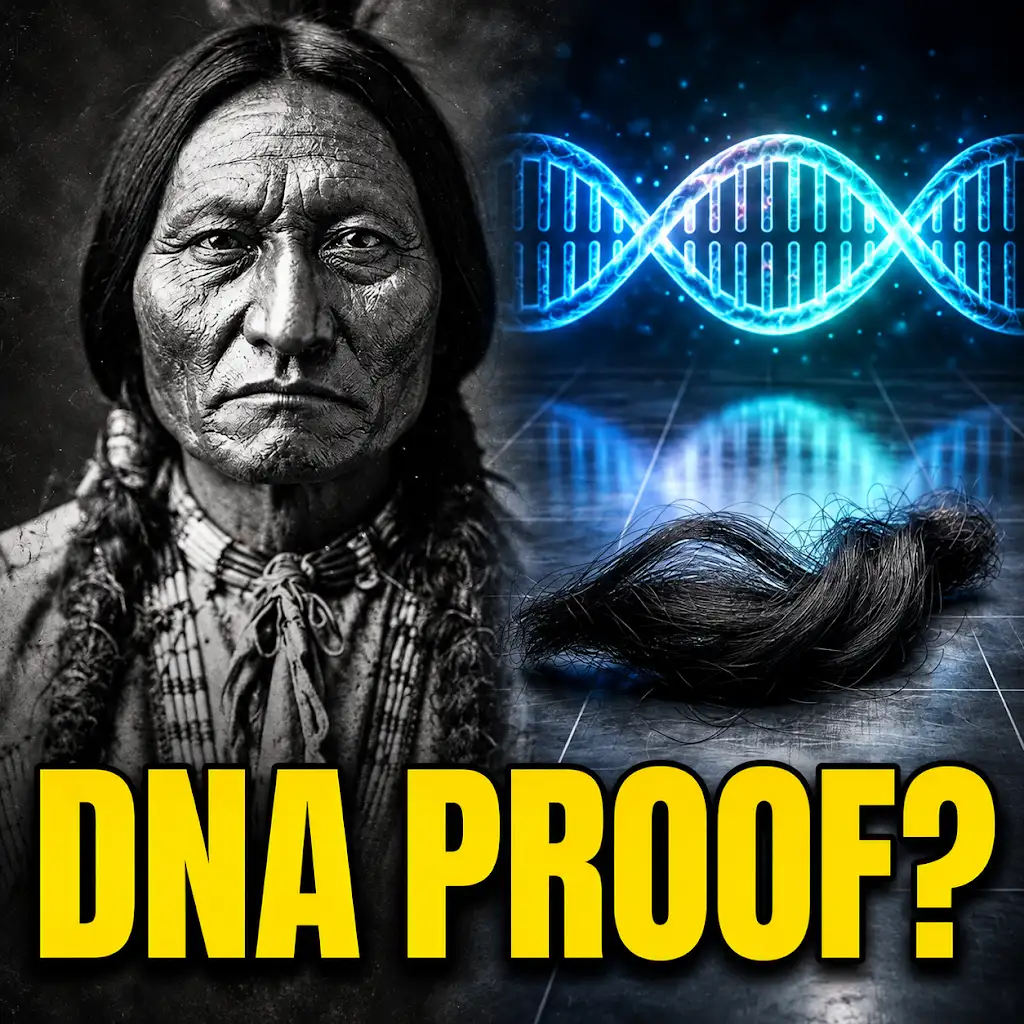
The Sitting Bull DNA Test: What Did It Actually Prove?
FAQs
1. How can DNA testing help with family tree research?
DNA testing can provide valuable information about your ancestry, help you connect with distant relatives, and confirm or uncover family relationships that may not be documented in traditional records.
2. What types of DNA tests are commonly used for family tree research?
The most common types of DNA tests used for genealogy purposes are autosomal DNA tests, Y-DNA tests, and mitochondrial DNA tests. Autosomal tests can help you find relatives on all branches of your family tree, while Y-DNA and mitochondrial DNA tests focus on specific paternal and maternal lines, respectively.
3. How accurate are DNA tests for tracing family history?
DNA tests are generally accurate for determining genetic relationships between individuals. However, the accuracy of the results can vary depending on the testing company, the size of their database, and the quality of the matches found. It’s important to consider the limitations and potential errors associated with DNA testing.
4. Can DNA testing reveal unexpected or unknown family connections?
Yes, DNA testing can sometimes uncover unexpected or unknown family connections, such as previously unknown siblings, half-siblings, or cousins. These discoveries can provide valuable insights into your family history but may also reveal sensitive or surprising information.
5. Are there privacy concerns associated with DNA testing for family tree research?
Privacy concerns are a common issue with DNA testing for genealogy. It’s important to carefully review the privacy policies of the testing company, understand who will have access to your genetic data, and consider the potential implications of sharing your DNA information with others, including law enforcement agencies and insurance companies.