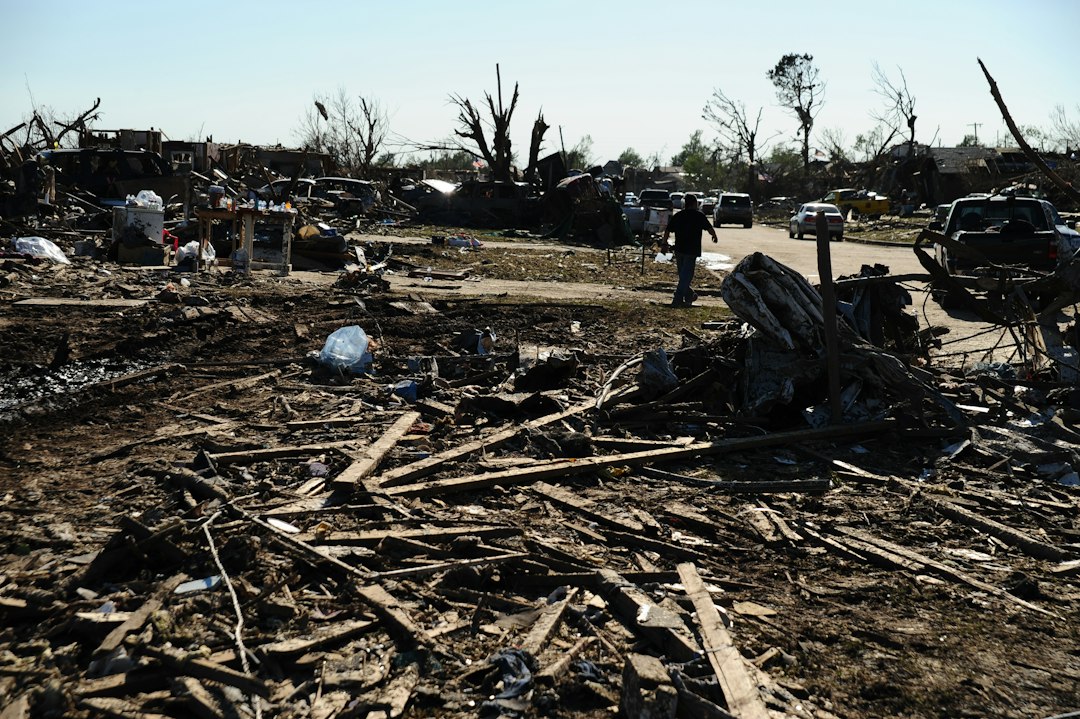
The flickering images on screen told a story of devastation, a stark reminder of humanity’s unchecked ambition. “Unnatural Calamity: Man-Made Environmental Disaster” wasn’t just a documentary; it was a visceral confrontation with the consequences of our actions. It laid bare the environmental crises that we, as a species, have actively engineered, moving beyond the abstract and into the tangible, the heartbreaking, and the all-too-real. The film meticulously dismantled the narrative that environmental degradation is an inevitable force of nature, instead pointing a definitive finger at the root cause: human intervention.
The documentary opened with a sweeping aerial shot of a once-pristine landscape now choked by smog. This wasn’t a scene from a dystopian future; it was a present-day reality in numerous corners of the globe. “Unnatural Calamity” dedicated a significant portion of its runtime to illustrating how centuries of industrialization, fueled by an insatiable demand for energy and resources, have irrevocably altered the Earth’s delicate balance. The film didn’t shy away from the stark visuals, presenting a cascade of evidence that painted a grim picture.
The Scourge of Fossil Fuels
A central theme explored was the pervasive impact of fossil fuel extraction and consumption. The documentary delved into the historical context, tracing the industrial revolution’s reliance on coal, then oil and natural gas, as the engine of progress. While acknowledging the undeniable advancements these energy sources facilitated, the film underscored the catastrophic environmental cost.
Extraction’s Brutal Footprint
Viewers were taken on a journey to the front lines of extraction. Scenes from oil fields, where pipelines snaked across fragile ecosystems, and open-pit mines, that scarred the earth like gaping wounds, were shown in graphic detail. The documentary highlighted the destructive practices associated with obtaining these fuels, from mountaintop removal mining that obliterated entire ecosystems to the seismic surveying that disrupted marine life. The sheer scale of environmental disruption, the displacement of communities, and the long-term contamination of soil and water were meticulously documented, leaving no room for denial.
The Atmosphere as a Dumping Ground
The documentary then shifted its focus to the atmospheric consequences. Through compelling data visualizations and expert interviews, “Unnatural Calamity” explained the greenhouse effect in a way that was both accessible and alarming. The release of carbon dioxide, methane, and other pollutants from the burning of fossil fuels was presented not as an abstract scientific phenomenon, but as a direct assault on the planet’s climate regulation systems. The visual representation of rising global temperatures, ice caps melting at an accelerated rate, and extreme weather events becoming more frequent and intense was deeply unsettling.
The Chemical Cocktail: Pollution’s Insidious Reach
Beyond fossil fuels, “Unnatural Calamity” meticulously dissected the pervasive issue of chemical pollution. The film argued that our reliance on synthetic chemicals, often developed with little regard for their long-term environmental impact, has created a toxic legacy that permeates every aspect of our planet.
Industrial Waste: A Toxic Legacy
The documentary showcased instances of industrial facilities releasing untreated wastewater and toxic byproducts directly into rivers and oceans. The visual evidence of dead zones in aquatic ecosystems, where life struggled to survive due to oxygen depletion caused by algal blooms fueled by nutrient runoff, was a powerful indictment. The film also explored the long-term consequences of chemical contamination, including the bioaccumulation of toxins in the food chain, posing a silent threat to both wildlife and human health.
The Ubiquity of Plastics
A particularly poignant segment was dedicated to the global plastic crisis. The documentary traced the origin of plastic production, its widespread adoption due to its perceived convenience and durability, and its subsequent transformation into a persistent environmental pollutant. Viewers were shown vast landfills overflowing with plastic waste, and chilling footage of marine animals entangled in plastic debris or with stomachs full of microplastics. The film emphasized that much of this plastic never truly disappears, breaking down into smaller and smaller pieces that continue to leach harmful chemicals into the environment.
In exploring the impact of human activity on the environment, one can gain further insights by reading the article on the rise of the Mexican consumer, which discusses how economic growth can lead to increased environmental pressures. This article highlights the complexities of consumer behavior in a developing economy and its implications for sustainability. For more information, you can read the article here: The Mexican Consumer on the Rise.
The Vanishing Wild: Biodiversity Under Siege
“Unnatural Calamity” wasn’t solely focused on the physical alterations of the planet; it also delved into the devastating loss of biodiversity. The film powerfully illustrated how human activities have driven countless species to the brink of extinction, threatening the intricate web of life that sustains us all.
Habitat Destruction: The Foremost Killer
The documentary posited that habitat destruction is the single largest driver of species loss. It presented a stark contrast between the lush, biodiverse ecosystems of the past and the increasingly fragmented and degraded landscapes of today.
Deforestation’s Devastating Toll
The film highlighted the rampant deforestation occurring globally, driven by agricultural expansion, logging, and urban development. Viewers witnessed the bulldozing of ancient forests, the displacement of indigenous communities who have lived in harmony with these environments for generations, and the tragic consequences for the myriad species that call these forests home. The loss of these vital carbon sinks also exacerbated climate change, creating a vicious cycle of destruction.
The Impact on Aquatic Ecosystems
Similarly, the documentary explored the destruction of vital aquatic habitats. The draining of wetlands for development, the damming of rivers that disrupt migratory patterns, and the pollution of coastal areas were all presented as significant threats to marine and freshwater biodiversity. The film emphasized the interconnectedness of these ecosystems and how the degradation of one can have cascading effects on others.
The Plight of Endangered Species
Beyond habitat loss, “Unnatural Calamity” shone a spotlight on other threats to endangered species, directly attributable to human actions.
Overexploitation: A Thirst for Resources
The documentary examined the devastating impact of overfishing, poaching, and the illegal wildlife trade. Scenes of vast trawlers decimating fish populations and images of endangered animals killed for their parts served as stark reminders of humanity’s unsustainable consumption patterns. The film highlighted how the demand for certain animal products, often driven by cultural practices or perceived medicinal properties, has pushed many species towards extinction.
The Silent Invasion: Invasive Species
The film also addressed the detrimental effects of invasive species, often introduced unintentionally by human activity. The documentary explained how these non-native organisms can outcompete native species for resources, introduce diseases, and fundamentally alter the ecological balance of an environment, leading to the decline and extinction of indigenous flora and fauna.
The Unfolding Crisis: Climate Change as the Ultimate Calamity
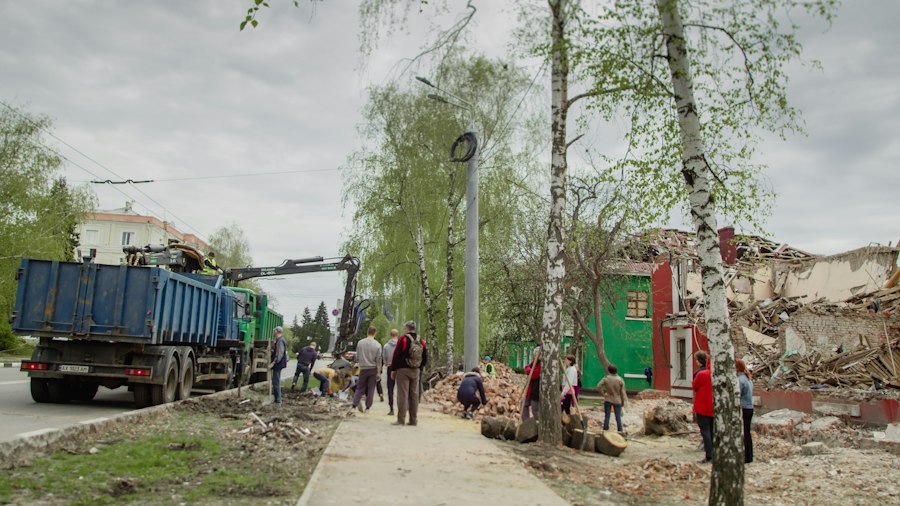
The documentary meticulously linked many of the previously discussed environmental issues to the overarching threat of climate change. “Unnatural Calamity” presented climate change not as a future problem, but as a present-day crisis with far-reaching and devastating consequences.
The Warming World: A Cascade of Impacts
The film presented compelling evidence of the Earth’s accelerating warming trend and its multifaceted impacts.
Rising Sea Levels and Coastal Erosion
Viewers were shown footage of coastal communities inundated by rising sea levels, homes abandoned to the encroaching tide, and vulnerable ecosystems like coral reefs bleaching and dying due to ocean acidification and warming temperatures. The documentary illustrated the direct threat to millions of people living in low-lying coastal areas and the displacement that is already occurring.
Extreme Weather Events: The New Normal
“Unnatural Calamity” documented the increasing frequency and intensity of extreme weather events. From devastating hurricanes and typhoons that flattened cities to prolonged droughts that decimated agricultural lands and fueled wildfires, the film showcased the raw power of a destabilized climate. The human cost of these events, the loss of life, the displacement of communities, and the billions of dollars in damages, were all powerfully conveyed.
Climate Refugees and Social Disruption
The documentary also explored the growing phenomenon of climate refugees, individuals and communities forced to flee their homes due to climate-related disasters or resource scarcity. The film highlighted the potential for increased social unrest and geopolitical instability as these displaced populations seek new homes and resources, underscoring the interconnectedness of environmental and societal well-being.
The Echoes of Past Mistakes: Forgotten Disasters and Lingering Threats
“Unnatural Calamity” served as a stark reminder that our environmental blunders are not always immediate or easily forgettable. The documentary delved into historical man-made environmental disasters, underscoring the long-term consequences of negligence and the lessons that, tragically, are often learned too late.
Chernobyl and Fukushima: The Nuclear Specter
A significant portion of this segment was dedicated to nuclear accidents. The film revisited the harrowing events of Chernobyl and Fukushima, detailing the catastrophic release of radioactive materials and the long-lasting environmental and health impacts on vast regions. The documentary highlighted the inherent risks associated with nuclear energy, even with advanced safety measures, and the devastating potential for widespread contamination that can persist for millennia.
The Aral Sea: A Once-Great Waterway’s Demise
The documentary also presented the tragic story of the Aral Sea, once the fourth-largest lake in the world, now a fraction of its former size. The film explained how Soviet-era irrigation projects, diverting rivers for cotton cultivation, led to the ecological collapse of the sea. The once-thriving fishing communities were decimated, the local climate became harsher, and the exposed seabed became a source of toxic dust storms, impacting human health across the region. This case served as a potent example of short-sighted agricultural policies with devastating long-term environmental consequences.
Love Canal and Persistent Organic Pollutants: The Chemical Scars
The documentary also touched upon historical cases of severe chemical contamination, such as Love Canal in the United States. This neighborhood, built on a former toxic waste dump, led to widespread health problems and forced evacuations. The film used such examples to illustrate the persistent threat posed by improperly disposed of chemicals, including Persistent Organic Pollutants (POPs), which can travel long distances and accumulate in the environment and living organisms, posing a chronic risk for generations.
In exploring the impact of industrial development on the environment, one cannot overlook the alarming consequences of man-made disasters, which are often highlighted in various documentaries. A compelling article that delves into the complexities of industrial growth and its repercussions is available at this link. It provides insights into how thriving industrial real estate in Mexico can lead to significant environmental challenges, illustrating the delicate balance between economic progress and ecological sustainability.
A Call to Action: Hope in the Face of Despair
| Documentary Title | Year Released | Focus Disaster | Duration (minutes) | Director | Impact Metrics |
|---|---|---|---|---|---|
| Black Tide: The Deepwater Horizon Oil Spill | 2010 | Deepwater Horizon Oil Spill | 60 | Brian Knappenberger | Over 4.9 million barrels of oil spilled, affecting 68,000 sq. miles of ocean |
| Chasing Ice | 2012 | Glacial Melting due to Climate Change | 75 | Jeff Orlowski | Documented rapid glacier retreat, contributing to rising sea levels |
| The Cove | 2009 | Mass Dolphin Hunting in Taiji, Japan | 92 | Louie Psihoyos | Exposed annual killing of thousands of dolphins, sparking global awareness |
| Gasland | 2010 | Hydraulic Fracturing (Fracking) Environmental Impact | 103 | Josh Fox | Highlighted water contamination and health issues in fracking areas |
| Our Planet: Plastic Pollution | 2019 | Plastic Pollution in Oceans | 50 | Alastair Fothergill | Showcased millions of tons of plastic waste harming marine life |
Despite the overwhelming evidence of environmental devastation, “Unnatural Calamity” concluded not with despair, but with a powerful call to action. The film emphasized that while the challenges are immense, human ingenuity and collective will can still avert the worst-case scenarios.
The Power of Renewable Energy
The documentary highlighted the growing potential and rapid advancements in renewable energy sources like solar, wind, and geothermal. It showcased innovative projects and the increasing economic viability of these cleaner alternatives, presenting them as a crucial step towards decarbonizing our energy systems and mitigating climate change.
Sustainable Practices and Conservation Efforts
“Unnatural Calamity” also celebrated the work of individuals, communities, and organizations dedicated to environmental conservation and sustainable practices. From reforestation projects and marine protected areas to the development of circular economies and innovative waste management solutions, the film presented a vision of a more harmonious relationship between humanity and nature.
The Imperative of Policy and Collective Responsibility
Ultimately, the documentary stressed that individual actions, while important, are not enough. It underscored the critical need for strong environmental policies, international cooperation, and a fundamental shift in our collective consciousness. The film urged viewers to engage in advocacy, support sustainable businesses, and hold corporations and governments accountable for their environmental impact. “Unnatural Calamity: Man-Made Environmental Disaster” served as a wake-up call, a testament to the damage already done, but more importantly, a stark and urgent plea for a more responsible and sustainable future. The narrative wasn’t about assigning blame; it was about recognizing our shared responsibility and embracing the urgent need for change.
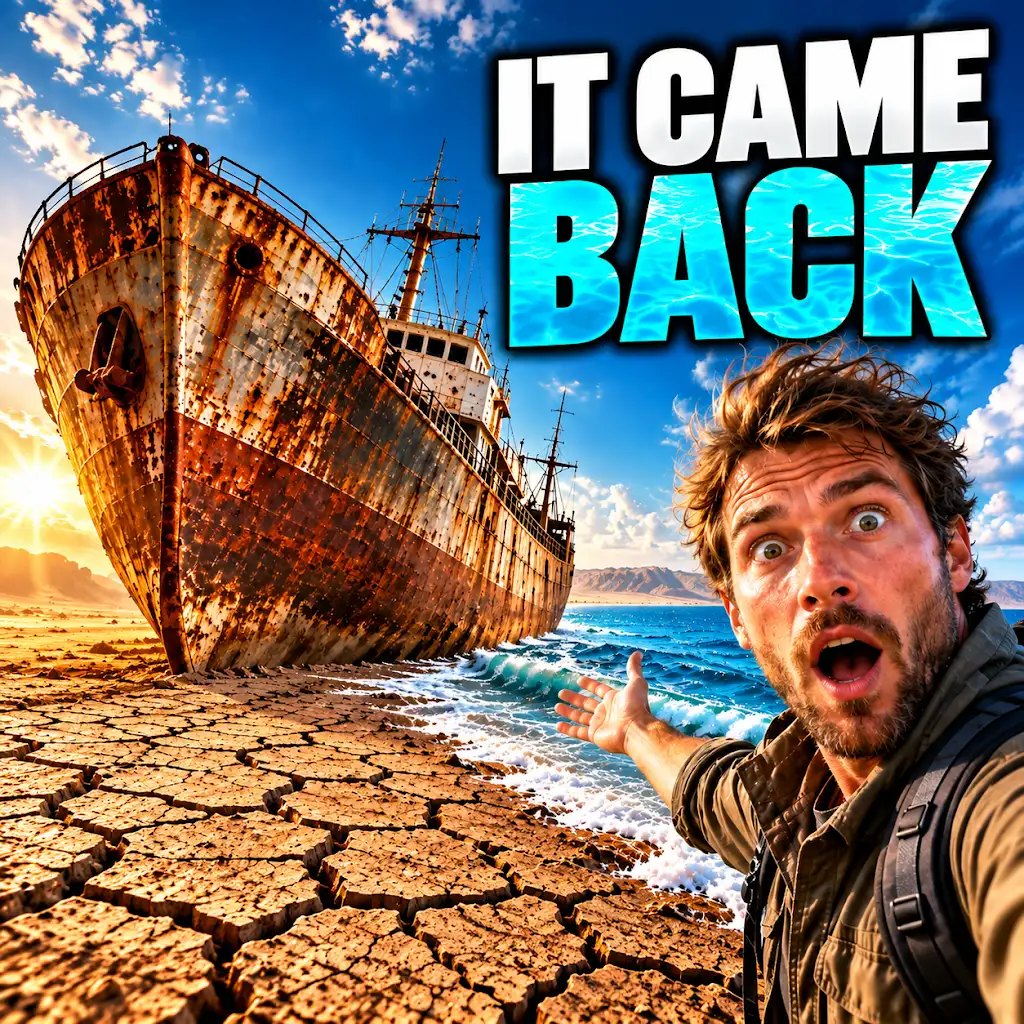
A Dam Brought the Aral Sea Back—But Only Part of It
FAQs
What is the focus of the man-made environmental disaster documentary?
The documentary sheds light on various environmental disasters caused by human activities, such as oil spills, industrial pollution, deforestation, and more.
How does the documentary highlight the impact of these disasters on the environment?
The documentary showcases the devastating effects of man-made environmental disasters on ecosystems, wildlife, communities, and the overall health of the planet.
What are some examples of man-made environmental disasters covered in the documentary?
Examples of man-made environmental disasters that may be featured in the documentary include the Exxon Valdez oil spill, the Chernobyl nuclear disaster, the BP Deepwater Horizon oil spill, and the Amazon rainforest deforestation.
What is the purpose of creating a documentary about man-made environmental disasters?
The purpose of the documentary is to raise awareness about the destructive impact of human activities on the environment, encourage sustainable practices, and advocate for environmental conservation and protection.
Where can viewers watch the man-made environmental disaster documentary?
The documentary may be available for viewing on streaming platforms, environmental film festivals, educational institutions, and other media outlets dedicated to raising awareness about environmental issues.