
Unraveling Ancient Civilizations: The Mysteries of Early Humanity
The echoes of ancient civilizations resonate through the fabric of human history, whispering tales of ingenuity, belief, and societal structures that laid the groundwork for our modern world. For millennia, humanity has grappled with the remnants of these vanished cultures – monumental architecture, enigmatic artifacts, and fragmented written records – piecing together narratives that are as fascinating as they are incomplete. The study of these early societies, a field that blurs the lines between history, archaeology, anthropology, and linguistics, continues to captivate and challenge our understanding of ourselves. It is a perpetual quest to unravel the mysteries of early humanity, to illuminate the minds of those who came before us, and to comprehend the fundamental forces that shaped our collective journey.
The transition from nomadic hunter-gatherer existence to settled agricultural communities marks one of the most profound shifts in human history. This period, known as the Neolithic Revolution, did not occur uniformly across the globe but rather emerged independently in several key regions, each with its own unique trajectory. The implications of this revolution were far-reaching, fundamentally altering human lifestyles, social organization, and our relationship with the environment.
The Genesis of Agriculture
The precise origins of agriculture remain a subject of ongoing debate and discovery. While it was once theorized to be a sudden invention, current evidence suggests a more gradual process of experimentation and domestication.
Domestication of Plants and Animals
The deliberate cultivation of plants like wheat, barley, rice, and maize, alongside the taming of animals such as sheep, goats, cattle, and pigs, provided a reliable and abundant food source. This surplus allowed for the support of larger populations and freed individuals from the constant pursuit of sustenance. The selective breeding of these organisms over generations led to significant genetic changes, transforming wild species into the domesticated varieties we recognize today. The impact of this domestication on both human societies and the natural world was immense, irrevocably altering landscapes and human diets.
The Impact on Human Diets and Health
The shift to agriculture brought about a significant dietary change, moving from a varied foraging diet to one often dominated by staple crops. While this provided caloric security, it also introduced new health challenges. Deficiencies in certain nutrients could arise, and the close proximity to domesticated animals increased the risk of zoonotic diseases. Nevertheless, the ability to store food allowed for greater population density and the development of more complex social structures.
The Rise of Permanent Settlements
The security and predictability offered by agriculture facilitated the establishment of permanent settlements. These early villages and towns were the precursors to cities, representing a radical departure from the mobile existence of our ancestors.
From Huts to Houses: Architectural Innovations
Early Neolithic dwellings varied in construction, utilizing readily available materials like mud brick, wood, and stone. These structures provided shelter, protection from the elements, and a sense of permanence. Archaeological sites reveal the evolution of domestic architecture, from simple round huts to more complex rectangular dwellings with distinct rooms and features. The development of tools and techniques for construction also advanced during this period, allowing for more sophisticated building practices.
The Emergence of Social Hierarchies and Specialization
With a more stable food supply, not everyone needed to be directly involved in food production. This led to the emergence of specialized roles within communities, such as potters, toolmakers, and builders. The accumulation of surplus also fostered the development of social stratification. Individuals or families who controlled land or resources could accrue greater wealth and influence, laying the groundwork for leadership roles and, eventually, more complex political structures. Evidence of burial practices and the distribution of goods often provides clues to the social hierarchies of these early societies.
The mysteries of early human civilization continue to captivate researchers and historians alike, as they seek to uncover the intricate networks that shaped ancient societies. A related article that delves into the complexities of trade and its impact on early civilizations is available at this link: Mexico’s Growing Role in Global Trade. This piece explores how trade routes influenced cultural exchanges and economic development, shedding light on the interconnectedness of ancient peoples and their contributions to the world we know today.
The Architects of Empire: Monumental Civilizations of the Bronze Age
The Bronze Age witnessed the rise of some of humanity’s most iconic and influential civilizations. The discovery and mastery of bronze, an alloy of copper and tin, revolutionized toolmaking, warfare, and artistic expression. This technological leap, coupled with advancements in irrigation, writing, and governance, enabled the construction of monumental structures and the organization of vast empires.
Mesopotamia: The Cradle of Civilization
Nestled between the Tigris and Euphrates rivers, Mesopotamia, often referred to as the “Cradle of Civilization,” gave rise to some of the earliest complex societies. The fertile crescent provided an ideal environment for the development of agriculture, which in turn fostered the growth of city-states.
The Sumerians and the Birth of Writing
The Sumerians, believed to be one of the earliest civilizations to emerge in Mesopotamia, are credited with inventing cuneiform writing. This wedge-shaped script, impressed onto clay tablets, allowed for record-keeping, the administration of complex societies, and the transmission of knowledge. The decipherment of these tablets has provided invaluable insights into Sumerian life, their religious beliefs, their legal systems, and their literature, including the Epic of Gilgamesh, one of the oldest known works of literary fiction.
The Babylonian and Assyrian Empires
Following the Sumerians, powerful empires like the Babylonians and Assyrians rose to prominence, building upon the foundations laid by their predecessors. The Babylonians, under Hammurabi, developed a comprehensive legal code, the Code of Hammurabi, which standardized justice and influenced legal systems for centuries. The Assyrians, known for their military prowess, created a vast empire through effective organization and advanced military technology. Their impressive palaces, adorned with intricate reliefs, attest to their power and artistic achievements.
Ancient Egypt: The Land of the Pharaohs
Along the fertile banks of the Nile River, ancient Egypt flourished for over three millennia, leaving behind an unparalleled legacy of monumental architecture, intricate art, and a rich religious and political system.
The Pyramids and the Afterlife
The iconic pyramids of Giza, monumental tombs for pharaohs, stand as testament to the Egyptians’ advanced engineering, organizational skills, and profound belief in the afterlife. The construction of these massive structures required immense labor, meticulous planning, and a deep understanding of mathematics and astronomy. The elaborate burial rituals and grave goods found within tombs highlight the Egyptians’ elaborate preparations for the journey to the next world.
Hieroglyphs and the Divine Kingship
Egyptian civilization developed its own unique writing system, hieroglyphs, which adorned temple walls, papyrus scrolls, and tomb inscriptions. These intricate symbols not only recorded historical events and religious texts but also served as a means of communication and artistic expression. The concept of divine kingship, where the pharaoh was considered a god on Earth, was central to Egyptian political and religious ideology, providing stability and a unified national identity.
The Indus Valley Civilization: A Mysterious Metropolis
The Indus Valley Civilization, flourishing in what is now Pakistan and northwest India, represents one of the world’s earliest urban cultures. Despite its sophistication, many aspects of this civilization remain enigmatic.
Urban Planning and Advanced Sanitation
Cities like Mohenjo-daro and Harappa exhibit remarkable urban planning, with well-organized street grids, sophisticated drainage systems, and standardized brick sizes. The presence of public baths and wells suggests a high level of civic infrastructure and a concern for public health, a testament to their advanced societal organization.
The Enigma of the Indus Script
One of the most persistent mysteries of the Indus Valley Civilization is its undeciphered script. Thousands of seals and inscriptions bearing this script have been found, but linguists have yet to crack its code. The inability to read their language leaves a significant gap in our understanding of their beliefs, social structures, and history.
The Philosophers and the Polis: Classical Greece

Classical Greece, particularly the period between the 5th and 4th centuries BCE, is renowned for its contributions to philosophy, democracy, art, and science. The emergence of the polis, or city-state, fostered a unique environment for intellectual and cultural development.
The Birth of Democracy in Athens
Athens stands as a beacon of early democratic governance. While not a universal suffrage system by modern standards, Athenian democracy, with its citizen assemblies and elected officials, represented a radical departure from the monarchies and oligarchies that dominated the ancient world.
The Agora and Public Discourse
The agora, the central public space of the Greek city-state, served as a hub for commerce, social interaction, and political discourse. It was here that citizens debated ideas, exchanged news, and participated in the democratic process, shaping the intellectual and political landscape of Athens.
The Golden Age of Athenian Philosophy and Arts
The 5th century BCE, often referred to as the Golden Age of Athens, saw the flourishing of some of history’s most influential thinkers and artists. Philosophers like Socrates, Plato, and Aristotle laid the foundations for Western philosophy, exploring ethics, politics, metaphysics, and logic. Simultaneously, playwrights like Sophocles and Euripides produced timeless tragedies and comedies, while sculptors like Phidias created masterpieces that defined classical aesthetics.
The Rise of the Roman Republic and Empire
Following the fragmentation of Alexander the Great’s empire, Rome emerged as a dominant force in the Mediterranean world. The Roman Republic, and later the Roman Empire, left an indelible mark on Western civilization through its legal system, engineering prowess, and military organization.
Roman Law and Governance
The Romans developed a sophisticated legal system that has influenced modern jurisprudence. Concepts like citizenship, contracts, and property rights, codified in Roman law, continue to shape legal frameworks across the globe. Their administrative genius allowed them to govern a vast empire effectively for centuries.
Engineering Marvels: Aqueducts, Roads, and Architecture
The Romans were master engineers, constructing an impressive network of roads that facilitated trade and military movement, and aqueducts that brought fresh water to their cities. Their architectural innovations, such as the arch and the dome, allowed for the construction of grand public buildings like the Colosseum and the Pantheon, structures that still inspire awe today.
The Unseen Kingdoms: Pre-Columbian Civilizations of the Americas

Across the Atlantic, in the Americas, complex and sophisticated civilizations arose independently, developing unique cultures, technologies, and societal structures that flourished long before European contact.
The Maya: Lords of the Rainforest
The Maya civilization, which flourished in Mesoamerica, is renowned for its advanced calendar system, sophisticated hieroglyphic writing, and impressive astronomical knowledge.
The Celestial Cycles and the Sacred Calendar
The Maya meticulously observed the heavens, developing a complex and remarkably accurate calendar that tracked celestial cycles with astonishing precision. This calendrical system was deeply intertwined with their religious beliefs and practices, influencing their rituals, agriculture, and understanding of time.
The Enigmatic Decline of the Maya
The eventual decline and abandonment of many major Maya city-states remains a significant historical puzzle. Theories range from environmental degradation and overpopulation to internal conflict and disease, but a definitive explanation continues to elude scholars.
The Inca: Empire of the Sun
The Inca Empire, centered in the Andes Mountains of South America, was a vast and highly organized state characterized by its impressive road system, agricultural terraces, and sophisticated administrative capabilities.
The Vast Network of the Inca Road System
The Inca constructed an extensive network of meticulously engineered roads that spanned thousands of miles, connecting their vast empire. This infrastructure facilitated communication, trade, and the rapid movement of troops, a testament to their logistical prowess.
The Mastery of Stonework and Machu Picchu
The Inca were master stonemasons, their ability to fit massive stones together without mortar being a marvel of engineering. The iconic citadel of Machu Picchu, perched high in the Andes, showcases their architectural genius and their deep connection to the natural landscape.
The mysteries of early human civilization continue to captivate researchers and enthusiasts alike, as they uncover the complexities of ancient societies and their innovations. One intriguing aspect is how these civilizations managed their resources and logistics, which can be paralleled with modern practices. For instance, a recent article discusses the logistical advantages of manufacturing in Mexico, shedding light on how efficient resource management can lead to significant advancements. To explore this topic further, you can read the article here: logistical advantages of manufacturing in Mexico.
Unanswered Questions: The Enduring Allure of Ancient Mysteries
| Topic | Details |
|---|---|
| Stonehenge | Constructed around 3000 BC, its purpose is still debated |
| Egyptian Pyramids | Built around 2500 BC, the methods of construction are still not fully understood |
| Indus Valley Civilization | One of the world’s oldest urban civilizations, its writing system remains undeciphered |
| Nazca Lines | Giant geoglyphs in Peru, purpose and creators are still unknown |
Despite centuries of research and discovery, many aspects of ancient civilizations remain shrouded in mystery. The allure of these unanswered questions fuels ongoing exploration and academic inquiry, reminding us of the vastness of human history and the limits of our current knowledge.
The Purpose and Meaning of Ancient Rituals and Beliefs
Understanding the religious beliefs and ritual practices of ancient peoples is often challenging. Fragmentary evidence, symbolic art, and the absence of direct historical accounts make it difficult to fully grasp the motivations and meanings behind their spiritual endeavors.
The Interpretation of Sacred Texts and Symbols
Deciphering ancient texts and interpreting symbolic imagery requires careful linguistic and cultural analysis. The nuances of lost languages and the context of ancient belief systems can present significant obstacles to accurate interpretation.
The Technology and Knowledge of Lost Civilizations
Some ancient accomplishments, particularly in areas like monumental construction and astronomical observation, raise questions about the technological capabilities and scientific knowledge possessed by early humans.
The Engineering Prowess of the Ancients
The construction of structures like the pyramids, Stonehenge, and the Nazca lines continues to inspire debate about the methods and tools used by ancient peoples. While some explanations are rooted in known technologies, others suggest a level of understanding and skill that challenges conventional assumptions.
The Causes of Societal Collapse
The downfall of seemingly powerful and sophisticated civilizations is a recurring theme in history. Understanding the complex interplay of factors that lead to societal collapse, from environmental pressures to internal social dynamics, offers valuable lessons for contemporary societies.
The study of ancient civilizations is not merely an academic pursuit; it is a journey into the very origins of human endeavor. By unraveling the mysteries of early humanity, we not only gain a deeper appreciation for the achievements of those who came before us but also acquire a profound understanding of the enduring patterns and challenges that have shaped our species. Each unearthed artifact, each deciphered inscription, is a whisper from the past, guiding us towards a more complete and nuanced understanding of our place in the grand tapestry of human history. The quest to unravel these ancient mysteries continues, promising further revelations and an ever-deepening connection to the vast and fascinating story of humanity.
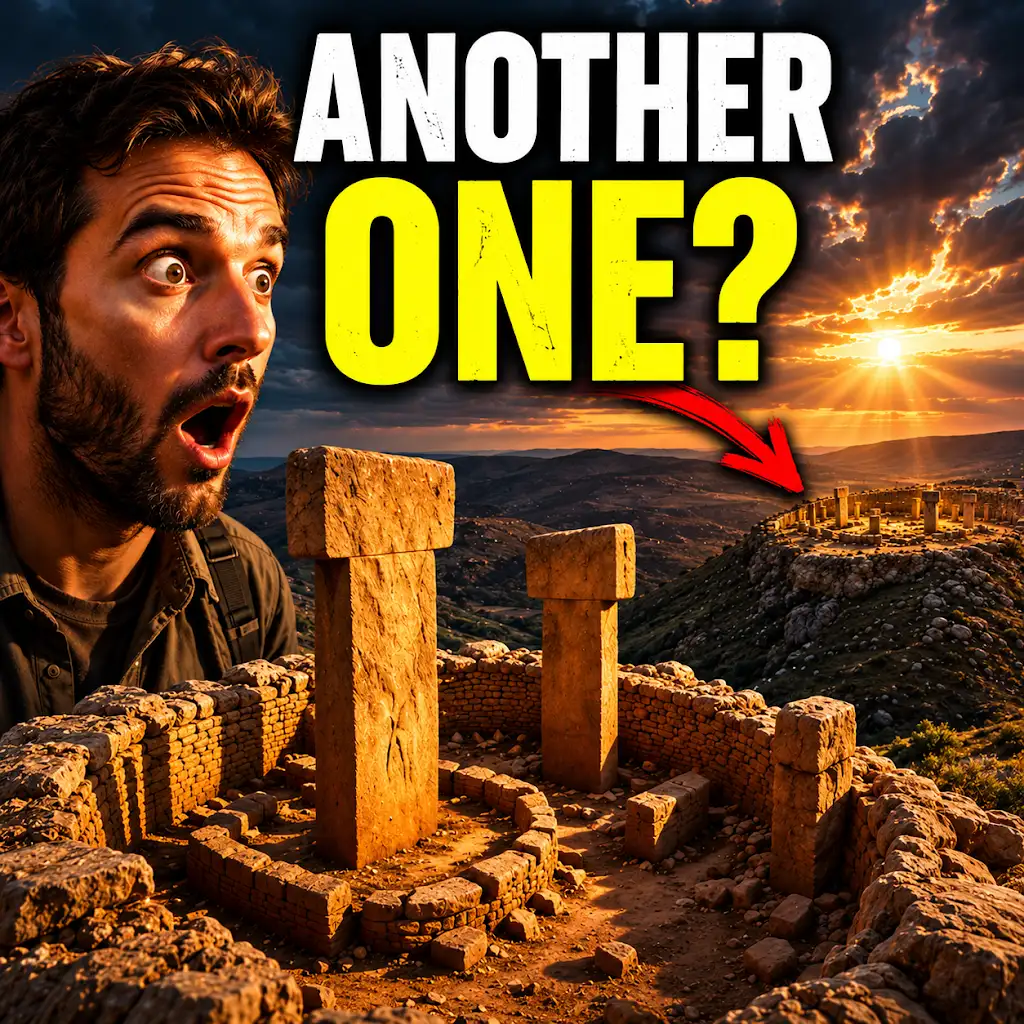
The World Beyond Göbekli Tepe Is Far Bigger Than We Thought
FAQs
What are some of the mysteries surrounding early human civilization?
Some of the mysteries surrounding early human civilization include the construction of megalithic structures such as Stonehenge and the Great Pyramids, the development of complex societies and cities, and the origins of language and writing systems.
What are some theories about how early humans built megalithic structures?
There are various theories about how early humans built megalithic structures, including the use of simple tools, the assistance of advanced ancient civilizations or extraterrestrial beings, and the use of techniques such as levering, rolling, and dragging massive stones into place.
How did early human civilizations develop complex societies and cities?
Early human civilizations developed complex societies and cities through the development of agriculture, the establishment of trade networks, the formation of social hierarchies, and the construction of monumental architecture and infrastructure.
What are some of the earliest known writing systems and languages?
Some of the earliest known writing systems include cuneiform in Mesopotamia, hieroglyphics in ancient Egypt, and the Indus script in the Indus Valley civilization. The origins of spoken language are more difficult to trace, but it is believed to have developed tens of thousands of years ago.
What are some of the key advancements and achievements of early human civilizations?
Some key advancements and achievements of early human civilizations include the development of agriculture, the invention of writing systems, the construction of monumental architecture, the establishment of legal and political systems, and the creation of art and religious practices.