Unraveling Ancient DNA: Native American History
The dust of millennia, once an impenetrable veil, is now being carefully lifted by the remarkable science of ancient DNA analysis. For centuries, the history of Native American peoples was primarily pieced together through archaeological finds, oral traditions, and the often biased accounts of European colonizers. While these sources have provided invaluable insights, they have also presented fragmented narratives and, at times, outright misrepresentations. The advent of ancient DNA (aDNA) technology has revolutionized our understanding, offering a direct window into the genetic heritage of these ancient populations, their migrations, their relationships, and their deep connections to the land. This field of study is not merely an academic pursuit; it is a vital tool for reclaiming and affirming the rich and complex histories of Indigenous peoples, challenging colonial narratives, and providing a powerful means of connection to ancestral legacies.
The ability to extract and analyze DNA from ancient human remains, even those thousands of years old, has been a game-changer. This technology allows researchers to go beyond observable physical evidence and delve into the very blueprint of life. For Native American history, this has meant a profound shift in how we understand origins, relationships, and demographic patterns. Previously, theories about the peopling of the Americas were largely based on archaeological evidence, such as the Clovis First model, which suggested a single migration event across the Bering Strait. Ancient DNA has significantly refined and, in some cases, dramatically altered these hypotheses, revealing a more nuanced and dynamic picture of human movement and diversification.
Early Discoveries and the Beringian Connection
One of the earliest and most significant contributions of aDNA to Native American history has been the confirmation and refinement of the Beringian migration hypothesis. For decades, the prevailing theory posited that the ancestors of Native Americans originated in Siberia and migrated to the Americas across a land bridge, Beringia, that connected Asia and North America during the Last Glacial Maximum. Ancient DNA from skeletal remains found in Siberia and later in the Americas provided strong genetic evidence supporting this continental connection. Studies of mitochondrial DNA (mtDNA) and Y-chromosome DNA, which are passed down maternally and paternally respectively, revealed distinct haplogroups common to both Siberian and Native American populations.
Mitochondrial DNA and the Maternal Lineage
Mitochondrial DNA, due to its high copy number within cells and its relative resistance to degradation, has been a crucial tool in aDNA research. Early studies of mtDNA haplogroups, such as A, B, C, and D, found in Native American populations, showed strong correlations with those found in Siberian and East Asian populations. This provided compelling evidence for a shared maternal ancestry. The identification of specific founder lineages within these haplogroups allowed researchers to trace the origins and diversification of these groups over time.
Y-Chromosome DNA and the Paternal Migration Routes
Similarly, analysis of Y-chromosome DNA has shed light on paternal migration patterns. The presence of specific Y-chromosome haplogroups in Indigenous American populations, also found in Siberian and East Asian groups, further solidified the Beringian connection. By examining the variations and mutations within these Y-chromosome lineages, scientists have been able to infer the direction and timing of these ancient migrations, painting a clearer picture of how various groups moved across the landscape.
Refining Migration Timelines and Routes
Beyond simply confirming the Beringian connection, ancient DNA has allowed for a more precise dating of these migration events and the exploration of multiple migration waves. This has challenged the simplistic “single migration” model and suggested a more complex scenario involving several distinct movements of people into the Americas over tens of thousands of years. The discovery of ancient genomes from individuals who predate the Clovis culture has been particularly impactful in this regard.
The Solutrean Hypothesis and its Genetic Counterparts
The Solutrean hypothesis, which proposed a transatlantic migration from Europe to North America, gained traction in some archaeological circles but lacked robust genetic support. Ancient DNA studies have largely debunked this theory. Comparisons of ancient European and Native American genomes have revealed no significant genetic overlap that would support such a migration. Instead, the genetic evidence consistently points to an East Asian and Siberian origin for the vast majority of Indigenous American populations.
Paleogenomics and the Ice-Free Corridor Debate
The opening of the ice-free corridor, a land route between the Cordilleran and Laurentide ice sheets, has been a subject of intense debate regarding the timing and pathways of human entry into the Americas. Paleogenomic studies of ancient DNA from fossilized remains found in regions that would have been traversed by this corridor have provided crucial chronological markers. These studies have helped to constrain the timeline of when this corridor became passable and when humans might have utilized it, adding another layer of detail to our understanding of early American settlement.
Recent studies in ancient DNA have significantly advanced our understanding of Native American history, shedding light on the migration patterns and genetic diversity of early populations. For those interested in exploring the implications of genetic research on cultural heritage, a related article discusses the complexities of commercialization in scientific endeavors. You can read more about this topic in the article found here: The Risks of Commercializing Orbital Space.
Decoding Kinship and Social Structures: Ancestral Connections Revealed
Ancient DNA is not just about tracing origins; it offers profound insights into the intricate kinship networks and social structures of past Native American societies. By analyzing the genomes of multiple individuals from the same archaeological sites, researchers can reconstruct family relationships, understand patterns of intermarriage, and gain a glimpse into the social organization of these ancient communities. This has been particularly important for understanding the diversity of cultures and the ways in which groups interacted and formed alliances.
Unveiling Family Ties Through Ancient Genomes
The analysis of genomes from individuals buried together in communal graves or found in close proximity has revealed astonishing details about ancient family structures. Studies have identified parental relationships, sibling connections, and even more distant familial ties within archaeological assemblages. This has allowed for a more nuanced understanding of how families were organized, the roles of different individuals within the family unit, and the transmission of social status or knowledge across generations.
Identifying First, Second, and Third-Degree Relatives
By comparing specific genetic markers, researchers can determine the degree of relatedness between individuals. Identifying first-degree relatives (parents and children, siblings) provides direct evidence of immediate family units. Expanding this to second-degree (grandparents, aunts, uncles) and third-degree relatives allows for the reconstruction of broader kin groups and understanding of extended family networks. This information can shed light on inheritance patterns, marriage customs, and the social importance of lineage.
Complex Kinship Systems and Social Organization
Beyond immediate biological relationships, aDNA can also hint at more complex kinship systems that may have governed social interactions and responsibilities. For instance, evidence of patrilineal or matrilineal descent, where lineage is traced through the father or mother respectively, can be inferred from patterns of genetic inheritance within groups. Understanding these systems is crucial for comprehending how power, property, and social roles were distributed within ancient societies.
Patterns of Marriage and Intergroup Relations
Ancient DNA analysis has also been instrumental in revealing patterns of marriage and the nature of relationships between different groups. By examining the genetic makeup of individuals within a community, researchers can identify instances of intermarriage with individuals from outside the immediate group. This provides direct evidence of alliances, trade networks, and the movement of people between distinct cultural entities.
Exogamy and Endogamy: Marriage Practices in Antiquity
The study of aDNA can help differentiate between exogamy (marriage outside of one’s kin group or community) and endogamy (marriage within one’s kin group or community). Evidence of individuals with distinct genetic ancestries within a burial site can indicate exogamous practices, suggesting interaction and exchange with neighboring populations. Conversely, a high degree of genetic homogeneity might suggest more endogamous tendencies.
Social Networks and the Exchange of People
The genetic signatures of individuals can act as markers of their origin and movement. If individuals from geographically distant or genetically distinct populations are found interred within a single site, it strongly suggests the existence of social networks and the reciprocal exchange of people, perhaps through marriage, trade, or other forms of alliance. This provides a tangible and genetic basis for understanding the interconnectedness of ancient Native American societies.
Tracing Disease and Adaptation: Resilience in the Face of Challenges
Ancient DNA offers a unique perspective on the health, resilience, and adaptability of past Native American populations. By analyzing the genomes of ancient individuals, scientists can investigate the prevalence of certain diseases, understand how populations adapted to different environments and pathogens, and trace the genetic basis of traits that conferred survival advantages. This is particularly relevant in understanding the impact of disease outbreaks, both ancient and those introduced during the colonial era.
Genetic Insights into Ancient Pathogens and Diseases
The presence of pathogens, or their genetic remnants, in ancient tissues can provide direct evidence of diseases that affected past populations. While not strictly DNA from the human host, the analysis of ancient microbial DNA has revolutionized our understanding of historical epidemics. Furthermore, by studying the human host’s genome, researchers can identify genetic predispositions to certain diseases or evidence of past immune responses.
Identifying Ancient Pathogen Signatures
While challenging, researchers are increasingly able to detect fragments of ancient pathogen DNA within human remains. This allows for the identification of diseases that were prevalent in the past, providing a direct link between skeletal evidence of disease and the causative agents. This can include evidence of infectious agents that may have played a significant role in population dynamics.
Genetic Markers of Disease Susceptibility and Resistance
By analyzing the human genome itself, researchers can identify specific gene variants that are associated with susceptibility or resistance to certain diseases. For Native American populations, this can provide insights into their genetic makeup and how it might have influenced their health outcomes in the face of various environmental pressures and pathogens throughout history.
Environmental Adaptation and Human Evolution
The genetic material of ancient individuals can reveal how populations adapted to their specific environments over long periods. This includes adaptations to diet, climate, and other ecological factors. Understanding these adaptations is crucial for appreciating the deep historical relationship between Indigenous peoples and their ancestral lands.
Dietary Adaptations and Food Sources
Ancient DNA can provide clues about the diet of past populations. For example, the presence of specific gene variants that enhance the ability to digest lactose in adulthood, or adaptations related to the metabolism of certain nutrients found in specific plants or animals, can indicate dietary shifts and the reliance on particular food sources. This information can be corroborated with archaeological evidence of food procurement and consumption.
Climate and Physiological Adaptations
Populations living in different climates often develop physiological adaptations. For example, variations in genes related to thermoregulation, altitude tolerance, or UV radiation resistance can indicate long-term adaptation to specific environmental conditions. Studying these genetic variations in ancient individuals can illuminate the processes of adaptation and the resilience of these populations to diverse ecological challenges.
Challenging Colonial Narratives and Reclaiming Indigenous Histories

Perhaps one of the most profound impacts of ancient DNA research on Native American history is its ability to directly challenge and dismantle colonial narratives that have historically misrepresented and marginalized Indigenous peoples. The scientific objectivity of genetic data, when interpreted in collaboration with Indigenous communities and knowledge holders, offers a powerful counter-narrative to outdated and often prejudiced accounts.
The Role of Genetics in Debunking Racist Ideologies
Throughout history, pseudoscientific theories of racial superiority have been used to justify colonization, dispossession, and oppression of Indigenous peoples. Ancient DNA provides irrefutable genetic evidence that demonstrates the shared humanity and deep shared ancestry of all human populations, including Native Americans. It unequivocally refutes the notion of distinct and separate human races in the biological sense, undermining the very foundation of racist ideologies.
Genetic Evidence of Shared Humanity and Common Ancestry
The overwhelming genetic evidence from ancient DNA studies shows that Native American populations are part of the broader human family, sharing common ancestors with populations across Eurasia. This scientific understanding directly contradicts any notion of inherent biological difference that could be used to justify discrimination or subjugation.
Undermining Theories of Indigenous Inferiority
By revealing the complex migrations, adaptations, and sophisticated social structures of ancient Native American societies, ancient DNA science provides a powerful counterpoint to historical narratives that often portrayed Indigenous peoples as primitive or uncivilized. The genetic record underscores their deep history and resilience, challenging any implication of inferiority.
Indigenous Collaboration and the Ethical Imperative
It is crucial to emphasize that the ethical and responsible application of ancient DNA research in Native American history is paramount. This field is not simply about extracting genetic material; it is about understanding and honoring the ancestral heritage of living Indigenous communities. Therefore, collaboration with Indigenous communities, respecting their protocols, and ensuring that research benefits them directly are essential components of this work.
Protocols for Handling Ancestral Remains
The handling of ancestral remains is a deeply sensitive issue for Indigenous peoples. Ethical research practices necessitate the development and adherence to protocols that respect ancestral rights and cultural values. This includes obtaining proper consent, ensuring repatriation of remains when requested, and prioritizing Indigenous perspectives in research design and interpretation.
Empowering Indigenous Communities with Genetic Knowledge
Ancient DNA research can be a powerful tool for empowering Indigenous communities to reclaim and assert their own histories. By providing access to their ancestral genetic data and insights, researchers can support Indigenous efforts in cultural revitalization, land claims, and genealogical research. This collaborative approach ensures that the science serves the needs and aspirations of Indigenous peoples.
Recent studies on ancient DNA have shed light on the complex history of Native American populations, revealing insights into their migration patterns and genetic diversity. These findings not only enhance our understanding of the peopling of the Americas but also challenge long-held assumptions about the origins of Indigenous groups. For a deeper exploration of how historical narratives can be shaped by various factors, you might find this article on the rise of failed government states particularly interesting. It discusses the broader implications of historical interpretations and governance, which can resonate with the ongoing discussions in Native American history. You can read more about it here.
The Future of Ancient DNA in Native American History: Unlocking Deeper Narratives
| Metric | Value | Description |
|---|---|---|
| Oldest Ancient DNA Sample | ~12,600 years ago | Age of the Anzick-1 Clovis burial site DNA, one of the oldest Native American genomes sequenced |
| Number of Major Genetic Lineages | 4 | Major mitochondrial haplogroups (A, B, C, D) found in Native American populations |
| Estimated Migration Time | ~15,000 – 20,000 years ago | Timeframe when ancestors of Native Americans crossed from Siberia to the Americas via Beringia |
| Percentage of Ancestry from Ancient Siberians | ~70% | Proportion of Native American ancestry traced back to Ancient North Siberian populations |
| Number of Ancient DNA Samples Analyzed | 50+ | Number of ancient Native American genomes sequenced and studied to date |
| Genetic Evidence of Population Bottleneck | Yes | Indicates a small founding population size during initial migration into the Americas |
| Presence of Denisovan Ancestry | Low to None | Minimal Denisovan genetic contribution in Native American ancient DNA compared to other Asian populations |
The field of ancient DNA analysis is rapidly evolving, with new technologies and methodologies continually emerging. The future promises even more detailed and comprehensive insights into the rich and complex history of Native American peoples, deepening our understanding and fostering a more accurate and respectful appreciation of their ancestral legacies.
Advances in Technology and Data Analysis
Technological advancements are constantly improving the efficiency and accuracy of ancient DNA extraction and sequencing. Next-generation sequencing technologies, coupled with sophisticated bioinformatics tools, allow for the analysis of degraded and low-quantity DNA samples, opening up new possibilities for studying older and more challenging remains.
Whole Genome Sequencing and Its Potential
The advent of whole genome sequencing allows for the analysis of an individual’s entire genetic blueprint, offering a far more comprehensive picture than earlier analyses of limited genetic markers. This has the potential to reveal much more about complex traits, population structure, and the fine-grained details of human evolution and migration.
Studying Ancient Proteins and Epigenetics
Beyond DNA, the study of ancient proteins (proteomics) and epigenetic modifications (changes in gene expression that are not caused by alterations in the DNA sequence) offers further avenues for understanding ancient life. These approaches can provide insights into diet, health, and environmental exposures that are not always apparent from DNA alone.
Ethical Considerations and Indigenous Sovereignty
As the field advances, so too do the ethical considerations. The continued emphasis on Indigenous sovereignty, data ownership, and collaborative research will be crucial for ensuring that ancient DNA research in Native American history is conducted in a manner that is both scientifically rigorous and culturally respectful.
Data Sovereignty and Indigenous Control of Genetic Information
The concept of Indigenous data sovereignty is gaining momentum, asserting the right of Indigenous peoples to control their own data, including genetic information. This means that Indigenous communities should have a say in how their ancestral genetic data is collected, stored, analyzed, and shared, ensuring that it is used for their benefit and according to their cultural values.
Building Bridges Between Science and Indigenous Knowledge
The future of understanding Native American history through aDNA lies in fostering genuine partnerships between scientists and Indigenous knowledge holders. By integrating scientific findings with Indigenous oral traditions, historical accounts, and cultural understandings, we can build a more holistic and nuanced picture of the past, one that respects and affirms the enduring legacy of these ancient peoples. This interdisciplinary approach promises to unlock even deeper narratives, enriching our collective understanding of the human story.
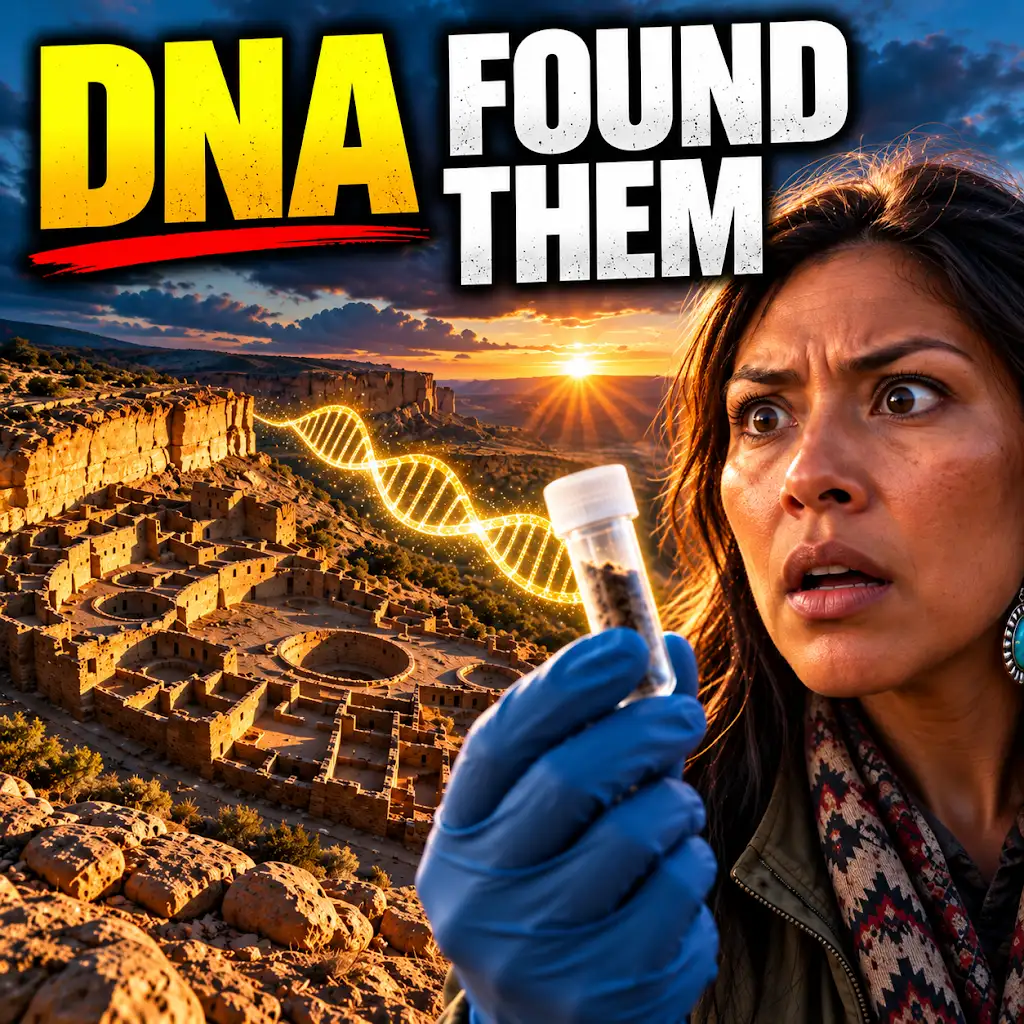
Ancient DNA Found a Living Link to Chaco Canyon
FAQs
What is ancient DNA and how is it used in Native American history?
Ancient DNA refers to genetic material extracted from archaeological remains. In the context of Native American history, ancient DNA analysis helps researchers understand the genetic origins, migrations, and population dynamics of indigenous peoples in the Americas.
What have studies of ancient DNA revealed about the peopling of the Americas?
Studies of ancient DNA have provided insights into the complex history of human migration into the Americas, including multiple waves of migration from different ancestral populations. These studies have also shed light on the genetic diversity and population interactions among Native American groups.
How does ancient DNA analysis contribute to our understanding of Native American cultures?
By analyzing ancient DNA, researchers can trace the genetic relationships between different Native American populations, reconstruct population movements, and investigate the genetic impact of historical events such as colonization and cultural exchanges. This information helps deepen our understanding of the cultural and genetic diversity of Native American communities.
What are some challenges associated with studying ancient DNA in Native American history?
Challenges in studying ancient DNA from Native American populations include the degradation of genetic material over time, the limited availability of well-preserved archaeological samples, and ethical considerations related to working with indigenous communities. Researchers must navigate these challenges carefully to ensure respectful and responsible research practices.
How can ancient DNA research benefit present-day Native American communities?
Ancient DNA research can help validate oral histories and traditional knowledge within Native American communities, provide insights into ancestral connections and migration patterns, and contribute to efforts in cultural revitalization and heritage preservation. By engaging with indigenous perspectives and collaborating with tribal communities, researchers can ensure that ancient DNA research benefits present-day Native American communities.