Unraveling ancient empires is a complex and ongoing endeavor that fascinates historians, archaeologists, and the public alike. These colossal entities, which once shaped vast swathes of the known world, leave behind a rich tapestry of evidence – monumental architecture, intricate artifacts, written records, and the very landscape they inhabited – all waiting to be deciphered. To truly understand them, one must embark on a journey of investigation, meticulously piecing together fragments of the past to re-imagine lives, societies, and the forces that propelled these civilizations to greatness and, ultimately, to their demise.
The emergence of empires was not a sudden, isolated event but a gradual culmination of various societal developments. These early empires, often rising from fertile river valleys, demonstrated a remarkable capacity for organization, resource management, and military expansion. Understanding their beginnings is crucial to grasping their subsequent reach and impact.
The Role of Geography and Resource Control
The foundational element for many early empires lay in their strategic geographical location and their ability to control vital resources.
Fertile River Valleys as Cradlelands
River systems like the Nile, the Tigris and Euphrates, and the Indus provided fertile land essential for agriculture. This agricultural surplus enabled the support of larger, non-farming populations, allowing for specialization and the development of complex societal structures. The predictable flooding cycles, while sometimes challenging, also provided a stable and abundant food source, leading to population growth and the establishment of permanent settlements that would eventually evolve into cities.
Access to Trade Routes and Strategic Materials
Beyond food production, access to trade routes and desirable materials played a significant role. Empires often emerged around choke points for trade or controlled regions rich in precious metals, stone, or timber. These resources were not only valuable for economic prosperity but also for military strength (e.g., bronze for weapons) and the construction of impressive public works that served to legitimize and solidify their rule. The control of these resources allowed for the accumulation of wealth, which could then be reinvested in further expansion and infrastructure.
Early Forms of Social and Political Stratification
The ability to manage resources and people led to the development of hierarchical social and political structures.
The Rise of Leadership and Authority
As societies grew in complexity, the need for centralized leadership became apparent. This could manifest in various forms, from charismatic war leaders to religious figures holding temporal power. The accumulation of wealth and military success often cemented the position of these leaders, paving the way for dynasties and inherited rule. The development of elaborate burial sites and monumental art often served to glorify these early rulers and establish their lineage.
The Emergence of Bureaucracy and Administration
Managing a growing population and vast territories required more than just a strong leader. The development of rudimentary administrative systems, including record-keeping (often in the form of early writing systems), taxation, and organized labor, was essential for the functioning of an early state and the eventual formation of an empire. These administrative structures, however primitive, laid the groundwork for the more sophisticated bureaucracies that characterized later empires.
The First Great Empires: Egypt, Mesopotamia, and Beyond
The civilizations of ancient Egypt and Mesopotamia are prime examples of early empires that laid the foundations for future imperialistic endeavors.
The Dynastic Period of Ancient Egypt
The unification of Upper and Lower Egypt under the first dynasty marked a significant turning point, leading to a remarkably stable and long-lasting civilization. The pharaoh, seen as a divine ruler, wielded immense power, orchestrating massive building projects and a complex administrative system that managed the Nile’s resources and the vast agricultural lands.
The City-States of Sumer and Akkad
In Mesopotamia, the Sumerian city-states, with their independent governments and development of early writing systems (cuneiform), were the forerunners of larger empires. The Akkadian Empire, under Sargon the Great, represented one of the first attempts at creating a truly unified Mesopotamian state that extended beyond a single city. This period saw the development of sophisticated legal codes and administrative practices that would influence subsequent empires.
Ancient empires were often shaped by various factors, including environmental changes that influenced migration patterns and the rise and fall of civilizations. For a deeper understanding of how environmental factors have historically impacted communities, you can explore the article on environmental migration, which discusses the consequences of such changes on societies throughout history. This article can be found at Environmental Migration: Understanding the Impact on Communities.
Structures of Power: Administration, Military, and Ideology
Once established, empires relied on sophisticated systems to maintain control over their vast territories and diverse populations. This involved a delicate balance of military might, effective administration, and the propagation of an overarching ideology that bound subjects together, at least in theory.
The Pillars of Imperial Governance
The ability of an empire to endure for centuries rested on its capacity for effective governance, a multi-faceted endeavor that involved intricate organizational frameworks.
Centralized Authority and Provincial Administration
Empires were typically characterized by a strong central authority, often embodied by an emperor or king. This authority was projected outwards through a system of provincial governors or viceroys who administered regions on behalf of the central government. The efficiency of this delegation of power, and the mechanisms for ensuring loyalty and accountability, were crucial for maintaining order and collecting tribute.
The Role of Law and Justice Systems
The establishment of codified laws and a functioning justice system was essential for maintaining social order and resolving disputes within the empire. These legal frameworks, often based on existing traditions but sometimes innovative, provided a measure of predictability and fairness, thereby fostering a sense of legitimacy for imperial rule. The severity of punishments could vary greatly, often reflecting social status.
Economic Management and Taxation
The economic engine of an empire was its ability to extract resources from its territories. This was achieved through complex taxation systems, often based on agricultural produce, trade goods, or labor. The efficient collection and redistribution of these resources fueled the imperial bureaucracy, the military, and ambitious public works projects. Sophisticated record-keeping was vital for managing these economic flows.
The Engine of Expansion: Military Might and Its Impact
The military was the instrument through which empires were forged, maintained, and expanded. It was a constant presence, both as a threat and a guarantor of security.
The Organization and Tactics of Imperial Legions
The effectiveness of an imperial army depended on its organization, training, and tactical prowess. Empires developed sophisticated military structures, from disciplined infantry legions to specialized cavalry units. Their logistics, supply lines, and ability to adapt to different terrains and enemy tactics were critical for their success on the battlefield.
The Psychological and Physical Impact of Conquest
Conquest by an empire had profound and often devastating consequences for the conquered populations. It involved the subjugation of local rulers, the imposition of new governance, and often the extraction of tribute and labor. For the conquered, this could mean the loss of autonomy, cultural disruption, and the imposition of new social hierarchies. Conversely, for the victors, it could mean immense wealth and prestige.
The Binding Force of Ideology and Religion
Beyond coercion, empires often relied on shared beliefs and ideologies to foster a sense of unity and loyalty among their diverse subjects.
State Religion and the Divine Mandate
Many empires incorporated a state religion, often elevating the ruler to a divine or semi-divine status. This offered a transcendental justification for their authority, suggesting that their rule was ordained by the gods. This religious ideology served to legitimize the empire and promote a sense of shared identity, even among disparate peoples.
Propaganda and Monumental Symbolism
Emperors commissioned grand monuments, epic poems, and public art to celebrate their achievements and reinforce their power. These forms of propaganda served to glorify the empire and its ruler, shaping public perception and fostering pride in imperial identity. The scale and artistry of these works were intended to inspire awe and demonstrate the empire’s might and cultural sophistication.
The Lifeblood of Empires: Economy, Trade, and Infrastructure
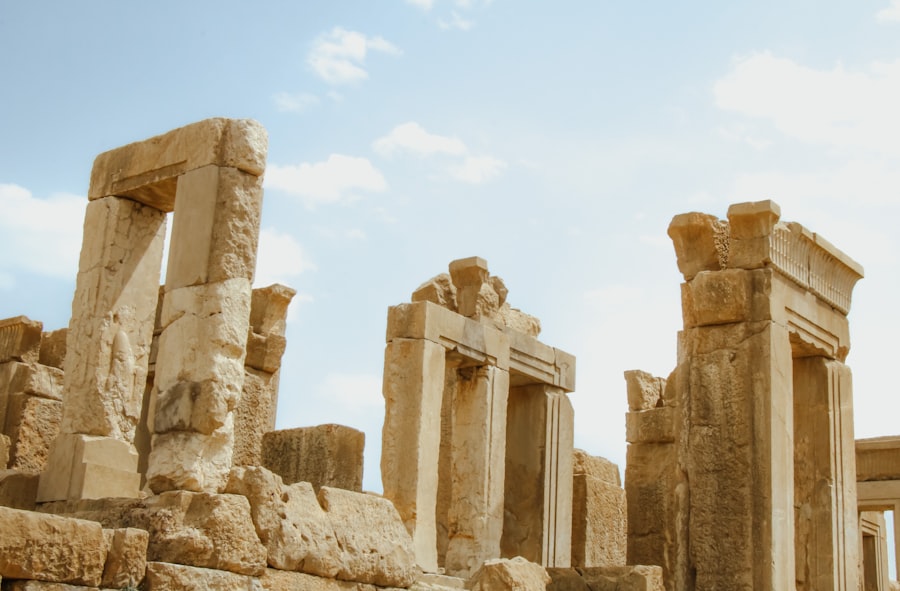
The sustained existence of an empire was inextricably linked to its economic vitality. This required efficient management of resources, extensive trade networks, and the development of infrastructure that facilitated both.
The Economic Engine of Empire
The wealth and prosperity of an empire were the foundation upon which its power rested. This wealth was generated through a variety of means, all carefully managed by the imperial administration.
Agricultural Production and Land Management
The vast majority of the population in most ancient empires were engaged in agriculture. Empires invested heavily in managing agricultural lands, developing irrigation systems, and ensuring the efficient distribution of grain. The control of fertile regions was a primary objective in imperial expansion, as it guaranteed a steady food supply and a significant source of tribute.
Craft Production and Artisanal Specialization
Beyond agriculture, empires fostered craft production and artisanal specialization. Skilled artisans produced a wide array of goods, from pottery and textiles to metalwork and luxury items. These goods not only served the needs of the imperial elite but also formed an important part of inter-regional and international trade, contributing to the empire’s overall wealth.
The Flow of Goods: Trade Routes and Marketplaces
Interconnectedness was the hallmark of any successful empire. Extensive networks of roads, waterways, and sea lanes facilitated the movement of goods across vast distances. Bustling marketplaces served as hubs for local and long-distance trade, where exotic commodities from distant lands could be exchanged. The control and security of these trade routes were paramount.
The Backbone of Empire: Infrastructure Projects
The construction and maintenance of infrastructure were not merely utilitarian endeavors but also powerful symbols of imperial authority and capability.
Transportation Networks: Roads and Canals
Empires invested enormous resources in building and maintaining sophisticated transportation networks. Well-maintained roads allowed for the rapid movement of troops, officials, and trade goods, while canals facilitated bulk transport and agricultural irrigation. These networks physically bound the empire together and demonstrated the emperor’s ability to organize and harness labor on a massive scale.
Public Works and Monumental Architecture
From magnificent palaces and temples to aqueducts and city walls, empires were defined by their monumental architecture. These projects served practical functions but also acted as powerful visual statements of imperial power, wealth, and cultural achievement. They were designed to inspire awe in subjects and rivals alike, solidifying the empire’s place in history.
Urban Centers and the Growth of Cities
The development of large, organized urban centers was a defining characteristic of ancient empires. These cities served as administrative, economic, and cultural hubs, attracting populations from surrounding regions. Their sophisticated infrastructure, including sewage systems and public amenities, demonstrated the technological prowess and organizational capacity of the empire.
Culture and Legacy: The Enduring Imprint of Ancient Empires

The influence of ancient empires extended far beyond their political and economic control. Their cultural innovations, intellectual achievements, and artistic expressions left an indelible mark on subsequent civilizations, shaping the course of human history in profound and lasting ways.
The Transmission of Knowledge and Ideas
The vast reach of empires facilitated the exchange and dissemination of knowledge across diverse cultures. This cross-pollination of ideas led to significant advancements in various fields.
Developments in Science, Mathematics, and Philosophy
Empires often served as fertile ground for intellectual pursuits. Scholars and thinkers within these societies made significant contributions to astronomy, medicine, mathematics, and philosophy. The preservation and translation of texts, often facilitated by imperial libraries, ensured the survival of this knowledge for future generations.
The Arts and Literature of Empire
Imperial courts often patronized the arts, leading to the creation of magnificent works of literature, sculpture, and painting. These artistic expressions often reflected imperial values, celebrated military victories, and depicted religious narratives. The influence of these artistic styles could be seen in the art of conquered territories and neighboring civilizations.
The Spread of Languages and Writing Systems
The administrative and economic needs of empires often led to the spread of dominant languages and writing systems. As empires expanded, their languages became the lingua franca of trade and governance, influencing local dialects and even leading to the development of new scripts. The legacy of these languages can still be traced in modern tongues.
The Archaeology of Empire: Unearthing the Past
Archaeology plays a pivotal role in unraveling the mysteries of ancient empires. Excavations unearth tangible evidence that allows us to reconstruct their lives, societies, and achievements.
Excavations and Artifact Discovery
Systematic archaeological excavations at ancient sites provide invaluable insights into the daily lives of people, their social structures, and their technological capabilities. The discovery of artifacts, from simple tools to elaborate artistic masterpieces, offers concrete evidence of their existence and achievements.
Deciphering Ancient Texts and Inscriptions
The decipherment of ancient languages and writing systems has been crucial for understanding the history and culture of empires. Inscriptions on monuments, papyri, and clay tablets provide firsthand accounts of rulers, events, and beliefs, offering a direct link to the past.
Reconstructing Urban Landscapes and Daily Life
Archaeological techniques allow for the reconstruction of ancient urban landscapes, revealing the layout of cities, the design of buildings, and the infrastructure that supported them. This level of detail helps us to understand how these societies functioned on a day-to-day basis, from the grand plazas to the humble dwellings.
Exploring the fascinating world of ancient empires can lead to a deeper understanding of their monumental achievements, such as the Seven Wonders of the Ancient World. These wonders not only reflect the architectural prowess of their time but also provide insight into the cultures that created them. For those interested in learning more about these iconic structures and their historical significance, you can read a related article that delves into this topic further at discovering the Seven Wonders of the Ancient World. This exploration reveals how these wonders continue to inspire awe and curiosity in modern society.
The Decline and Fall: Cycles of Imperial Transformation
| Empire | Duration | Territory | Notable Achievements |
|---|---|---|---|
| Egyptian Empire | circa 3100 BCE – 332 BCE | Egypt and surrounding regions | Construction of pyramids, development of hieroglyphic writing |
| Roman Empire | 27 BCE – 476 CE | Europe, North Africa, and Middle East | Establishment of a vast road network, development of Roman law |
| Greek Empire | 800 BCE – 146 BCE | Greece and Mediterranean regions | Founding of democracy, advancements in philosophy and arts |
The grandeur of ancient empires, however impressive, was rarely eternal. They were subject to internal stresses and external pressures that ultimately led to their decline and transformation, often paving the way for new political entities.
Internal Factors Contributing to Decline
The seeds of an empire’s downfall were often sown from within, stemming from a range of internal weaknesses and challenges.
Economic Stagnation and Social Unrest
Over time, empires could suffer from economic decline, marked by inflation, debt, or the depletion of resources. This, coupled with growing social inequality, widespread corruption, and the burden of maintaining a vast military, could lead to widespread discontent and internal unrest, challenging the stability of the ruling elite.
Succession Crises and Weak Leadership
The orderly transfer of power was a perennial challenge for many empires. Succession crises, often marked by civil wars or struggles for the throne, could weaken the central government and create opportunities for internal factions or external enemies to exploit the instability. Weak or ineffective leadership could exacerbate these problems.
Overextension and Administrative Strain
The very act of empire building, of expanding territorial control, could become a liability. Maintaining vast borders, managing diverse populations, and projecting military power across enormous distances placed immense strain on the empire’s administrative and logistical capabilities, leading to inefficiencies and vulnerabilities.
External Pressures and the Erosion of Power
In addition to internal issues, empires were constantly subject to external threats that chipped away at their strength and ultimately contributed to their collapse.
Barbarian Invasions and Migrations
Empires were often challenged by migrating peoples or organized “barbarian” groups who sought to exploit their weakened borders or carve out new territories for themselves. These invasions, whether sustained or episodic, could drain imperial resources and lead to the loss of significant territory.
The Rise of Rival Powers
As empires grew, so too did the potential for rival powers to emerge and challenge their dominance. The competition for resources, trade routes, and geopolitical influence could lead to prolonged periods of conflict, eventually weakening the established empire and allowing a new power to ascend.
Environmental Catastrophes and Disease
Unforeseen environmental factors, such as prolonged droughts, famines, or widespread disease outbreaks, could significantly impact an empire’s agricultural output, weaken its population, and strain its resources. These natural disasters could exacerbate existing vulnerabilities and accelerate the process of decline.
The Legacy of Empires: Transformation, Not Erasure
The fall of an empire was rarely a definitive end but rather a transformation. The structures, ideas, and cultural contributions of these fallen giants often persisted, influencing the successor states and shaping the trajectory of future civilizations. Understanding the intricate ways in which ancient empires rose, flourished, and declined offers invaluable lessons about the dynamics of power, the complexities of human societies, and the enduring, albeit often reconfigured, imprint of the past on the present. The unraveling of these ancient empires remains a compelling intellectual pursuit, continually revealing new layers of understanding about the human story.

How an Entire Civilization Collapsed
FAQs
What were some of the most powerful ancient empires?
Some of the most powerful ancient empires include the Roman Empire, the Persian Empire, the Egyptian Empire, the Greek Empire, and the Chinese Empire.
What were the key characteristics of ancient empires?
Ancient empires were characterized by strong centralized governments, vast territorial holdings, sophisticated infrastructure, advanced military capabilities, and complex social hierarchies.
How did ancient empires rise to power?
Ancient empires often rose to power through conquest, military expansion, strategic alliances, and the development of advanced administrative and bureaucratic systems.
What were the main contributions of ancient empires to human civilization?
Ancient empires made significant contributions to human civilization in the areas of art, architecture, literature, philosophy, science, technology, and governance.
What led to the decline and fall of ancient empires?
The decline and fall of ancient empires were often attributed to factors such as internal strife, external invasions, economic instability, overextension of resources, and the inability to adapt to changing geopolitical realities.