The whisper of lost generations, once buried deep within fossilized bone and calcified tooth, is now being amplified by the silent revolution of ancient DNA. For millennia, our understanding of prehistoric humanity was pieced together through the fragments of material culture and the scarce fossil record. Archaeologists and anthropologists meticulously unearthed tools, settlements, and skeletal remains, inferring lifestyles, migrations, and relationships with painstaking deliberation. Yet, a fundamental barrier persisted: the direct genetic lineage, the very blueprint of who these ancient individuals were, remained largely inaccessible. The advent of paleogenomics has shattered this barrier, offering an unprecedented window into the biological past, allowing us to unravel the intricate tapestry of human evolution, migration, and adaptation with breathtaking clarity.
The journey of extracting ancient DNA, or aDNA, is a remarkable feat of scientific ingenuity, requiring a delicate dance between preservation and extraction. The very conditions that tend to preserve ancient remains – cold, dry environments, or mineralized sediments – are paradoxically the same conditions that degrade DNA. Exposure to water, UV radiation, and microbial activity relentlessly break down the long, helical strands of our genetic code into fragmented, often corrupted, pieces. This inherent fragility meant that for decades, the possibility of recovering functional genetic material from specimens tens of thousands of years old was considered a distant dream.
The Challenges of Contamination
One of the most formidable hurdles in aDNA research is contamination. Modern human DNA is everywhere, clinging to our clothes, our breath, and our touch. Even the most sterile laboratory environments can fall prey to this pervasive presence. Imagine trying to decipher a faint, ancient whisper in a crowded, noisy room. Scientists have developed rigorous protocols to mitigate contamination, including working in dedicated cleanrooms, wearing specialized full-body suits, and meticulously cleaning all excavated materials. The advent of advanced sequencing technologies and bioinformatics tools has also allowed researchers to identify and filter out contaminating sequences, distinguishing the faint echoes of ancient genomes from the loud pronouncements of modern ones.
The Technological Leap: From Fragments to Genomes
The breakthrough in aDNA research came with the development of high-throughput sequencing technologies, initially pioneered for modern human genomics. These technologies allowed scientists to read vast numbers of DNA fragments simultaneously, dramatically increasing the efficiency and speed of genetic analysis. Coupled with sophisticated computational methods for reconstructing fragmented genomes, researchers could now piece together ancient genetic puzzles that were previously insurmountable. The ability to sequence even degraded and damaged DNA, once a limiting factor, has been transformed by techniques that can detect and correct common damage patterns found in aDNA.
The Ethical Considerations of Ancient Genomes
As we delve deeper into the genetic past, ethical considerations become paramount. The study of ancient human remains raises questions about the dignity of the deceased, the ownership of ancestral remains, and the potential for misinterpretation or misuse of genetic data. Researchers are increasingly engaging with descendant communities, seeking consent for research, and ensuring that findings are communicated respectfully and inclusively. The potential for genetic information to be used to reinforce harmful stereotypes or to make unsubstantiated claims about ancestry requires careful consideration and responsible scientific practice.
Recent advancements in genetic research have shed light on the lives of ancient humans, revealing fascinating insights into their migration patterns and interactions. For a deeper understanding of how these discoveries intersect with contemporary issues, you might find the article on Middle East geopolitics intriguing. It discusses the challenges and opportunities in the region, which can be contextualized through the lens of historical human movements and genetic diversity. You can read more about it here: Navigating Middle East Geopolitics: Challenges and Opportunities.
Reconstructing Migratory Pathways: Following the Footprints of Our Ancestors
Perhaps one of the most profound contributions of ancient DNA to our understanding of human history lies in its ability to illuminate the vast and complex migratory journeys of our ancestors. For millennia, humans have dispersed across the globe, populating continents and adapting to diverse environments. While archaeology could infer movements through the spread of tools and cultural practices, aDNA provides the indisputable genetic evidence of these movements, tracing lineages and revealing the genetic admixture that occurred at different times and places.
The Out of Africa Narrative Revisited
The “Out of Africa” model, positing that Homo sapiens originated in Africa and subsequently migrated out to populate the rest of the world, has been a cornerstone of paleoanthropology. Ancient DNA has overwhelmingly supported and refined this narrative. Studies of ancient genomes from Africa, the Middle East, Europe, and Asia have revealed the genetic signatures of these early migrations, tracing the routes taken and the timing of dispersal. We can now identify specific ancestral populations within Africa whose descendants spread outwards and understand the genetic bottlenecks and founder effects that occurred during these long journeys.
Unveiling the Complexities of European Peopling
The peopling of Europe, a region with a rich and complex archaeological record, has been significantly illuminated by aDNA. Studies of Mesolithic hunter-gatherers, Neolithic farmers, and Bronze Age pastoralists have revealed a dynamic history of population replacement and admixture. We now understand that the earliest inhabitants of Europe, the descendants of the initial “Out of Africa” migrants, were genetically distinct from later arrivals. The arrival of Anatolian farmers in the Neolithic brought a significant genetic influx, fundamentally altering the European genetic landscape. Later, the Yamnaya culture, associated with the spread of Indo-European languages, introduced steppe ancestry, further shaping the genetic makeup of modern Europeans.
The Mysteries of the Americas Unraveled
The peopling of the Americas, a continent isolated for thousands of years, has been a subject of intense debate. Ancient DNA has provided crucial insights, confirming that the first Americans originated from ancient Northeast Asian populations, migrating across the Bering land bridge. Studies of ancient Siberian genomes have revealed the ancestral populations that contributed to the peopling of the Americas, and subsequent analyses of Native American aDNA have shown remarkable genetic continuity and diversity across the continent. Furthermore, the discovery of extinct groups like the Denisovans in Siberia has opened up new avenues of research, suggesting potential ancient connections and migrations between these enigmatic hominins and the ancestors of Native Americans.
Understanding Human Adaptation: The Genetic Blueprint for Survival

Beyond charting migration routes, ancient DNA has provided invaluable insights into how our ancestors adapted to diverse and often challenging environments. From the frigid landscapes of the Arctic to the high altitudes of the Himalayas, humans have evolved a remarkable suite of genetic adaptations that have allowed them to thrive. aDNA allows us to pinpoint the specific genes responsible for these adaptations and to determine when and where these genetic changes first emerged.
Thriving in the Cold: Adaptations to Arctic Environments
The peopling of the Arctic by groups like the Inuit and Yupik peoples is a testament to human resilience and adaptation. Ancient genomes from these populations have revealed specific genetic variants that confer resistance to cold temperatures. For instance, genes involved in regulating metabolism and fat storage, such as UCP1, have been identified as crucial for survival in frigid climates. By studying ancient individuals from these regions, researchers can trace the evolutionary history of these adaptations, observing when these beneficial mutations became prevalent and how they spread through populations.
High Altitude Living: The Genetics of Oxygen Tolerance
Another remarkable example of human adaptation is the ability of certain populations to thrive at high altitudes, where oxygen levels are significantly lower. Populations such as the Tibetans and Andean peoples have evolved distinct genetic strategies to cope with these conditions. Ancient DNA studies of early high-altitude dwellers have begun to identify the genetic changes that facilitated this adaptation. For example, research on ancient Tibetan genomes has identified gene variants that enhance oxygen transport and utilization, allowing them to efficiently function in hypoxic environments.
Dietary Shifts and Disease Resistance
Ancient DNA has also shed light on how our ancestors adapted to changing diets and acquired resistance to various diseases. The transition from hunter-gatherer lifestyles to agriculture brought about significant dietary shifts, and ancient genomes reveal the genetic consequences of these changes. For example, the ability to digest lactose into adulthood, a trait common in many modern populations, evolved with the advent of dairying. Similarly, as populations became denser and lived in closer proximity to domesticated animals, they developed resistance to new infectious diseases. aDNA allows us to track the emergence of these resistance genes and to understand their evolutionary trajectory.
Unraveling the Mysteries of Ancient Populations: Beyond the Known

Ancient DNA has gone beyond simply confirming existing hypotheses; it has also unearthed entirely new chapters in the human story, revealing the existence of previously unknown hominin groups and blurring the lines between what we thought we knew about our evolutionary past.
The Denisovans: A Ghostly Presence in Our Genome
Perhaps one of the most astonishing discoveries in paleogenomics is the identification of the Denisovans, a hominin group distinct from Neanderthals and Homo sapiens. Known primarily from a few fragmented fossils and their genetic legacy, Denisovans were identified through DNA extracted from a finger bone found in Denisova Cave in Siberia. Subsequent studies have revealed that Denisovans interbred with the ancestors of modern humans, leaving a genetic imprint in various populations today, particularly in Melanesia and East Asia. Their existence fundamentally alters our understanding of hominin diversity in Eurasia during the Pleistocene.
The Interplay with Neanderthals: A Complex Ancestral Relationship
The relationship between Homo sapiens and Neanderthals has been a long-standing focus of research. Ancient DNA has confirmed that interbreeding occurred between these two groups, and most non-African modern humans carry approximately 1-4% Neanderthal DNA. This genetic legacy has been linked to various traits in modern humans, including immune system function and susceptibility to certain diseases. Furthermore, the study of Neanderthal genomes from different regions and time periods reveals their own complex population structure and dispersal patterns, suggesting they were not a monolithic entity but a diverse group adapting to different environments.
The Enigma of Ancient Admixture: More Than Just Two Players
The narrative of human evolution is increasingly being understood as a complex interplay of multiple hominin groups. Ancient DNA studies are consistently revealing instances of admixture between different archaic and modern human populations. This suggests that the genetic landscape of the past was far more intricate than previously imagined, with periods of interaction and interbreeding between various groups across Eurasia and beyond. The ongoing analysis of ancient genomes continues to uncover new instances of these complex ancestral relationships.
Recent studies have shown how DNA analysis can provide significant insights into the lives of ancient humans, revealing their migration patterns and genetic diversity. For those interested in exploring related topics, an intriguing article discusses the implications of genetic research in understanding our past and its relevance to modern society. You can read more about it in this fascinating piece that delves into the connections between ancient DNA and contemporary human behavior.
The Future of Paleogenomics: Expanding the Frontiers of Knowledge
| Topic | Details |
|---|---|
| Genetic Variation | DNA reveals the genetic variation among ancient human populations. |
| Migrations | DNA analysis helps in tracing the migration patterns of ancient humans. |
| Population Mixing | It provides insights into the interbreeding and mixing of different ancient human populations. |
| Adaptations | DNA reveals the genetic adaptations of ancient humans to different environments and lifestyles. |
The field of paleogenomics is still in its nascent stages, and the potential for future discoveries is immense. As technologies continue to advance and our understanding of ancient DNA degradation and preservation deepens, we can expect even more profound insights into our evolutionary past.
Recovering DNA from Ever Older and More Degraded Remains
Future research aims to push the boundaries of DNA recovery, targeting older and more degraded specimens. This may involve developing novel extraction techniques, utilizing more sensitive sequencing technologies, and employing advanced computational methods to reconstruct genomes from even more fragmented and damaged material. The potential to access genetic information from hominin fossils millions of years old, if technically feasible, would revolutionize our understanding of early human evolution.
The Role of Environmental DNA (eDNA)
Beyond skeletal remains, the environment itself holds clues to the genetic makeup of past populations. The concept of environmental DNA (eDNA) – DNA shed into the environment by organisms – is opening up new avenues for research. By analyzing sediment samples from caves or ancient lakebeds, researchers may be able to detect the genetic signatures of past hominins, even in the absence of fossilized remains. This could provide a far broader and more widespread glimpse into past human presence.
Integrating Genetics with Archaeology and Anthropology
The true power of paleogenomics lies in its integration with other scientific disciplines. By combining genetic data with archaeological evidence, anthropological interpretations, and paleoenvironmental reconstructions, we can build a more holistic and nuanced picture of human history. This interdisciplinary approach allows us to connect genetic lineages to cultural practices, migration patterns, and environmental pressures, providing a richer and more complete understanding of who we were and how we became who we are today.
In conclusion, the unraveling of ancient human genomes has transformed our understanding of our species. From the intricate routes of migration to the subtle adaptations that allowed our ancestors to survive and thrive, ancient DNA offers irrefutable evidence, painting a picture of a dynamic and complex evolutionary past. As this field continues to blossom, we can anticipate further revelations that will undoubtedly redefine our ancestral narrative, connecting us to the deep currents of human history in ways we could only have dreamed of just a few decades ago. The echoes of our ancient kin, once faint whispers, are now resonating with unprecedented clarity, guiding us on an ongoing journey of self-discovery.
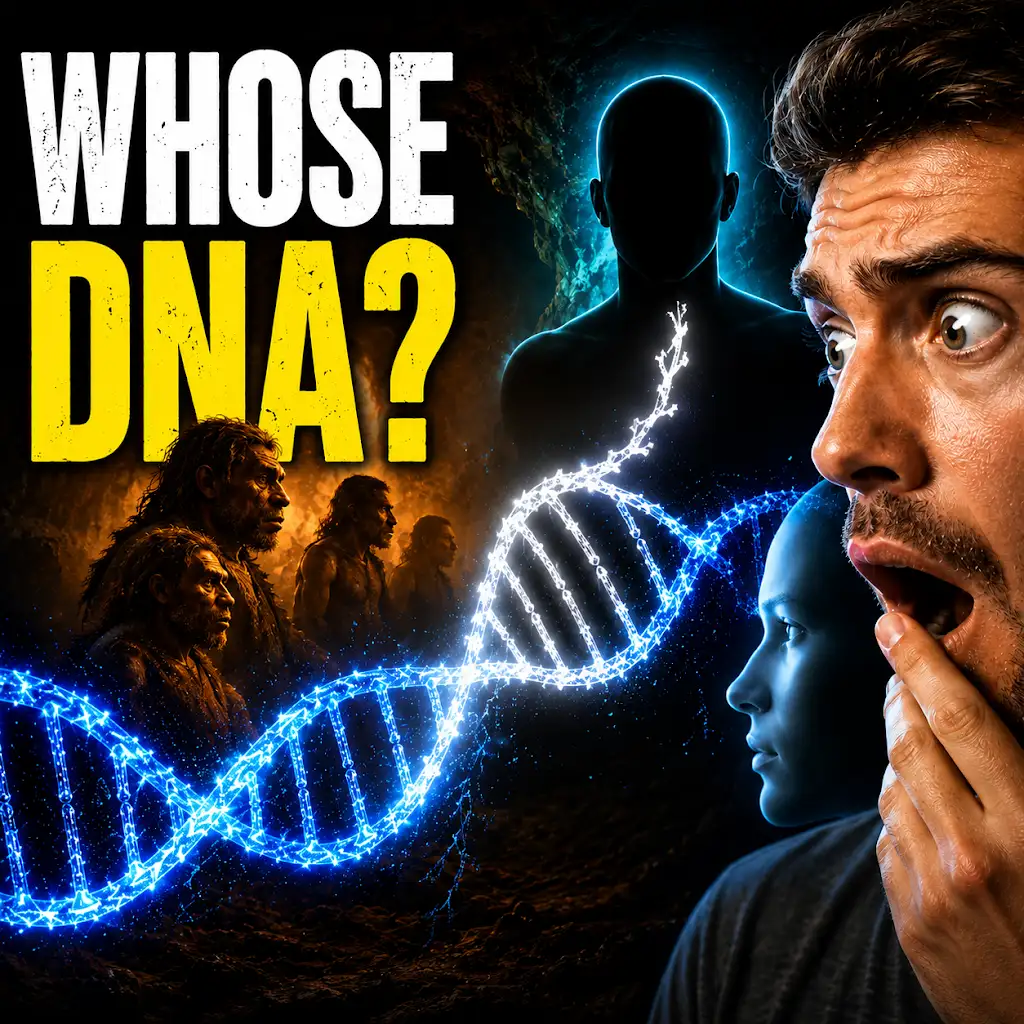
Scientists Found Two Unknown Human Ancestors Hiding in Your DNA
FAQs
What is DNA and how does it reveal information about ancient humans?
DNA, or deoxyribonucleic acid, is a molecule that contains the genetic instructions for the development and function of all living organisms. By studying ancient human DNA, scientists can learn about the genetic makeup, migration patterns, and evolutionary history of ancient human populations.
How do scientists extract and analyze ancient human DNA?
Scientists extract ancient human DNA from skeletal remains, teeth, and other preserved biological materials. They use specialized laboratory techniques to isolate and sequence the DNA, allowing them to analyze the genetic information and compare it to modern human populations.
What have scientists learned about ancient humans from DNA analysis?
DNA analysis has revealed important information about ancient human migration patterns, interbreeding with other hominid species, and genetic adaptations to different environments. It has also provided insights into the relationships between different ancient human populations and their connections to modern humans.
What are some of the challenges and limitations of studying ancient human DNA?
Challenges in studying ancient human DNA include degradation of the genetic material over time, contamination from modern DNA, and the difficulty of obtaining well-preserved samples. Additionally, ethical considerations and cultural sensitivities must be taken into account when working with ancient human remains.
How does the study of ancient human DNA contribute to our understanding of human evolution and history?
Studying ancient human DNA helps to fill in gaps in our understanding of human evolution and history, providing valuable insights into the origins of modern humans, the movements of ancient populations, and the genetic diversity of our species. This information can also have important implications for fields such as anthropology, archaeology, and medical genetics.