
Echoes from the Fertile Crescent: A Glimpse into the Dawn of Civilization
The documentary “Unraveling Ancient Mesopotamia: Human Origins” offers viewers an extraordinary journey back in time, venturing into the cradle of civilization, the land between the Tigris and Euphrates rivers. This meticulously crafted film delves into the very foundations of human society, exploring how a confluence of geographical advantages and human ingenuity gave rise to some of the earliest known complex societies. It’s a narrative that transcends mere historical recitation, instead weaving a compelling tapestry of discovery, innovation, and the enduring human drive to organize, build, and understand. The documentary doesn’t just present facts; it invites contemplation on the profound legacy of this region, a legacy that continues to shape our modern world in ways we often take for granted. From the birth of writing to the development of sophisticated legal codes, the innovations born in ancient Mesopotamia resonate through millennia, forming an essential part of the human story.
For those interested in the fascinating history of ancient Mesopotamia and the origins of humanity, a related article titled “Unearthed: Impossible Artifacts Found” offers intriguing insights into the discoveries that challenge our understanding of early civilizations. This article delves into various artifacts that have been unearthed, prompting discussions about the advanced capabilities of ancient societies. To explore this captivating topic further, you can read the article here: Unearthed: Impossible Artifacts Found.
The Mesopotamian Landscape: A Fertile Ground for Innovation
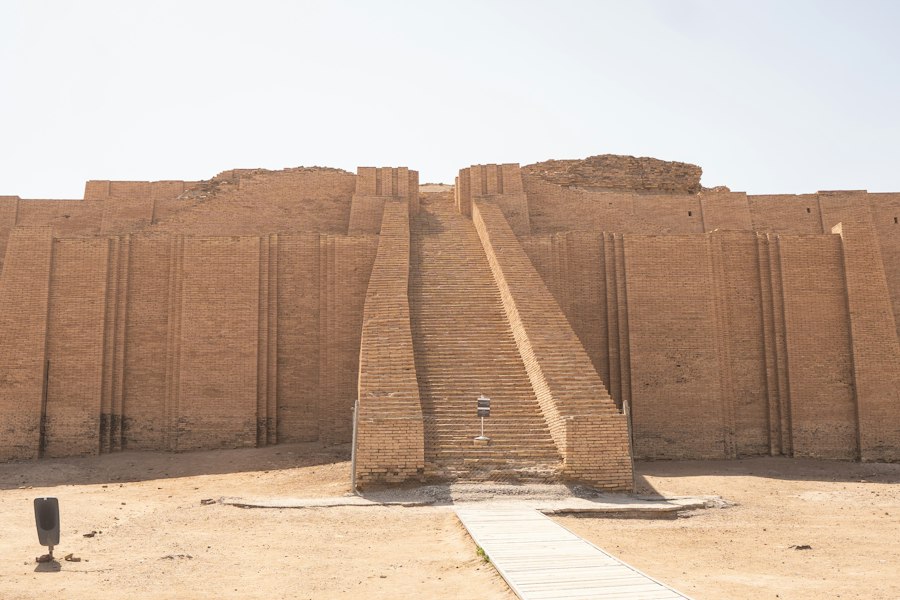
The film begins by meticulously setting the scene, introducing the unique geographical context that made Mesopotamia a fertile ground for the burgeoning of civilization. The documentary emphasizes that this seemingly simple environment, characterized by its two mighty rivers, was in fact a complex and often challenging landscape. The Tigris and Euphrates, while providing essential water for agriculture, also presented a formidable force. Their unpredictable floods, though vital for irrigating the land and depositing nutrient-rich silt, could also be destructive. It was this delicate balance between bounty and threat that spurred early Mesopotamians to develop sophisticated solutions.
Harnessing the Rivers: The Genesis of Irrigation
“Unraveling Ancient Mesopotamia” vividly illustrates how the inhabitants of this region were pioneers in hydraulic engineering. The documentary showcases early attempts to control and channel the river waters, moving beyond simple rain-fed agriculture. Viewers witness the development of rudimentary canals, dams, and reservoirs, all designed to manage water resources effectively. This mastery over water was not merely an agricultural endeavor; it was a fundamental step in the development of organized labor and a hierarchical society. The construction and maintenance of these complex irrigation systems required collective effort, coordination, and leadership, laying the groundwork for larger societal structures. The film uses CGI reconstructions and archaeological evidence to bring these ancient engineering marvels to life, demonstrating the ingenuity and foresight of these early peoples. The impact of these irrigation techniques is portrayed as revolutionary, allowing for surplus food production, which in turn freed up a portion of the population to pursue specialized crafts and knowledge.
The Gift of Silt: Nourishing the Land
Beyond the sheer volume of water, the documentary highlights the critical role of the rivers’ annual floods in depositing fertile silt. This natural fertilization process was crucial for maintaining agricultural productivity in the alluvial plains. The film explains how the Mesopotamians understood and utilized this natural phenomenon, relying on the predictable rhythm of the floods to sustain their crops. This understanding of natural cycles and their agricultural applications underscores the deep connection these early societies had with their environment. The surplus food generated by this fertile land was not just for immediate consumption; it was the very engine that propelled further societal development. It allowed for the growth of urban centers, supported specialized labor, and facilitated trade, all cornerstones of a developing civilization.
The Rise of Cities: Centers of Power and Culture
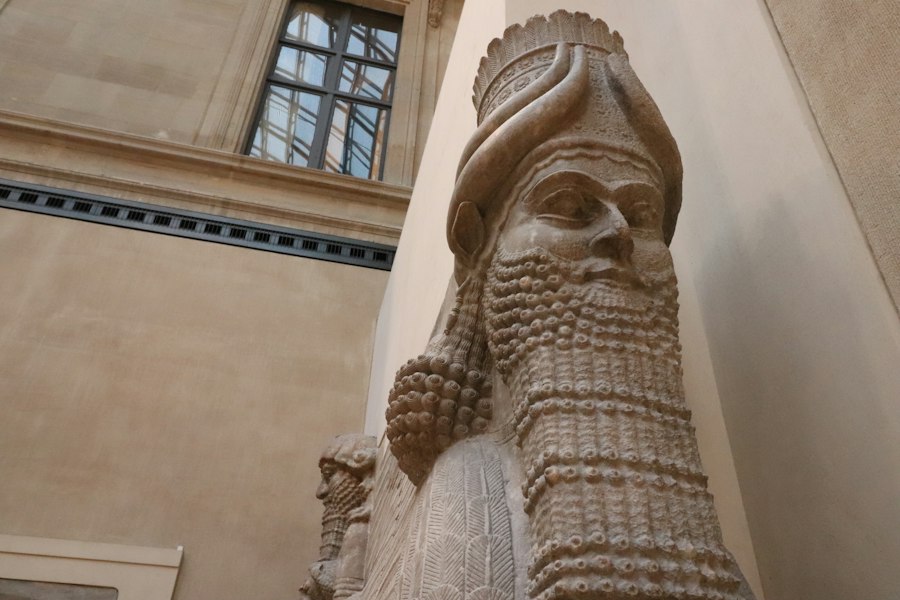
The documentary then shifts its focus to the emergence of cities, perhaps the most iconic and enduring legacy of Mesopotamia. It argues that the agricultural surplus, made possible by the rivers and irrigation, was the catalyst for urban development. These cities were not merely collections of houses; they were complex, organized entities that served as centers of political power, religious devotion, economic activity, and cultural innovation. “Unraveling Ancient Mesopotamia” brings these ancient metropolises to life, utilizing archaeological findings and expert commentary to paint a vivid picture of urban life thousands of years ago.
Uruk and the Dawn of Urbanism
A significant portion of the film is dedicated to the city of Uruk, often cited as one of the world’s first true cities. Viewers are introduced to the monumental architecture of Uruk, including its grand temples and defensive walls, which speak volumes about its social organization and power structures. The documentary explores the concept of the city-state, a political unit where the city and its surrounding territory were governed as a single entity. The scale of Uruk’s construction implies a sophisticated level of planning, labor management, and resource allocation, demonstrating a leap in human organizational capacity. The film emphasizes that the growth of cities like Uruk marked a fundamental shift in human settlement patterns, moving away from scattered agricultural communities towards concentrated hubs of human activity.
Social Stratification and Specialization
The rise of cities inherently led to increased social stratification and specialization. The documentary explains how the surplus of food allowed for individuals to dedicate their lives to occupations other than farming. This led to the emergence of artisans, scribes, priests, merchants, and administrators. These specialized roles were crucial for the functioning and growth of urban centers. The film explores the evidence for this social hierarchy, from the opulent burials of the elite to the distinct living quarters found in archaeological digs. The development of distinct social classes meant that power, wealth, and influence became increasingly concentrated, leading to the establishment of ruling elites and the formalization of governance. This complex social tapestry is presented as a natural consequence of concentrated human population and resource management within these burgeoning urban environments.
The Invention of Writing: The Power of the Written Word
Perhaps the most profound and impactful innovation explored in “Unraveling Ancient Mesopotamia” is the invention of writing. The documentary argues that the complexities of managing large urban populations and extensive trade networks necessitated a system for recording information. This need gave birth to cuneiform, one of the earliest known forms of written communication. The film delves into the origins and evolution of cuneiform, showcasing how it transitioned from simple pictographs to a sophisticated system of wedge-shaped marks impressed on clay tablets.
Cuneiform: From Record-Keeping to Literature
The documentary meticulously details the practical applications of early writing. Initially, cuneiform was primarily used for administrative purposes, such as recording inventories, transactions, and labor. However, the film highlights how writing quickly evolved to encompass more complex forms of communication. Viewers are shown examples of early legal codes, religious texts, and even epic literature, such as the Epic of Gilgamesh. This demonstrates the transformative power of writing, enabling the preservation and transmission of knowledge, culture, and history across generations. The filmmakers use animated sequences to illustrate the process of writing cuneiform and the decipherment efforts that have allowed us to understand these ancient texts. The impact of this invention cannot be overstated; it marks the transition from prehistory to history, allowing for a detailed understanding of these ancient societies and their thoughts.
The Scribe’s Role in Society
The film also sheds light on the vital role of scribes in Mesopotamian society. These individuals were highly educated and held positions of significant influence. Their ability to read and write made them indispensable for the functioning of government, temples, and businesses. “Unraveling Ancient Mesopotamia” explores the training and lifestyle of scribes, revealing a rigorous education system and the prestige associated with their profession. The documentary emphasizes that scribes were not just record-keepers; they were the custodians of knowledge, the keepers of history, and the facilitators of complex communication. Their work formed the bedrock of administration, law, and intellectual life in these ancient societies, and their legacy is directly responsible for the wealth of information we possess about them today.
In exploring the fascinating history of ancient Mesopotamia and its significance in human origins, one can gain deeper insights into the transformative shifts in civilization. For a broader perspective on how historical changes continue to shape modern society, you might find it interesting to read about the recent trends in manufacturing in the southern United States. This article highlights the ongoing evolution of industries and economies, drawing parallels to the foundational shifts that occurred in ancient cultures. To learn more about this topic, check out the article here.
Law and Governance: Establishing Order in Society
| Metric | Details |
|---|---|
| Documentary Title | Ancient Mesopotamia: Human Origins |
| Duration | 90 minutes |
| Release Year | 2023 |
| Focus Area | Origins of human civilization in Mesopotamia |
| Key Topics Covered | Early agriculture, city-states, writing systems, social hierarchy |
| Primary Archaeological Sites Featured | Uruk, Ur, Eridu, Babylon |
| Languages Discussed | Sumerian, Akkadian |
| Experts Interviewed | 5 leading archaeologists and historians |
| Production Company | History Insights Media |
| Viewer Rating | 4.7/5 |
The documentary dedicates a substantial section to the development of law and governance in ancient Mesopotamia, recognizing it as a crucial step in the evolution of human civilization. As societies grew more complex and populations denser, the need for established rules and a system of justice became paramount. The film showcases the groundbreaking efforts of Mesopotamians to codify laws and establish systems of governance that provided a framework for social order and dispute resolution.
The Code of Hammurabi: A Landmark Legal Document
A central focus of this section is the Code of Hammurabi, one of the earliest and most famous legal codes in history. “Unraveling Ancient Mesopotamia” presents the stele of Hammurabi, detailing its inscription and explaining the principles behind its laws. The documentary discusses the concept of “an eye for an eye” and the varying punishments prescribed for different social classes, offering insights into the Mesopotamian understanding of justice and social hierarchy. The film emphasizes that this code was not just a set of rules but a public declaration of the king’s commitment to justice and order, intended to unify his kingdom and ensure fair treatment, at least according to their understanding. The documentary uses expert analysis to contextualize Hammurabi’s code within the broader legal traditions of the ancient Near East, highlighting its unique contributions and its enduring influence.
Early Forms of Administration and Bureaucracy
Beyond written laws, the documentary explores the development of administrative structures and early forms of bureaucracy. The film illustrates how city-states evolved sophisticated systems for taxation, resource management, and public works. The existence of complex administrative records, preserved on clay tablets, allows us to glimpse into the daily operations of these ancient governments. The documentary explains how these early bureaucratic systems were essential for the effective functioning of urban centers, enabling the collection of taxes, the organization of labor for public projects, and the maintenance of order. The film presents these administrative innovations as crucial precursors to modern governmental systems, demonstrating the long and continuous evolution of human attempts to organize and govern ourselves.
Enduring Legacy: Echoes of Mesopotamia in the Modern World
The documentary concludes by reflecting on the profound and often overlooked legacy of ancient Mesopotamia. “Unraveling Ancient Mesopotamia: Human Origins” powerfully argues that many of the fundamental elements of modern civilization have their roots in this ancient land. The film encourages viewers to recognize the indelible mark left by Mesopotamian innovations on the trajectory of human history.
The Genesis of Mathematics and Astronomy
The film highlights the significant contributions of Mesopotamians to the fields of mathematics and astronomy. Viewers are introduced to their sophisticated number system, based on units of 60, which has influenced our modern system of timekeeping and the division of circles. The documentary also explores their detailed astronomical observations, which led to the development of calendars and a foundational understanding of celestial movements. These intellectual pursuits, driven by practical needs and a desire to understand the cosmos, laid the groundwork for future scientific advancements. The documentary illustrates how their astronomical observations were not merely theoretical but had practical applications in agriculture and religious practices.
Seeds of Modern Governance and Social Structures
Finally, the documentary reiterates how Mesopotamian innovations in law, governance, and urban planning have had a lasting impact on the development of societies worldwide. The concept of codified law, centralized administration, and organized urban living, all pioneered in Mesopotamia, provided blueprints for future civilizations. The film suggests that understanding these ancient origins is crucial for comprehending the evolution of human society and the challenges and opportunities we face today. The documentary leaves the viewer with a sense of awe and appreciation for the intellectual and organizational achievements of these ancient peoples, underscoring that the echoes of their ingenuity continue to resonate in our modern world, shaping our lives in ways we may not always consciously recognize.

The Anunnaki Origin Story Changes When You Read the Tablets
FAQs
What is the documentary about?
The documentary explores the origins of human civilization in ancient Mesopotamia, focusing on the development of early societies and cultures in the region.
Who created the documentary?
The documentary was created by a team of historians, archaeologists, and researchers who specialize in the study of ancient Mesopotamia.
What time period does the documentary cover?
The documentary covers the time period from the Neolithic era to the Bronze Age, highlighting key developments in agriculture, technology, and social organization in ancient Mesopotamia.
What evidence is presented in the documentary?
The documentary presents archaeological findings, historical texts, and scientific research to support its exploration of human origins in ancient Mesopotamia.
Where can I watch the documentary?
The documentary may be available for viewing on streaming platforms, educational websites, or through the production company’s website.