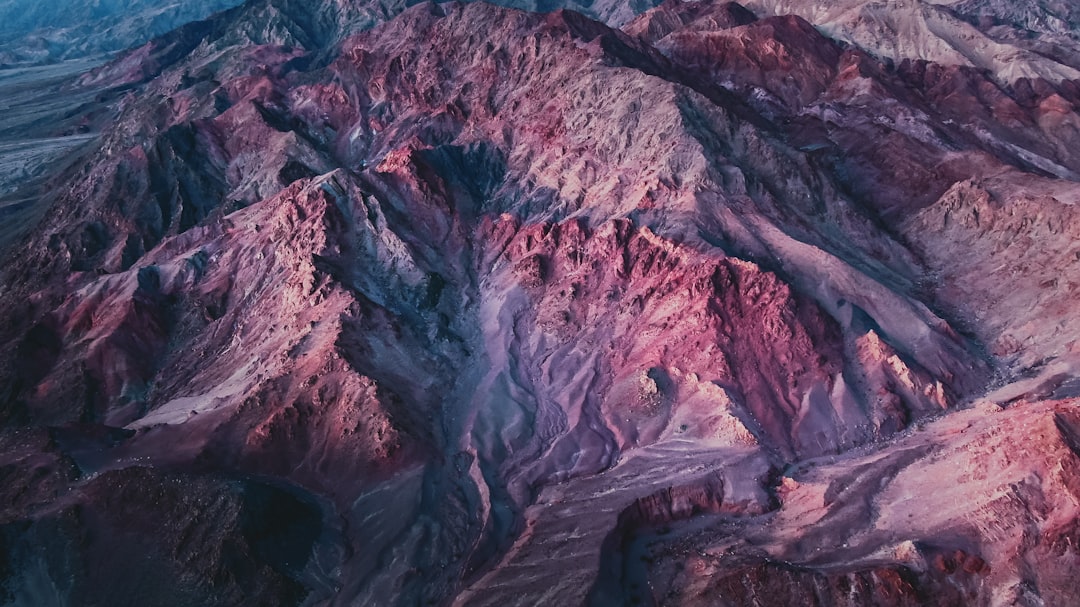
For millennia, humanity has gazed at the stars, charting celestial courses and pondering the cosmos. Yet, buried beneath our feet, an equally vast and awe-inspiring narrative lies waiting to be deciphered: the epic story of Earth itself. A groundbreaking new documentary, “Unraveling Earth’s History: A Historical Geology Documentary,” embarks on a breathtaking journey through time, excavating the profound geological forces that have shaped our planet and, by extension, ourselves. This ambitious production, developed by a team of leading geologists and cinematic storytellers, promises to illuminate the deepest secrets of our world, from its fiery birth to the intricate tapestry of life that adorns its surface today.
The documentary’s initial foray into Earth’s past centers on its violent and chaotic genesis. It meticulously reconstructs the conditions of the early solar system, a swirling nebular cloud of gas and dust. Through stunning CGI and expert narration, viewers witness the accretion of planetesimals, the gradual accumulation of matter that eventually coalesced into our nascent world.
The Primordial Bombardment
A significant portion of this early segment is dedicated to understanding the relentless bombardment of asteroids and comets that characterized Earth’s initial formation. The film emphasizes that this wasn’t just a chaotic period of destruction; it was also a crucial phase of delivery. These impactors, the documentary argues, likely brought vital components to Earth, including water and organic molecules, the very building blocks of life. The visual representations are visceral, depicting fiery impacts that reshaped the molten surface, creating vast oceans of lava and spewing material into the atmosphere.
The Birth of the Moon
One of the most captivating segments within the genesis narrative focuses on the giant impact hypothesis, the prevailing theory for the formation of Earth’s Moon. The documentary uses sophisticated simulations to portray the cataclysmic collision between proto-Earth and a Mars-sized object, often referred to as Theia. It details the immense energy released, the vaporization of both bodies, and the subsequent formation of a debris ring that eventually accreted to form our celestial companion. The implications of this moon-forming impact, the film explains, are far-reaching, stabilizing Earth’s axial tilt and influencing its geological activity.
The Great Differentiation
As the early Earth cooled, a pivotal event occurred: planetary differentiation. The documentary vividly illustrates the process by which denser, heavier elements like iron and nickel sank to the core, while lighter silicates rose to form the mantle and crust. This internal segregation, the film highlights, was not just a rearrangement of matter; it was the creation of Earth’s fundamental architecture, laying the groundwork for its magnetic field and volcanic activity. Viewers are treated to a mesmerizing visualization of molten rock flowing and separating, a geological ballet driven by gravity and heat.
In exploring the intricate connections between ancient civilizations and their geological contexts, the documentary on historical geology provides a fascinating backdrop to understanding how the environment shaped political dynamics. A related article that delves into the nuances of communication and diplomacy in ancient politics can be found at The Art of Diplomatic Language in Ancient Politics. This piece complements the documentary by highlighting how the interplay of geography and language influenced the relationships between different cultures throughout history.
A Tectonic Dance: The Continual Reshaping of the Surface
The second principal theme of “Unraveling Earth’s History” delves into the dynamic nature of Earth’s crust, exploring the monumental forces of plate tectonics that have relentlessly sculpted its surface over billions of years. The documentary presents this as a slow-motion, yet incredibly powerful, ballet of colossal rock plates constantly in motion.
Supercontinents and Continental Drift
A significant focus is placed on the concept of supercontinents – massive landmasses that have assembled and broken apart multiple times throughout Earth’s history. The film traces the rise and fall of prominent supercontinents like Rodinia and Pangea, showcasing remarkable animations that illustrate how continents have drifted, collided, and rifted apart. Expert interviews explain the driving forces behind this movement, primarily convection currents within the Earth’s mantle.
The Drivers of Plate Motion
The documentary elaborates on the key mechanisms that propel plate tectonics. It explores ridge push, where newly formed crust at mid-ocean ridges pushes older crust away, and slab pull, the gravitational force exerted by a subducting oceanic plate as it sinks into the mantle. These geological concepts, often abstract in textbooks, are brought to life through compelling visuals and clear explanations, demonstrating how these forces act in concert to drive continental movement.
Mountain Building and Volcanic Landscapes
The collision of tectonic plates, the film explains, is responsible for some of the most dramatic geological features on Earth. Viewers witness the awe-inspiring processes of mountain formation, from the towering peaks of the Himalayas, forged by the collision of the Indian and Eurasian plates, to the volcanic arcs that encircle the Pacific Ocean. The documentary explores the molten rock journeys from deep within the Earth, culminating in spectacular eruptions and the creation of new landforms. The diverse examples showcased, from shield volcanoes to stratovolcanoes, highlight the varied manifestations of Earth’s internal heat escaping to the surface.
The Rise of Life: From Microbes to Megafauna
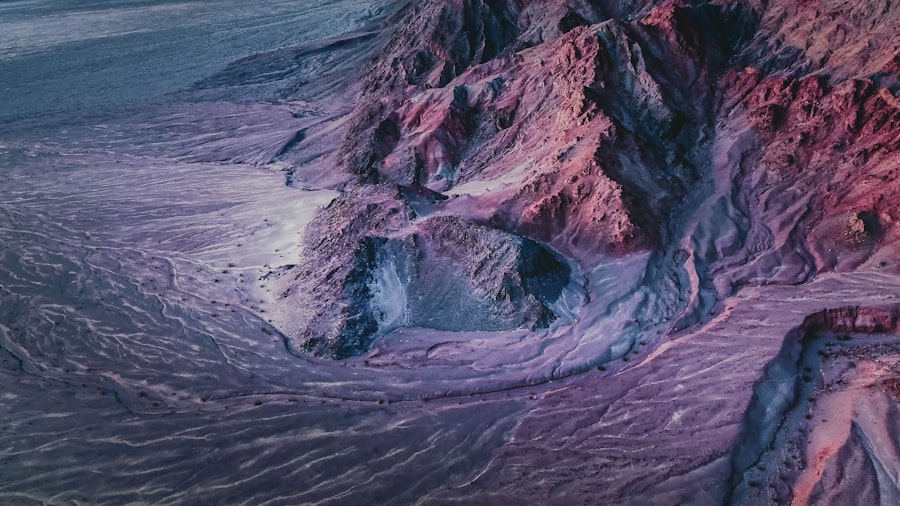
The third compelling narrative thread of “Unraveling Earth’s History” is the extraordinary evolution of life itself, intricately interwoven with the planet’s geological and atmospheric changes. The documentary presents the emergence and diversification of life as a direct consequence of Earth’s unique environmental conditions.
The Primordial Soup and the Dawn of Life
The film revisits the early Earth’s environment, a world vastly different from our own, teeming with volcanic activity and a nascent atmosphere. It explores the scientific hypotheses surrounding the origin of life, from the “primordial soup” theory to more recent insights into deep-sea hydrothermal vents. Through animated sequences and expert speculation, viewers are guided through the tentative steps of self-replication and the emergence of the first simple cells. The documentary doesn’t shy away from the vast stretches of time involved, emphasizing that this was a gradual, almost imperceptible process.
The Oxygen Revolution
A pivotal moment in Earth’s biological history, and a central focus of this section, is the Great Oxygenation Event. The documentary explains how the evolution of photosynthetic cyanobacteria began to pump oxygen into the atmosphere, a process that was initially toxic to most existing life forms. The visual representation depicts the gradual transformation of the atmosphere, from an oxygen-poor environment to one capable of supporting aerobic respiration. This geological and biological “revolution,” the film argues, set the stage for the evolution of more complex life.
The Age of Dinosaurs and Beyond
As the documentary progresses through Earth’s eons, it vividly chronicles the “Age of Reptiles,” focusing on the reign of the dinosaurs. Through state-of-the-art CGI, viewers are transported to prehistoric landscapes, witnessing the majestic giants that once roamed the Earth. The film also examines the event that led to their demise – the Chicxulub impactor – and how this dramatic geological event paved the way for the rise of mammals, ultimately leading to the emergence of humans. The interconnectedness between geological catastrophes and evolutionary opportunities is a recurring theme, highlighting how extinction events, while tragic, can also be catalysts for new beginnings.
Earth’s Climate Archives: Unlocking the Past, Predicting the Future
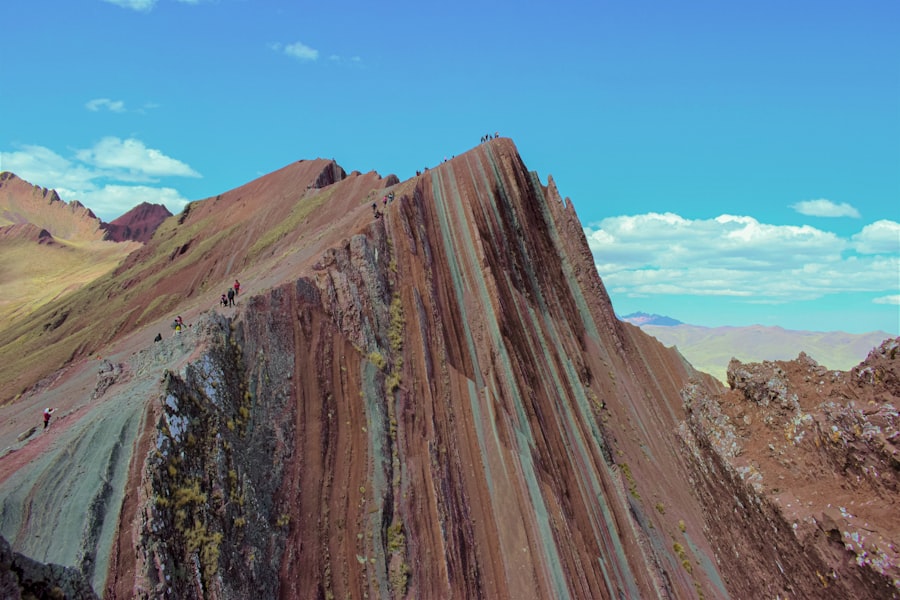
The fourth significant chapter of “Unraveling Earth’s History” shines a spotlight on Earth’s intricate climate systems and how geological records serve as a vast archive, preserving invaluable information about past climatic conditions. The documentary argues that understanding these ancient climate fluctuations is crucial for comprehending and potentially mitigating current and future climate change.
Ice Cores: Frozen Time Capsules
A substantial segment is dedicated to the science of ice core drilling and analysis. The film showcases the rigorous process of extracting ice cores from deep within Antarctic and Greenland glaciers. Expert geologists explain how trapped air bubbles and isotopic signatures within the ice act as literal time capsules, providing direct evidence of past atmospheric composition, temperature, and even the frequency of volcanic eruptions. The visual presentation of ice cores, with their distinct layers representing different climatic periods, is both scientifically informative and visually striking.
Sedimentary Rocks and Fossil Evidence
Beyond ice, the documentary explores how sedimentary rocks also hold invaluable climatic clues. Layers of sediment, deposited over millions of years, can reveal information about ancient sea levels, river systems, and the types of environments that existed. The presence of specific fossils within these rock layers, such as marine organisms in what is now dry land, provides irrefutable evidence of past geographical and climatic shifts. The film effectively uses examples of fossilized coral reefs and ancient desert landscapes to illustrate this point.
Greenhouse Gas Cycles Throughout Earth’s History
The documentary meticulously examines Earth’s long-term greenhouse gas cycles, particularly those involving carbon dioxide. It contrasts periods of intense volcanic activity that led to high CO2 levels and warmer climates with periods of glaciation, where CO2 levels were significantly lower. The film emphasizes that these natural cycles have operated over geological timescales and that the current rate of increase in greenhouse gas concentrations is unprecedented in Earth’s recent geological past. This comparison underscores the urgency and significance of human-induced climate change.
In exploring the fascinating world of historical geology, one might find it intriguing to consider how ancient landscapes have shaped our current environment. A related article that delves into the complexities of geological strategies is available at Demystifying the Security Shoring Strategy, which discusses the importance of understanding geological formations in the context of modern engineering and safety practices. This connection between past and present highlights the relevance of historical geology in addressing contemporary challenges.
The Human Element: Our Place in Geological Time
| Documentary Title | Release Year | Duration | Director |
|---|---|---|---|
| Earth: The Biography – The Power of the Planet | 2007 | 60 minutes | Peter Chin |
| Life on Earth: A Natural History by David Attenborough | 1979 | 13 episodes | David Attenborough |
| Walking with Dinosaurs | 1999 | 6 episodes | Tim Haines |
The concluding section of “Unraveling Earth’s History” brings the vast geological narrative into sharper focus, examining humanity’s relatively brief but profoundly impactful presence on the planet. This final act encourages viewers to ponder their own place within the immense scope of geological time.
Early Human Ancestors and Environmental Adaptation
The documentary explores the geological and climatic shifts that influenced the evolution and migration of early human ancestors. It highlights how changes in landscape, such as the formation of the East African Rift Valley or the expansion of savannas, may have played a crucial role in shaping hominin adaptations and behaviors. This section connects the grand geological narrative directly to the story of human origins, demonstrating how our species is a product of, and forever intertwined with, Earth’s geological processes.
The Anthropocene: A New Geological Epoch?
A significant portion of the film is dedicated to the increasingly debated concept of the Anthropocene – a proposed new geological epoch defined by the significant and lasting impact of human activities on Earth’s geology and ecosystems. The documentary presents evidence of this impact, from altered sediment loads in rivers and oceans to the widespread distribution of plastic pollution, which will likely form distinct geological layers for future geologists to discover. Expert opinions are presented, reflecting the ongoing scientific discussion about when and how this epoch began.
The Future of Earth: A Geological Perspective
In its poignant conclusion, “Unraveling Earth’s History” shifts its gaze forward, offering a geological perspective on Earth’s long-term future. While acknowledging the inherent unpredictability of geological events, the film discusses ongoing processes such as continental drift, the carbon cycle, and potential future climate scenarios based on current trends. The documentary doesn’t offer simple answers but rather encourages a deeper appreciation for the resilience and dynamism of our planet, emphasizing the responsibility humanity has in navigating its future within the context of deep geological time. The final message is one of humility and stewardship, urging viewers to recognize the profound, ongoing story of our planet and our role within it.

When the Mediterranean Became a Desert | The Messinian Salinity Crisis Explained
FAQs
What is historical geology?
Historical geology is the study of the Earth’s history and the processes that have shaped the planet over time. It involves examining the geological record to understand the formation of the Earth, the evolution of life, and the changes in the Earth’s surface and climate.
What is a historical geology documentary?
A historical geology documentary is a film or video presentation that explores the geological history of the Earth. It typically includes footage of geological formations, fossils, and landscapes, as well as expert commentary and analysis of the Earth’s history.
What can viewers expect to learn from a historical geology documentary?
Viewers can expect to learn about the formation of the Earth, the development of life on the planet, major geological events such as volcanic eruptions and earthquakes, and the impact of climate change over millions of years. They may also gain insight into the methods and techniques used by geologists to study the Earth’s history.
Are historical geology documentaries based on scientific evidence?
Yes, historical geology documentaries are based on scientific evidence gathered from the geological record, including rock formations, fossils, and other geological features. Geologists use a variety of methods, such as radiometric dating and stratigraphy, to analyze and interpret this evidence.
Where can I watch historical geology documentaries?
Historical geology documentaries can be found on streaming platforms, educational websites, and through DVD or Blu-ray releases. They may also be available for purchase or rental from online retailers or local libraries.