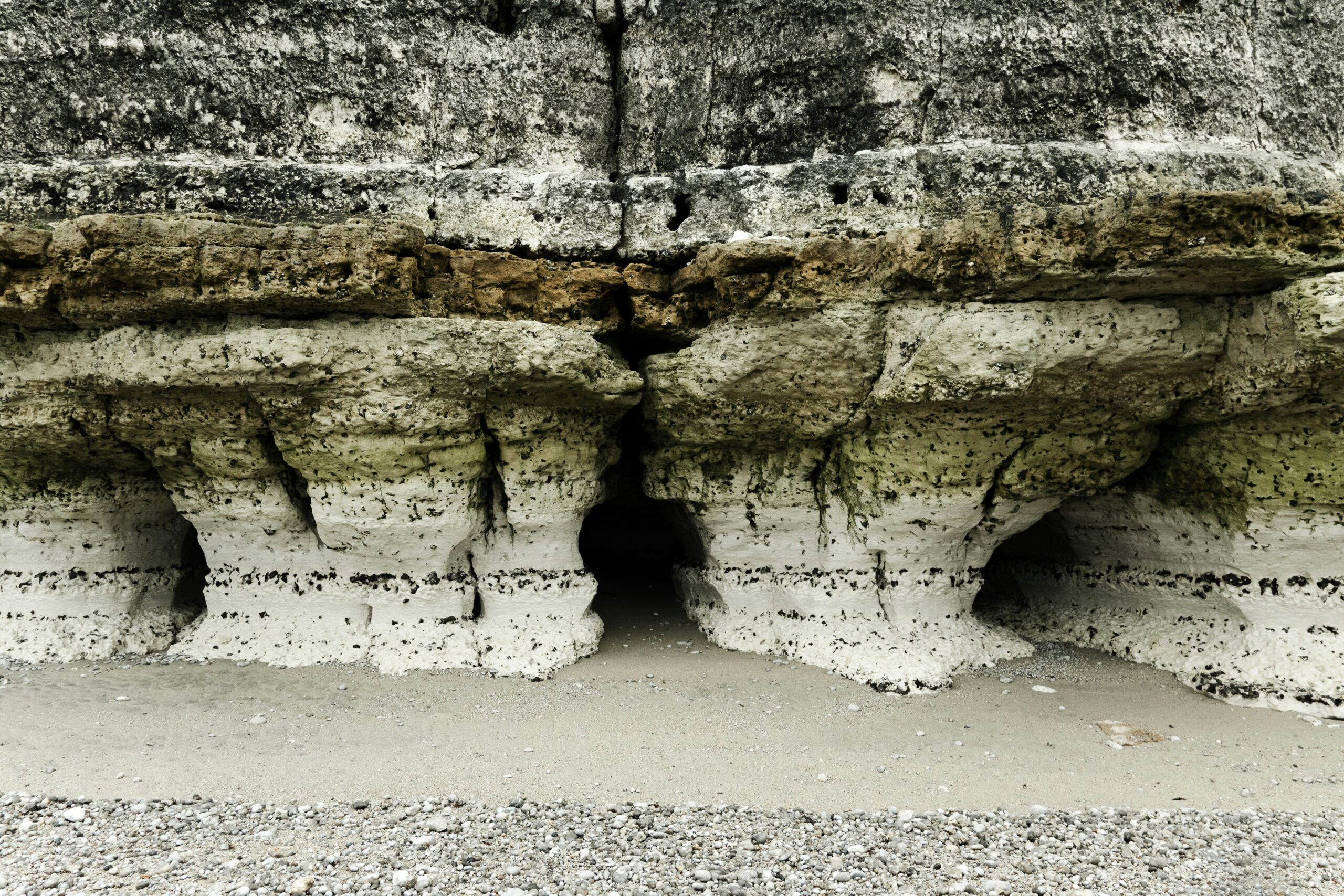
The Earth’s crust, a vast and complex tapestry of time and immense forces, holds within its layers a silent chronicle of events. For geological forensic scientists, these ancient records are not mere curiosities, but rather vital clues in a never-ending investigation. They are the detectives of deep time, tasked with unraveling mysteries that span millennia, eons even, to understand the catastrophic events that have shaped our planet. Their work, often unseen and underappreciated, is crucial for everything from understanding past climate change to predicting future natural disasters and even uncovering the origins of ancient civilizations. By meticulously examining rocks, minerals, fossils, and the very structure of the Earth, these scientists piece together narratives of volcanic eruptions, massive floods, ancient impacts, and seismic upheavals.
The modern geological forensic scientist is equipped with an impressive array of tools, both traditional and cutting-edge, that allow them to probe the deepest secrets of the Earth’s past. These instruments are central to their ability to gather irrefutable evidence and construct a scientific narrative from seemingly chaotic geological formations.
Microscopic Eyes: The Power of Thin Sections and Electron Microscopy
The journey into unraveling geological mysteries often begins at the microscopic level. Geologists painstakingly prepare thin sections of rock samples, slices so thin they are translucent, allowing light to pass through. Under a petrographic microscope, these thin sections reveal the intricate dance of minerals within the rock. Different minerals refract light at specific angles due to their unique crystalline structures. By observing these optical properties, known as birefringence, geologists can identify individual mineral species with remarkable accuracy. They can determine not only what minerals are present but also how they formed and interacted. For instance, evidence of shock metamorphism – distinct mineralogical changes caused by extreme pressure and temperature – might point to an ancient meteorite impact.
Beyond optical microscopy, scanning electron microscopes (SEMs) provide even higher magnification and allow for the analysis of surface topography and elemental composition. SEMs can reveal nanoscale features, such as the textures of individual mineral grains or the presence of microscopic fossils, that would be invisible otherwise. Coupled with energy-dispersive X-ray spectroscopy (EDS) or wavelength-dispersive X-ray spectroscopy (WDS), SEMs can identify the elemental makeup of these tiny structures, offering crucial insights into the chemical environment in which they formed. This detailed elemental fingerprint can help distinguish between different geological settings and even pinpoint the source of geological materials, a vital task in tracing the origin of volcanic ash deposits or identifying the provenance of construction materials in ancient archaeological sites.
Chemical Fingerprinting: Isotopic Analysis and Geochemistry
The chemical composition of rocks and minerals provides a powerful, albeit often subtle, form of evidence. Isotopic analysis, a cornerstone of geological forensics, leverages the fact that different isotopes of the same element have varying numbers of neutrons. These isotopic ratios are often highly sensitive to the conditions under which rocks and minerals form. For example, the ratio of oxygen isotopes (¹⁸O to ¹⁶O) in marine carbonates can record past ocean temperatures and the extent of glaciation. Similarly, the ratios of radiogenic isotopes, such as strontium or neodymium, can act as tracers for the origin of magma, helping to decipher volcanic eruption sources or the formation history of continents.
Geochemistry, the study of the chemical processes in the Earth, plays a vital role in understanding the context of geological events. By analyzing the bulk chemical composition of rocks, geologists can infer the original magma source, the extent of fractional crystallization, and the degree of weathering or alteration that a rock has undergone. This information can be crucial in distinguishing between different geological formations, identifying the parent material of soils, or even dating geological events through the decay of radioactive isotopes. For instance, the concentration of rare earth elements (REEs) in sedimentary rocks can provide clues about the weathering environment and the type of source rocks from which they were derived, helping to reconstruct past landscapes.
Geophysical Probing: Seismic Waves and Ground Penetrating Radar
While direct observation of geological formations is essential, much of the Earth’s history is hidden beneath the surface. Geophysical methods offer non-invasive ways to “see” into the subsurface. Seismic surveys, akin to medical ultrasounds for the Earth, utilize artificially generated sound waves that travel through the ground and reflect off different geological layers. By analyzing the travel times and amplitudes of these reflected waves, geologists can create detailed three-dimensional maps of subsurface structures, including fault lines, sedimentary basins, and the boundaries between different rock types. This is invaluable for understanding tectonic activity, identifying potential sites of subsurface resource accumulation, and reconstructing the geometry of ancient landslide deposits.
Ground Penetrating Radar (GPR) is another invaluable geophysical tool, particularly useful for investigating the shallow subsurface. GPR emits radio waves into the ground and measures the reflections from subsurface interfaces. It is particularly effective in identifying buried structures, such as ancient foundations, burial sites, or even the stratigraphic layers within archaeological mounds. Its non-destructive nature makes it ideal for use in sensitive archaeological contexts or areas where traditional excavation is not feasible. The resolution of GPR allows for the detection of subtle changes in the subsurface, which can be critical in distinguishing between natural geological features and human-made modifications.
Geological forensic mysteries often unravel the secrets of the Earth’s past, revealing crucial information about historical events and human activities. A fascinating article that delves into the intersection of geology and exploration is titled “The New Space Race: Nations’ Moon Grab Tactics.” This piece explores how nations are competing for lunar resources and the geological implications of these endeavors. To read more about this intriguing topic, visit the article here: The New Space Race: Nations’ Moon Grab Tactics.
Reconstructing Catastrophes: Evidence of Earth-Shaping Events
Geological forensics often involves investigating the remnants of cataclysmic events that have dramatically reshaped the Earth’s surface. These events, while destructive, leave behind undeniable signatures in the geological record, providing invaluable data for understanding the planet’s dynamic history.
The Fiery Breath of Volcanoes: Tracing Ash and Lava Flows
Volcanic eruptions, by their very nature, leave a dramatic and often widespread imprint on the landscape. Geological forensic scientists sift through deposits of volcanic ash (tephra) and solidified lava to reconstruct eruption histories. Tephra layers, dispersed by wind, can form distinctive stratigraphic markers across vast distances. By analyzing the mineral composition, grain size, and chemical signature of ash particles, scientists can identify the specific volcano and even the eruption event from which they originated. This is crucial for understanding the frequency and magnitude of past eruptions, informing hazard assessments for currently active volcanoes.
Lava flows, once cooled and solidified, provide a tangible record of volcanic activity. Their texture, chemical composition, and the presence of trapped gases or xenoliths (fragments of other rocks) can reveal the nature of the underlying magma chamber and the conditions under which the eruption occurred. Radiometric dating of volcanic rocks, using isotopes like potassium-argon or uranium-lead, allows for precise age determination of these events, providing a chronological framework for geological history and ancient human occupations. For example, archaeologists might analyze volcanic ash layers to date ancient settlements that were buried by eruptions, providing a direct link between human history and geological processes.
The Deluge and the Dust: Understanding Floods and Dust Storms
The immense power of water and wind has also sculpted the Earth’s surface and left enduring forensic evidence. Massive flood events, whether from glacial meltwater, dam failures, or extreme rainfall, create characteristic sedimentary deposits. Geologists look for features like massive cross-bedding, boulder conglomerates, and fine-grained overbank deposits, which indicate high-energy water flow and rapid deposition. The scale and extent of these deposits can help estimate the magnitude of past floods and their potential impact on ancient human populations or ecosystems. Examining the sediment load and transport mechanisms during flood events is a key aspect of hydrological forensics applied to geological investigations.
Dust storms, while seemingly ephemeral, deposit fine-grained sediments that can also serve as geological markers. Loess deposits, formed from wind-blown silt, are widespread and can preserve records of past climates, including periods of aridity and dust transport. The chemical composition and grain size of loess can indicate the source regions of the dust and the prevailing wind patterns, offering insights into past atmospheric circulation and environmental conditions. Analyzing the layering within loess can also reveal cycles of accumulation and erosion, providing a detailed chronology of past environmental changes.
The Witnesses in the Rocks: Fossils as Time Capsules

Fossils, the preserved remains or traces of ancient life, are some of the most compelling witnesses in geological forensic investigations. They provide direct evidence of past organisms and ecosystems, offering invaluable clues about environmental conditions, evolutionary history, and the age of geological formations.
Microscopic Life, Macro Evidence: The Significance of Microfossils
While large dinosaur skeletons often capture the imagination, microscopic fossils, or microfossils, are arguably even more vital in geological forensics. These consist of tiny single-celled organisms like foraminifera, radiolarians, and diatoms, as well as pollen grains and spores. Their abundance, diversity, and specific evolutionary lineages are highly sensitive to environmental changes. Foraminifera, for instance, have shells that incorporate elements from the surrounding seawater, recording past ocean temperatures and salinity. Their stratigraphic distribution allows for precise dating of sedimentary layers, a technique known as biostratigraphy, which is fundamental to establishing geological timelines.
The study of pollen and spores (palynology) provides insights into past vegetation and climate. By identifying the types of plants present in ancient sediments, palynologists can reconstruct past ecosystems, infer climatic conditions (e.g., temperate, arid, tropical), and even identify the presence of agricultural activities by human populations. The preservation of these delicate structures in sediments is often exceptional, making them reliable indicators of past environments.
Tracing Ancient Ecosystems: Interpreting Macrofossils
Larger fossils, such as the shells of marine invertebrates, plant remains, and vertebrate bones, offer a direct glimpse into ancient macroscopic life. The presence of certain fossil species can indicate specific geological periods. For example, the discovery of trilobites is generally indicative of Paleozoic rocks. The abundance and preservation state of these macrofossils can also reveal information about the depositional environment. Thick-shelled marine fossils might suggest a high-energy, shallow-water environment, while delicate plant fossils could indicate a tranquil, lacustrine setting.
The study of trace fossils, such astracks, burrows, and feeding marks, provides indirect evidence of past animal behavior and activity. These can reveal information about locomotion, feeding strategies, and social interactions, offering a dynamic view of ancient ecosystems. For instance, evidence of grazing patterns in fossilized plant communities can inform us about the types of herbivores that inhabited the area and their impact on the vegetation.
Uncovering Human Footprints: Geoarchaeology and the Intersection of Disciplines
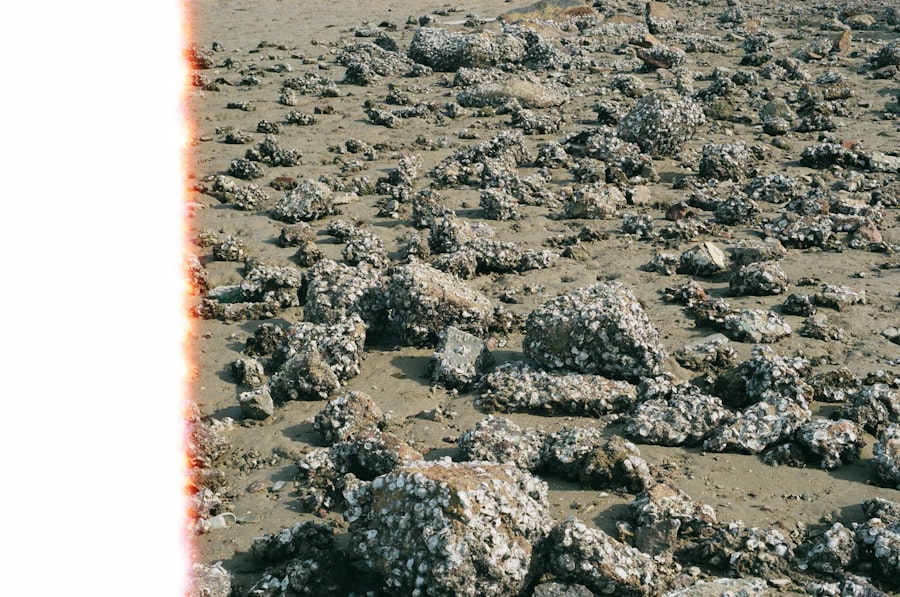
The field of geoarchaeology represents a critical intersection of geology and archaeology, where geological principles are applied to understand archaeological sites and the human-environment interactions that shaped them. Geological forensic techniques are indispensable in this discipline for uncovering the physical context of human history.
Dating the Past: Radiometric Dating and Stratigraphic Correlation
Accurate dating is paramount in both geology and archaeology. Radiometric dating techniques, such as carbon-14 dating for organic materials and potassium-argon dating for volcanic rocks, provided by geological science, allow archaeologists to assign absolute ages to artifacts and sites. However, geological evidence also plays a crucial role in establishing relative chronologies. Stratigraphic correlation, the process of matching rock or sediment layers based on their characteristics, allows archaeologists to infer the relative ages of different archaeological layers and features. For instance, if a layer of volcanic ash of known age is found above an archaeological layer, it provides an upper limit for the age of that occupation layer.
Site Formation Processes: Understanding the Earth’s Role in Preservation
Geoarchaeologists are keenly interested in “site formation processes” – the geological and natural processes that have affected archaeological deposits since their deposition. This includes understanding how erosion, sedimentation, bioturbation (activity of organisms), and weathering have altered the original context of human occupation. By analyzing soil profiles, sediment composition, and the distribution of artifacts within these layers, geoarchaeologists can reconstruct how a site accumulated, how it was buried, and how it may have been disturbed over time. This understanding is crucial for interpreting archaeological findings accurately and for planning effective excavation strategies that minimize damage to the sensitive archaeological record.
For example, identifying evidence of historical flooding that buried an ancient settlement can explain the remarkable preservation of artifacts within those layers. Conversely, understanding periods of erosion might explain why certain archaeological features are missing from a site. Geological forensic techniques like soil micromorphology, which involves examining thin sections of soil under a microscope, can reveal microscopic evidence of past human activities, such as dung deposition or hearth fires, providing detailed insights into daily life at ancient sites.
Geological forensic mysteries often reveal hidden stories about the Earth’s past, shedding light on events that have shaped our environment. For those interested in the intersection of geology and law, a fascinating article explores how wage requirements under the USMCA can impact various industries, including those involved in environmental investigations. You can read more about this intriguing connection in the article here. Understanding these dynamics can enhance our comprehension of how geological evidence is utilized in legal contexts.
The Future of Geological Forensics: Predicting and Protecting
| Geological Forensic Mysteries | Data/Metrics |
|---|---|
| Age of rock formations | Radiometric dating results |
| Identification of minerals | Chemical composition analysis |
| Analysis of sedimentary layers | Stratigraphic correlation data |
| Investigation of fault lines | Seismic activity records |
The principles of geological forensics are not simply retrospective; they are increasingly vital for understanding and mitigating future hazards. By deciphering the Earth’s past, scientists gain the knowledge necessary to predict future events and protect human populations and infrastructure.
Forecasting the Unseen: Seismic Hazard Assessment and Volcanic Monitoring
The meticulous analysis of past earthquakes and volcanic eruptions allows seismologists and volcanologists to assess seismic and volcanic hazards. By studying the frequency, magnitude, and spatial distribution of past seismic events, they can develop probabilistic models to forecast the likelihood of future earthquakes in specific regions. Similarly, analyzing historical eruption records, including the types of eruptions, their frequency, and the distribution of their products, helps in monitoring active volcanoes and issuing timely warnings. The integration of geological forensic data with real-time monitoring technology is an increasingly powerful approach to disaster preparedness. For example, studying the geological evidence of past massive debris flows from a volcano can help identify vulnerable areas and inform evacuation plans.
Environmental Forensics and Resource Management: Tracing Contaminants and Understanding Landscapes
Geological forensics also extends to environmental issues, such as tracing the source of soil and water contamination. By analyzing the chemical signature of pollutants and comparing it with geological materials in the surrounding environment, forensic geologists can pinpoint the origin of contamination. This is crucial for holding polluters accountable and for developing effective remediation strategies. Furthermore, understanding the geological history of landscapes is essential for sustainable resource management, including water resources, mineral deposits, and the long-term planning of infrastructure development in geologically active areas. The ability to reconstruct past soil development and erosion patterns can inform agricultural practices and land use planning.
The unraveling of geological forensic mysteries is a continuous and evolving endeavor. Each rock, each fossil, each geological formation is a testament to the Earth’s dynamic and often dramatic past. By applying a rigorous, scientific approach and utilizing an ever-expanding array of sophisticated tools, geological forensic scientists continue to illuminate the hidden narratives of our planet, ensuring that the lessons of the past inform our understanding and protection of the future. Their work, though often dealing with deep time, has profound implications for the present and the generations to come.

Scientists Found Earth’s Hidden Timestamp
FAQs
What is geological forensics?
Geological forensics is the application of geological principles and techniques to solve criminal investigations or mysteries. It involves analyzing geological evidence such as soil, rocks, minerals, and other earth materials to provide valuable information in legal cases.
How is geological forensics used in criminal investigations?
Geological forensics can be used to link suspects to crime scenes by analyzing soil or rock samples found on their clothing, shoes, or vehicles. It can also help determine the origin of materials found at crime scenes, such as identifying the source of a particular type of soil or rock.
What are some examples of geological forensic mysteries?
Examples of geological forensic mysteries include identifying the source of a particular type of soil found at a crime scene, determining the origin of a rock used as a weapon, or analyzing the composition of minerals found on a suspect’s belongings.
What techniques are used in geological forensics?
Geological forensics utilizes a variety of techniques such as petrography, geochemistry, mineralogy, and geospatial analysis to analyze and compare geological evidence. These techniques help in identifying and characterizing earth materials for forensic purposes.
What are the limitations of geological forensics?
Limitations of geological forensics include the potential for natural variability in earth materials, the need for specialized expertise and equipment, and the possibility of contamination or alteration of geological evidence at crime scenes. Additionally, geological evidence may not always provide definitive answers in criminal investigations.