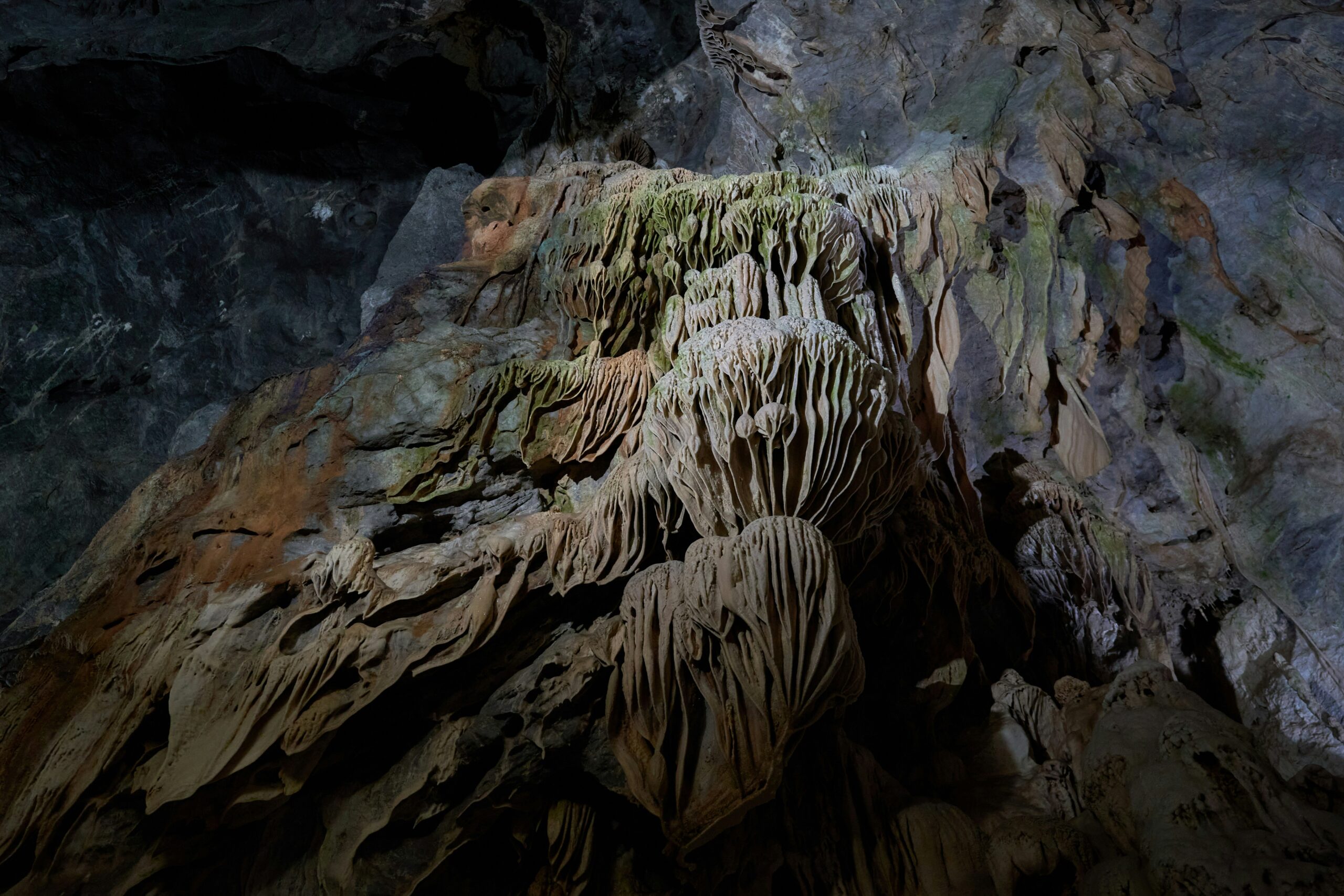
The Earth, a dynamic and ever-changing planet, is a testament to the ceaseless ballet of geological processes. From the molten heart of its core to the weathered surfaces of its mountains, a symphony of forces sculpts and reshapes our world. Understanding these intricate mechanisms is not merely an academic pursuit; it is fundamental to comprehending our planet’s past, present, and future, and to navigating the challenges and opportunities it presents. This comprehensive explanation aims to unravel the complex tapestry of geological phenomena, illuminating the processes that have shaped and continue to shape Earth.
At the very foundation of most geological activity lies the monumental theory of plate tectonics. This paradigm revolutionized our understanding of Earth’s crust and mantle, revealing that the planet’s outermost layer, the lithosphere, is not a single unbroken shell but rather a mosaic of colossal, rigid plates that float and move upon the partially molten asthenosphere beneath. The implications of this movement are far-reaching, driving everything from the formation of continents and oceans to the occurrence of earthquakes and volcanic eruptions.
The Earth’s Stratified Structure
To grasp plate tectonics, one must first understand the Earth’s internal structure. The planet is broadly divided into three main layers: the crust, the mantle, and the core. The crust is the thin, rocky outer shell we inhabit, further subdivided into continental crust (thicker and less dense, primarily composed of granite) and oceanic crust (thinner and denser, primarily composed of basalt). Beneath the crust lies the mantle, a vast region of silicate rock that, while mostly solid, behaves plastically over geological timescales. This plastic behavior is crucial for enabling the movement of the lithospheric plates. Deeper still is the core, divided into a solid inner core and a liquid outer core, primarily composed of iron and nickel, responsible for generating Earth’s magnetic field.
Geological processes play a crucial role in shaping the Earth’s landscape and influencing various environmental factors. For a deeper understanding of how these processes intersect with human activities and conflicts, you can explore the article on the role of topography in navigating conflict. This article delves into how geographical features can impact social dynamics and resource distribution. To read more, visit Navigating Conflict: Topography’s Role.
The Drivers of Plate Motion
The precise mechanisms driving plate tectonics are a subject of ongoing research, but the prevailing theory centers on convection currents within the Earth’s mantle. Intense heat from the Earth’s core creates thermal plumes that rise through the mantle. As these plumes reach the underside of the lithosphere, they heat and weaken the rock, causing it to become less dense and rise. This rising material then spreads horizontally beneath the lithosphere, eventually cooling, becoming denser, and sinking back down into the mantle. This continuous circulation, much like boiling water in a pot, exerts forces on the overlying tectonic plates, causing them to move in diverse directions.
Plate Boundaries: Where the Action Happens
The interactions between these moving plates occur at their boundaries, classified into three main types: divergent, convergent, and transform.
Divergent Boundaries: The Birth of New Crust
At divergent boundaries, plates move apart from each other. As they separate, molten rock from the mantle, now called magma

When the Mediterranean Became a Desert | The Messinian Salinity Crisis Explained
FAQs
What are geological processes?
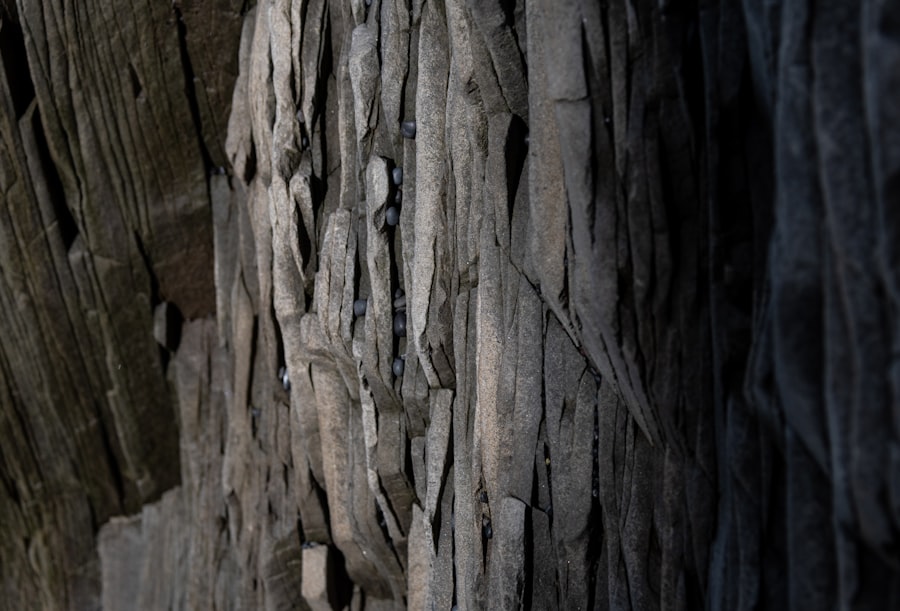
Geological processes are natural processes that shape the Earth’s surface and interior, including processes such as erosion, weathering, plate tectonics, and volcanic activity.
How do geological processes affect the Earth’s surface?
Geological processes can cause changes to the Earth’s surface, including the formation of mountains, valleys, and canyons, as well as the creation of landforms such as beaches and deltas.
What role do geological processes play in the formation of natural resources?
Geological processes are responsible for the formation of natural resources such as minerals, fossil fuels, and groundwater. These processes include sedimentation, metamorphism, and igneous activity.
How do geological processes contribute to natural hazards?
Geological processes can contribute to natural hazards such as earthquakes, volcanic eruptions, landslides, and tsunamis. These hazards are often the result of tectonic activity and can have significant impacts on human populations and infrastructure.
What are some examples of geological processes in action?
Examples of geological processes in action include the formation of new land through volcanic activity, the erosion of coastlines by waves and currents, and the movement of tectonic plates leading to earthquakes and mountain building.