The digital age has democratized knowledge, and for those captivated by the Earth’s deep history and dramatic formations, YouTube has emerged as an unexpected but potent laboratory for geological exploration. Beyond the realms of formal academia, a vibrant community of geologists, educators, and enthusiasts has cultivated a wealth of content dedicated to unraveling the planet’s most compelling mysteries. From the formation of colossal mountain ranges to the subtle whispers of ancient life preserved in stone, these digital storytellers are making complex geological concepts accessible and engaging to a global audience, transforming how we perceive the very ground beneath our feet.
YouTube’s inherent visual nature makes it an ideal platform for understanding the dynamic processes that shape our planet. The abstract concepts of plate tectonics, volcanic eruptions, and the slow, inexorable erosion of landscapes become tangible through animated graphics, high-definition footage, and expert commentary. No longer confined to static textbook diagrams, viewers can witness the inferno of a lava flow, the majestic rise of a glacier, or the meticulously crafted layers of sedimentary rock brought to life. This immersive experience fosters a deeper appreciation for the vast timescales and immense forces at play in geological phenomena. The platform’s searchability also allows individuals to dive deep into specific areas of interest, from the intricacies of mineral identification to the catastrophic impact of asteroid strikes. This self-directed learning path empowers curious minds to chart their own geological expeditions without the need for a formal curriculum, fostering a genuine passion for discovery.
Visualizing Earth’s Dynamical Core: Plate Tectonics in Motion
The grand narrative of plate tectonics, the theory that explains the movement of the Earth’s lithosphere, is a cornerstone of modern geology. YouTube channels excel at illustrating this fundamental concept. Through sophisticated CGI animations, viewers can observe the slow, inexorable drift of continents over millions of years, the violent collisions that birth mountain ranges like the Himalayas, and the creation of new oceanic crust at mid-ocean ridges. Explanations often detail the convection currents within the Earth’s mantle, the driving force behind these colossal movements. Channels dedicated to earth science frequently feature segments specifically demonstrating the different types of plate boundaries: convergent, where plates collide; divergent, where they pull apart; and transform, where they slide past each other. These visualizations are crucial for understanding seismic activity, volcanic arcs, and the distribution of geological resources across the globe. The abstract idea of a molten core and viscous mantle becomes concrete as viewers are guided through the slow dance of these massive tectonic plates, painting a picture of a constantly evolving planet.
From Subduction Zones to Rift Valleys: Mapping the Boundaries
The detailed exploration of plate boundaries is a common and highly effective teaching method on YouTube. Visualizations of subduction zones, where one tectonic plate dives beneath another, are often accompanied by explanations of the resulting volcanic activity and deep-sea trenches, such as the Mariana Trench. Conversely, divergent boundaries are depicted as areas where the Earth’s crust is stretching and thinning, leading to the formation of rift valleys and new ocean basins, like the East African Rift. The complex geological processes occurring at transform boundaries, exemplified by the San Andreas Fault, are also vividly illustrated, offering insights into the mechanics of earthquakes. Many creators meticulously map these boundaries across the globe, connecting them to real-world geological events and hazards, thus grounding the theoretical in the practical.
The Fiery Heart: Volcanoes, Earthquakes, and Catastrophic Events
Volcanoes and earthquakes, with their raw power and dramatic consequences, are inherently captivating subjects, and YouTube provides an unparalleled stage for their exploration. The volatile beauty of erupting volcanoes, from the incandescent glow of lava to the imposing spectacle of ash plumes, is captured in stunning detail. Beyond mere spectacle, these videos often delve into the scientific underpinnings of volcanism, explaining magma chambers, volcanic gases, and the various eruption styles. Similarly, the terrifying force of earthquakes is brought into stark relief through real-time footage, seismograph readings, and in-depth analyses of fault lines and seismic waves. The platform also hosts extensive content on other catastrophic geological events, such as landslides, tsunamis, and the colossal impacts of asteroid strikes, offering both scientific explanations and historical context.
Anatomy of an Eruption: Understanding Volcanic Dynamics
A significant portion of YouTube’s geological content focuses on the intricate mechanisms driving volcanic eruptions. Channels dissect the composition of magma, explaining how variations in silica content and dissolved gases influence viscosity and explosive potential. Viewers are often presented with detailed diagrams of volcanic structures, from composite cones to shield volcanoes, and the processes leading to their formation. The science behind pyroclastic flows, lahars, and volcanic ash dispersal is explained with clarity, often supplemented by expert interviews and historical case studies of major eruptions. Some creators even explore the long-term geological impacts of volcanism, such as the creation of fertile soils and the influence of volcanic aerosols on global climate. The visual aspect is paramount here, with simulations and real-world footage of eruptions providing a visceral understanding of these powerful forces.
The Tremors Beneath: Decoding Seismic Activity
Understanding earthquakes requires a grasp of seismology, and YouTube channels are adept at demystifying this field. Explanations of seismic waves – P, S, and surface waves – are often accompanied by animations that illustrate their propagation through the Earth. The concept of the earthquake epicenter and hypocenter is clearly defined. Viewers can find detailed analyses of historical earthquakes, including their magnitude, intensity, and the resulting damage, often presented with maps showing the affected areas and the rupture zones of earthquakes. The discussion frequently extends to the study of fault lines, the types of faulting (thrust, normal, strike-slip), and the geological stresses that lead to their rupture. This educational content not only satisfies curiosity but also plays a crucial role in raising awareness about seismic hazards and preparedness strategies.
If you’re intrigued by the mysteries of geology and the fascinating dynamics of celestial bodies, you might find the article “Exploring the Earth-Moon Lagrange Points” particularly enlightening. This piece delves into the gravitational balance between the Earth and the Moon, revealing how these points can influence geological phenomena on Earth. To read more about this captivating topic, check out the article here: Exploring the Earth-Moon Lagrange Points.
The Fossil Record: Unearthing Life’s Ancient Narratives
Geology and paleontology are inextricably linked, and YouTube has become a vital archive for exploring the history of life on Earth. Through stunning fossil discoveries, detailed reconstructions of ancient environments, and expert commentary, these videos bring the prehistoric world to vivid life. The quest to understand evolution, extinction events, and the vast tapestry of life that once roamed our planet is a central theme, making complex scientific inquiry accessible and thrilling.
From Microbes to Megafauna: Tracing Evolutionary Pathways
YouTube channels dedicated to paleontology excel at tracing the evolutionary journey of life. They showcase iconic fossils, from the earliest microbial mats to the mighty dinosaurs and the enigmatic hominids. Through carefully curated visuals and engaging narratives, viewers are guided through significant evolutionary transitions, such as the emergence of multicellular life, the conquest of land by plants and animals, and the development of complex organ systems. Expert paleontologists often break down the scientific methods used to date fossils, analyze ancient DNA, and reconstruct extinct ecosystems. The sheer wonder of discovering life forms that existed millions of years ago is amplified by the platform’s ability to present these discoveries in a visually compelling manner.
The Dawn of Life: Unveiling Precambrian Wonders
The earliest chapters of Earth’s history, the Precambrian Eon, a period largely dominated by microbial life, are often brought to light on YouTube. Through striking visuals of stromatolites – layered structures formed by cyanobacteria – and discussions about the Great Oxidation Event, channels explore how early life fundamentally altered the planet’s atmosphere. The discovery and interpretation of microfossils offer a glimpse into the nascent stages of biological complexity, and these videos often explain the challenges of studying such ancient evidence. The transformation of the Earth from a barren rock to a planet teeming with life is a profound story, and YouTube’s visual medium allows for a compelling presentation of this crucial period.
The Age of Giants: Dinosaurs and Their World
No discussion of fossils is complete without acknowledging the enduring popularity of dinosaurs, and YouTube is awash with content dedicated to these magnificent creatures. From detailed analyses of dinosaur anatomy and biomechanics to immersive reconstructions of their Mesozoic habitats, these videos cater to both casual enthusiasts and budding paleontologists. Expert discussions often revolve around the major dinosaur groups, their ecological roles, and the ongoing debates about their coloration, behavior, and endothermy. The fossil evidence, presented through high-resolution images and 3D models, allows viewers to marvel at the diversity and grandeur of these extinct reptiles, fostering a deeper understanding of the science behind their discovery and interpretation.
Decoding Microscopic Clues: The Power of Paleobotany and Foraminifera
While the colossal bones of dinosaurs capture the imagination, geology also relies on the study of microscopic fossils to reconstruct past environments and climate. YouTube channels often highlight the significance of paleobotany, the study of fossil plants, which provides crucial insights into ancient vegetation, atmospheric conditions, and the evolution of plant life. Similarly, the research into foraminifera – single-celled organisms with intricate shells – reveals valuable data about past ocean conditions, sea levels, and climate change. These videos offer a fascinating look at how scientists interpret the smallest of clues to understand the grand sweep of Earth’s history, demonstrating that even the most minute fossil can hold a universe of information.
Landscapes Shaped by Time: Erosion, Deposition, and Quaternary Wonders
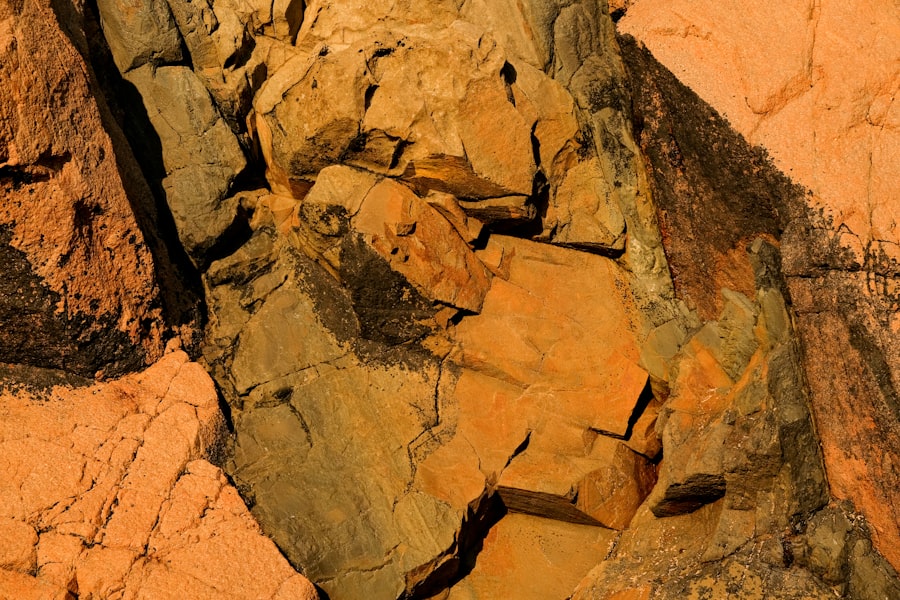
The Earth’s surface is a constantly changing canvas, sculpted by the relentless forces of erosion and deposition. YouTube channels dedicated to geomorphology explore these processes in exquisite detail, revealing how rivers carve canyons, glaciers sculpt valleys, and wind shapes deserts. The Quaternary period, the most recent geological epoch, is also a focal point, with its dramatic ice ages and the subsequent reshaping of landscapes around the globe.
The Sculptors of Earth: Rivers, Glaciers, and Wind
The dynamic interplay between water, ice, and air as agents of erosion is a recurring theme on YouTube. Videos demonstrate how rivers, over millennia, transport sediment and carve iconic geological features like the Grand Canyon, illustrating processes like abrasion and dissolution. The immense power of glaciers is showcased through footage of their slow, grinding advance and their dramatic impact on topography, creating U-shaped valleys, fjords, and moraines. The subtle but persistent influence of wind erosion is also explored, with explanations of desert pavement, sand dunes, and the formation of loess deposits. These visual explanations demystify the complex processes that have shaped the visible landscapes we experience today.
The Art of Rivers: From Deltas to Canyons
YouTube content on fluvial geomorphology often focuses on the life cycle of rivers. Viewers can learn about the formation of river meanders, oxbow lakes, and floodplains, as well as the depositional landforms like deltas and alluvial fans. The power of rivers to erode downwards, creating vertical relief, is vividly illustrated with case studies of major canyons and gorges worldwide. The hydrological cycles, sediment transport mechanisms, and the role of human activity in altering river systems are also frequently discussed, offering a comprehensive understanding of these vital geological systems.
The Ice Age Architects: Glacial Landforms
The dramatic impact of past ice ages on Earth’s geography is a subject of intense interest, and YouTube provides excellent resources for understanding glacial geomorphology. Animations and satellite imagery often illustrate the vast ice sheets that once covered large portions of continents, explaining the formation of features like cirques, arêtes, and hanging valleys. The depositional features left behind by retreating glaciers, such as drumlins, eskers, and erratics, are also meticulously explained and visualized. The connection between past glaciations and present-day landscapes, including the formation of Great Lakes and the shaping of coastal regions, is a common and engaging topic.
The Quaternary Revolution: Ice Ages and Beyond
The Quaternary period is particularly fertile ground for geological exploration on YouTube due to its relatively recent timescale and its profound impact on modern environments. Channels dedicated to this epoch delve into the cyclical nature of ice ages, the evidence for glacial and interglacial periods preserved in ice cores and sedimentary records, and the resulting fluctuations in sea level. The paleoclimatology of the Quaternary, including the drivers of these climate shifts and their impact on ecosystems and human migration, is a frequent subject of discussion. The remarkable geological record of this period offers valuable insights into past climate change, providing context for current environmental challenges.
Jewels of the Earth: Minerals, Rocks, and the Art of Identification
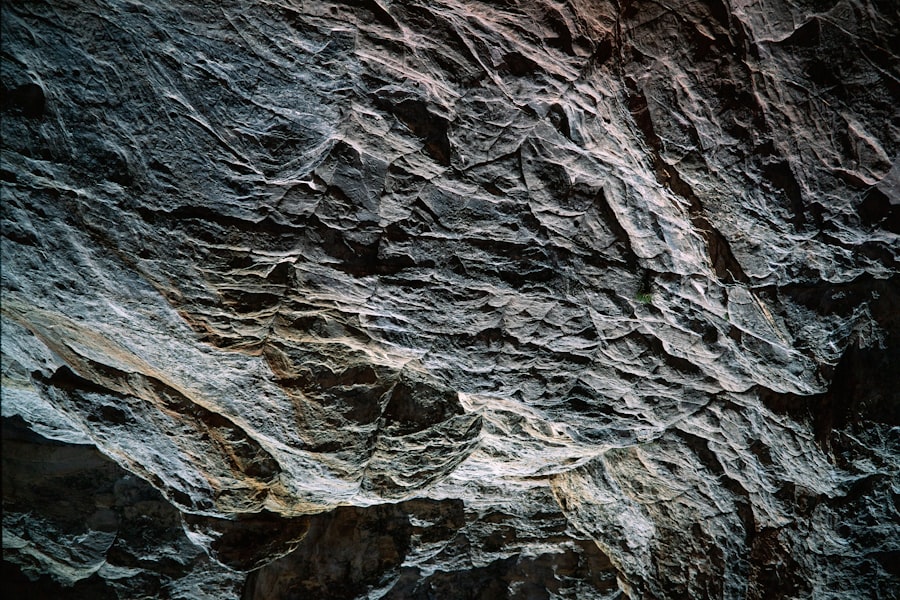
Geology is not just about grand geological processes; it’s also about the fundamental building blocks of our planet: minerals and rocks. YouTube has become an invaluable resource for learning about the diversity, formation, and identification of these terrestrial treasures. From the dazzling beauty of crystals to the stories etched within different rock types, these videos unlock the secrets held within the very fabric of the Earth.
The Building Blocks: Understanding Minerals and Their Properties
A significant portion of YouTube’s geological content is dedicated to the fascinating world of mineralogy. Creators meticulously explain the classification of minerals based on their chemical composition and crystal structure. Viewers are often treated to close-up examinations of a vast array of minerals, showcasing their unique colors, luster, hardness, and cleavage. The formation processes of various minerals, from hydrothermal veins to igneous crystallization, are explained with the aid of diagrams and animations. The practical applications of different minerals, their uses in industry, and their aesthetic appeal in gemstones are also frequently highlighted, making mineralogy both educational and captivating.
Crystal Structures and Chemical Families: The Language of Minerals
The intricate beauty of mineral crystals is a recurring visual theme. YouTube channels often delve into the concept of crystal systems, explaining how the arrangement of atoms dictates the macroscopic shape of a crystal. Discussions also cover the major mineral families, such as silicates, carbonates, and oxides, and their prevalence in Earth’s crust. The science behind mineral identification, including the use of tools like the Mohs hardness scale and streak plates, is often demonstrated, empowering viewers to begin their own mineral collecting and identification journeys.
The Rock Cycle: A Never-Ending Transformation
The rock cycle, a fundamental concept in geology, is brought to life on YouTube through clear explanations and compelling visuals. Videos illustrate the continuous transformation of rocks among the three main types: igneous, sedimentary, and metamorphic. The formation of igneous rocks from molten magma and lava, the deposition and lithification of sediments into sedimentary rocks, and the transformation of existing rocks under heat and pressure into metamorphic rocks are all explained in detail. The interconnectedness of these processes, highlighting how any rock type can eventually be transformed into another, is a key takeaway from these engaging presentations.
Igneous Origins: From Magma to Solidification
The genesis of igneous rocks, born from the fiery depths of the Earth, is a popular topic. YouTube channels often explore the distinction between intrusive and extrusive igneous rocks, explaining how cooling rates influence crystal size. Visuals of basaltic lava flows and the slow cooling of magma chambers provide a tangible understanding of these processes. The classification of igneous rocks based on their mineral composition, such as granite and basalt, is also a common element, helping viewers to recognize and understand these foundational rock types.
Sedimentary Stories: Layers of Time
The story held within sedimentary rocks, the archive of Earth’s surface history, is a compelling subject. YouTube content often focuses on the formation of clastic, chemical, and organic sedimentary rocks, explaining processes like weathering, erosion, transport, and deposition. The concept of stratification, the layering of sedimentary rocks, is emphasized as a key indicator of depositional environments and past events. The formation of fossils within sedimentary rocks is also a crucial aspect, linking the study of rocks to the history of life.
Metamorphic Metamorphosis: Transformation Under Pressure
The dramatic transformation of rocks under intense heat and pressure, creating metamorphic rocks, is explored with visual flair. YouTube channels often explain the formation of foliated metamorphic rocks like slate and gneiss, as well as non-foliated varieties such as marble and quartzite. The geological settings where metamorphism occurs, such as deep within mountain ranges and near magma intrusions, are also discussed, providing context for these fascinating geological processes.
Geology often reveals fascinating mysteries about our planet’s past, and one intriguing aspect is how ancient civilizations adapted their technologies to survive in challenging environments. For those interested in exploring this topic further, a related article discusses the innovative strategies employed by ancient societies during times of scarcity. You can read more about it in this insightful piece on unlocking ancient technology, which sheds light on the remarkable resilience of human ingenuity in the face of geological and environmental challenges.
Unraveling Earth’s Secrets: The Power of Geological Tools and Techniques
| Video Title | Views | Likes | Dislikes |
|---|---|---|---|
| The Mystery of the Bermuda Triangle | 1,000,000 | 50,000 | 2,000 |
| Unexplained Geological Phenomena | 500,000 | 30,000 | 1,500 |
| Strange Rock Formations Around the World | 800,000 | 40,000 | 1,800 |
The pursuit of geological knowledge relies on a sophisticated array of tools and techniques, from field observation to advanced laboratory analysis. YouTube channels often demystify these methodologies, offering viewers a glimpse into the scientific process that underpins our understanding of the Earth. This engagement with scientific inquiry fosters a deeper appreciation for the rigor and innovation inherent in geological research.
Boots on the Ground: Field Geology and Exploration
The romantic notion of geologists in the field, armed with hammers and compasses, is a powerful image perpetuated on YouTube. Many channels showcase the practical aspects of field geology, from the strategies for traversing rugged terrain to the meticulous recording of geological data. Viewers can learn about the importance of rock outcrops, the use of geological maps, and the systematic collection of samples. These videos often highlight the thrill of discovery, as geologists uncover new insights into Earth’s history and processes in their natural setting.
The Geologist’s Toolkit: From Hammers to GPR
The essential tools of a field geologist are frequently explained and demonstrated on YouTube. The humble rock hammer, used for breaking off samples, is a classic symbol, but the content extends to more advanced technologies. Ground-penetrating radar (GPR), magnetometers, and GPS devices are often featured, illustrating how technology aids in subsurface mapping and the identification of geological features without excavation. This exposure to scientific instrumentation makes the field of geology appear both accessible and cutting-edge.
The Lab Bench: Unveiling Earth’s Composition
Beyond fieldwork, a significant amount of geological research takes place in the laboratory. YouTube channels often provide insights into the analytical techniques used to study rocks and minerals. Mass spectrometry, X-ray diffraction (XRD), and electron microscopy are among the advanced methods that can be explained in an accessible manner, revealing how scientists determine the chemical composition, mineral structure, and age of geological samples. These glimpses into laboratory work underscore the scientific precision involved in unraveling Earth’s mysteries.
Dating the Past: Radiometric and Relative Methods
The ability to date rocks and geological events is fundamental to understanding Earth’s history. YouTube videos frequently explain the principles behind radiometric dating, a technique that uses the decay of radioactive isotopes to determine the absolute age of materials. Concepts like half-life and the use of isotopes such as carbon-14 and uranium-lead are explained. Alongside absolute dating, the methods of relative dating, such as stratigraphy and fossil succession, are also explored, illustrating how geologists piece together the chronological order of geological events.
The Digital Earth: Remote Sensing and GIS
The advent of satellite technology and Geographic Information Systems (GIS) has revolutionized geological mapping and analysis. YouTube channels often showcase how remote sensing data, acquired from satellites and aircraft, is used to identify geological features, monitor changes in the landscape, and assess geological hazards. The power of GIS in visualizing and analyzing spatial geological data is also demonstrated, allowing for sophisticated modeling and prediction of geological phenomena. This integration of digital technologies highlights the evolving nature of geological research and its increasing reliance on computational tools.
Geology mysteries often captivate the imagination, especially when they intertwine with ancient cartography and modern science. One intriguing example is the Piri Reis map, which has sparked numerous discussions about its origins and the accuracy of its depictions of the world. For those interested in exploring this fascinating topic further, you can read more about it in the article on ancient cartography and modern science found here. This connection between historical maps and geological features continues to inspire curiosity and debate among researchers and enthusiasts alike.
The Future of Geological Discovery: YouTube’s Role in Education and Outreach
As YouTube continues to evolve, its role in geological education and outreach is likely to expand. The platform offers a unique opportunity to foster a new generation of geoscientists, ignite public curiosity, and promote a greater understanding of the critical geological issues facing our planet, from climate change to resource management. The accessibility and engaging nature of YouTube content ensure that the fascinating stories of our planet will continue to be told and explored for years to come.
Inspiring the Next Generation: From Curious Kids to Aspiring Scientists
YouTube’s visual and interactive nature makes it an ideal tool for inspiring young minds. Channels dedicated to geology that are tailored for children and teenagers can spark an early interest in science, making complex concepts understandable and exciting. These videos can provide a crucial gateway to STEM fields, encouraging students to pursue further education and careers in geosciences. The ability to connect with real geologists and their work can be a powerful motivator, showing them the practical application and exciting possibilities of Earth science.
Public Engagement and Scientific Literacy: Understanding Our Planet
Geological discoveries and processes have profound implications for society, affecting everything from natural disaster preparedness to the sustainable use of resources. YouTube plays a vital role in increasing public scientific literacy by translating complex geological information into easily digestible and engaging content. By making these intricate subjects accessible, the platform empowers individuals to make informed decisions and to appreciate the importance of geological research in addressing global challenges. The wide reach of YouTube ensures that these vital messages can penetrate diverse audiences, fostering a more scientifically informed populace.

The Boulder That Shouldn’t Exist
FAQs
What are some of the most intriguing geology mysteries?
Some of the most intriguing geology mysteries include the formation of the Grand Canyon, the origin of the Earth’s magnetic field, the disappearance of the dinosaurs, the formation of the Himalayas, and the mystery of the Bermuda Triangle.
How do geologists study and investigate these mysteries?
Geologists study and investigate these mysteries through various methods such as field observations, laboratory analysis, computer modeling, and satellite imaging. They also use techniques like radiometric dating, seismic surveys, and geological mapping to gather data and draw conclusions.
What role does YouTube play in educating people about geology mysteries?
YouTube plays a significant role in educating people about geology mysteries by providing a platform for geologists and science communicators to share their knowledge and research findings. Through videos, documentaries, and educational channels, YouTube allows for the dissemination of information to a wide audience.
Are there any popular YouTube channels or videos that focus on geology mysteries?
Yes, there are several popular YouTube channels and videos that focus on geology mysteries. Some examples include “PBS Eons,” “SciShow,” “Geology Kitchen,” “MinuteEarth,” and “Vsauce.” These channels cover a wide range of geology topics, including mysteries and phenomena.
How can viewers support the exploration of geology mysteries on YouTube?
Viewers can support the exploration of geology mysteries on YouTube by subscribing to and engaging with educational channels, sharing informative videos with others, and contributing to discussions in the comments section. Additionally, viewers can support content creators through platforms like Patreon to help fund ongoing research and production of educational content.