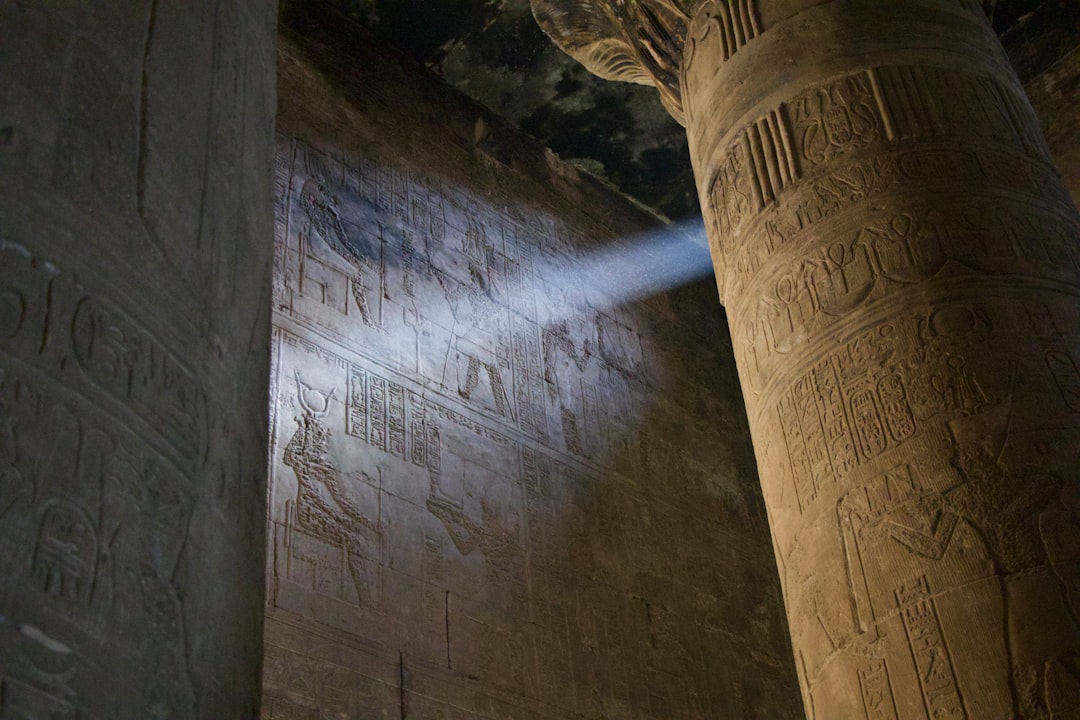
History is a vast tapestry, woven with threads of known events, but punctuated by tantalizing gaps, unanswered questions, and enigmas that have captivated human curiosity for centuries. These are not mere academic puzzles; they are windows into forgotten worlds, whispers from the past that challenge our understanding and ignite our imaginations. Unraveling history’s greatest mysteries is a perpetual quest, a journey that requires the meticulous work of historians, archaeologists, scientists, and often, a touch of inspired speculation. The allure lies not only in finding definitive answers, but in the process of inquiry itself, the relentless pursuit of knowledge that pushes the boundaries of what we believe to be true.
The rise and fall of empires, the sudden disappearance of entire populations, the creation of monumental structures with unknown purposes – these are the cornerstones of history’s most enduring mysteries. These lost civilizations leave behind tantalizing clues, fragmented records, and breathtaking ruins that speak volumes, yet remain frustratingly silent on the crucial details of their demise.
The Riddle of the Indus Valley Civilization
The Indus Valley Civilization, a Bronze Age society that flourished in the northwestern regions of South Asia from approximately 2600 to 1900 BCE, presents a profound puzzle. At its peak, it was one of the world’s largest urban civilizations, boasting sophisticated city planning, advanced sanitation systems, and a standardized system of weights and measures. Cities like Mohenjo-daro and Harappa were meticulously laid out, with grid-patterned streets, multi-story buildings, and elaborate drainage networks – evidence of a highly organized and advanced society. Yet, despite their impressive achievements and extensive trade networks, the Indus people left behind incredibly little in terms of monumental architecture or explicit historical records. Their script, known as the Indus script, remains undeciphered, a tantalizing barrier to understanding their language, beliefs, and social structure.
The Silent Script: A Linguistic Puzzle
The inability to read the Indus script is arguably the single greatest obstacle to comprehending this civilization. Unlike other ancient scripts like Egyptian hieroglyphs or Mesopotamian cuneiform, which have been deciphered through bilingual inscriptions or gradual linguistic analysis, the Indus script has resisted all attempts at translation. The inscribed artifacts are few, mostly short seals and pottery fragments, lacking the extended texts that would facilitate comparative analysis. Theories abound, suggesting connections to Dravidian languages or other ancient linguistic families, but without concrete proof, these remain speculative. The implications of deciphering this script are immense, potentially unlocking the secrets of their religion, governance, and daily lives.
The Great Decline: Theories of Disappearance
The decline of the Indus Valley Civilization, around 1900 BCE, is another significant mystery. Unlike sudden catastrophic events, the decline appears to have been a gradual process, leading to the abandonment of major cities and a fragmentation of the civilization. Several hypotheses have been proposed to explain this disappearance.
- Climate Change and Environmental Degradation: One prominent theory suggests that shifts in climate, such as the drying up of the Ghaggar-Hakra river system, which may have been a perennial river supporting the civilization, could have led to agricultural collapse and forced migration. Deforestation and soil erosion, exacerbated by the intensive agricultural practices of a large population, might also have played a role in degrading the environment, making it unsustainable.
- Arrival of Indo-Aryan Migrations: Another theory posits the arrival of Indo-Aryan peoples from the northwest, leading to conflict and displacement. However, archaeological evidence supporting widespread warfare or invasion during this period is scarce, and many scholars now favor a more gradual process of cultural assimilation and integration, rather than outright conquest.
- Internal Strife and Social Collapse: It is also possible that internal factors, such as social unrest, economic decline, or the breakdown of trade networks, contributed to the civilization’s weakening and eventual dissolution. Without a deciphered script, it is difficult to assess the internal dynamics of their society and identify potential sources of instability.
- Tectonic Activity and Flooding: Some researchers have explored the possibility of significant tectonic shifts or catastrophic flooding events that could have rendered the major urban centers uninhabitable, forcing the population to relocate.
The Mystery of the Minoan Thalassocracy
The Minoan civilization, centered on the island of Crete, flourished from the early Bronze Age until its decline around 1450 BCE. They were a maritime power, a “thalassocracy,” whose influence extended across the Aegean Sea. Their palaces, most famously Knossos, were grand, multi-story structures adorned with vibrant frescoes depicting scenes of nature, daily life, and religious rituals. Their Linear A script, like the Indus script, remains undeciphered, leaving a veil over their exact linguistic and cultural identity.
The Legacy of Knossos and Phaistos
The monumental palaces of Knossos and Phaistos are testaments to the Minoans’ organizational prowess and artistic sophistication. The intricate labyrinthine layouts, the advanced plumbing, and the exquisite artwork all suggest a highly developed and wealthy society. However, the purpose of the labyrinthine structure of Knossos, famously linked to the myth of the Minotaur, remains a subject of debate, blurring the lines between historical fact and legendary interpretation.
The Great Catastrophe: Santorini and the Volcano’s Fury
The most widely accepted theory for the decline of the Minoan civilization, particularly the destruction of their palaces, is the catastrophic eruption of the Thera volcano (modern-day Santorini) around 1600 BCE. This massive eruption sent tsunamis across the Aegean, devastating coastal settlements and disrupting trade routes. While the eruption likely dealt a severe blow, it might not have been the sole cause of their eventual disappearance. Subsequent events, including a potential Mycenaean conquest, likely contributed to their ultimate decline and assimilation.
For those intrigued by the enigmatic aspects of history, a fascinating article titled “Uncovering Ancient City Fortification Secrets” delves into the architectural marvels and strategic designs of ancient civilizations. This piece explores how these fortifications not only served as protective barriers but also reflected the social and political dynamics of their time. To read more about these historical mysteries, you can visit the article here: Uncovering Ancient City Fortification Secrets.
The Vanishing Armies and Lost Legions
History is littered with accounts of armies that vanished without a trace, entire legions swallowed by the mists of time, leaving behind only the legends of their fate. These are not simply military defeats; they are tales of inexplicable disappearances that fuel speculation and captivate the historical imagination.
The Ten Lost Tribes of Israel
Following the Assyrian conquest of the Kingdom of Israel in 722 BCE, the ten northern tribes of Israel were deported and scattered across the Assyrian Empire. For centuries, they were known as the “Ten Lost Tribes,” their fate becoming a subject of intense speculation and religious prophecy. Despite numerous claims and theories throughout history, their ultimate whereabouts remain an enduring mystery.
The Diaspora and the Search for Identity
The concept of lost tribes speaks to the deep-seated human need for belonging and the historical experience of diaspora. Throughout history, various communities have claimed descent from the Ten Lost Tribes, seeking to reclaim a lost heritage and a sense of national or religious identity. These claims, while often rooted in a desire for connection, have rarely been substantiated by definitive historical or genetic evidence.
Biblical Prophecies and Modern Claims
Biblical prophecies concerning the eventual return and restoration of the lost tribes have fueled the ongoing fascination with their fate. In more modern times, groups in various parts of the world, from India to Africa to South America, have asserted their lineage, often based on interpretations of scripture or cultural similarities. While these claims are culturally significant, they remain outside the purview of established historical consensus.
The Disappearance of the Roanoke Colony
In the late 16th century, a group of English settlers, sponsored by Sir Walter Raleigh, attempted to establish a colony on Roanoke Island, off the coast of North Carolina. The initial attempts were fraught with difficulties, but in 1587, a larger group, including women and children, arrived and established a settlement. John White, the colony’s governor, sailed back to England for supplies, promising to return within three years. However, due to the ongoing war with Spain, his return was delayed for five years. Upon his arrival in 1590, he found the settlement deserted. The only clue left behind was the word “CROATOAN” carved into a post and “CRO” carved into a tree.
The “CROATOAN” Etching: A Cryptic Clue
The “CROATOAN” etching is the most significant piece of evidence left by the vanished colonists. Croatoan was the name of a nearby island (modern-day Hatteras Island) and the Native American tribe that inhabited it. This has led to several prominent theories.
- Assimilation with the Croatan Tribe: The most widely accepted theory suggests that the colonists, facing hardship or possibly seeking to escape conflicts, assimilated with the Croatan people. Archaeological discoveries, including European artifacts found among Native American sites in the region, lend some support to this idea.
- Attack and Massacre: Another possibility is that the colony was attacked by hostile Native American tribes or even the Spanish, leading to their demise. However, there is no definitive evidence of a large-scale massacre.
- Attempted Return to England or Relocation: It is also conceivable that the colonists, facing dire circumstances, attempted to sail back to England or relocate to another settlement, but perished at sea or were unable to complete their journey.
The Silent Shore: Unanswered Questions
Despite extensive archaeological investigations and historical research, the precise fate of the Roanoke colonists remains a mystery. The lack of definitive evidence – no mass graves, no clear signs of conflict, no conclusive written accounts from the colonists themselves – continues to fuel debate and speculation. The “Lost Colony” serves as a poignant reminder of the fragility of early settlements and the unforgiving nature of the frontier.
The Puzzling Purpose of Ancient Megaliths
Across the globe, ancient cultures erected massive stone structures, often with no clear explanation for their construction or purpose. These megaliths, from Stonehenge to the Easter Island Moai, stand as silent witnesses to the ingenuity and perhaps the spiritual fervor of our ancestors, their true meanings lost to the passage of time.
Stonehenge: A Cosmic Calendar or Sacred Site?
Stonehenge, the iconic prehistoric monument on Salisbury Plain in Wiltshire, England, is perhaps the most famous megalithic complex in the world. Constructed in several phases between approximately 3000 BCE and 1600 BCE, it consists of a ring of standing stones, with each upright stone over 13 feet high, seven feet wide, and weighing around 25 tons. The exact purpose of Stonehenge remains a subject of intense debate, with numerous theories proposed.
Astronomical Alignments: A Celestial Observatory?
One of the most compelling theories suggests that Stonehenge was an astronomical observatory, designed to track celestial movements. The alignment of the stones with the sunrise on the summer solstice and the sunset on the winter solstice is undeniable. This suggests a sophisticated understanding of astronomy and a desire to mark significant points in the solar year, possibly for agricultural or religious purposes.
Ritual and Religious Significance: A Temple for the Gods?
Beyond its astronomical functions, Stonehenge was undoubtedly a place of great spiritual and religious significance. The presence of burial sites around the monument indicates its connection to the dead and the afterlife. It may have served as a ritualistic center, a place for ceremonies, sacrifices, and gatherings that bonded communities and reaffirmed their beliefs.
A Monument to the Dead: A Royal Burial Ground?
Some researchers propose that Stonehenge was primarily a cemetery for a royal or elite lineage. The discovery of human remains within and around the monument supports this theory. It is possible that it served a dual purpose, functioning as both a celestial calendar and a sacred burial ground for revered ancestors.
The Moai of Easter Island: Giants of Stone and Mystery
Easter Island, a remote volcanic island in the Pacific Ocean, is home to over 900 monumental statues, known as Moai. Carved by the Rapa Nui people between the 13th and 16th centuries, these stone figures, some weighing over 80 tons, stand as silent sentinels across the island. Their creation and transportation are engineering feats that continue to baffle modern minds, and their purpose remains a subject of much speculation.
The Ancestral Guardians: Carved by the Gods or Men?
The most common interpretation is that the Moai represent deified ancestors, their gaze fixed eastward towards the sea, perhaps watching over the island or awaiting the return of their ancestors. The sheer scale of these statues suggests a profound spiritual or ancestral veneration. However, the methods employed to quarry, move, and erect these colossal figures are still under investigation and debate. Modern experiments have attempted to replicate the process, but the exact techniques used by the Rapa Nui remain a source of fascination.
The Island’s Downfall: Ecological Collapse and Social Strife
The story of Easter Island is also intertwined with its own mysterious decline. It is believed that the intensive deforestation and resource depletion, necessary for moving the Moai and sustaining the population, led to ecological collapse. This, in turn, may have triggered social strife, warfare, and a decline in the population, ultimately leading to the abandonment of much of the island’s monumental traditions. The statues, left behind, now stand as silent witnesses to this tragic environmental and social history.
The Whispers of Unidentified Flying Objects and Ancient Astronauts

While often relegated to the fringes of mainstream history, the concept of unidentified flying objects (UFOs) and the ancient astronaut hypothesis have persistently captured the public imagination, suggesting possible extraterrestrial involvement in humanity’s past.
The Phaistos Disc: An Alien Artifact?
The Phaistos Disc, unearthed in a Minoan palace on the island of Crete, is a unique artifact from the early 17th century BCE. It is a clay disc, approximately 6 inches in diameter, imprinted with a spiral of clay tokens bearing Hieroglyphic symbols. While many of the symbols are recognizable as Minoan, the arrangement and purpose of the disc have led to considerable speculation.
Undeciphered Script and Unexplained Origins
The script on the Phaistos Disc remains entirely undeciphered, and its specific use is unknown. Theories range from a simple stamp or seal to a form of ancient game board or religious text. The fact that it is the only known object of its kind has fueled speculation about its origin and the possibility of it being an anomaly, or even, for some, evidence of advanced or alien technology.
The Ancient Astronaut Connection: A Leap of Faith
The ancient astronaut hypothesis proposes that extraterrestrial beings visited Earth in antiquity and influenced the development of human cultures and technologies. Proponents of this theory sometimes point to artifacts like the Phaistos Disc as potential evidence, arguing that their complexity and uniqueness suggest an origin beyond known human capabilities of the time. However, mainstream archaeology and history largely dismiss these claims, attributing such phenomena to the ingenuity of ancient peoples and the natural evolution of human culture.
The Nazca Lines: Alien Geoglyphs from Above?
The Nazca Lines, a series of ancient geoglyphs etched into the desert plains of southern Peru, are enormous figures and geometric shapes visible only from high altitudes. Created by the Nazca culture between 500 BCE and 500 CE, these designs, depicting animals, plants, and abstract forms, have inspired awe and wonder for centuries.
A Message to the Gods or Sky Beings?
The most prevalent theories suggest that the Nazca Lines were created for religious or ritualistic purposes, possibly serving as pathways for processions or as offerings to deities. Their scale and visibility from above have led to the ancient astronaut hypothesis, with some suggesting they were intended as landing strips or messages for extraterrestrial visitors.
Engineering Marvels of the Ancient World
Regardless of their purpose, the Nazca Lines represent a remarkable feat of engineering and artistic expression by the Nazca people. The ability to create such precise and extensive designs on such a large scale, using only simple tools, speaks to their ingenuity and dedication. The enduring mystery lies not just in their creation, but in the ultimate meaning and intent behind such magnificent yet enigmatic etchings.
History is filled with intriguing mysteries that continue to captivate our imagination, and recent discoveries often shed light on these enigmas. For instance, archaeologists have made a remarkable find by uncovering a sealed chamber in an ancient city, which could provide valuable insights into past civilizations. This exciting development is just one example of how ongoing research helps to unravel the secrets of history. To learn more about this fascinating discovery, you can read the full article here.
The Persistence of Myth and Folklore
“`html
| History Mystery | Explanation |
|---|---|
| The Lost Colony of Roanoke | New evidence suggests they integrated with local Native American tribes |
| The Bermuda Triangle | Scientific explanations point to natural causes such as methane gas eruptions |
| The Dancing Plague of 1518 | Likely caused by mass hysteria or ergot poisoning |
“`
Beyond documented history, the realm of myth, folklore, and legend offers another rich vein of historical mystery. These stories, passed down through generations, often contain kernels of truth, distorted through time and retelling, hinting at events and beliefs that might otherwise remain unknown.
The Legend of Atlantis: A Lost City Beneath the Waves
The legend of Atlantis, first described by the Greek philosopher Plato, tells of a powerful and advanced island civilization that vanished beneath the sea in a single day and night of misfortune. Its description as a utopian society, with unparalleled technological and architectural achievements, has ignited the human imagination for millennia.
Plato’s Account: Fact or Fiction?
The question of whether Atlantis was a literal place or a philosophical allegory remains one of history’s most enduring debates. While Plato’s detailed account lends an air of authenticity, many scholars believe it was a metaphorical story designed to illustrate his political and philosophical ideas. Nevertheless, the allure of a lost, advanced civilization has led to countless theories about its location and disappearance.
The Search for a Sunken City: From the Atlantic to the Mediterranean
Numerous locations have been proposed as the possible site of Atlantis, from the Atlantic Ocean to the Mediterranean Sea, including areas like the Azores, the coast of Spain, and even the island of Crete. Despite extensive searches and intriguing discoveries, no definitive archaeological evidence has ever been found to confirm the existence of Plato’s Atlantis. The legend persists, a powerful symbol of lost grandeur and the quest for forgotten knowledge.
The Arthurian Legends: Echoes of a Dark Age Hero?
The tales of King Arthur and his Knights of the Round Table, while deeply ingrained in Western culture, are shrouded in historical uncertainty. While a historical Arthur may have existed, leading British forces against invading Saxons in the late 5th or early 6th century, the stories as we know them are largely romanticized and embellished legends.
The Dark Ages’ Enigma: The Search for Historical Arthur
The period in which Arthur is believed to have lived, known as the Dark Ages, is characterized by limited written records, making it difficult to separate historical fact from legend. The few contemporary sources that mention figures or events that might be linked to Arthur are often ambiguous.
Myths and Memories: Shaping National Identity
The Arthurian legends likely evolved over centuries, drawing on oral traditions, folklore, and the desire for a unifying hero during times of political turmoil. They reflect the cultural anxieties and aspirations of the periods in which they were told, serving to shape national identity and provide a sense of continuity with a heroic past. The enduring appeal of Arthur lies in his embodiment of chivalry, justice, and the eternal struggle between good and evil, making him a timeless figure even if his historical reality remains elusive.
The unraveling of history’s greatest mysteries is an ongoing testament to humanity’s insatiable thirst for knowledge. Each solved puzzle, each new theory, adds another layer to our understanding of the past, while simultaneously opening up new avenues of inquiry. These mysteries remind us that history is not a static entity, but a dynamic, evolving narrative, rich with unanswered questions that continue to beckon us forward, urging us to delve deeper, explore further, and never cease in our quest to comprehend the extraordinary tapestry of our collective human story.

How an Entire Civilization Collapsed
FAQs
What are some examples of history mysteries that have been explained?
Some examples of history mysteries that have been explained include the disappearance of the Roanoke colony, the fate of the Romanov family, the construction of Stonehenge, the identity of Jack the Ripper, and the sinking of the Titanic.
How are history mysteries explained?
History mysteries are often explained through the use of new evidence, advanced technology, and modern research methods. Historians, archaeologists, and scientists work together to analyze existing evidence and uncover new information that can shed light on previously unexplained events.
Why is it important to explain history mysteries?
Explaining history mysteries is important because it helps us gain a better understanding of the past and the events that have shaped our world. It also allows us to correct misconceptions and myths, and to learn from the mistakes and achievements of our ancestors.
What are some challenges in explaining history mysteries?
Some challenges in explaining history mysteries include the lack of concrete evidence, the passage of time leading to deterioration of evidence, and the presence of conflicting accounts and interpretations. Additionally, some mysteries may never be fully explained due to the limitations of available evidence and technology.
How does the explanation of history mysteries impact our understanding of the past?
The explanation of history mysteries impacts our understanding of the past by providing context, clarity, and insight into significant events and figures. It allows us to form a more accurate and nuanced understanding of historical events, and to appreciate the complexities of human history.