
Unraveling Maize Domestication: Teosinte Genetics
The story of maize, or corn (Zea mays L.), is a remarkable tale of human intervention and genetic transformation. For millennia, this staple crop has fed populations, shaped civilizations, and become a cornerstone of global agriculture. Yet, the maize we cultivate today bears little resemblance to its wild ancestor, a plant known as teosinte. The journey from a seemingly insignificant wild grass to the prodigious cereal we know is a profound testament to the power of natural selection, guided by human hands. Understanding this evolutionary leap requires delving into the genetic heart of teosinte, the key that unlocks the secrets of maize domestication.
For a long time, the lineage of maize was shrouded in mystery. Early botanists and archaeologists debated its origins, with some suggesting a South American heritage and others looking towards diverse wild grasses. However, a series of groundbreaking discoveries in the mid-20th century, particularly by botanist Paul Mangelsdorf, pointed towards Mesoamerica and a humble wild grass. This plant, teosinte, gradually emerged as the undisputed progenitor of maize. But what exactly is teosinte, and how does it differ so dramatically from its domesticated descendant?
What is Teosinte?
Teosinte is an umbrella term that encompasses several species within the genus Zea. While the most direct ancestor of maize is often identified as Zea mays ssp. parviglumis (known as Balsas teosinte, after the Balsas River valley in southwestern Mexico), other teosinte subspecies also play a role in understanding the broader evolutionary landscape. Unlike the familiar ears of corn with their tightly packed rows of kernels, teosinte produces small, brittle ears. These ears are typically encased in a hard, cup-like shell, and contain only a few kernels. The plant itself is often more branched and produces multiple, smaller stalks, differing from the single, robust stalk characteristic of most modern maize varieties. The seed dispersal mechanism of teosinte is also crucial: the entire ear shatters easily, scattering its kernels once mature. This mechanism, while effective for wild propagation, is a far cry from the persistent, easily harvestable ears of maize.
Distinguishing Features: A Genetic Chasm
The phenotypic differences between teosinte and maize are staggering. Imagine the contrast between a wild berry bush and a cultivated orchard laden with plump, juicy fruits. The kernels of teosinte are small, hard, and covered by a protective glume. This glume, essentially a hardened husk, made them difficult to process for early humans. Maize kernels, conversely, are larger, softer, and exposed, allowing for easier grinding and cooking. Furthermore, teosinte inflorescences, or flower clusters, are typically bisexual and branched, producing both male and female flowers in a dispersed manner. Maize, through domestication, has developed more specialized female inflorescences (ears) located lower on the stalk and prominent terminal male inflorescences (tassels). The architecture of the plant itself has also been dramatically altered, with maize tending towards a single, upright stem versus the more sprawling, multi-branched nature of teosinte.
Recent studies on maize domestication genetics have shed light on the evolutionary relationship between maize and its wild ancestor, teosinte. One particularly insightful article discusses the genetic variations that have been identified during the domestication process, highlighting how specific traits were selected over generations. For more in-depth information on this topic, you can read the article at this link.
The Genetic Revolution: Discovering Key Domestication Genes
The advent of molecular genetics has provided the tools to delve deeper than mere visual comparisons. Through the study of DNA, scientists can now pinpoint the specific genetic changes that occurred during the domestication of maize. This research has revealed that the transformation was not a gradual, random affair, but rather a series of targeted genetic alterations, driven by human selection for desirable traits. These changes, acting like switch flips in the plant’s genetic code, dramatically reshaped teosinte into the maize we recognize. The discovery of key domestication genes has been like finding the blueprint of this transformation, allowing us to understand exactly how the wild seed became the abundant grain.
The Role of tb1: A Master Regulator
One of the most pivotal discoveries in understanding maize domestication has been the identification of the teosinte branched1 (tb1) gene. This gene acts as a master regulator, profoundly influencing plant architecture. In teosinte, tb1 is expressed at high levels, promoting the development of numerous tillers (side shoots) and branches. This branching pattern is advantageous for wild dispersal, allowing the plant to spread its seeds widely. However, during domestication, mutations in tb1 led to its reduced expression in maize. This reduction in tb1 activity is directly responsible for the single-stalked architecture of modern maize, which maximizes resource allocation to a single, large ear. Imagine a branching river system that, through careful engineering, is narrowed into a single, powerful channel directing all its energy towards a single destination. tb1 is the genetic engineer behind that focus.
tga1 and the Hardened Glume: A Kernel’s Transformation
Another critical gene in the domestication story is tolower glume a1 (tga1). In teosinte, tga1 is involved in the development of the hard, protective glume that encloses the kernel. Mutations in tga1, selected for by early farmers, led to a reduction in glume thickness and hardness in maize. This seemingly small change had enormous consequences. It made the kernels more accessible for processing, easier to grind into flour, and ultimately, more palatable. The evolution of tga1 essentially peeled away the protective armor of the teosinte kernel, revealing the edible bounty within. This gene is like a sculptor’s chisel, gradually removing the rough outer shell to reveal the refined grain.
isal1 and Seed Shattering: From Wild Dispersal to Human Harvest
The tendency of teosinte ears to shatter upon maturity is an effective mechanism for wild seed dispersal, but a significant impediment to agriculture. The gene indica domestication associated locus1 (isal1), like tb1, plays a crucial role in this process. In teosinte, isal1 is involved in the development of abscission layers, tissue that facilitates the breaking or shattering of the ear. Selection for non-shattering varieties of maize involved mutations in isal1 that reduced the formation of these abscission layers. This change meant that the ears remained intact on the plant, allowing early farmers to easily harvest them. Without this genetic alteration, the domestication of maize would have been practically impossible on a large scale. isal1 is the genetic lock that kept the seeds on the plant, awaiting human collection.
The Genetic Landscape of Domestication: A Complex Tapestry
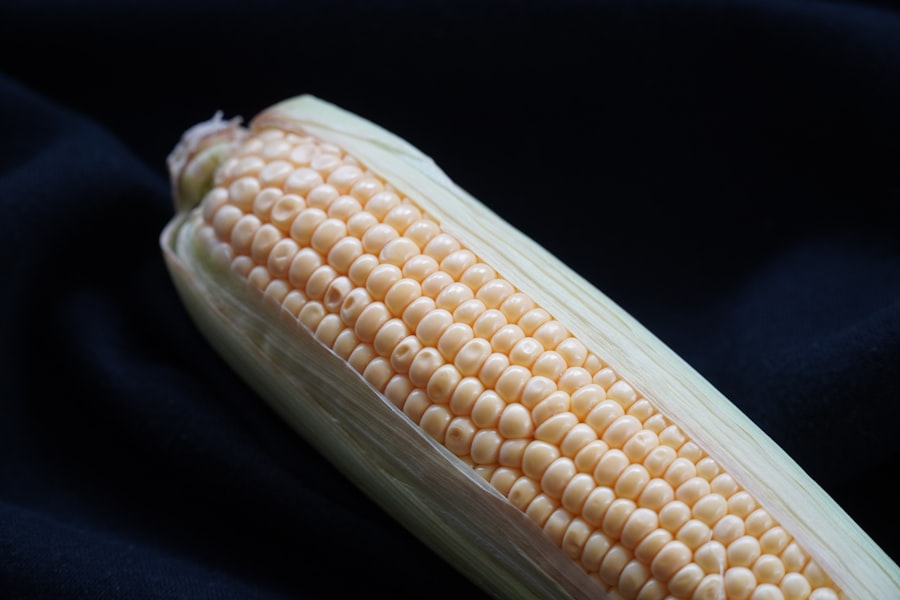
The domestication of maize was not a single event involving the mutation of just one or two genes. Instead, it was a complex evolutionary process driven by the cumulative effect of changes in numerous genes. Scientists are continuously mapping and characterizing these genes, building a richer understanding of the genetic architecture that underpins the transformation from teosinte to maize. The more we uncover, the more we realize that maize domestication is like a vast, intricate tapestry, woven from countless genetic threads.
Loci and Quantitative Trait Loci (QTLs)
The study of domestication often involves identifying chromosomal regions, known as loci, that harbor genes influencing specific traits. Quantitative Trait Loci (QTLs) are specific regions on chromosomes that are associated with variation in observable traits (phenotypes). By analyzing populations of teosinte and maize, geneticists can use QTL mapping to pinpoint the chromosomal locations that differ between the two and are likely to contain genes responsible for domestication-related traits. This is akin to a detective meticulously searching a crime scene, identifying specific areas where crucial evidence might be found.
Ancient DNA: Whispers from the Past
The study of ancient DNA recovered from archaeological sites is providing invaluable insights into the genetic history of maize. By sequencing DNA from ancient maize cobs and teosinte samples, researchers can directly observe the genetic changes that occurred over time. This allows for a more precise understanding of when certain genetic alterations arose and how they spread throughout ancient populations. Ancient DNA acts as a time machine, allowing us to listen to the genetic whispers of our ancestors and witness the domestication process unfold in near real-time.
The Ongoing Quest: Modern Tools and Future Directions
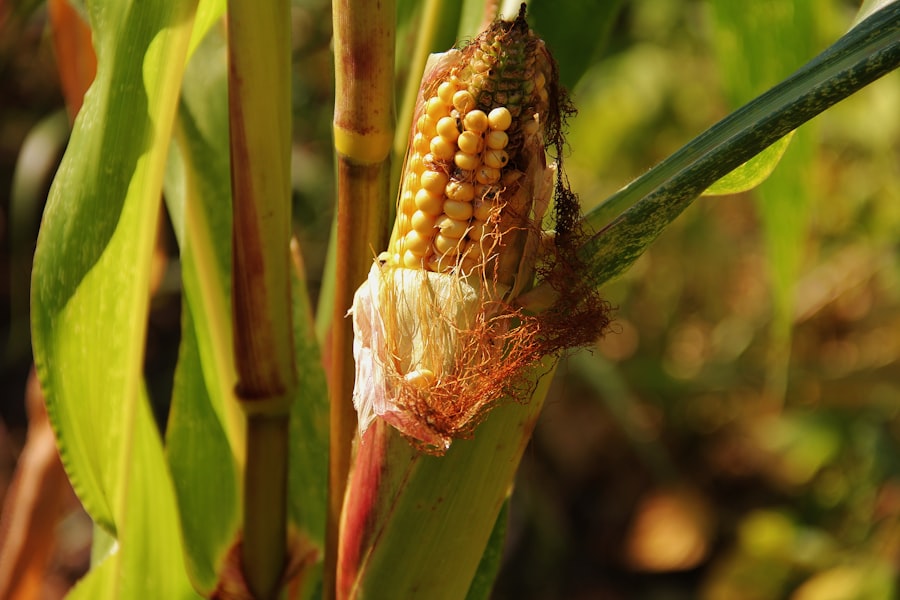
The unraveling of teosinte genetics is an ongoing scientific endeavor. Advanced genomic technologies, such as high-throughput sequencing and gene editing techniques like CRISPR-Cas9, are incredibly powerful tools in this quest. These tools allow for rapid and precise genetic analysis, opening new avenues for research.
Genome Sequencing and Comparative Genomics
The sequencing of the maize genome has provided a foundational roadmap. Comparative genomics, the study of similarities and differences in the genome sequences of different species, allows us to compare the maize genome with that of teosinte. By identifying regions of divergence, scientists can infer the genes that have been under selection during domestication. This comparative approach is like comparing two closely related maps to pinpoint the exact areas that have been significantly altered.
Gene Editing for Functional Studies
CRISPR-Cas9 and other gene-editing technologies enable scientists to precisely modify specific genes in model organisms or even in maize and teosinte itself. This allows for direct functional studies: researchers can intentionally disable or alter a specific gene and observe the resulting phenotypic changes. This experimental approach is crucial for confirming the role of suspected domestication genes and understanding their precise mechanisms of action. It’s like being able to surgically alter specific components of a complex machine to understand how each part contributes to its overall function.
Recent studies have shed light on the complex genetics of maize domestication, particularly in relation to its wild ancestor, teosinte. Researchers have identified specific genes that played a crucial role in the transition from teosinte to the maize we know today, highlighting the evolutionary adaptations that occurred during this process. For a deeper understanding of these genetic changes and their implications for agricultural practices, you can explore a related article that discusses the fascinating journey of maize from its wild origins to a staple crop. To read more, visit this article.
Implications and Applications: From Understanding to Innovation
| Metric | Description | Value/Observation | Reference Gene(s) |
|---|---|---|---|
| Domestication Trait | Seed shattering (teosinte has shattering seeds, maize does not) | Non-shattering in maize | tga1 (teosinte glume architecture 1) |
| Kernel Row Number | Number of kernel rows on the cob | Teosinte: 2 rows; Maize: 8-20 rows | tb1 (teosinte branched 1) |
| Plant Architecture | Branching pattern and plant height | Teosinte: highly branched; Maize: single stalk | tb1 |
| Glume Hardness | Hardness of the protective casing around kernels | Teosinte: hard glumes; Maize: soft glumes | tga1 |
| Genetic Divergence Time | Estimated time since maize and teosinte diverged | ~9,000 years ago | Whole genome analysis |
| Key Domestication Loci | Genes identified as major contributors to domestication traits | tb1, tga1, zagl1, gt1 | Multiple loci |
| Allele Frequency Change | Frequency of domestication alleles in maize vs teosinte | High frequency of domestication alleles in maize; low in teosinte | tb1, tga1 |
The knowledge gained from unraveling teosinte genetics has profound implications, extending far beyond an academic understanding of plant evolution. This research is not just about looking backward; it’s about equipping us with the knowledge to address the challenges of the future.
Improving Modern Crop Varieties
Understanding the genetic basis of desirable traits in maize, like disease resistance, drought tolerance, and improved nutritional content, can lead to the development of more resilient and productive crop varieties. By tapping into the genetic diversity present in teosinte or by reintroducing ancestral traits through breeding or genetic engineering, scientists can create maize varieties better suited to changing environmental conditions and growing demands. This is like rediscovering forgotten strengths in a seasoned warrior to prepare them for new battles.
Food Security and Sustainable Agriculture
As the global population continues to grow, ensuring food security is paramount. Maize remains a vital crop, and improving its yield and sustainability is crucial. The genetic insights gleaned from teosinte domestication can contribute to developing crops that require fewer resources (water, fertilizers), are more resistant to pests and diseases, and can thrive in marginal environments, thus promoting more sustainable agricultural practices. This genetic knowledge is a vital tool in the fight for a future where everyone has access to food.
The Evolutionary Story Continues
The story of maize domestication is a powerful illustration of divergent evolution, where human selection has acted as a potent evolutionary force. The genetic dialogue between humans and teosinte over millennia has sculpted one of the world’s most important crops. The ongoing research into teosinte genetics continues to deepen our appreciation for this intricate evolutionary dance and promises further innovation for the future of agriculture.
FAQs
What is maize domestication?
Maize domestication refers to the process by which wild teosinte plants were selectively bred and genetically modified by ancient humans to develop modern maize (corn) with desirable traits such as larger kernels and easier harvesting.
What role does teosinte play in maize genetics?
Teosinte is the wild ancestor of maize. It provides the genetic foundation from which maize was domesticated. Studying teosinte helps scientists understand the genetic changes involved in maize evolution and domestication.
Which genetic changes were important in maize domestication?
Key genetic changes include mutations in genes controlling kernel size, plant architecture, and seed dispersal. For example, changes in the tb1 gene reduced branching, leading to a single large ear, and alterations in the tga1 gene affected kernel casing.
How do scientists study the genetics of maize domestication?
Researchers use comparative genomics, mapping of quantitative trait loci (QTL), and gene editing techniques to identify and analyze the genes responsible for domestication traits by comparing maize and teosinte genomes.
Why is understanding maize domestication genetics important?
Understanding the genetics of maize domestication helps improve crop breeding, increase yield, and develop varieties better adapted to environmental stresses, contributing to food security and sustainable agriculture.