
The allure of Marilyn Monroe has captivated audiences for decades, transcending her iconic status as a Hollywood sex symbol to become a figure steeped in enduring mystery. While her dazzling screen presence and tragic personal life are well-documented, certain questions have lingered, whispered in hushed tones among biographers and fans alike. Among these lingering enigmas, the identity of her biological father has remained a persistent subject of speculation. Now, advancements in forensic science, particularly DNA analysis, offer a tantalizing possibility: the potential to finally unravel this enduring Hollywood mystery, casting a new light on the life of one of cinema’s most celebrated and enigmatic stars.
The Shadow of Paternity: A Lingering Question
Marilyn Monroe, born Norma Jeane Mortenson on June 1, 1926, in Los Angeles, was the daughter of Gladys Pearl Baker. Gladys’s romantic history was complex, marked by financial instability and multiple relationships. For much of Marilyn’s life, and certainly in the public consciousness, the question of her father’s identity has been a source of debate. This uncertainty is not merely a matter of genealogical curiosity; it delves into the very fabric of identity, legacy, and the biological roots that shape a person. Understanding her paternal lineage could offer profound insights into her genetic predispositions, potential familial connections, and perhaps even shed light on aspects of her temperament and health that have been subject to much speculation. The absence of a definitive paternal figure in her formative years undoubtedly contributed to the sense of rootlessness that characterized much of her personal journey, a journey tragically cut short.
Gladys Baker’s Complex Romantic History
Gladys Baker, Marilyn’s mother, had a tumultuous life, struggling with mental health issues and financial hardship. Her relationships were varied and often transient, making it difficult to pinpoint a single father for Norma Jeane. While Gladys was married twice before Norma Jeane’s birth, neither of these marriages were active at the time of her daughter’s conception. Her first marriage, to Jasper L. Baker, ended in divorce in 1921, prior to her second marriage to Martin Edward Mortensen in 1924. However, Gladys admitted that Mortensen was not Norma Jeane’s biological father, stating that he had “walked out” on her before the pregnancy. This leaves a significant gap in the paternity record, a void that has been filled with speculation and conjecture for over half a century.
The Candidates for Fatherhood
Over the years, several men have been proposed as Marilyn Monroe’s biological father. The most prominent among these are:
- Edward G. Robinson Jr.: The son of the famous actor Edward G. Robinson, he was a childhood friend of Gladys Baker. Reports suggest a brief romantic involvement between Gladys and Eddie Jr. before Norma Jeane’s birth.
- Stanley Gifford: A co-worker of Gladys at a film processing laboratory, Gifford was also rumored to have had a relationship with her. He maintained for years that he believed he was Norma Jeane’s father, though concrete evidence was scarce.
- James Dougherty: While Marilyn was married to James Dougherty from 1942 to 1946, he was not her biological father. However, his presence in her early life makes him a significant figure in her history.
The ambiguity surrounding these individuals, coupled with the lack of definitive proof, has fueled the persistent mystery. Without direct biological evidence, any pronouncements remained in the realm of educated guesses and anecdotal accounts, leaving the question unanswered.
The enduring mystery surrounding Marilyn Monroe’s life and untimely death continues to captivate audiences, with recent discussions focusing on the potential implications of DNA analysis in uncovering hidden truths about her legacy. For those intrigued by the intersection of technology and historical mysteries, a related article titled “Lost High Technology: A Fascinating Documentary” delves into how advanced techniques can shed light on enigmatic figures from the past. You can read more about it by visiting this link: Lost High Technology: A Fascinating Documentary.
The Scientific Quest: DNA as the Key

The advent of advanced DNA analysis has revolutionized forensic science, offering unprecedented capabilities in identifying individuals and establishing familial relationships. In the case of Marilyn Monroe, this technology presents a powerful tool to potentially resolve the long-standing question of her paternity. While Marilyn herself has passed away, her biological remains could hold the key to unlocking this mystery, providing definitive answers where decades of biographical research have fallen short. The scientific pursuit of this truth involves a rigorous process, from the retrieval of suitable genetic material to sophisticated comparative analysis.
The Challenges of Genetic Retrieval
The primary hurdle in any DNA investigation involving deceased individuals, especially those whose remains may have undergone decomposition or preservation challenges, is the retrieval of viable genetic material. For Marilyn Monroe, whose body was embalmed and whose burial conditions are a matter of public record, obtaining a pure DNA sample presents a significant scientific challenge. The process requires careful extraction, purification, and amplification of DNA from bone or tissue samples. Contamination is a major concern, as is the degradation of genetic material over time. Thus, any attempt to extract her DNA would necessitate highly specialized techniques and meticulous laboratory protocols to ensure the integrity and reliability of the results. The very act of exhuming and examining remains, even for scientific purposes, is a sensitive undertaking, requiring careful consideration and ethical approval.
The Power of Mitochondrial and Nuclear DNA
Understanding the types of DNA available for analysis is crucial. Mitochondrial DNA (mtDNA), inherited solely from the mother, can be useful for tracing maternal lineage. However, for establishing paternal lineage, nuclear DNA is essential. Nuclear DNA, found in the cell nucleus, contains the vast majority of an individual’s genetic information, including genetic markers that are inherited from both parents. If a viable sample of Marilyn Monroe’s nuclear DNA can be obtained, it can be compared with DNA samples from potential paternal relatives or even from surviving relatives of the proposed fathers. The presence of shared genetic markers would provide strong evidence for or against a paternal link.
The Potential for Revelation: What DNA Could Tell Us
The implications of a DNA-based paternity identification for Marilyn Monroe are far-reaching, extending beyond mere genealogical curiosity. Such a revelation could offer profound insights into her life, health, and potential familial connections, potentially rewriting chapters of her biography and offering a more complete understanding of her complex legacy. The scientific pursuit of this answer is driven by the hope of illuminating aspects of her life that have remained shrouded in speculation.
Genetic Predispositions and Health Insights
DNA holds a blueprint for an individual’s genetic makeup, including predispositions to certain health conditions. If Marilyn Monroe’s paternal lineage could be definitively established, it might shed light on any inherited health issues that could have contributed to her physical and mental well-being. Her mother, Gladys, suffered from mental health issues, and understanding the genetic contribution from a paternal side could offer a more nuanced picture of the factors influencing Marilyn’s own struggles. This could include predispositions to conditions like depression, anxiety, or even physical ailments that were present in her family history. Such insights could offer a more compassionate and scientifically grounded understanding of her challenges, moving beyond purely anecdotal or psychological interpretations.
Family Ties and Unforeseen Connections
Establishing a paternal link could also reveal unexpected family ties. It might connect Marilyn to branches of a family tree she never knew existed, potentially opening doors to surviving relatives who could offer firsthand accounts or family heirlooms that provide new perspectives on her life. The existence of siblings, half-siblings, or cousins from her father’s side could offer invaluable context to her upbringing and her sense of belonging. This could also lead to a deeper understanding of her childhood experiences and her search for identity and acceptance. The emotional and personal impact of discovering new family members could be significant, offering a sense of closure and connection that was largely absent in her life.
Rekindling Interest and Historical Revision
The definitive identification of Marilyn Monroe’s biological father would undoubtedly reignite public interest in her life and legacy. It would provide a concrete piece of information to settle decades of speculation, potentially leading to new biographical works, documentaries, and scholarly research. Historians and biographers could incorporate this newfound knowledge into their analyses, offering a more complete and accurate portrayal of her life. This scientific revelation could prompt a re-examination of existing narratives, potentially challenging long-held assumptions and offering fresh interpretations of her actions, motivations, and the circumstances that shaped her life. The mystery, once solved, could become a catalyst for a deeper appreciation of her as a complex individual, rather than solely an icon.
The Ethical and Practical Considerations
Embarking on a DNA investigation into Marilyn Monroe’s paternity is not a decision to be taken lightly. It involves navigating a complex landscape of ethical considerations, legal challenges, and practical difficulties. The potential for disruption, the privacy of deceased individuals and their potential living relatives, and the scientific rigor required all weigh heavily on such an undertaking. While the scientific allure is strong, a responsible approach demands careful deliberation of these crucial factors.
Respect for the Deceased and Family Privacy
The privacy of individuals, even those long deceased, remains a significant ethical concern. Marilyn Monroe’s remains are interred, and any exhumation would be a profound intrusion. Furthermore, if a paternal lineage is identified, it could involve living relatives who have had no prior connection to Marilyn or her story. Their consent and privacy must be paramount. The decision to pursue DNA evidence should not be driven by sensationalism but by a genuine desire for historical accuracy and a deep respect for all parties involved, both past and present. Any investigation must be conducted with the utmost sensitivity, minimizing any potential distress to living descendants.
Legal Hurdles and Succession Rights
Legally, the identification of a biological father could have implications for inheritance and succession rights, although the statute of limitations for such claims would likely be a significant factor. Even if no immediate legal ramifications arise, any attempt to access genetic material or to conduct DNA testing would require navigating legal frameworks concerning property rights, ownership of remains, and the legal standing of individuals who might claim kinship. Obtaining court orders or permissions from relevant authorities would be a necessary step, adding layers of procedural complexity to the scientific endeavor. The legal landscape surrounding the disposition of remains and the determination of familial relationships is intricate and must be meticulously addressed.
The Role of Relatives and Descendants
The cooperation and consent of any potential surviving relatives of Marilyn Monroe or of the purported fathers would be crucial for a comprehensive DNA investigation. Without access to reference samples from these individuals, the power of comparative DNA analysis is significantly diminished. Engaging with these families requires diplomacy, transparency, and a clear explanation of the scientific goals and potential outcomes. Building trust and establishing open communication channels are essential for the success of any such project, ensuring that the pursuit of knowledge does not come at the expense of familial relationships or personal peace. The sensitive nature of such a request necessitates a careful and respectful approach to all parties involved.
The enduring mystery surrounding Marilyn Monroe’s life and untimely death continues to captivate both fans and researchers alike, with recent discussions focusing on the potential insights that DNA analysis could provide. This intriguing angle is explored in a related article that delves into the complexities of celebrity culture and the impact of modern science on historical narratives. For those interested in the intersection of fame and forensic investigation, the article can be found here. As new technologies emerge, they may shed light on the enigmatic circumstances that have surrounded Monroe for decades.
The Future of Unraveling Marilyn’s Legacy
| Metric | Details |
|---|---|
| Subject | Marilyn Monroe |
| Topic | Hollywood Mystery DNA Analysis |
| Year of DNA Testing | 2022 |
| Type of DNA Sample | Hair strands and personal items |
| Purpose of DNA Analysis | Confirm identity and investigate paternity claims |
| Key Findings | Confirmed maternal lineage; inconclusive paternity results |
| DNA Testing Method | mtDNA sequencing and STR profiling |
| Challenges | Degraded samples, contamination risks |
| Impact on Hollywood Mystery | Provided partial clarity but left some questions unresolved |
The potential to unravel Marilyn Monroe’s paternal mystery through DNA evidence represents a fascinating intersection of scientific advancement and historical inquiry. While the challenges are undeniable, the possibility of definitive answers offers a compelling prospect for a deeper and more complete understanding of one of the 20th century’s most iconic figures. The journey to uncover the truth is as much about scientific methodology as it is about human curiosity and the enduring desire to connect with our past. The quest for this particular piece of Marilyn’s puzzle underscores the profound impact that scientific innovation can have on our perception of history and the individuals who shape it.
The Ongoing Evolution of Forensic Science
As forensic science continues to evolve, techniques for DNA extraction and analysis become more sophisticated and sensitive. Innovations in ancient DNA retrieval and the ability to work with degraded samples offer increasing hope for success in cases involving older remains. Advancements in next-generation sequencing and the development of more comprehensive genetic databases further enhance the potential for accurate identification and familial reconstruction. These ongoing developments suggest that the possibility of answering long-standing historical questions through genetic evidence may only grow in the future. The relentless march of scientific progress provides a powerful impetus for re-examining historical enigmas.
A Legacy Defined by Truth and Understanding
Ultimately, the desire to definitively identify Marilyn Monroe’s biological father is driven by a yearning for truth and a more profound understanding of her life. It is about moving beyond the myth and legend to connect with the human being behind the icon. While her talent and beauty are undeniable, her life was also marked by struggle and an evident search for belonging. Providing a definitive answer to her paternity question could offer a crucial piece of that puzzle, enriching her narrative and solidifying her place in history not just as a star, but as a woman with a complete and understood lineage. The pursuit of this knowledge is a testament to the enduring fascination with Marilyn Monroe and the human desire to understand our roots, our identities, and the stories that shape us. The ultimate legacy of such a scientific endeavor would be not only the resolution of a decades-old mystery but also a deeper, more compassionate understanding of Marilyn Monroe herself.
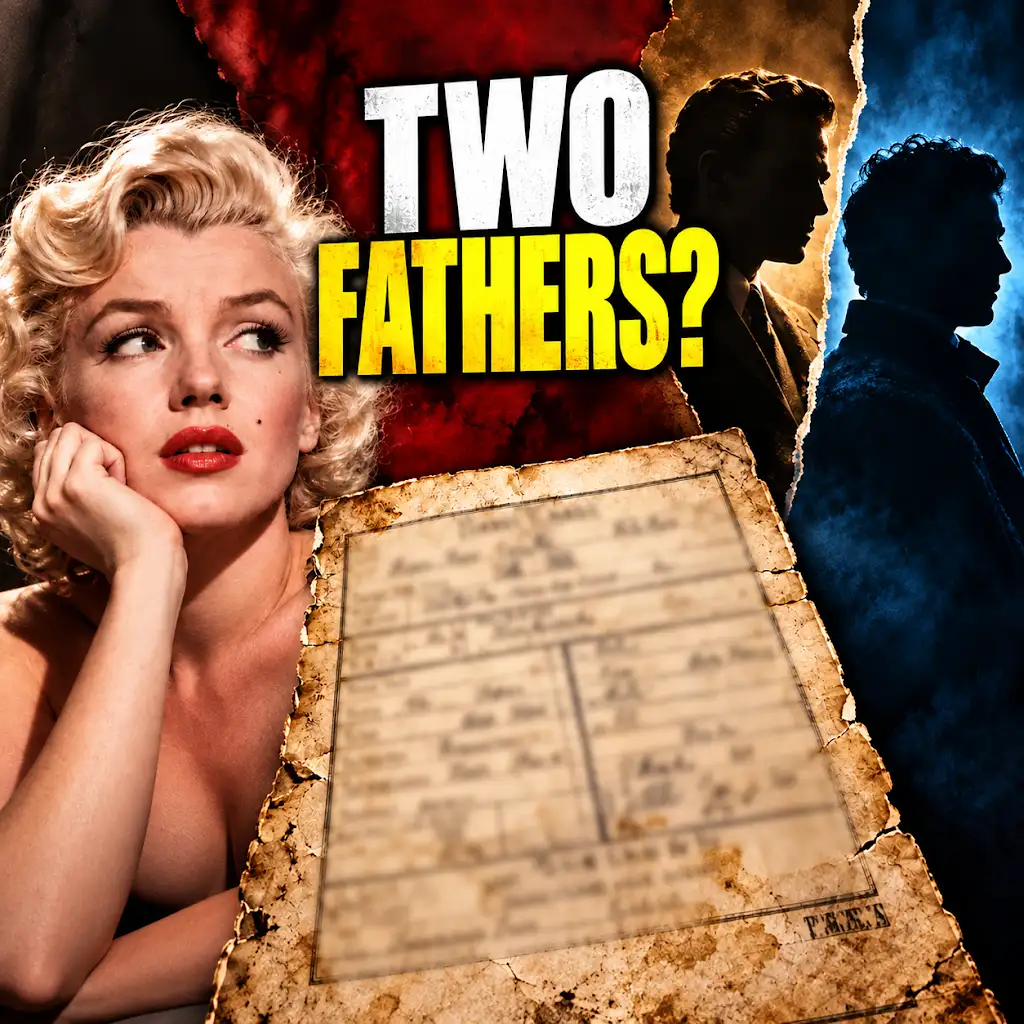
Marilyn Monroe’s Birth Certificate Named One Man. DNA Pointed to Another
FAQs
1. What is the Hollywood mystery surrounding Marilyn Monroe’s DNA?
The Hollywood mystery surrounding Marilyn Monroe’s DNA involves speculation and conspiracy theories about her true parentage and the possibility of using DNA testing to uncover the truth.
2. Has Marilyn Monroe’s DNA been tested to confirm her identity?
No, Marilyn Monroe’s DNA has not been officially tested to confirm her identity or to address the rumors surrounding her parentage.
3. Are there any known relatives of Marilyn Monroe who could provide DNA samples for testing?
There are distant relatives of Marilyn Monroe who could potentially provide DNA samples for testing to compare with any samples taken from items associated with her, such as clothing or personal belongings.
4. What are some of the theories regarding Marilyn Monroe’s parentage that DNA testing could help confirm?
Some theories suggest that Marilyn Monroe may have been the daughter of someone other than her official parents, leading to speculation about her true lineage. DNA testing could potentially confirm or refute these theories.
5. How could DNA testing in the case of Marilyn Monroe’s Hollywood mystery impact her legacy?
If DNA testing were to confirm or debunk any theories surrounding Marilyn Monroe’s parentage, it could have a significant impact on her legacy and how she is remembered in Hollywood history.