
The flicker of an ancient flame, a primal beacon in the encroaching darkness, has fascinated and tormented humanity for millennia. The ability to harness and control fire marked a profound turning point in our evolutionary journey, a leap from mere survival to the dawn of civilization. Yet, the exact circumstances of this monumental discovery, the lineage of the first beings to consciously wield its power, remain shrouded in the mists of prehistory, a persistent and captivating mystery. This article delves into the ongoing quest to unravel the ancient fire mystery, exploring the clues left behind in the archaeological record, the scientific methodologies employed, and the enduring questions that continue to fuel our curiosity.
The very nature of fire, its ephemeral essence, makes its traces incredibly difficult to preserve over vast swathes of time. Unlike stone tools or skeletal remains, which can endure for hundreds of thousands, even millions, of years, the evidence of early fire use is often subtle and easily eroded by the elements or geological processes. Nevertheless, archaeologists have painstakingly unearthed a growing body of evidence that paints an increasingly nuanced picture of our ancestors’ relationship with fire.
Hearths and Hearths of Evidence: Identifying the Signs
The most compelling evidence for early fire use comes in the form of hearths. These are not simply random scatters of burnt material, but rather contexts that suggest deliberate construction and repeated use. Archaeologists look for several key indicators:
- Concentrations of burnt materials: This includes charcoal, which is essentially burnt wood, and ash. The density and distribution of these materials are crucial to differentiate natural fires from intentional burn sites.
- Heat-altered sediments: The intense heat of a fire can fundamentally change the color and structure of the soil. Reddened or blackened earth, often vitrified (melted and then re-solidified), are strong indicators of prolonged or intense heat exposure.
- Burnt artifacts: Tools, bones, and other objects found within or around a potential hearth that show evidence of burning provide further corroboration. The type of burning can even offer clues about the fuel used and the duration of the fire.
- Spatial organization: Evidence of deliberate arrangement of stones, which might have formed a rudimentary enclosure for a hearth, or the careful placement of fuel, are strong indicators of intentionality.
The Deep Past: Claims and Counter-Claims of Extreme Antiquity
The debate over the earliest undisputed evidence of hominin-controlled fire is a long and often contentious one. While occasional claims of extremely ancient fire use exist, they are typically met with rigorous scrutiny due to the inherent difficulties in distinguishing natural fires from hominin-controlled ones.
- Wonderwerk Cave, South Africa: This site has yielded evidence of burned bone fragments and plant ash dating back approximately 1 million years. While compelling, the interpretation of this evidence as controlled fire use remains debated, with some scientists suggesting that natural wildfires could have been responsible for these occurrences.
- Gesher Benot Ya’aqov, Israel: This site offers more robust evidence of controlled fire use, with distinct hearths containing charred seeds and tools dating back around 790,000 years. The presence of multiple hearths, along with evidence of systematic ash removal and wood accumulation, strongly suggests ongoing and deliberate fire management.
- East African sites (e.g., Koobi Fora): Early claims of fire use from East Africa, some dating back over 1.5 million years, have largely been challenged due to the lack of definitive evidence of controlled burning. The interpretation often hinges on distinguishing between naturally occurring wildfires and intentional hominin activity.
The ancient fire mystery has intrigued researchers for years, shedding light on early human behavior and the development of civilization. For those interested in exploring related topics, an insightful article on navigating complex challenges, such as border disputes, can be found here: Navigating Border Disputes: A Complex Challenge. This piece delves into the historical context of territorial conflicts, which, much like the study of ancient fire, reveals the intricate dynamics of human society and its evolution over time.
The Tools of Discovery: Scientific Methods Illuminating the Past
Unraveling the ancient fire mystery is not solely an archaeological endeavor. A multidisciplinary approach, employing cutting-edge scientific techniques, is essential for accurately interpreting the often ambiguous evidence.
Beyond the Naked Eye: Microscopic and Chemical Analysis
Modern scientific analysis offers a level of detail far beyond what was previously possible, allowing researchers to extract crucial information from even the smallest fragments of evidence.
- Micromorphology: The study of thin rock and soil sections under a microscope can reveal the layered deposition of sediments and burnt materials, providing a narrative of how a site was formed and used. This can help distinguish between the chaotic mixing of a wildfire and the more organized deposition associated with a hearth.
- X-ray Diffraction (XRD) and X-ray Fluorescence (XRF): These techniques analyze the elemental and mineralogical composition of sediments and artifacts. They can identify minerals that form or change under intense heat, helping to confirm the presence and intensity of fire.
- Thermoluminescence (TL) and Optically Stimulated Luminescence (OSL) dating: These luminescence dating methods can determine the last time mineral grains in sediments were exposed to sunlight or heat. This is crucial for dating the archaeological layers associated with hearths, providing a chronological framework for fire use.
- Isotopic analysis: The analysis of stable isotopes can provide insights into the diet of early hominins and the types of fuel they might have used. For example, the isotopic composition of charcoal can indicate the source of the wood burned.
Reconstructing the Environment: Paleoenvironmental Reconstruction
Understanding the broader environmental context in which early hominins lived is crucial for interpreting their fire use. Did they encounter frequent wildfires? Was wood readily available as fuel?
- Pollen analysis (Palynology): The study of fossil pollen grains preserved in sediments can reveal the types of plants that grew in an area at a particular time, indicating the presence of forests or savannas, which would have implications for fuel availability.
- Phytolith analysis: Phytoliths are microscopic silica structures produced by plants. Their identification can provide more specific information about plant types and even indicate the presence of grasses, which could have been used as fuel.
- Faunal and floral remains: The analysis of animal bones and plant remains provides direct evidence of the species present in the environment and the resources available to early hominins, including potential food sources and fuel.
The Evolutionary Advantages: Why Fire Became Indispensable

The control of fire was not merely a technological innovation; it was a catalyst for profound evolutionary changes in our ancestors, unlocking a cascade of benefits that fundamentally shaped our development.
A Culinary Revolution: Cooking and its Consequences
One of the most immediate and impactful benefits of fire was the ability to cook food. This seemingly simple act had far-reaching consequences for hominin biology and behavior.
- Increased nutrient availability: Cooking breaks down complex carbohydrates and proteins, making them more digestible and releasing more essential nutrients. This meant that early hominins could extract more energy from their food, fuelling larger brains and more active lifestyles.
- Reduced energy expenditure on digestion: Digesting raw food requires significant energy. By pre-digesting food through cooking, hominins could allocate more energy to other vital functions, such as brain development and physical activity.
- Killing pathogens and parasites: Cooking effectively sterilizes food, reducing the risk of foodborne illnesses and helping to establish healthier populations.
- Softening tough materials: Cooking could soften tough plant materials and meat, making them easier to chew and swallow, especially for individuals with less robust dentition.
Protection and Progress: Security and Social Cohesion
Beyond its culinary applications, fire provided numerous advantages that contributed to the survival and advancement of early human groups.
- Protection from predators: A flickering fire served as a powerful deterrent against nocturnal predators, offering a safe haven for hominins to rest and sleep. This reduced predation pressure and allowed for more secure living.
- Extended activity periods: Fire extended the usable hours of the day beyond sunset, providing light for nighttime activities. This could have facilitated social interaction, tool making, and planning.
- Warming and survival in colder climates: The ability to create and control heat allowed early hominins to survive in environments with colder temperatures, expanding their geographic range and opening up new territories.
- Tool modification and creation: Fire could be used to harden wooden tools, such as spears, making them more durable and effective. It may also have been used in the processing of raw materials for toolmaking.
The Lingering Questions: Unanswered Puzzles and Future Directions
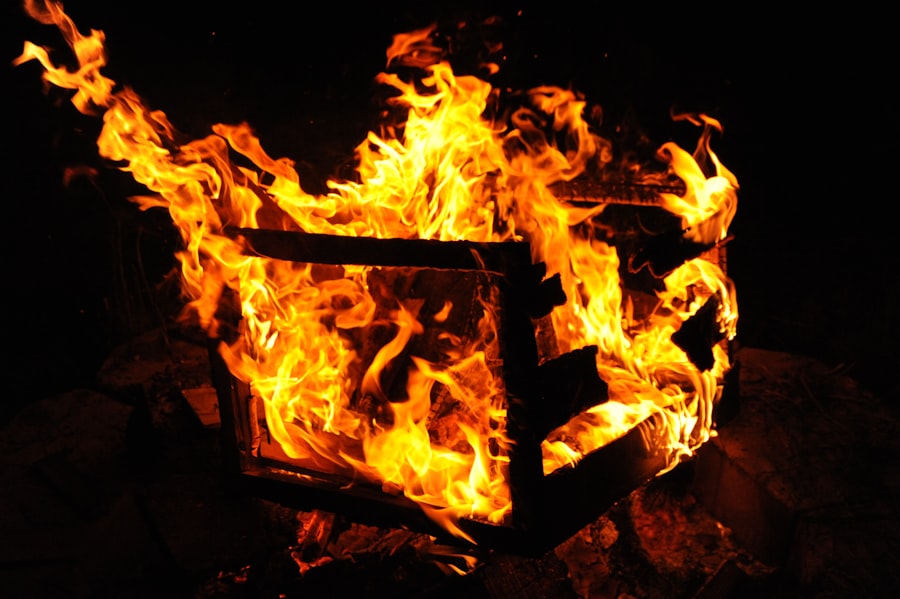
Despite significant advances in our understanding, the ancient fire mystery retains its allure, with crucial questions still awaiting definitive answers.
The Spectrum of Control: Accidental Ignition vs. Intentional Creation
A central debate revolves around whether early fire use was initially a matter of opportunistically exploiting natural fires or a conscious effort to create fire from scratch.
- The “fire-starter” hurdle: The act of intentionally creating fire requires a sophisticated understanding of friction, tinder, and the properties of different materials. Evidence for such deliberate fire-starting technologies is often found much later than evidence of fire use itself, suggesting a possible period of “fire-borrowing” or maintenance.
- Distinguishing natural vs. controlled fires: As mentioned previously, differentiating between the remnants of natural wildfires and human-made hearths remains a significant challenge, particularly at extremely deep temporal scales. The degree of organization, repeated use, and the specific context of burnt materials are key to making this distinction.
Who Were the First Fire Masters? The Identity of the Innovators
Pinpointing the specific hominin species responsible for the earliest controlled use of fire is another major area of ongoing research and debate.
- Homo erectus: A prime candidate? Fossil evidence suggests that Homo erectus was a highly adaptable species that migrated out of Africa and controlled their environment to a significant degree. Many of the more robust claims of early fire use are associated with Homo erectus fossils, making them a strong contender for the title of the first fire masters.
- **Neanderthals and Homo sapiens:** Later hominin species, such as Neanderthals and Homo sapiens, clearly mastered fire control, using it for a wide range of purposes. The question is whether they were merely inheritors of existing technology or if they independently or further refined fire use.
The Geographical Tapestry: A Global Phenomenon or Localized Beginnings?
While evidence of early fire use is emerging from various parts of the world, understanding its initial spread and development is a complex puzzle.
- Independent invention or diffusion? Did the knowledge of fire control arise independently in multiple locations, or was it a single invention that spread through migration and cultural exchange? The current evidence points towards a complex interplay of both.
- Regional variations in fire use: The availability of fuel, climate, and the specific needs of different hominin populations likely led to variations in how fire was used and managed across different geographical regions.
The ancient fire mystery has captivated researchers and historians alike, leading to intriguing discoveries about early human civilization and their use of fire. A related article explores the complexities of ancient trade and its impact on cultural exchanges, shedding light on how these early practices may have influenced the development of societies. For more insights on this topic, you can read the article on labor value content in trade agreements here. Understanding these connections can deepen our appreciation for the innovations that shaped human history.
The Enduring Legacy: Fire’s Unseen Influence on Human Culture and Evolution
| Location | Year | Discovery |
|---|---|---|
| Gobekli Tepe, Turkey | 9600 BCE | Earliest evidence of intentional fire use |
| Caves in South Africa | 1 million years ago | Earliest evidence of controlled fire use by Homo erectus |
The ancient fire mystery is more than just an academic pursuit; it is a quest to understand a fundamental aspect of our collective human story. The ability to tame fire not only transformed our ancestors’ lives but also laid the groundwork for countless future innovations and the very fabric of human civilization.
The Dawn of Technology and Innovation: A Spark for Progress
Fire served as a powerful engine for technological advancement, enabling the development of new tools, materials, and processes that would have been impossible without its power.
- Metallurgy and ceramics: The mastery of fire was a prerequisite for later innovations like metallurgy, the art of extracting and working metals, and the creation of pottery, revolutionizing cooking, storage, and art.
- Agriculture and landscape management: Fire was likely employed in early forms of agriculture, clearing land for cultivation and managing landscapes to encourage the growth of desirable plants.
- Fueling further innovation: The heat from fire provided the energy for a host of later inventions, from steam power to the internal combustion engine, creating a continuous lineage of technological progress.
Social Bonds and Storytelling: The Hearth as a Cultural Hub
The hearth became more than just a source of warmth and light; it evolved into a central gathering point for early human communities, fostering social bonds and the transmission of knowledge.
- Shared meals and community: Cooking and eating together around a fire created a sense of shared identity and strengthened social ties.
- The birth of oral tradition: The long nights spent in the glow of firelight likely provided the perfect environment for storytelling, the transmission of myths, legends, and practical knowledge from one generation to the next. This laid the foundation for cultural continuity and the development of complex societies.
The ancient fire mystery, though still holding its secrets close, continues to illuminate the remarkable ingenuity and resilience of our ancestors. Each new discovery, each refined methodology, brings us a step closer to understanding the profound impact of this primal force on the trajectory of human evolution. The flicker of that ancient fire continues to be a beacon, guiding our understanding of where we came from and inspiring us to continue our exploration of the deep past.

What Heated These Minerals? (The Abu Hureyra Mystery)
FAQs
What is the ancient fire mystery?
The ancient fire mystery refers to the question of how early humans first discovered and controlled fire. This topic has been the subject of much speculation and research in the fields of anthropology, archaeology, and evolutionary biology.
What evidence do we have of ancient fire use?
Evidence of ancient fire use includes charred bones and plant remains, as well as hearths and fire pits found at archaeological sites. Additionally, the presence of certain stone tools and cave paintings suggests that early humans had some level of control over fire.
How did early humans use fire?
Early humans likely used fire for warmth, cooking, protection from predators, and possibly even for social and ritual purposes. The controlled use of fire would have provided significant advantages for survival and development.
What are the theories about the discovery of fire by early humans?
There are several theories about how early humans may have discovered fire, including natural wildfires, lightning strikes, and the intentional creation of fire through friction or other methods. Each theory has its own supporting evidence and challenges.
Why is the discovery of fire important in human history?
The discovery and control of fire by early humans marked a significant turning point in human evolution. It allowed for the development of cooking, which provided more nutrients and energy from food, as well as protection from predators and harsh environments. Fire also played a crucial role in the development of social structures and technological advancements.