The gleam of newly forged bronze, the intricate patterns etched into iron artifacts, these are tangible whispers from a distant past. Metalworking, a transformative technology that reshaped human civilization, remains a subject of ongoing fascination and complex inquiry. Unraveling its ancient mysteries is not merely an academic pursuit; it is a journey into the very foundations of human ingenuity, resourcefulness, and societal development. From the earliest experiments with copper to the sophisticated alloys of later ages, the story of ancient metalworking is a testament to persistent exploration, incremental innovation, and the profound impact of materials science on the human experience.
The transition from stone to metal was not a sudden revolution but a gradual evolution, marked by serendipitous discoveries and painstaking experimentation. The earliest evidence points to a deep curiosity about the properties of certain naturally occurring materials, a curiosity that would eventually unlock the secrets of transforming seemingly inert rocks into functional tools and ornamental objects.
Accidental Encounters: The First Glimmer of Metallic Potential
It is widely believed that the first interactions with metals were unintentional. Prehistoric peoples, likely during the Neolithic period, observed shiny nuggets in fire pits or around natural hearths. These could have been fragments of copper or gold, which occur in native form, meaning they are found in their pure metallic state. The intense heat of fires, perhaps used for cooking or warming, would have inadvertently reduced the ore to its metallic form. Imagine a hunter or gatherer noticing a peculiar, malleable substance on a hearthstone after a particularly hot fire – a substance that could be shaped in ways that stone could not. This initial observation would have been a critical catalyst, sparking curiosity and a desire to replicate the phenomenon.
The Alchemy of Fire: Understanding Smelting and Alloying
The true breakthrough came with the deliberate manipulation of fire and ore. Early metalworkers learned to identify and extract metallic elements from mineral ores. This process, known as smelting, involved heating ores to very high temperatures, typically in a rudimentary furnace, to separate the metal from the surrounding rock. Early furnaces were likely simple pits or clay enclosures, gradually becoming more sophisticated with the addition of bellows to increase airflow and thus temperature. The precise temperatures required for different metals, like the melting point of copper (around 1085°C) or iron (around 1538°C), were likely discovered through trial and error, a process that would have spanned generations of observation and practice.
The development of alloys was another pivotal moment. The discovery that mixing metals could produce materials with superior properties – such as increased hardness, lower melting points, or enhanced durability – dramatically expanded the possibilities of metalworking. The Bronze Age, named after the alloy of copper and tin, is a prime example. Bronze was a significant improvement over pure copper, being harder and more readily cast. The precise ratios of copper to tin needed to achieve optimal bronze properties were likely discovered through countless experiments, each yielding slightly different results that were observed and recorded in the collective memory of the community.
The mysteries of ancient metalworking continue to captivate researchers and enthusiasts alike, shedding light on the advanced techniques employed by our ancestors. For those interested in exploring this topic further, a related article titled “The Lost Power of Ancient Technology” delves into the remarkable innovations and skills that defined ancient civilizations. You can read more about it by following this link: The Lost Power of Ancient Technology.
The Craft of the Smith: Techniques and Technologies
Once the potential of metals was recognized, the focus shifted to refining the techniques for working them. The ancient smith was a skilled artisan, possessing an intimate understanding of his materials and the tools at his disposal. The development of specialized tools and techniques allowed for increasingly complex and functional metal objects.
Forging: Shaping Metal Through Hammer and Heat
Forging was one of the earliest and most fundamental metalworking techniques. It involved heating metal to a malleable state and then shaping it using hammers and anvils. The smith would repeatedly heat the metal, strike it with a hammer to draw it out or form it, and then re-heat it as needed. This iterative process required immense skill, strength, and an acute sense of timing. Different hammers, with varying weights and shapes, were used for different tasks, from rough shaping to fine detailing. The anvil, a solid metal block, provided a stable surface for the hammering. The precision with which ancient smiths could forge tools, weapons, and decorative items is a testament to their mastery of this physically demanding craft.
Casting: Bringing Molds to Life with Molten Metal
Casting offered a different approach to metal shaping, allowing for the creation of intricate shapes and objects that would be difficult or impossible to forge. This involved creating a mold, typically from clay, sand, or lost wax, and then pouring molten metal into it. The molten metal would cool and harden, taking the shape of the mold. The lost-wax (cire perdue) technique, for instance, involved creating a wax model of the desired object, covering it with clay or plaster, and then firing it. The wax would melt and escape, leaving a hollow cavity that could be filled with molten metal. Once cooled, the outer mold was broken away, revealing the metal casting. This technique enabled the creation of elaborate sculptures, complex jewelry, and detailed decorative elements.
Early Metallurgy of Iron: A More Complex Challenge
The mastery of ironworking presented a significant leap in metallurgical complexity. Iron ores typically require higher temperatures for smelting than copper ores, necessitating more advanced furnace technology and a better understanding of combustion. Moreover, unlike bronze, which could be cast into complex shapes relatively easily, early iron was primarily worked through forging, as pure iron is difficult to cast without imperfections. The smith would heat wrought iron and hammer it into shape, a process that was both laborious and required considerable skill to achieve desired strength and form. The development of steel, an alloy of iron and carbon with superior strength and hardness, was a later but equally transformative advancement, further blurring the lines between early iron and bronze production.
The Social and Economic Impact: Metal as a Catalyst for Change

The advent of metalworking was not just a technological shift; it was a profound societal and economic transformation. Access to and control over metal resources and the skills to work them had far-reaching consequences, influencing everything from warfare and agriculture to trade and social hierarchy.
Warfare and Defense: The Edge of Innovation
The development of metal weapons, from bronze daggers and swords to iron spearheads and armor, fundamentally changed the nature of conflict. Metal weapons were harder, sharper, and more durable than their stone or bone predecessors, giving their wielders a significant advantage. The Bronze Age saw the rise of warrior elites and the expansion of territories facilitated by superior weaponry. The subsequent Iron Age, with its more abundant ore and the development of more effective iron weapons and armor, further democratized warfare to some extent, as iron was more accessible than the tin needed for bronze. This led to larger armies and more extensive conflicts.
Agriculture and Daily Life: Tools for Progress
Beyond warfare, metal tools revolutionized agriculture and everyday life. Metal axes and plows, forged from bronze and later iron, were far more efficient than their stone counterparts. This allowed for larger-scale land cultivation, leading to increased food production and the support of growing populations. Metal tools like knives, chisels, and awls also improved craft production, allowing for more precise woodworking, leatherworking, and other artisanal activities. The availability of durable metal implements significantly eased the burdens of daily life and contributed to the development of more complex economies.
Trade and Exchange: The Value of Metal
The intrinsic value and utility of metal objects made them ideal mediums for trade and exchange. The pursuit of metal resources, such as copper and tin mines, spurred long-distance trade networks. Communities that possessed these resources or the expertise to work them gained considerable economic power. The standardization of metal currency, appearing in various forms across different cultures, further facilitated trade and the development of more complex economic systems. The ability to create and trade in objects of both practical utility and symbolic value cemented metal’s role as a cornerstone of ancient economies.
Unraveling the Secrets: Archaeological and Scientific Investigations
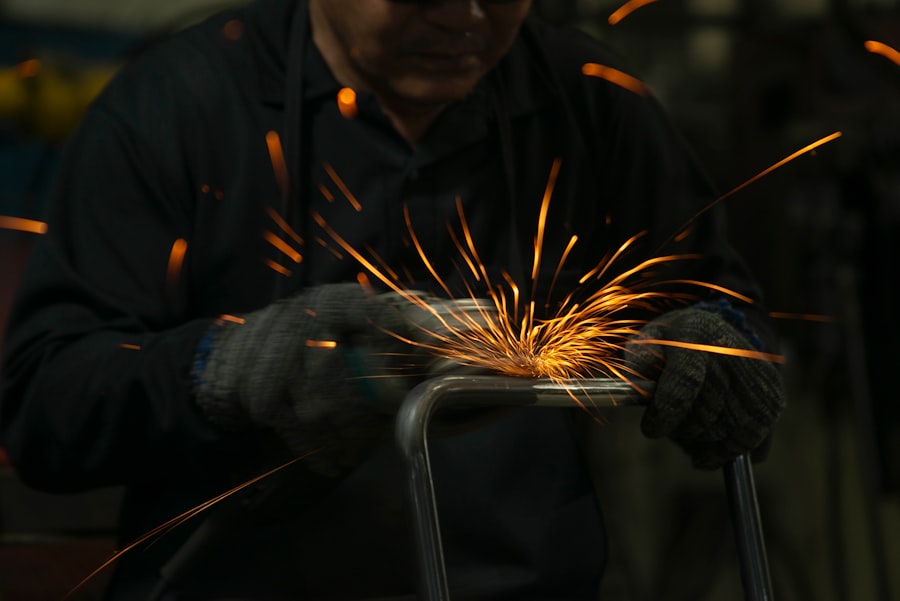
The understanding of ancient metalworking today is a product of meticulous archaeological excavation, careful artifact analysis, and the application of advanced scientific techniques. These methods allow us to reconstruct the lost practices and understand the ingenuity of ancient smiths.
Excavation and Artifact Analysis: Piecing Together the Past
Archaeological digs routinely unearth remnants of ancient workshops, including furnaces, tuyeres (nozzles for bellows), slag (waste material from smelting), crucibles, and discarded tools. The careful excavation and analysis of these sites provide direct evidence of metalworking processes. Artifacts themselves, from raw ore fragments to finished tools and ornaments, are examined for their composition, manufacturing marks, and wear patterns. The patina of a bronze object, the corrosion of an iron sword, or the subtle imperfections in a casting can all reveal crucial information about its creation and history.
Scientific Techniques: Beyond the Naked Eye
Modern science plays an indispensable role in unraveling ancient metalworking mysteries. Techniques such as X-ray fluorescence (XRF) and atomic absorption spectroscopy (AAS) can determine the elemental composition of artifacts, revealing the specific metals and alloys used. Metallography, the study of the microstructure of metals and alloys, allows researchers to examine grain structure, identify heat treatments, and understand the mechanical properties of ancient objects. Radiocarbon dating of organic materials found in association with metalworking sites helps establish chronological frameworks for different techniques and discoveries. Isotopic analysis can even help trace the geographic origin of the raw materials used, shedding light on ancient trade routes and resource exploitation.
Experimental Archaeology: Recreating the Past
A powerful tool in modern research is experimental archaeology. Trained craftspeople and scientists meticulously attempt to replicate ancient metalworking techniques using historical knowledge and, where possible, historically accurate materials and tools. By recreating ancient furnaces, smelting ores, and forging or casting metal using methods inferred from archaeological evidence, researchers can test hypotheses about the feasibility and efficiency of ancient practices. This hands-on approach provides invaluable insights into the physical demands, the skill levels required, and the potential outcomes of ancient metalworking processes.
The ancient art of metalworking has long fascinated historians and archaeologists, as it reveals much about the technological advancements and cultural practices of early civilizations. A recent article delves into the complexities of this craft, exploring how ancient societies developed their skills and the mysteries that still surround their techniques. For those interested in the broader implications of historical craftsmanship on modern economies, you can read more about it in this insightful piece on Mexico’s potential rise as an economic superpower. Check it out here: Mexico’s Economic Future.
Enduring Legacy: Echoes in Modern Technology
| Location | Time Period | Techniques | Artifacts |
|---|---|---|---|
| Timna Valley, Israel | 13th century BCE | Advanced smelting | Copper snake figurines |
| Mesopotamia | 3rd millennium BCE | Lost-wax casting | Gold jewelry |
| Indus Valley Civilization | 4th millennium BCE | Alloying | Bronze tools |
The discoveries and innovations of ancient metalworkers, though separated by millennia, have laid the groundwork for many of the technologies we rely on today. The fundamental principles of metallurgy, the understanding of alloys, and the foundational techniques of shaping metal continue to influence modern industries.
The Foundation of Modern Metallurgy
The ancient pursuit of understanding and manipulating metals was the nascent stage of what is now a vast and complex field of materials science and engineering. The ancient smiths’ empirical discoveries about the properties of different metals and alloys paved the way for systematic scientific study. Their innovations in furnace design, smelting processes, and shaping techniques, while rudimentary by modern standards, established the fundamental concepts that still underpin modern metallurgical practices.
Alloys and Their Evolution: From Bronze to Superalloys
The ancient discovery that mixing metals could create superior materials is a principle that continues to drive innovation today. Bronze and later steel were the early marvels of alloy development. Modern metallurgy boasts an astonishing array of alloys, from high-strength aluminum alloys used in aircraft to specialized stainless steels and even cutting-edge superalloys that can withstand extreme temperatures and stresses in jet engines and nuclear reactors. The desire to create materials with specific properties, a drive that began with the ancient smith seeking a harder-edged tool or a more durable weapon, remains a central tenet of materials science.
The Enduring Allure of Metal
The allure and utility of metal persist. From the structural components of skyscrapers and bridges to the intricate circuitry of our smartphones, metal remains an indispensable material. The ancient quest for stronger tools, more beautiful ornaments, and more efficient weapons has evolved into a sophisticated scientific and industrial endeavor, but its roots lie firmly in the fires and hammers of antiquity. The story of ancient metalworking is a testament to the enduring power of human curiosity, the iterative nature of innovation, and the profound impact of scientific and technological advancement on the course of human history. As we continue to delve into the earth and explore the cosmos, the legacy of those ancient metalworkers, who first dared to transform rock into wonder, continues to shape our world.

The Pharaoh’s Dagger Came From Outer Space
FAQs
What is the ancient metalworking mystery?
The ancient metalworking mystery refers to the discovery of advanced metalworking techniques in ancient civilizations that were previously thought to have had limited knowledge of metallurgy.
What are some examples of the ancient metalworking mystery?
Examples of the ancient metalworking mystery include the intricate gold artifacts found in ancient Mesopotamia, the advanced bronze casting techniques of the Shang Dynasty in China, and the sophisticated iron tools and weapons of the ancient Hittites.
Why is the ancient metalworking mystery significant?
The ancient metalworking mystery is significant because it challenges previous assumptions about the technological capabilities of ancient civilizations and suggests that they were more advanced than previously believed.
What are some theories about the ancient metalworking mystery?
Some theories about the ancient metalworking mystery suggest that ancient civilizations may have had access to advanced knowledge or techniques that have been lost to history, or that they independently developed sophisticated metalworking skills through experimentation and innovation.
How does the ancient metalworking mystery impact our understanding of history?
The ancient metalworking mystery forces historians and archaeologists to reconsider the technological achievements of ancient civilizations and to explore the possibility of cross-cultural exchange and the transmission of knowledge and skills across different regions and time periods.