
Unraveling the Bronze Age Collapse Through Tree Rings
The Bronze Age, a vibrant epoch stretching roughly from 3300 BCE to 1200 BCE, witnessed the rise and fall of complex societies, intricate trade networks, and monumental achievements across the Mediterranean and Near East. Yet, around the turn of the 12th century BCE, a dramatic and widespread societal disintegration occurred, leaving behind abandoned cities, disrupted trade routes, and a palpable sense of mystery. This “Bronze Age Collapse” has long fascinated historians and archaeologists, with myriad theories proposed to explain its multifaceted nature. While factors such as invasions, internal rebellions, and economic breakdown have been debated for decades, a critical and often overlooked element in understanding this cataclysm has emerged through the silent, annual chronicles preserved within ancient tree rings. Dendrochronology, the science of dating and studying past climates and events through tree rings, has become an indispensable tool in illuminating the environmental underpinnings of this profound historical upheaval.
Tree rings, or annual growth increments (also known as treerings), are like barcodes etched into the very essence of a tree. Each year, a tree produces a new layer of wood. The spring and early summer growth results in wider, lighter-colored wood (earlywood), while the later summer and autumn growth is denser and darker (latewood). The contrast between these two bands represents one year of growth. The width of each annual ring is influenced by a complex interplay of environmental factors, with water availability – directly linked to rainfall and drought – being a particularly dominant influence in many regions. Periods of ample rainfall lead to wider rings, while drought years produce narrower, often significantly constricted, rings.
The Science of Reading the Past
The fundamental principle of dendrochronology lies in its ability to precisely date events. By carefully cross-dating the ring patterns of living trees with those of dead trees, and then extending this sequence backward into archaeological timbers, scientists can construct continuous chronologies stretching back thousands of years. This process involves matching shared patterns of wide and narrow rings across different trees. A sequence of exceptionally wide rings in one tree must correspond to a similar sequence in another if they grew in the same region and experienced similar climatic conditions. This meticulous comparison allows for the precise year-by-year dating of archaeological timbers, providing a robust chronological framework for understanding past human activity and environmental conditions.
Beyond Simple Dating: Reconstructing Past Climates
While dating is a primary application, the true power of dendrochronology lies in its capacity to reconstruct past climate. By analyzing the width and density of the annual rings, scientists can infer past temperature, rainfall, and even atmospheric conditions. For example, exceptionally narrow rings across a multitude of trees within a given region are strong indicators of widespread drought. Conversely, a series of unusually wide rings might suggest periods of favorable growing conditions. This detailed climatic reconstruction, precise to the year, allows researchers to correlate periods of human history with specific environmental events, offering a tangible link between ecological shifts and societal transformations.
The study of tree rings has provided valuable insights into the environmental conditions that may have contributed to the Bronze Age Collapse, revealing patterns of drought and climate change that affected ancient civilizations. For a deeper understanding of how current environmental challenges, such as desertification, can impact land preservation and agricultural practices, you can explore the article on combating desertification and preserving our land at this link.
Echoes of Drought: Unveiling Environmental Stressors of the Bronze Age Collapse
The prevailing narrative of the Bronze Age Collapse has historically focused on human agency – migrations, warfare, and political instability. However, the application of dendrochronological data has increasingly highlighted the potent role of climate change, particularly severe and prolonged drought, as a significant destabilizing force. Analysis of tree ring records from various regions that were once flourishing centers of Bronze Age civilization has revealed striking patterns of climatic stress coinciding with the period of collapse, suggesting that environmental degradation may have acted as a powerful catalyst, exacerbating existing vulnerabilities and ultimately contributing to societal breakdown.
The Near East: A Cradle of Civilizations Undergoing Arid Stress
Regions like Mesopotamia, the Levant, and Anatolia, encompassing the heartlands of many prominent Bronze Age civilizations such as the Hittites and the Mesopotamian city-states, have yielded crucial dendroclimatic evidence. Tree ring chronologies from these areas have consistently pointed to a period of severe and protracted drought beginning around the late 13th century BCE and intensifying through the early 12th century BCE. This multi-decadal aridification would have had profound consequences for agricultural societies that relied heavily on rainfall and riverine irrigation systems, which themselves might have been impacted by reduced upstream flows.
Canaan and the Levant: Famine and Flight
In the Levant, including areas of ancient Canaan, archaeological evidence of widespread abandonment of settlements and destruction layers has long been observed. Dendrochronological studies in this region have correlated the timing of this societal disruption with a significant and prolonged period of drought. The reduced rainfall would have severely impacted crop yields, leading to widespread food shortages and famine. This environmental crisis would have placed immense pressure on the agricultural base, potentially triggering social unrest, migrations of populations seeking more habitable lands, and ultimately contributing to the collapse of established political and economic structures. The biblical narratives of famine and hardship in this period might, in part, reflect real environmental challenges documented by the silent testimony of ancient trees.
Anatolia and the Hittite Empire: From Mighty Power to Ruin
The Hittite Empire, a formidable power in the Late Bronze Age, controlled vast territories in Anatolia and exerted significant influence across the region. Its dramatic collapse around 1200 BCE is a central enigma of the Bronze Age Collapse. Dendrochronological research in Anatolia has revealed a strong correlation between the empire’s demise and a severe multi-year drought that gripped the region. The Hittites, like other Bronze Age societies, depended on agriculture for their sustenance and economic prosperity. Prolonged drought would have decimated their agricultural output, leading to famine, economic hardship, and a weakened state. This environmental stress would have made the empire vulnerable to external pressures, such as migratory groups and internal dissent, ultimately contributing to its fragmentation and ruin. The precise dating offered by tree rings allows us to place the environmental crisis directly in the historical window of the Hittite collapse, lending substantial weight to climate-induced factors.
The Aegean World: Island Civilizations Adrift in an Arid Sea
The flourishing Bronze Age civilizations of the Aegean, including the Mycenaeans on mainland Greece and the Minyans on islands like Crete and Cyprus, also experienced a dramatic decline around the same period. Archaeological excavations have unearthed evidence of widespread destruction, depopulation, and a decline in palatial centers. Dendrochronological studies from Greece and surrounding islands have similarly identified a period of significant aridity coinciding with this societal unraveling.
Mycenaean Greece: The Collapse of the Palace System
The Mycenaean civilization, characterized by its elaborate palaces, complex administrative systems, and extensive trade networks, was a dominant force in the Late Bronze Age. The collapse of this society, marked by the destruction of its major centers and a decline in cultural sophistication, has been a subject of intense study. Dendrochronological data from the Greek mainland and Crete has revealed a substantial arid phase precisely during the period of Mycenaean decline. This drought would have severely impacted agricultural production, which formed the backbone of the Mycenaean economy. Reduced harvests would have led to food scarcity, economic instability, and potentially internal unrest. The ability of the centralized Mycenaean palace system to cope with such a prolonged environmental crisis may have been limited, leading to its eventual fragmentation and collapse.
Cyprus: A Hub of Trade Facing Environmental Hardship
Cyprus, a vital center for copper production and a crucial node in Bronze Age trade networks, also experienced significant disruption. Archaeological evidence points to a decline in copper smelting activities and a depopulation of key settlements during the late 13th and early 12th centuries BCE. Dendrochronological studies from Cyprus, though perhaps less extensive than those in mainland regions, have also indicated periods of increased aridity. The impact of drought on timber resources, essential for charcoal production used in smelting, and on the agricultural production that sustained the island’s population, would have been considerable. This environmental stress, coupled with potential disruptions to trade routes, could have contributed to the island’s decline as a major Bronze Age power.
Beyond Drought: The Interplay of Climate and Other Factors

While the evidence for widespread drought as a contributing factor to the Bronze Age Collapse is compelling, it is crucial to understand that this environmental stress did not operate in a vacuum. Nature often conspires with human-induced vulnerabilities, and the Bronze Age Collapse was likely a complex phenomenon driven by a confluence of factors. Dendrochronology provides a critical piece of the puzzle, but it is essential to integrate this environmental data with archaeological, textual, and genetic evidence to paint a comprehensive picture of this transformative period.
The Vulnerability of Bronze Age Societies
The advanced nature of Bronze Age societies, while a testament to human ingenuity, also created specific vulnerabilities. Their reliance on intensive agriculture, often dependent on predictable rainfall patterns, made them susceptible to climatic shifts. Furthermore, the concentration of populations in urban centers and the development of complex political and economic systems meant that widespread environmental stress could lead to cascading failures across many aspects of society. Dendrochronological evidence of drought highlights how these pre-existing vulnerabilities were exploited by environmental forces.
The “Systems Collapse” Theory
The concept of “systems collapse” offers a framework for understanding how seemingly robust societies can unravel under pressure. In the context of the Bronze Age, a severe drought could have acted as a “stressor” on a pre-existing fragile system. This stress could have triggered a chain reaction: crop failures lead to famine, famine leads to social unrest, social unrest weakens political authority, and weakened authority makes societies vulnerable to external threats or internal fragmentation. Tree rings provide the crucial environmental data – the specific stressor – that helps to illuminate the pathways of this cascading collapse.
The Role of Human Migration and Conflict
The period of the Bronze Age Collapse is also marked by evidence of migrations and increased conflict. The so-called “Sea Peoples” are a prominent example of groups whose movements and raids are documented in Egyptian records. While the origins and motivations of these groups are debated, it is plausible that environmental pressures, including drought and resource scarcity in their own homelands, may have contributed to their migrations. As populations fled drought-stricken areas, they would have encountered settled populations facing their own environmental challenges, potentially leading to increased competition for resources and conflict. Dendrochronology can help to pinpoint the timing of these environmental pressures as potential drivers for such movements.
Reconstructing the Timeline: Precise Dating and Causal Links
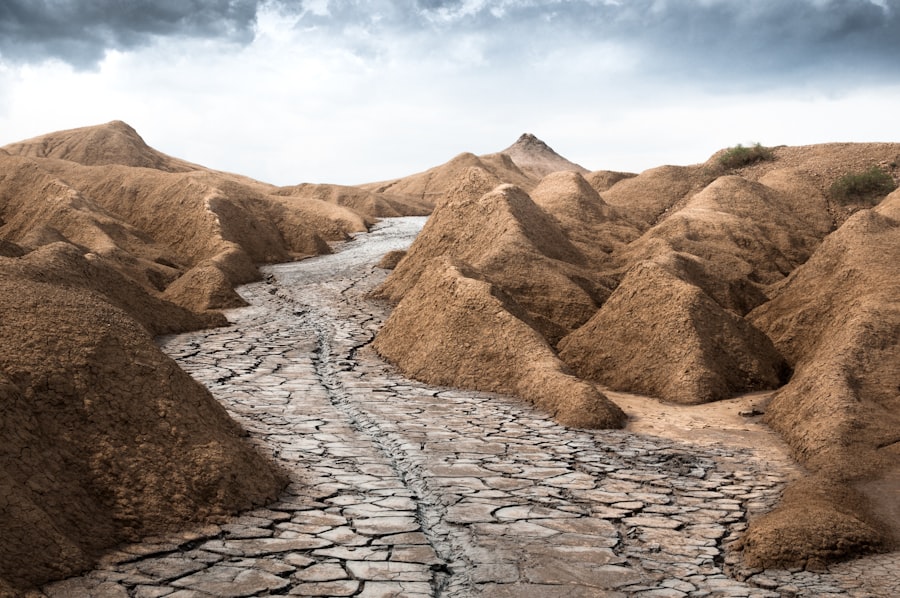
The ability of dendrochronology to provide precise, year-by-year dating is invaluable in establishing causal relationships. Instead of broad correlations, scientists can now observe the precise timing of environmental events and compare it to the archaeological record of societal changes, strengthening the arguments for climate playing a direct role.
The Synchronicity of Collapse and Drought
One of the most powerful insights from dendrochronological studies is the remarkable synchronicity between the onset and intensification of severe droughts and the widespread evidence of societal collapse across diverse regions. This synchronicity suggests that these were not isolated events but rather interconnected phenomena. The precise dating allows researchers to argue that the environmental stress preceded and likely contributed to the societal breakdown, rather than being a consequence of it.
Pinpointing Critical Thresholds
By analyzing the severity and duration of drought events as revealed by tree rings, scientists can begin to identify environmental thresholds. These are critical points beyond which Bronze Age agricultural systems and societies could no longer adapt. The multi-decadal nature of the droughts identified in the late Bronze Age suggests that societies may have been pushed beyond their adaptive capacities, leading to the breakdown of established systems. Dendrochronological data allows for a quantitative assessment of the severity of these environmental challenges, moving beyond qualitative descriptions.
Recent studies have highlighted the significance of tree rings in understanding the environmental conditions that may have contributed to the Bronze Age collapse. By analyzing the growth patterns of ancient trees, researchers have been able to reconstruct climate data that suggests a period of severe drought coinciding with this historical upheaval. For a deeper insight into how environmental factors can influence societal stability, you might find this article on the ongoing struggles in Sudan particularly relevant, as it explores the complex interplay between climate and conflict. You can read more about it here.
The Future of Research: Integrating Disciplines for a Holistic Understanding
| Location | Tree Rings | Bronze Age Collapse |
|---|---|---|
| Mediterranean | Decreased growth | Correlated with societal collapse |
| Greenland | Widened rings | Linked to climate change |
| Europe | Irregular patterns | Associated with migration and conflict |
The study of the Bronze Age Collapse is an ongoing endeavor, and the integration of dendrochronology with other scientific disciplines holds immense promise for further unraveling its complexities. A holistic approach, combining environmental science with archaeology, history, climate modeling, and even genetics, will be essential for a comprehensive understanding of this pivotal period.
Advanced Climate Modeling and Paleoenvironmental Reconstruction
The detailed tree ring data can be used to calibrate and validate advanced climate models that simulate past atmospheric conditions. This allows for a more sophisticated understanding of the regional and global atmospheric dynamics that may have contributed to the observed droughts. By combining tree ring data with other paleoenvironmental proxies, such as lake sediments and ice cores, researchers can reconstruct a more complete picture of the environmental conditions of the Late Bronze Age.
Archaeological Excavations Informed by Dendrochronology
Dendrochronology can guide and inform archaeological excavations. Knowing the precise timing of major environmental events can help archaeologists focus their efforts on sites and time periods that are most likely to reveal evidence of adaptation, resilience, or collapse in response to climatic stress. For instance, areas identified by tree rings as experiencing severe drought might be targeted for the search for evidence of water management systems or evidence of population movements.
The Human Dimension and Resilience Studies
While the focus has been on collapse, future research can also explore the elements of resilience within Bronze Age societies. Did some communities manage to adapt to the changing climate? What strategies did they employ? Dendrochronological data can help identify periods of relative stability or adaptation, allowing for comparative studies of successful and unsuccessful responses to environmental challenges. Understanding these successes and failures can offer valuable lessons for contemporary societies facing climate change.
In conclusion, the silent narratives preserved within ancient tree rings have revolutionized our understanding of the Bronze Age Collapse. While the exact sequence of events and the precise weighting of each contributing factor remain subjects of active debate, dendrochronology has firmly established the profound impact of severe and prolonged drought as a critical destabilizing force. By providing precise dating and detailed reconstructions of past climate, tree rings offer a tangible link between environmental change and societal transformation, shifting the focus from a purely human-centric explanation to one that acknowledges the potent influence of the natural world on the rise and fall of civilizations. The continued integration of dendrochronological findings with other scientific disciplines promises to further illuminate the intricate interplay of factors that led to the dramatic unraveling of the Bronze Age world, offering invaluable insights into the vulnerabilities and resilience of human societies in the face of environmental challenges.

How an Entire Civilization Collapsed
FAQs
What are tree rings and how do they form?
Tree rings are concentric circles found in the cross-section of a tree trunk. They form as a result of the tree’s annual growth cycle, with each ring representing one year of growth. During the growing season, the tree forms a new layer of cells, which appear as a new ring in the trunk.
How can tree rings provide information about past events?
Tree rings can provide valuable information about past climate conditions, such as temperature and precipitation, as well as environmental events like droughts, wildfires, and volcanic eruptions. By analyzing the width and density of tree rings, scientists can reconstruct past environmental conditions and infer the impact of these events on ecosystems and human societies.
What is the significance of tree ring research in understanding the Bronze Age collapse?
Tree ring research has provided insights into the environmental factors that may have contributed to the Bronze Age collapse, a major societal upheaval that occurred around 1200 BCE in the eastern Mediterranean region. By analyzing tree ring data from the region, researchers have identified evidence of prolonged droughts and environmental stress, which may have played a role in the collapse of several ancient civilizations.
How do scientists use tree rings to date archaeological sites?
Dendrochronology, the study of tree rings, can be used to establish precise dates for archaeological sites by matching the pattern of tree rings from a sample of wood found at the site with a master chronology of tree ring patterns. This method allows scientists to accurately date the construction of ancient structures and artifacts, providing important chronological context for understanding past human societies.
What are some limitations of using tree rings as a historical record?
While tree rings can provide valuable information about past environmental conditions, they have limitations as a historical record. For example, not all regions have trees suitable for dendrochronological analysis, and the method may not be applicable to all time periods or cultural contexts. Additionally, tree ring data must be interpreted in conjunction with other archaeological and historical evidence to provide a comprehensive understanding of past events.