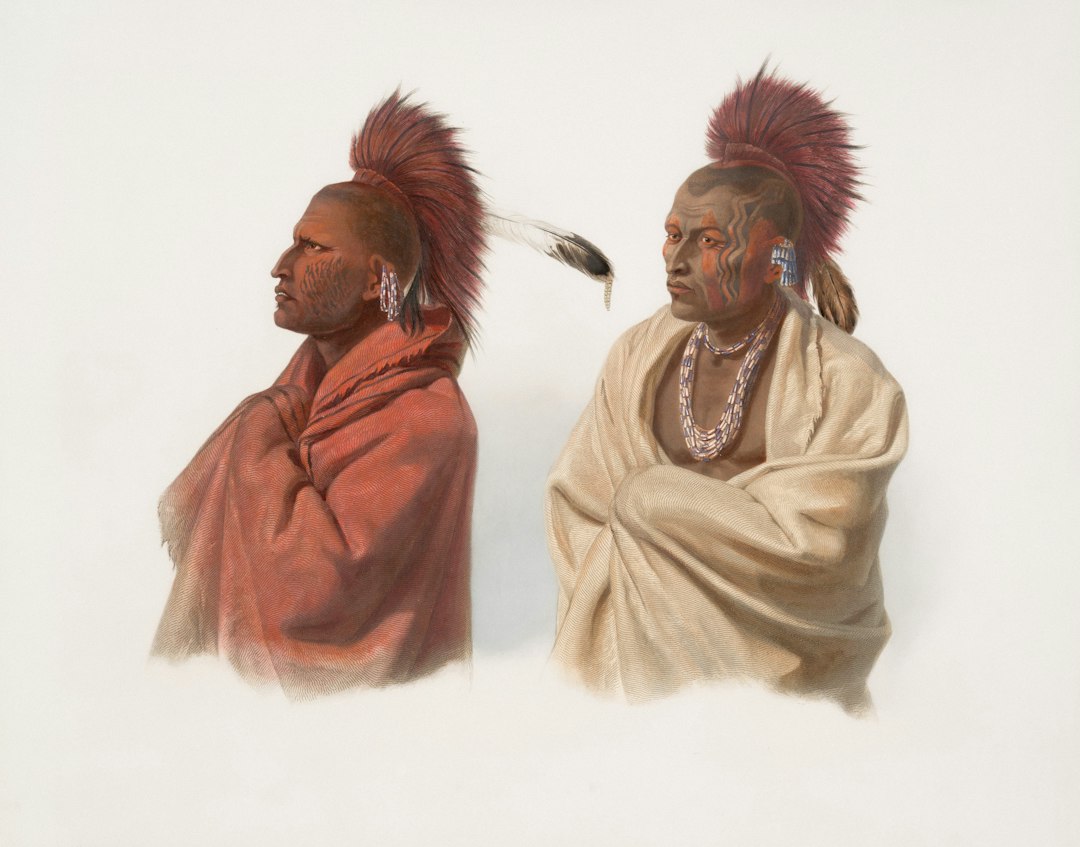
The story of Native Americans, a tapestry woven with threads of migration, adaptation, and resilience, is increasingly being illuminated by the power of genetic research. For centuries, much of this history resided in oral traditions, archaeological findings, and the slow, deliberate accumulation of knowledge across generations. However, modern genomics has opened a remarkable new window, allowing scientists to trace ancestral journeys, understand population movements, and even shed light on ancient cultural connections with unprecedented detail. This article delves into the complex and evolving field of unraveling the genetic history of Native Americans, exploring the methodologies, key findings, and ongoing debates that shape our understanding of these indigenous peoples.
The genetic history of Native Americans is a fascinating subject that intertwines with various fields, including archaeology and anthropology. For those interested in exploring the broader implications of ancient cultures and their connections to modern populations, a related article on the mysteries of archaeoacoustics can provide intriguing insights. You can read more about this captivating topic in the article available at Uncovering the Mysteries of Archaeoacoustics.
The Dawn of Genetic Inquiry: Early Migrations and the Bering Strait Hypothesis
The question of how and when people first arrived in the Americas has captivated scholars for centuries. The prevailing scientific consensus, now strongly supported by genetic data, points to a migration route across the Bering Strait from Northeast Asia. This region, once a land bridge connecting Siberia and Alaska during periods of lowered sea levels, is believed to have served as the primary pathway for the peopling of the Americas.
The Bering Land Bridge: A Gateway to a New World
The Bering Land Bridge, also known as Beringia, was not a fleeting passage but a vast, habitable landmass that persisted for thousands of years. Evidence suggests that early human populations, likely hunter-gatherers, traversed this region in multiple waves over a significant period. Genetic studies have been instrumental in refining the timeline and understanding the genetic signatures of these initial migrations.
Mitochondrial DNA and the Maternal Lineage
Mitochondrial DNA (mtDNA), inherited solely from the mother, has been a cornerstone of early human migration research. Specific haplogroups, defined by unique sets of mutations in mtDNA, have been identified as particularly prevalent among Native American populations. These haplogroups, such as A, B, C, and D, are also found in Northeast Asian populations, providing strong genetic linkage. The distribution and frequency of these mtDNA haplogroups across the Americas offer clues about the directionality and timing of population movements following arrival.
Y-Chromosome DNA and the Paternal Lineage
Complementary to mtDNA, Y-chromosome DNA (Y-DNA), passed down from father to son, offers insights into the paternal lineage. Similarly, specific Y-DNA haplogroups are common among Native Americans and their Asian counterparts, further reinforcing the Bering Strait migration model. Analyzing both mtDNA and Y-DNA provides a more comprehensive picture of ancestral contributions and population dynamics.
Multiple Migratory Waves: Beyond a Single Exodus
While the Bering Strait remains the primary gateway, genetic evidence increasingly suggests that the peopling of the Americas was not a single, monolithic event. Instead, it likely involved several distinct migratory waves, each carrying its own genetic signature and potentially contributing to the diverse ancestral makeup of indigenous peoples across the continents.
The “Ancient North Siberian” Ancestry
Recent genomic studies have identified a distinct ancestral component, often referred to as “Ancient North Siberian” (ANS) ancestry, present in early Native American populations. This component is not directly found in modern East Asian populations but is present in ancient Siberian individuals. This suggests that the ancestors of Native Americans may have spent a considerable period isolated in Beringia or Siberia before migrating into the Americas, developing unique genetic adaptations during this time.
Divergence and Diversification within the Americas
Once in the Americas, these ancestral populations spread and diversified, adapting to a wide array of environments and developing distinct cultural practices. Genetic studies can help trace these dispersal patterns, identifying founder populations and subsequent gene flow among different groups. The isolation of certain groups for long periods has also contributed to genetic differentiation, leading to unique genetic profiles in populations across North, Central, and South America.
Genetic Signatures of Diversity: Tracing the Roots of Indigenous Peoples
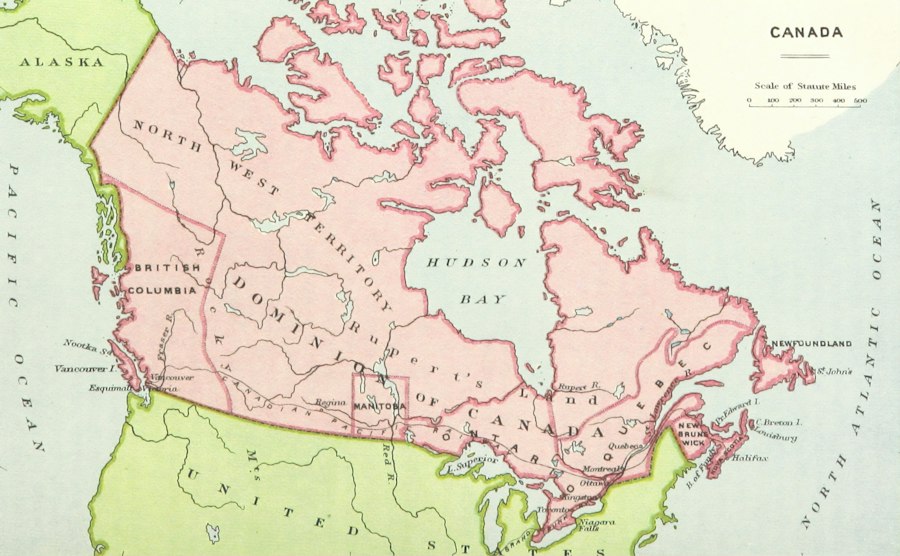
The vast genetic diversity observed among Native American populations today is a testament to their long and complex history. Genetic research has moved beyond simply confirming the Bering Strait hypothesis to delving into the intricate relationships between different indigenous groups and their ancestral origins.
Indigenous Peoples of North America: A Mosaic of Ancestry
North America is home to an extraordinary array of distinct indigenous nations, each with its own unique language, culture, and history. Genetic studies are beginning to unravel the deep ancestral connections and divergences that have shaped this diversity.
Paleo-Eskimo and Arctic Populations
Populations in the Arctic, such as the Inuit and Yupik peoples, exhibit distinct genetic profiles that reflect their specialized adaptations to the harsh Arctic environment and their more recent migratory history into the region compared to many other indigenous North Americans. Their genetic links to Siberian populations are particularly strong.
First Nations, Métis, and Inuit in Canada
Genetic research is playing a crucial role in understanding the ancestral origins and relationships of First Nations, Métis, and Inuit communities in Canada. This research helps to clarify historical migrations, understand genetic contributions from various ancestral groups, and inform contemporary issues related to identity and heritage.
Indigenous Peoples of the United States
Within the United States, genetic studies have illuminated the ancestral relationships of numerous tribes, including the Navajo, Cherokee, Lakota, and many others. These studies often reveal complex patterns of population movements, intertribal relations, and adaptations to diverse geographical regions.
Central and South America: Ancient Connections and Unique Adaptations
The genetic landscape of Central and South America is equally rich and complex, showcasing distinct ancestral lineages and adaptations to environments ranging from tropical rainforests to the high Andes.
Mesoamerican Civilizations and Their Legacy
The genetic heritage of ancient Mesoamerican civilizations, such as the Maya and Aztec, is being uncovered through the analysis of ancient DNA from archaeological sites. These studies reveal their ancestral connections to earlier populations and trace the genetic continuity and transformations that have occurred over millennia.
Andean Populations: Adaptation to High Altitudes
The indigenous peoples of the Andes have a remarkable genetic heritage, shaped by their long history of adapting to high-altitude environments. Genetic research is investigating the genes that confer advantages in low-oxygen conditions and how these adaptations have evolved.
Amazonian Indigenous Groups: Isolation and Diversity
The vast Amazon rainforest has harbored numerous indigenous groups, many of whom have experienced varying degrees of isolation. Genetic studies in this region are crucial for understanding the deep evolutionary history of human populations and the impacts of environmental factors on genetic diversity.
The Concept of “Native American” as a Genetic Construct
It is important to acknowledge that “Native American” itself is a broad term that encompasses a vast array of genetically distinct populations. Genetic research helps to move beyond generalizations and understand the specific ancestral histories of individual groups, recognizing their unique journeys and identities.
Ancient DNA: A Window into the Deep Past
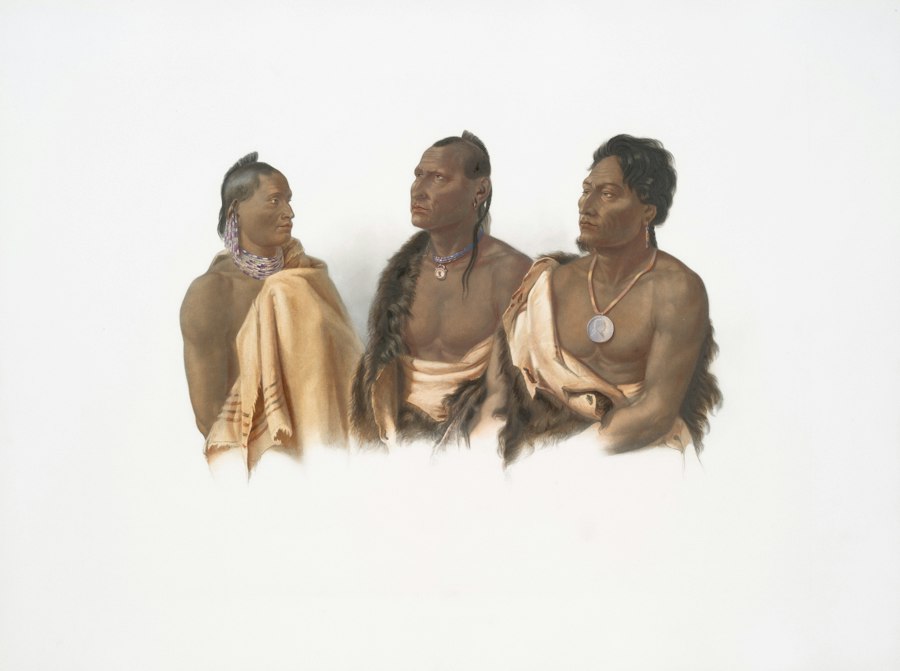
The advent of ancient DNA (aDNA) analysis has revolutionized our understanding of human history, including that of Native Americans. By extracting and analyzing DNA from fossilized remains, scientists can directly access the genetic information of individuals who lived thousands of years ago, bypassing the limitations of modern population data.
Challenges and Breakthroughs in aDNA Extraction
Working with aDNA is fraught with challenges, including degradation of DNA over time and contamination from modern sources. However, significant technological advancements have enabled researchers to overcome these hurdles, leading to remarkable breakthroughs in ancient genomics.
Studying the “First Americans”
The analysis of aDNA from the earliest human remains found in the Americas, such as those from the Clovis culture and pre-Clovis sites, provides direct evidence of the genetic makeup of the first inhabitants. These studies have helped to confirm and refine models of initial migration and settlement.
Tracking Population Movements and Gene Flow
By comparing the genetic profiles of ancient individuals from different time periods and geographical locations, researchers can reconstruct past population movements and identify instances of gene flow between groups. This allows for a dynamic understanding of how populations interacted and mingled.
Uncovering Lost Ancestral Components
Ancient DNA analysis has been instrumental in identifying ancestral components that are no longer prominent in modern populations. This includes the aforementioned “Ancient North Siberian” ancestry, which offers crucial insights into the ancestral history of Native Americans before their arrival in the Americas.
The genetic history of Native Americans is a fascinating topic that sheds light on their ancient migrations and interactions with other populations. A related article that explores the impact of ancient microbial blooms on human health and history can provide further context to this discussion. For those interested in understanding how these factors may have influenced Native American communities, you can read more about it in this insightful piece on the silent plague.
Ethical Considerations and Indigenous Collaboration
| Metric | Value | Description |
|---|---|---|
| Estimated Migration Time | 15,000 – 23,000 years ago | Approximate time when ancestors of Native Americans crossed from Siberia to North America via Beringia |
| Primary Ancestral Population | Ancient North Siberians | Genetic lineage contributing to Native American ancestors |
| Secondary Ancestral Population | East Asians | Genetic admixture contributing to Native American gene pool |
| Haplogroup Q Frequency | ~90% in Native American males | Y-chromosome haplogroup predominant among Native American populations |
| Haplogroup A Frequency | ~10% in Native American males | Another Y-chromosome haplogroup found in Native American populations |
| mtDNA Haplogroups | A, B, C, D, and X | Major mitochondrial DNA haplogroups found in Native American populations |
| Genetic Bottleneck | Yes | Population size reduction during migration leading to reduced genetic diversity |
| Admixture Events | Minimal pre-Columbian | Limited gene flow from other populations before European contact |
The study of Native American genetics is not merely a scientific endeavor; it is deeply intertwined with ethical considerations and the historical experiences of indigenous peoples. Recognizing and addressing these aspects is paramount for responsible and respectful research.
Intellectual Property and Data Ownership
The genetic information of indigenous peoples is an intrinsic part of their heritage and identity. Discussions surrounding intellectual property rights and data ownership are crucial. Ensuring that indigenous communities have control over their genetic data and benefit from its use is a fundamental ethical imperative.
The Importance of Free, Prior, and Informed Consent (FPIC)
Obtaining free, prior, and informed consent (FPIC) from indigenous communities before undertaking genetic research is non-negotiable. This process ensures that communities understand the research objectives, potential implications, and have the autonomy to agree or refuse participation.
Collaborative Research Models and Community Engagement
Moving away from a purely extractive model of research, a growing emphasis is placed on collaborative research models. These models involve indigenous communities as active partners in the research process, from designing studies to interpreting results and disseminating findings.
Empowering Indigenous Communities Through Genomics
Genomics can be a powerful tool for indigenous communities to reclaim their narratives, understand their heritage, and address contemporary issues. Collaboration allows for the development of culturally relevant research projects that benefit the communities themselves.
Addressing Historical Injustices and Mistrust
Past instances of exploitative genetic research have understandably fostered mistrust among some indigenous communities. Building trust requires transparency, accountability, and a genuine commitment to ethical practices and respectful engagement.
The Future of Native American Genomics: New Frontiers and Ongoing Debates
The field of Native American genomics is constantly evolving, with new discoveries and technological advancements pushing the boundaries of what we can understand. However, several ongoing debates and future directions are shaping the landscape of this research.
Reconstructing Complex Ancestral Histories
Future research will continue to refine our understanding of the complex ancestral histories of Native American populations. This will involve analyzing larger datasets, incorporating a wider range of genetic markers, and employing more sophisticated analytical techniques.
The Impact of Post-Contact History on Genetic Diversity
The arrival of Europeans and subsequent colonization had profound and often devastating impacts on indigenous populations. Future research will continue to explore the genetic consequences of these historical events, including population bottlenecks, forced migrations, and admixture with European and African populations.
Refining Ancestral Reconstruction with Advanced Technologies
Emerging technologies, such as long-read sequencing and single-cell genomics, hold immense potential for unraveling even more intricate details of Native American genetic history. These tools can provide higher resolution insights into population structure, admixture, and evolutionary processes.
Investigating the Genetic Basis of Health and Adaptation
Beyond historical reconstruction, genomics offers valuable insights into the genetic basis of health and adaptation in Native American populations. Understanding these genetic factors can inform personalized medicine, address health disparities, and support culturally relevant health initiatives.
Ongoing Debates and Methodological Refinements
Despite significant progress, debates persist within the field regarding optimal methodologies for analyzing ancient and modern DNA, the interpretation of genetic ancestry, and the definition of population boundaries. Continuous refinement of these approaches is crucial for robust and accurate conclusions.
The Interplay of Genetics, Culture, and Language
Genetics is only one piece of the puzzle. Future research will increasingly focus on integrating genetic findings with archaeological, linguistic, and ethnographic data to create a more holistic and nuanced understanding of the interconnectedness of genetics, culture, and language.
Empowering Indigenous-Led Research Initiatives
The future of Native American genomics lies in empowering indigenous-led research initiatives. By fostering indigenous scientific capacity and supporting community-driven projects, we can ensure that this research is conducted in a way that is both scientifically rigorous and culturally appropriate, ultimately benefiting the very peoples whose genetic heritage it seeks to understand. The unraveling of the genetic history of Native Americans is an ongoing journey, one that promises to continue to illuminate the resilience, diversity, and enduring legacy of these foundational peoples of the Americas.
Kennewick Man’s Skull Said One Thing. DNA Said Another.
FAQs
What is the genetic history of Native Americans?
The genetic history of Native Americans reveals that they are descendants of ancient populations who migrated from Asia over 15,000 years ago.
How do scientists study the genetic history of Native Americans?
Scientists study the genetic history of Native Americans by analyzing DNA samples from modern Native American populations and comparing them to DNA samples from ancient human remains found in the Americas.
What are some key findings from the genetic studies of Native Americans?
Genetic studies of Native Americans have shown that there is a high degree of genetic diversity among different Native American tribes, reflecting their long history and diverse origins.
What role did the Bering Land Bridge play in the genetic history of Native Americans?
The Bering Land Bridge, which connected Asia and North America during the last Ice Age, is believed to have been the route taken by the ancestors of Native Americans as they migrated into the Americas.
How has the genetic history of Native Americans influenced our understanding of human migration patterns?
The genetic history of Native Americans has provided valuable insights into the peopling of the Americas and the broader patterns of human migration and settlement around the world.